What is Hay Fever?
Hay fever, or allergic rhinitis, happens when your immune system overreacts to airborne allergens—usually pollen. During allergy season, your body reacts strongly to pollen, causing sneezing, watery or itchy eyes, a runny or blocked nose, and sometimes coughing or wheezing. Although it mostly occurs in spring and summer, hay fever can also be triggered by allergens like dust mites or pet dander.
What Causes Hay Fever?
Hay fever is caused when your body mistakes pollen from trees, grasses, and weeds as harmful. Inhaling these particles leads your immune system to release histamines and other chemicals, which trigger the symptoms. Factors that may increase your risk include:
- A family history of allergies
- Asthma or other respiratory conditions
- Exposure to environmental irritants, such as tobacco smoke during childhood
In the UK, the main triggers are:
- Grass pollen: Affects about 90% of sufferers, peaking from mid-May to July
- Tree pollen: Affects roughly 25% of sufferers from late March to mid-May (including oak, birch, ash, and cedar)
- Weed pollen: High levels from late June to September from plants like dock, mugwort, and nettles
Pollen counts, determined by analyzing air samples, are often included in daily weather forecasts. They are classified as follows:
- Low: Fewer than 30 grains per cubic metre of air
- Moderate: 30 to 49 grains per cubic metre of air
- High: 50 to 149 grains per cubic metre of air
- Very High: 150 or more grains per cubic metre of air
What Are the Symptoms of Hay Fever?
Symptoms can vary in severity and may include:
- Sneezing
- A runny or blocked nose
- Itchy, red, or watery eyes
- Itchy throat, mouth, nose, or ears
- Coughing or wheezing
- Fatigue or a general feeling of being unwell
These symptoms can disrupt your daily routine, especially when pollen levels are high.
How Is Hay Fever Diagnosed?
Doctors typically diagnose hay fever based on your symptoms and medical history. If symptoms are severe or persist throughout the year, you may be advised to undergo allergy testing—such as a skin prick test or blood test—to identify the specific allergens causing your reaction.
What Are the Best Treatments for Hay Fever?
Several treatment options can help manage hay fever effectively:
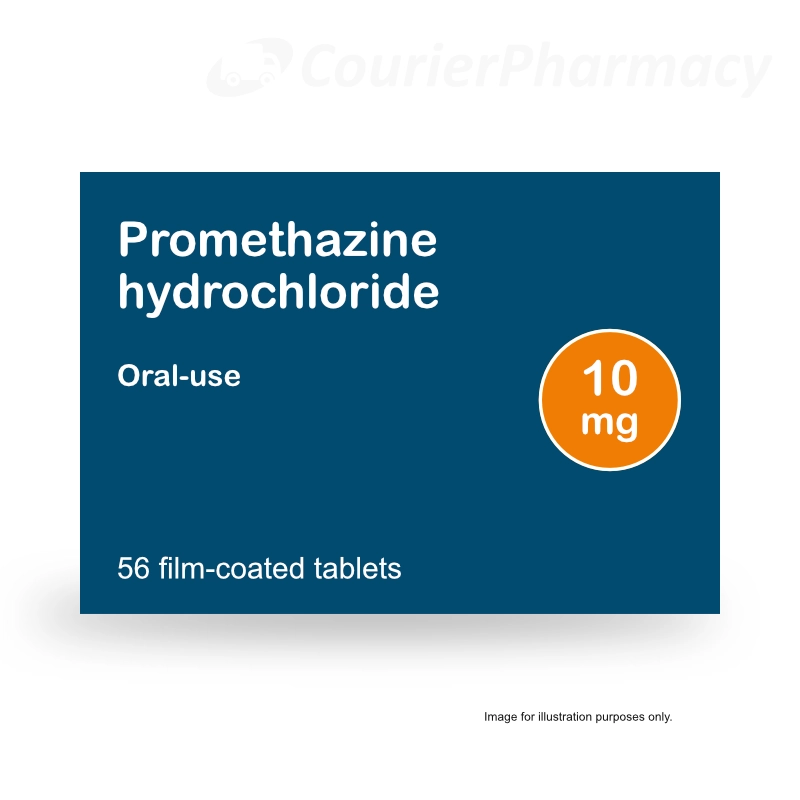
- Antihistamine Tablets: Block histamine, the chemical responsible for allergy symptoms (common options include cetirizine, loratadine, and fexofenadine).
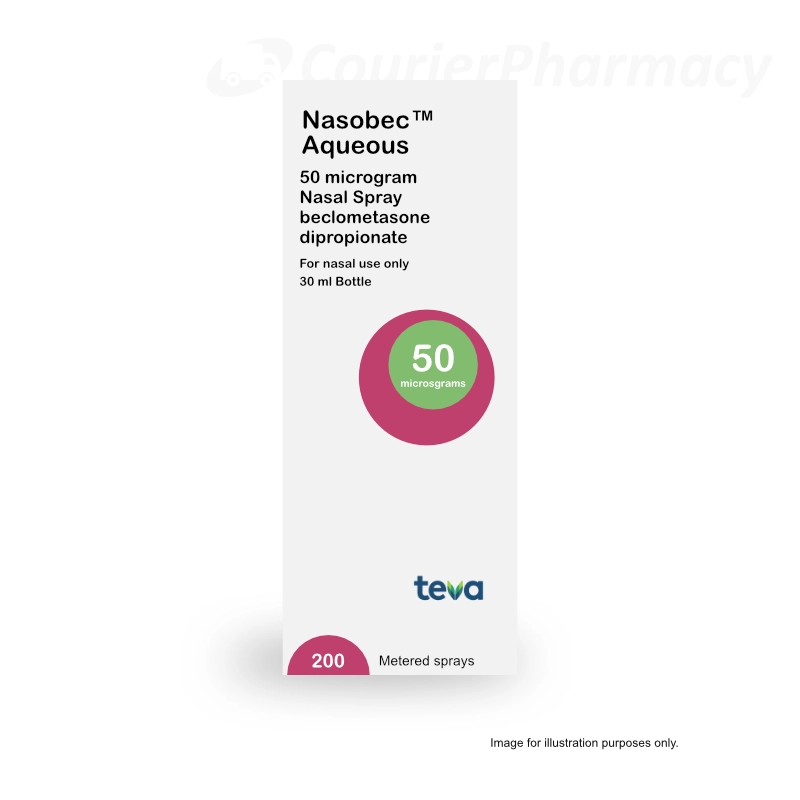
- Nasal Sprays: Corticosteroid sprays like Flixonase or Nasonex reduce inflammation in the nasal passages, easing congestion and sneezing.
- Eye Drops: Anti-allergy eye drops such as Opticrom help relieve itchy, watery eyes.
- Decongestants: Provide short-term relief from nasal congestion.
Hay Fever Nasal Sprays (Corticosteroids & Antihistamines)
Nasal sprays for hay fever usually contain corticosteroids that reduce inflammation directly in the nasal passages, offering relief with minimal systemic side effects. Prescription-strength nasal sprays available at courierpharmacy include:
- Dymista – a dual-action spray combining a corticosteroid and an antihistamine (review potential side effects).
- Flixonase – well known for effectively managing symptoms.
- Nasonex
- Avamys
Antihistamine nasal sprays like Rhinolast work by blocking histamine at the source.
Hay Fever Eye Drops (Antihistamines)
Anti-allergy eye drops prevent the release of histamine, reducing itchiness and watery eyes. Effective options include:
- Opticrom, which contains sodium cromoglicate.
- Optilast, which uses azelastine or nedocromil.
These drops can be safely combined with oral antihistamines and nasal sprays to provide overall relief.
How Can I Prevent Hay Fever?
Although you cannot completely avoid pollen, you can reduce exposure by:
- Checking daily pollen forecasts and staying indoors during high pollen periods
- Keeping windows and doors closed to minimize indoor pollen
- Showering and changing clothes after spending time outdoors
- Using air purifiers with HEPA filters to reduce allergens in your home
- Wearing sunglasses to protect your eyes from pollen
Can Hay Fever Be Cured?
There is no cure for hay fever, but its symptoms can be managed effectively with the right treatment and lifestyle adjustments. Some people may notice improvements with age, while others may experience persistent symptoms.
Where Can I Buy Hay Fever Treatments?
Courierpharmacy.co.uk offers a broad range of over-the-counter and prescription hay fever treatments, including antihistamines, nasal sprays, and eye drops. You can easily order your hay fever medication online after completing a short medical consultation form. Our service ensures your treatment is safe, suitable, and delivered discreetly to your door.
What Should I Do If My Hay Fever Symptoms Persist?
If your hay fever symptoms continue despite treatment or significantly affect your quality of life, consult a healthcare professional. You might need alternative options, such as prescription-strength medications or allergy immunotherapy, to better control your symptoms.