Home » Treatment » TRT eligibility home blood testing kit
TRT eligibility home blood testing kit
£49.99
A finger-prick TRT eligibility home test kit from courierpharmacy.co.uk that checks total testosterone plus key binding proteins (SHBG and albumin) to help you understand symptoms of low testosterone and decide sensible next steps, including whether you may need further morning testing before considering TRT.
All home blood tests come with a FREE follow up consultation with one of our prescribers.
Product description: TRT eligibility home test kit
If you’ve been feeling flat for a while, it’s easy to blame stress, work, sleep, or “just getting older”. Sometimes that’s true. But sometimes your testosterone is genuinely low, and it’s worth checking properly [1].
The TRT eligibility home test kit from courierpharmacy.co.uk is a simple finger-prick kit that measures total testosterone and the key proteins that control how much testosterone your body can actually use. It’s designed as a first step for men who want clarity, whether you’re just curious or you’re exploring Testosterone Replacement Therapy (TRT) with a clinician.
What you get in the kit (typical contents may vary by supplier batch):
Alcohol wipes and plasters
Sterile lancets
A small collection tube/vial
Clear instructions and a return pack for posting to the lab
Why this kit is useful is not just the number you get back. It’s the context. Testosterone travels in your blood mostly “bound” to proteins, so looking at total testosterone alone can miss the full picture. That’s why this TRT eligibility home test kit includes SHBG and albumin, and reports free testosterone as a measured value or a calculated estimate, depending on the lab method [2].
Additional information
Quantity
1 x 100, 2 x 100
MOJO WISDOM
Take control of your health by understanding your condition and what this medication is doing for you.
READ:
More information about this treatment.
UK-based doctors and pharmacists
Discreet and Confidential
UK-based doctors and pharmacists
Free, Expert Advice
No video link provided.
No video link provided.
UK-based doctors and pharmacists
Free, expert advice
Discrete and confidential
Fast delivery
Giving you trusted clinical advice for over 40 conditions
A UK regulated pharmacy providing safe, effective treatments online since 2014
Testosterone affects sex drive, erections, mood, energy, muscle and bone health.
Symptoms can overlap with stress, poor sleep, depression, thyroid issues and long-term conditions, so testing helps you avoid guesswork.
Timing matters: testosterone is usually highest in the morning, so morning sampling improves accuracy.
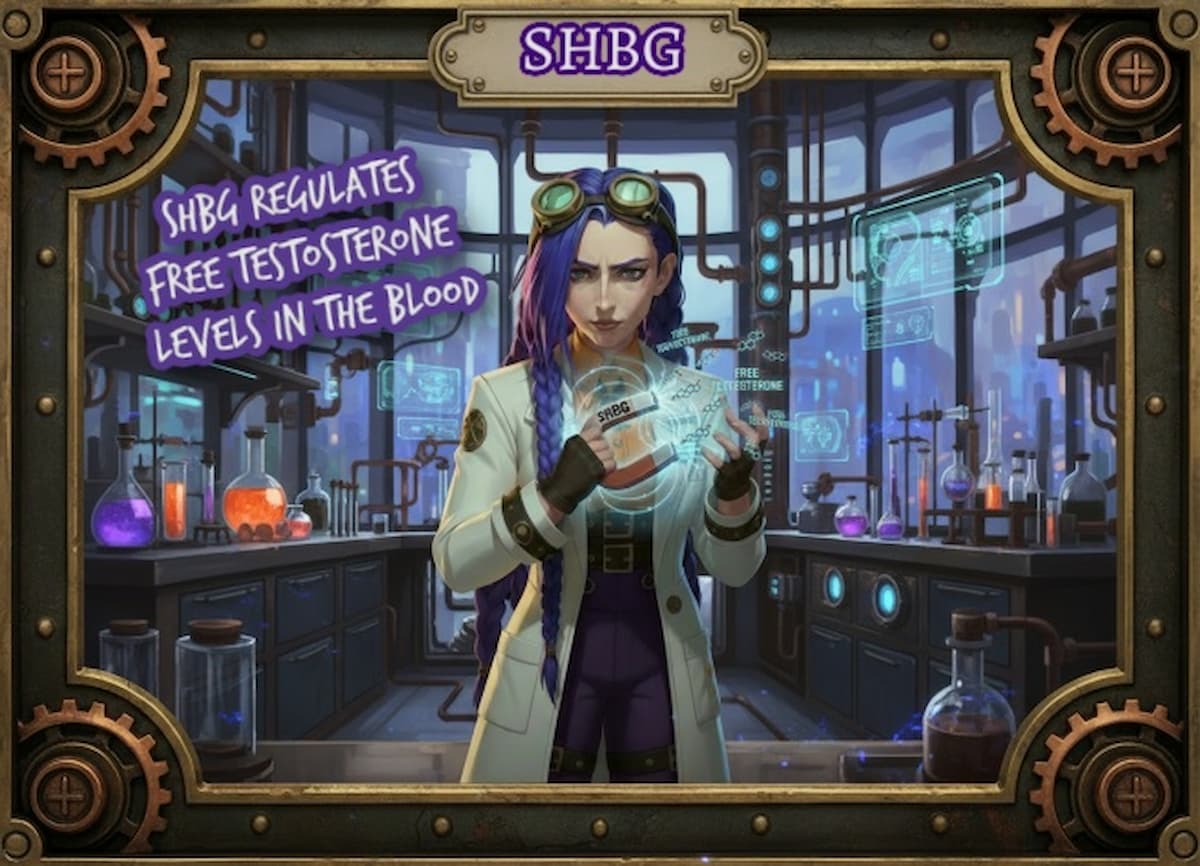
Total testosterone is only part of the story; SHBG and albumin affect free testosterone (the “available” portion).
If you’re considering TRT, a second, more comprehensive venous blood test is often used to check safety markers before treatment.
Understanding testosterone: Why it matters for Men’s Health
Testosterone, often called the “male hormone,” is not just about sex drive. It plays a role in body composition, bone density, red blood cell production, and how you feel day to day [2]. When it’s low, some men notice changes slowly, like a phone battery that never quite hits 100%.
The challenge is that symptoms of low testosterone are not exclusive. Low mood, tiredness, weight gain, and poor sleep can come from many causes. That’s why a TRT eligibility home test kit can be a practical first step: it gives you a real data point to discuss with a clinician.
This kit focuses on the markers that help interpret testosterone properly. Total testosterone can look “fine”, while free testosterone is low if SHBG is high. Or total testosterone can look low while free testosterone is acceptable if SHBG is low. That’s why measuring SHBG and albumin matters [2].
If your results suggest low testosterone and you have symptoms, the next step is not automatically TRT. Good care is boring (in a good way): confirm with a repeat morning test, review contributing factors (sleep, weight, alcohol, medicines), and check safety bloods before any treatment is considered [2].
Finally, if you’re wondering whether your symptoms fit, a quick screening tool like the ADAM questionnaire can help you decide whether testing is worth it [2].
Why is testosterone important?
Energy & motivation: Low testosterone can leave you feeling drained, sluggish, or less driven.
Muscle & strength: It helps build and maintain muscle mass and strength.
Mood & wellbeing: It’s linked to mood, confidence, and mental sharpness.
Sex drive & performance: Healthy testosterone is key for libido and sexual function.
Bone health: It helps keep bones strong and reduces the risk of osteoporosis.
Why measure testosterone?
Many men experience symptoms of low testosterone (sometimes called “Low T”) without realising it. Measuring your levels is the only way to know for sure if your symptoms are linked to hormones—or if something else is going on. Accurate testing is also the first step before considering any treatment, like Testosterone Replacement Therapy (TRT).
What is TRT?
TRT (Testosterone Replacement Therapy) is a medical treatment for men who have confirmed low testosterone and related symptoms. It can help restore energy, mood, muscle, and sex drive—but it’s only recommended after proper testing and medical advice. Safe TRT starts with the right diagnosis.
Key symptoms of low testosterone
Low energy or persistent tiredness
Reduced sex drive or erectile difficulties
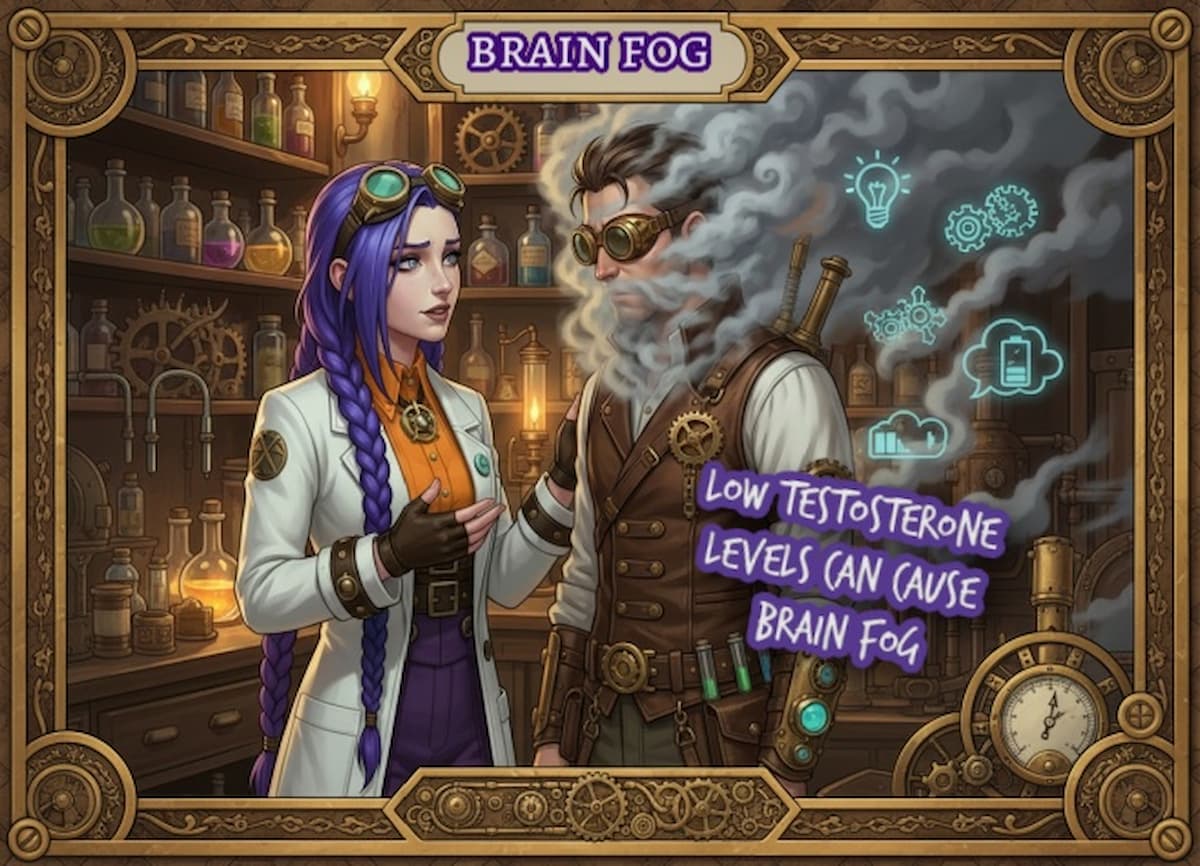
Low mood, irritability, or “brain fog”
Loss of muscle mass or strength
Increased body fat
Poor sleep
Reduced motivation or confidence
If you recognise several of these symptoms, it’s worth checking your testosterone levels.
Want a quick check?
Try the ADAM questionnaire—a simple, validated tool to help spot symptoms of low testosterone. It’s a great starting point before booking your blood test with courierpharmacy.co.uk.
How the Courier Pharmacy TRT testing protocol works
Step 1: TRT eligibility home test kit
Take a finger-prick blood sample at home on a morning before 10am.
This checks your key testosterone markers and helps spot any potential imbalance.
The TRT eligibility home test kit looks at the following markers:
ALB (Albumin): A blood protein that binds to testosterone and helps determine how much testosterone is available for your body to use.
FAI (Free Androgen Index): A calculated score using testosterone and SHBG that estimates how much active (available) testosterone you have.
FTEST (Free Testosterone): The small portion of testosterone not bound to proteins, which is the most biologically active form.
SHBG (Sex Hormone Binding Globulin): A protein that tightly binds testosterone, which can reduce the amount of testosterone your tissues can use.
TEST (Total testosterone): Your total testosterone level, including both protein-bound and free testosterone in the blood.
Step 2: Follow up TRT venous blood test (In-Clinic or Phlebotomy Service)
If your home test suggests low testosterone, you’ll need a second, more comprehensive blood test.
This is a venous (from the vein) blood draw, done by a professional, also in the morning.
This test is far more detailed—it checks your overall health and safety before starting any treatment.
The follow up Courier Pharmacy TRT blood test panel includes the following:
FBCP (Full Blood Count, postal): A group of tests that checks your red cells, white cells and platelets to screen for issues like anaemia, infection and clotting problems.
HCT (Haematocrit): Measures what percentage of your blood is made up of red blood cells.
HGB (Haemoglobin): Measures the oxygen-carrying protein in red blood cells and helps detect anaemia.
LY# (Lymphocyte absolute number): Counts the number of lymphocytes, a type of white blood cell involved in immune defence.
LY (Lymphocyte percentage): Shows what proportion of your white blood cells are lymphocytes.
MCV (Mean cell volume): Measures the average size of your red blood cells, which helps classify types of anaemia.
MCH (Mean corpuscular haemoglobin): Measures the average amount of haemoglobin inside each red blood cell.
MCHC (Mean corpuscular haemoglobin concentration): Measures how concentrated haemoglobin is within your red blood cells.
MPV (Mean platelet volume): Measures the average size of platelets, which can hint at how actively your body is making them.
NE# (Neutrophil absolute number): Counts neutrophils, the main white blood cells that fight bacterial infection and inflammation.
NE (Neutrophil percentage): Shows what proportion of your white blood cells are neutrophils.
PLT (Platelets): Counts platelets, which help your blood clot and stop bleeding.
RBC (Red blood cells): Counts red blood cells, which carry oxygen around your body.
RDW (Red cell distribution width, CV): Measures how varied your red blood cell sizes are, which can help spot iron deficiency and mixed anaemias.
WBC (White blood cells): Counts white blood cells, which help fight infection and respond to inflammation.
IRON (Iron panel): A set of tests that checks iron levels and how your body stores and transports iron.
FERR (Ferritin): Measures your stored iron and is often the best single marker for iron deficiency.
FE (Iron): Measures the amount of circulating iron in your blood at the time of the test.
TIBC (Total iron binding capacity): Estimates how much iron your blood could carry, which often rises when iron stores are low.
TFN (Transferrin): Measures the main protein that transports iron in the blood.
TSAT (Transferrin saturation): Shows how much transferrin is “loaded” with iron, helping assess iron deficiency or overload.
LIPP (Lipid panel): A group of tests that measures blood fats to estimate cardiovascular risk.
CHOL (Cholesterol): Measures total cholesterol in your blood.
HDL (High-density lipoprotein cholesterol): Measures “good” cholesterol that helps carry cholesterol away from arteries.
LDL (Low-density lipoprotein cholesterol): Measures “bad” cholesterol that can contribute to plaque build-up in arteries.
NHDL (Non-HDL cholesterol): Measures all the “non-good” cholesterol types and is a useful overall risk marker.
CHR (Total cholesterol to HDL ratio): Compares total cholesterol to HDL to give a quick snapshot of heart risk.
TRIG (Triglycerides): Measures a type of blood fat that can rise with diet, alcohol, diabetes risk and metabolic issues.
LIVR (Liver panel): A set of tests that checks liver cell health, bile flow and protein production.
ALT (Alanine aminotransferase): An enzyme that rises when liver cells are irritated or damaged.
ALB (Albumin): A liver-made protein that reflects nutrition and liver function and also carries hormones and medicines.
ALP (Alkaline phosphatase): An enzyme linked to bile ducts and bone, often raised in bile flow problems.
AST (Aspartate aminotransferase): An enzyme found in liver and muscle that can rise with liver or muscle injury.
GGT (Gamma-glutamyl transferase): An enzyme that can rise with bile duct issues and alcohol-related liver stress.
GLOB (Globulin): A group of proteins involved in immunity and inflammation, used alongside albumin for liver and immune clues.
TBIL (Total bilirubin): Measures bilirubin, which can rise with liver problems or increased red cell breakdown and may cause jaundice.
TP (Total protein): Measures the total of albumin and globulins to give an overview of protein status.
TFTP (Thyroid panel): A set of tests that checks how well your thyroid gland is working.
FT4 (Free thyroxine, T4): Measures the main thyroid hormone available to your tissues.
FT3 (Free triiodothyronine, T3): Measures the active thyroid hormone that affects metabolism and energy.
TSH (Thyroid stimulating hormone): Measures the pituitary signal that tells your thyroid how hard to work.
URELP (Urea and electrolyte panel, postal): A group of tests that checks kidney function and key salts needed for fluid balance and nerves.
CL (Chloride): Measures chloride, an electrolyte that helps maintain fluid balance and acid–base control.
CREA (Creatinine, serum): Measures creatinine, a waste product used to assess kidney function.
EGFR (Estimated glomerular filtration rate): Estimates how well your kidneys filter blood.
NA (Sodium): Measures sodium, which is vital for fluid balance, blood pressure and nerve function.
UREA (Urea, serum): Measures urea, a waste product that can rise with dehydration or reduced kidney function.
COR (Cortisol): A stress hormone made by the adrenal glands that helps control energy, blood pressure, inflammation, and your sleep–wake rhythm.
CRPH (C-reactive protein, high sensitivity): A very sensitive inflammation marker used to estimate low-grade inflammation and cardiovascular risk.
DHEAS (Dehydroepiandrosterone sulphate): An adrenal hormone that acts as a building block for sex hormones and can reflect adrenal androgen output.
FOLS (Folate, serum): A B vitamin needed for DNA and red blood cell production, with low levels linked to anaemia and fatigue.
FSH (Follicle-stimulating hormone): A pituitary hormone that signals the testes to support sperm production and helps assess the cause of low testosterone.
FAI (Free androgen index): A calculated score using testosterone and SHBG that estimates how much active (available) testosterone you have.
FTEST (Free testosterone): The small portion of testosterone not bound to proteins, which is the most biologically active form.
HBA1C (Glycated haemoglobin): Shows your average blood sugar over the past 2–3 months and helps assess diabetes and insulin resistance risk.
LH (Luteinizing hormone): A pituitary hormone that tells the testes to produce testosterone, useful for working out whether low testosterone is primary or secondary.
MG (Magnesium, serum): An essential mineral involved in muscle and nerve function, energy production, and heart rhythm.
OES (Oestradiol): The main oestrogen that also matters in men for bone health, libido, mood, and balancing testosterone effects.
PROG (Progesterone): A hormone involved in steroid hormone pathways that can give extra context in broader hormone assessments.
PROL (Prolactin): A pituitary hormone that, when high, can reduce libido and suppress testosterone signalling.
RT3 (Reverse T3): An inactive form of thyroid hormone that can rise in illness or stress and may help interpret complex thyroid patterns.
SHBG (Sex hormone binding globulin): A protein that tightly binds testosterone, which can reduce the amount of testosterone your tissues can use.
TEST (Testosterone): Your total testosterone level, including both protein-bound and free testosterone in the blood.
TGAB (Thyroglobulin antibodies): Thyroid antibodies that can suggest autoimmune thyroid disease and help explain thyroid symptoms.
TPO (Thyroid peroxidase antibodies): The most common thyroid autoantibodies, often raised in Hashimoto’s thyroiditis and other autoimmune thyroid conditions.
TPSA (Total prostate specific antigen): A prostate marker used to assess prostate health and provide baseline monitoring in men where clinically appropriate.
B12 (Vitamin B12, total): A vitamin needed for nerve function and red blood cell production, with low levels linked to anaemia, pins and needles, and brain fog.
VITD (Vitamin D, 25-OH): The main blood marker of vitamin D status, important for bone, muscle, and immune function.
ZINC (Zinc, plasma): A mineral involved in immune function, wound healing, and hormone and fertility pathways.
What do the results mean? (BSSM Guidelines in plain english)
Normal men:
Total testosterone below 12 nmol/L is considered low.
Prediabetic or metabolic syndrome:
Below 14 nmol/L is considered low.
Free testosterone:
Below 0.225 nmol/L is considered low.
If your results fall below these levels and you have symptoms, you may be considered for Testosterone Replacement Therapy (TRT).
What is TRT?
TRT is a treatment for men with confirmed low testosterone and symptoms like tiredness, low mood, poor sex drive, or muscle loss.
It’s not a quick fix or a lifestyle boost. The process is careful and evidence-based, following the British Society for Sexual Medicine (BSSM) guidelines:
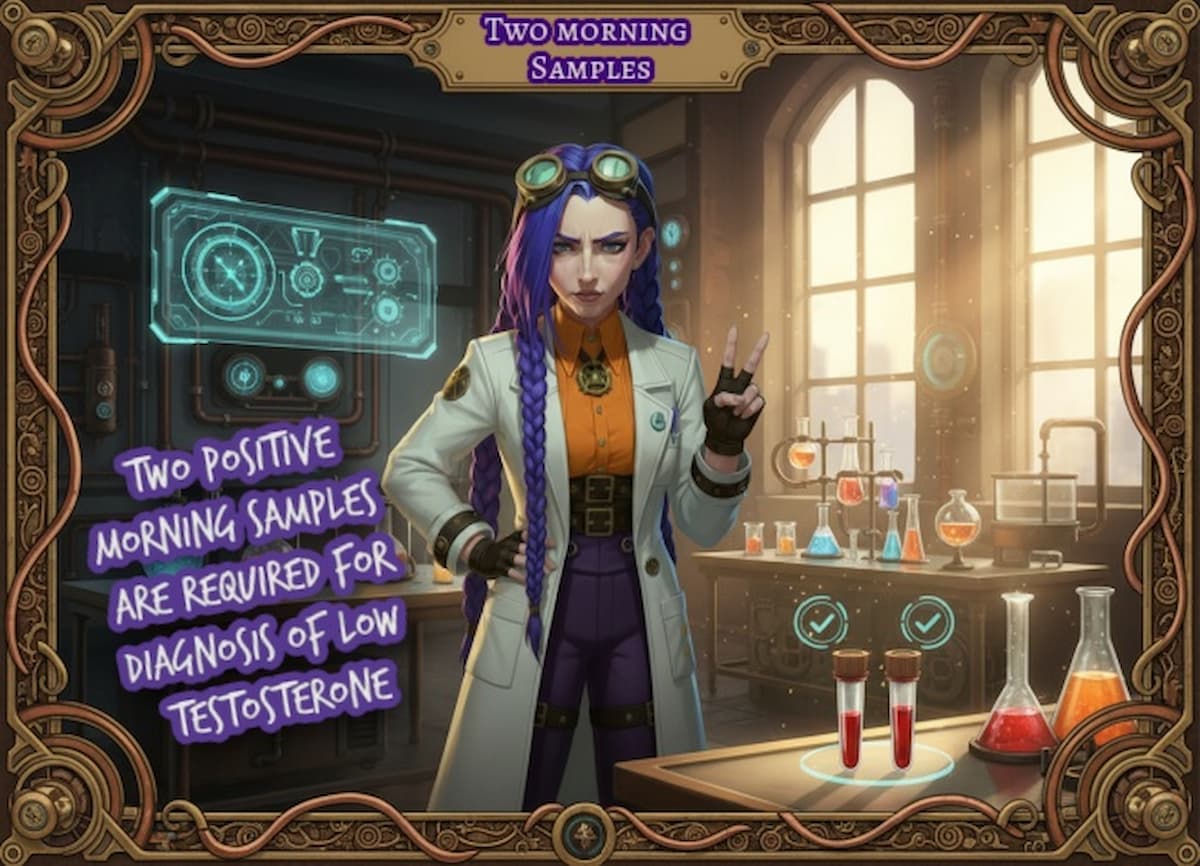
Two morning tests (one home, one venous) confirm the diagnosis.
Your overall health is checked before starting.
Regular monitoring keeps treatment safe and effective.
Why choose Courier Pharmacy?
Easy home testing, expert support.
Free follow-up consultation.
Clear, jargon-free results.
Safe, evidence-based protocols.
Take charge of your hormone health with courierpharmacy.co.uk—where science, safety, and support come together.
What’s included in your home testosterone test kit?
The TRT eligibility home test kit is a diagnostic kit that measures hormone markers in a blood sample, which is then analysed by a laboratory using validated methods.
It contains the following:
Alcohol wipes and plasters
Sterile lancets
A small collection tube/vial
Clear instructions and a return pack for posting to the lab
The TRT eligibility home test kits, checks the following blood markers:
ALB (Albumin): A blood protein that binds to testosterone and helps determine how much testosterone is available for your body to use.
FAI (Free Androgen Index): A calculated score using testosterone and SHBG that estimates how much active (available) testosterone you have.
FTEST (Free Testosterone): The small portion of testosterone not bound to proteins, which is the most biologically active form.
SHBG (Sex Hormone Binding Globulin): A protein that tightly binds testosterone, which can reduce the amount of testosterone your tissues can use.
TEST (Testosterone): Your total testosterone level, including both protein-bound and free testosterone in the blood.
What is the TRT eligibility home test kit used for?
The TRT eligibility home test kit is for adult men who want to check whether low testosterone could be contributing to symptoms such as reduced libido, erectile difficulties, low energy, low mood, brain fog, reduced motivation, loss of muscle, or increased body fat [2].
It can also be useful if you’re exploring TRT with a clinician and need an initial hormone snapshot before arranging confirmatory testing. UK guidance generally recommends morning testing and repeat confirmation when results are low or borderline [2].
It is not designed to diagnose the cause of symptoms on its own. Testosterone results should be interpreted alongside your symptoms, medical history, and (where needed) further blood tests such as LH/FSH, prolactin, thyroid tests, HbA1c and lipid profile.
How does the TRT eligibility home test kit
This TRT eligibility home test kit measures total testosterone (TEST) and the proteins that bind it, mainly SHBG and albumin [2]. From these, the lab can report free testosterone (FTEST) or a calculated free testosterone estimate, plus derived measures such as the free androgen index (FAI), depending on the panel you select and the lab method.
Total testosterone is the overall amount of testosterone in your blood. But most of it is bound to SHBG and albumin. Bound testosterone is not all equally “available” to your tissues. SHBG binds tightly, so testosterone attached to SHBG is generally less available. Albumin binds more loosely, so it’s often considered more readily available [2].
Free testosterone is the small fraction not bound to proteins. It’s often a better reflection of androgen activity, especially when SHBG is unusually high or low (which can happen with age, weight changes, thyroid status, and some medicines) [2].
That’s why this TRT eligibility home test kit doesn’t just chase one number. It helps you understand the “why” behind the number, so you can make better decisions about next steps.
How to use the TRT eligibility home test kit
Do the TRT eligibility home test kit in the morning. Many guidelines recommend early morning sampling (often between 7am and 11am) because testosterone levels can vary through the day, especially in younger men [2].
Before you start, warm your hands (a mug of warm water or a warm shower works). It improves blood flow and makes the finger-prick easier. Sit down, read the instructions fully, and set everything out first. The most common reason home kits fail is rushing.
Collect the sample as instructed, label it correctly, and post it back the same day using the return packaging. Aim for Monday to Thursday posting so your sample is less likely to sit in a depot over the weekend.
Warnings and precautions: TRT eligibility home test kit
If you feel unwell, faint at the sight of blood, or have a bleeding disorder, take extra care and consider having someone with you. If you are on anticoagulants (blood thinners), speak to a clinician before doing a finger-prick test.
This TRT eligibility home test kit is not an emergency test. If you have chest pain, severe shortness of breath, sudden weakness, or any urgent symptoms, seek emergency medical help.
Do not start TRT based on a single home test result. UK guidance stresses confirming low testosterone with repeat morning testing and assessing underlying causes and safety markers before treatment [2].
If you are trying to conceive, do not self-start testosterone. Exogenous testosterone can reduce sperm production. Discuss symptoms and fertility goals with a clinician first [2].
Side effects: TRT eligibility home test kit
Most people have no side effects beyond minor discomfort.
You may get a small bruise, soreness, or a tiny amount of bleeding at the finger-prick site. Very occasionally, people feel light-headed. Sitting down and having a drink nearby helps.
If you develop swelling, increasing redness, heat, or pus at the puncture site, seek medical advice as this could indicate infection.
Drug interactions: TRT eligibility home test kit
The TRT eligibility home test kit itself does not interact with medicines.
However, some medicines and health conditions can affect testosterone levels or SHBG, which can change how results look. Examples include opioids, glucocorticoids, some anti-epileptics, thyroid medicines, and significant weight changes.
If you’re on long-term medicines and your result is low or borderline, it’s worth discussing with a clinician rather than assuming TRT is the answer.
FAQ: TRT eligibility home test kit
Who is the TRT eligibility home test kit for?
Adult men who want to check testosterone levels due to symptoms such as low libido, erectile difficulties, tiredness, or low mood.
Who should not use a TRT eligibility home test kit?
Anyone who cannot safely do a finger-prick test, or who needs urgent medical assessment for serious symptoms. If you’re unsure, ask a clinician first.
What time should I do the TRT eligibility home test kit?
Morning is best. Many guidelines recommend early morning sampling (often 7am–11am).
Do I need to fast?
Fasting is not always required for testosterone, but follow the kit instructions. If you’re also doing lipids or glucose tests, fasting may matter.
Why do you measure SHBG in a TRT eligibility home test kit?
Because SHBG strongly binds testosterone and affects how much is available to your tissues. It helps interpret total testosterone properly.
What does albumin tell me in a TRT eligibility home test kit?
Albumin is another binding protein. It helps calculate free testosterone and gives context, especially if levels are unusual.
What is free testosterone?
The small fraction of testosterone not bound to proteins. It may better reflect androgen activity in some men.
What is the free androgen index (FAI)?
A calculated ratio using total testosterone and SHBG. It can be a useful indicator of androgen status.
Can stress lower testosterone?
Chronic stress, poor sleep, and illness can affect hormones. Testing gives a baseline, but context matters.
Can being overweight affect testosterone?
Yes. Excess body fat is linked with lower testosterone and altered SHBG. Weight loss can improve levels in some men.
Does age always mean testosterone drops?
Levels often decline with age, but symptoms and health status vary. That’s why testing is useful.
What result is considered low?
Thresholds vary by guideline and lab method. BSSM guidance often uses total testosterone below 12 nmol/L (or calculated free testosterone below 0.225 nmol/L) as a key cut-off in symptomatic men, with clinical context.
Do I need two tests?
Often, yes. UK guidance commonly recommends confirming low testosterone with at least two morning measurements.
What happens if my TRT eligibility home test kit is low?
Usually: repeat a morning test, review symptoms and contributing factors, and consider further bloods (LH/FSH, prolactin, thyroid, HbA1c, lipids) before any treatment.
Is TRT safe?
TRT can be safe when correctly prescribed and monitored, but it needs proper assessment and follow-up, including checks like haematocrit/haemoglobin and prostate monitoring in relevant age groups.
Why do I need a venous blood test before TRT?
Venous tests can include broader safety markers (for example, full blood count and lipids) and are often used to reduce risk before starting treatment.
Can TRT help libido?
It can help some men with confirmed deficiency, but libido is influenced by sleep, stress, relationship factors, medicines, and mental health too.
Will TRT help erections?
Sometimes, especially if low testosterone is contributing, but erectile dysfunction often has vascular and psychological causes too. NICE CKS recommends assessing cardiovascular risk and considering testosterone testing in appropriate cases.
Can I start TRT based on symptoms alone?
No. Symptoms overlap with many conditions. Testing and clinical assessment are important.
Can testosterone treatment affect fertility?
Yes. Testosterone therapy can suppress sperm production. If fertility matters, discuss alternatives with a clinician.
Where can I learn more about symptoms?
The ADAM questionnaire is a simple screening tool that can help you decide whether testing is worth it.
This information is for general guidance only. For medical advice, please consult your doctor or healthcare provider.