

Living with a chronic condition like fibromyalgia, myalgic encephalomyelitis/chronic fatigue syndrome (ME/CFS), or Long COVID can feel like a relentless, uphill battle. Many standard treatments fall short, leaving people searching for alternatives. This guide explores Low Dose Naltrexone (LDN), a medication that offers a completely different way of managing symptoms. For many, it’s a potential game-changer for reducing pain and inflammation and reclaiming a better quality of life.
Table of contents
- Five key takeaways on LDN
- Understanding Low Dose Naltrexone benefits
- How LDN works differently from standard naltrexone
- Why the dose makes all the difference
- Conditions that may benefit from Low Dose Naltrexone
- Your guide to LDN dosing, side effects, and safety
- Critical safety information you must know
- How to get an LDN prescription in the UK
- The role of a compounding pharmacy
- What to expect on your LDN journey
- Summary: Key Low Dose Naltrexone benefits
- Frequently Asked Questions (FAQs)
- References:
-
 TRT eligibility home blood testing kit£49.99
 -
Product on sale
 Nutrigen genetic testOriginal price was: £499.99.£399.99Current price is: £399.99.
Five key takeaways on LDN
Before we dive deeper, here are the five most important things to understand about the benefits of Low Dose Naltrexone.
- It’s an immune modulator, not a suppressant: LDN works by gently rebalancing your immune system. It calms chronic inflammation without the harsh side effects of powerful immunosuppressant drugs.
- Benefits are gradual and require patience: This isn’t a quick fix. While some notice improvements in weeks, the full anti-inflammatory effects can take three to six months to build. Consistency is crucial.
- Specialist compounding is essential: You can’t get LDN from a standard pharmacy. It must be precisely made into tiny doses by a specialist compounding pharmacy to be safe and effective.
- It has a favourable safety profile: LDN is generally very well-tolerated. The most common side effects, like vivid dreams, are typically mild and temporary. They and can be managed by adjusting when you take the dose.
- It’s prescribed ‘Off-Label’ in the UK: Prescribing LDN for pain and inflammation off label is a common and legal practice. This is used when an established medicine is tried for a new purpose. It requires a private prescription from a knowledgeable clinician.
Understanding Low Dose Naltrexone benefits
Low Dose Naltrexone, or LDN as it’s often called, isn’t a cure. Think of it as a tool that can help manage the tangled web of symptoms that come with many chronic conditions.
It’s an interesting story. Naltrexone was originally approved at much higher doses (50-100mg) to treat addiction. But at a tiny fraction of that dose—typically between 1.5mg and 4.5mg—it does something entirely different. Instead of blocking opioid receptors for the long haul, it gives them a brief, gentle nudge.
This short blockade is thought to prompt the body to ramp up its production of endorphins, our natural pain and inflammation fighters. It’s almost like hitting the reset button on your body’s internal pain-relief system [1].On top of that, one of the key low dose naltrexone benefits seems to be its ability to calm down overactive immune cells in the nervous system [1]. These are the very cells often driving the persistent, widespread inflammation that defines so many chronic illnesses.
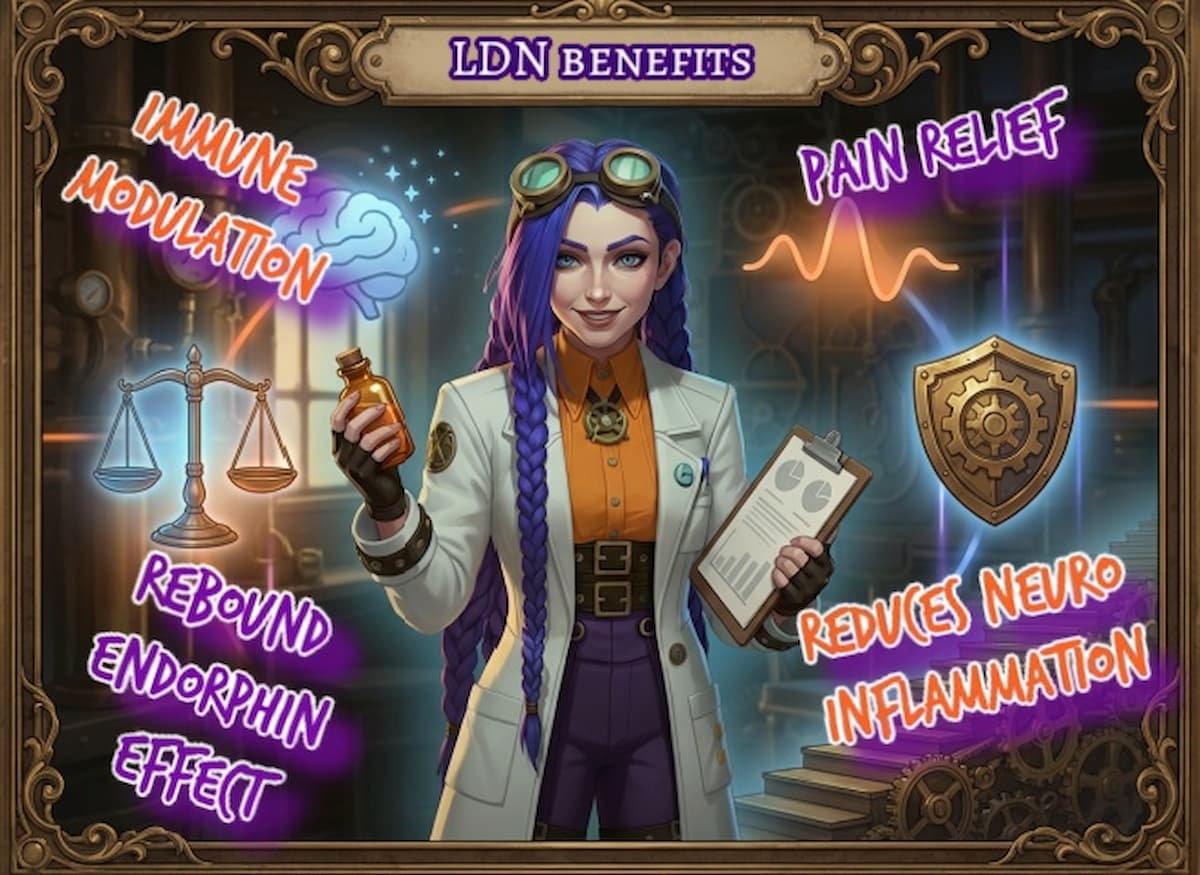
LDN modulates, not suppresses, the immune system
Unlike powerful immunosuppressants that shut down the immune system, LDN is believed to work more subtly. For someone with an autoimmune condition like Hashimoto’s, this means it might help calm the inflammatory attack without leaving them vulnerable. It’s about restoring balance, not brute force. A real-life example is a patient with Hashimoto’s who found that their TPO antibody levels decreased after 6 months on LDN, resulting in improved overall quality of life.
Benefits are gradual
Patience is key with LDN. It’s a marathon, not a sprint. While some people notice improvements within weeks, the full anti-inflammatory effects can take three to six months to become apparent. This slow and steady approach is what allows the body to gently recalibrate.
Pharmacist’s tip: “I often advise patients to keep a simple symptom diary. It’s easy to forget how you felt three months ago. A diary helps you see the gradual, positive trends in pain, energy, or sleep that you might otherwise miss, which is incredibly motivating.”
LDN requires specialist compounding
Standard pharmacies only stock 50mg naltrexone tablets. To get the precise, small doses needed for LDN therapy, you need a specialist compounding pharmacy, like Courier Pharmacy. They have the expertise to create the exact strength your prescriber recommends, ensuring you get the right dose every time.
Safety profile is favourable
When prescribed and dosed correctly, LDN is generally very well-tolerated. The most common side effects, such as vivid dreams or sleep disturbances, are often temporary. They can usually be managed by simply adjusting the timing of the dose. For instance, by taking it in the morning instead of at night [2].
It’s an ‘Off-Label’ prescription
In the UK, LDN is prescribed ‘off-label’ for conditions like pain and inflammation. This simply means it’s being used for a purpose other than what it was originally licensed for. This is a very common and perfectly legal practice for many well-established medicines where new benefits have been discovered over time.
How LDN works differently from standard naltrexone
To really get your head around the benefits of low-dose naltrexone, it helps to know where it came from. In its standard form, naltrexone is given at high doses, usually 50mg to 100mg, to help people overcome addiction. At that strength, it puts a complete, long-term block on the body’s opioid receptors.
But at a tiny fraction of that dose—typically just 1.5mg to 4.5mg—LDN works in a completely different, almost opposite, way. Instead of a lasting blockade, it creates a very brief and gentle one.
This short-lived action is just enough to send a clever signal to your body: “We need more of our own natural feel-good chemicals.”
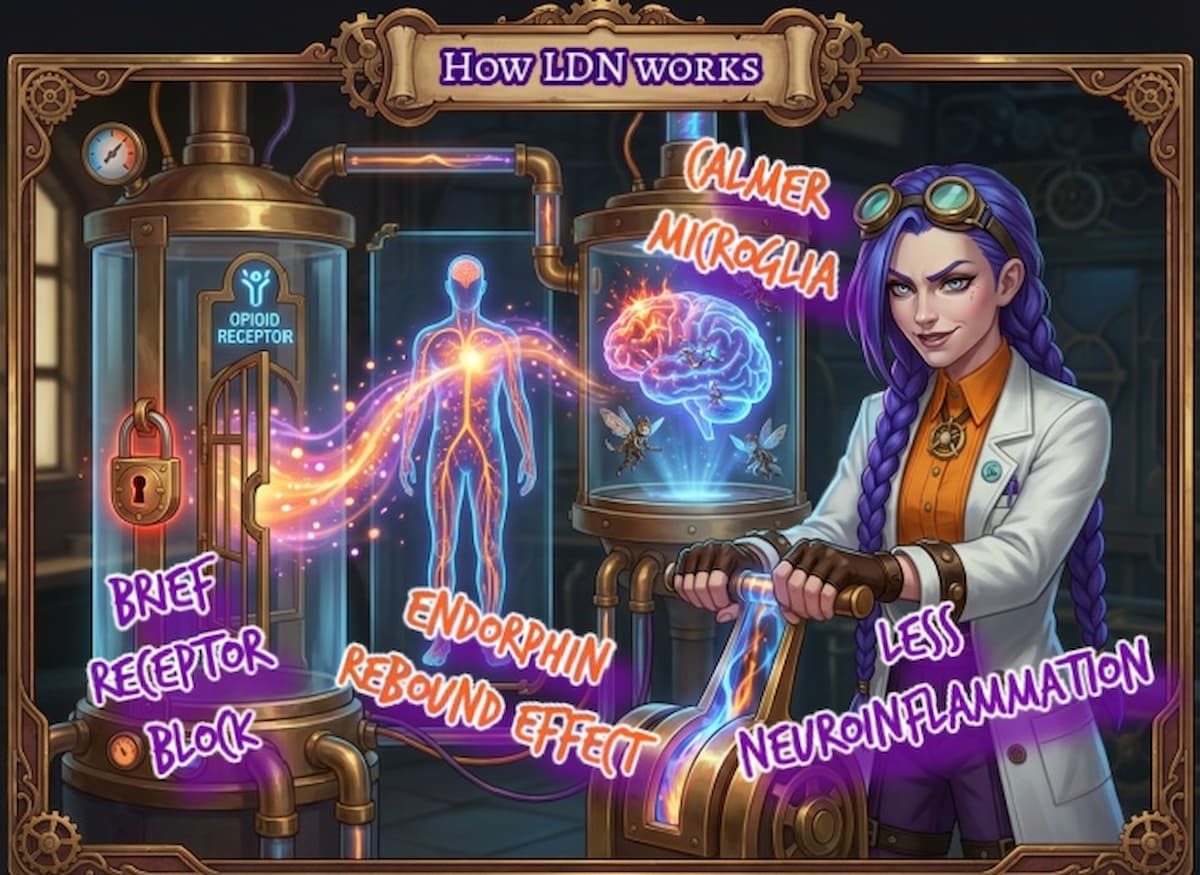
The endorphin rebound effect
Think of it like a light switch that’s stuck on a dim setting. LDN comes along and briefly flicks that switch completely off. In response, your body’s internal wiring goes into overdrive, flooding the circuit with power so that when the switch comes back on, the light is much brighter than before.
This is the heart of LDN’s main mechanism. By temporarily blocking opioid receptors for just a few hours overnight, it nudges your brain to ramp up its production of endorphins—your body’s own built-in pain relievers and mood lifters. This “rebound effect” leads to higher endorphin levels for the rest of the day, which can translate into less pain and a better sense of wellbeing [3].
This clever biological trick is a key reason why so many people report feeling better overall. You can find out more about the specific ways LDN can work for you in our detailed article.
Calming overactive immune cells
Boosting endorphins is only half the story. Low dose naltrexone has another vital job that makes it so promising for chronic, inflammatory conditions. It has a profound calming effect on specific immune cells in your central nervous system called microglia [3].
In a healthy person, microglia are the brain’s housekeepers, clearing out debris and protecting it from threats. But in many chronic illnesses—from fibromyalgia and ME/CFS to autoimmune disorders—these cells can get stuck in a permanently activated state.
“When microglia are constantly ‘switched on,’ they release a steady stream of inflammatory chemicals. This neuroinflammation is now understood to be a major driver of symptoms like widespread pain, crushing fatigue, and brain fog.”
LDN seems to quieten these overactive microglia. By binding to different receptors on their surface (Toll-like receptors), it helps to turn down the volume on this persistent inflammation. This action can get to the root cause of many debilitating symptoms, rather than just papering over the cracks. It’s this dual-action approach that really sets LDN apart [1].
This visual highlights how LDN’s benefits are rooted in its unique biological actions. This is why safe access through a proper prescription is so important.
Why the dose makes all the difference
The distinction between standard-dose naltrexone and LDN couldn’t be more critical. One is a complete shutdown, while the other is a gentle, temporary nudge that sparks a positive response.
- Standard Naltrexone (50mg+): Creates a constant, long-lasting blockade of opioid receptors. This is what makes it effective for addiction treatment.
- Low-Dose Naltrexone (0.5mg-4.5mg): Creates a brief, fleeting blockade. This intermittent action is what triggers the endorphin surge and helps regulate immune activity.
Trying to chop up a standard 50mg tablet is not just inaccurate; it’s unsafe. The tiny, precise doses needed for LDN have to be prepared by a specialist compounding pharmacy, like Courier Pharmacy. This is the only way to ensure you get the correct, effective amount every single time. Precision is absolutely key to getting the therapeutic effects you’re looking for.
Conditions that may benefit from Low Dose Naltrexone
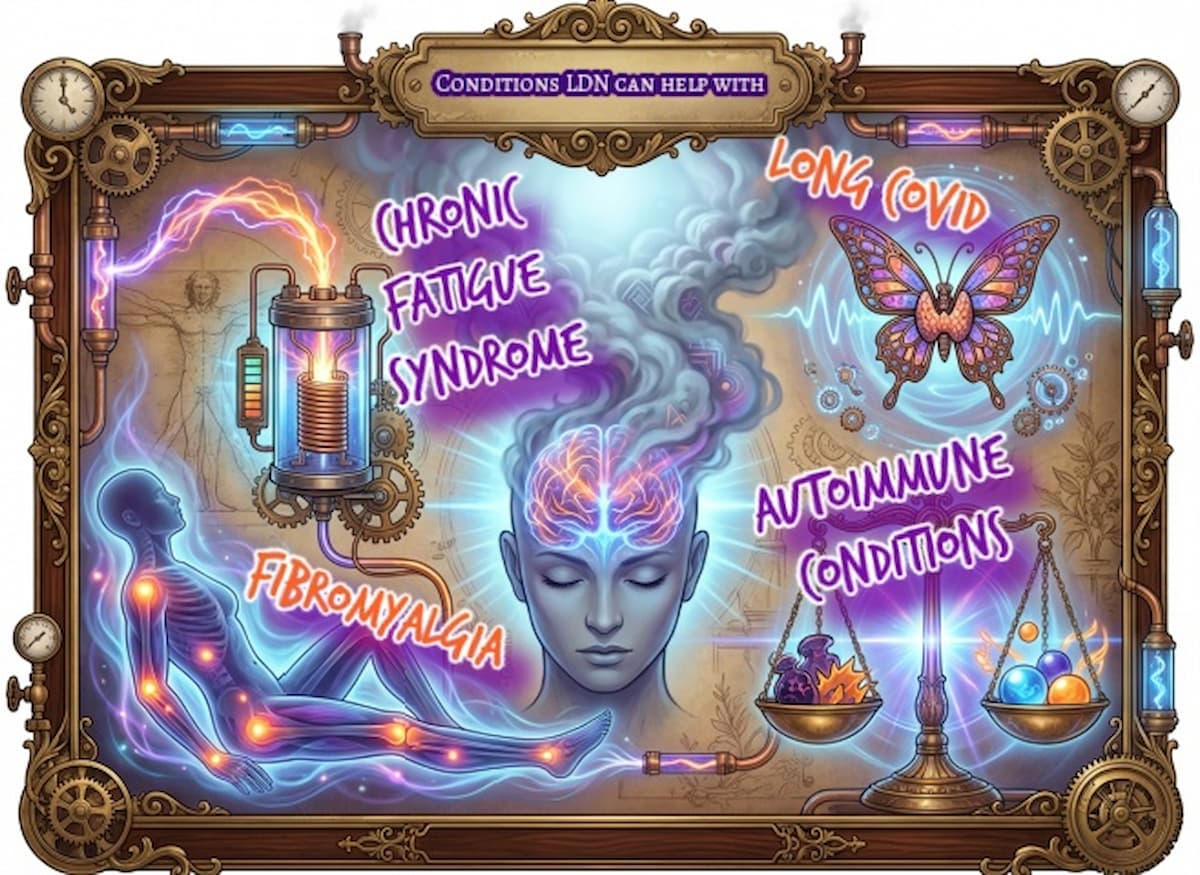
LDN’s unique, two-pronged approach—boosting our natural painkilling endorphins while calming inflammation—opens the door to its potential use in a range of chronic health conditions. Its real strength lies in its ability to modulate the immune system rather than shutting it down completely. This makes it a particularly interesting option where the body’s own defences have started to go wrong.
Let’s dive into some of the real-world applications for LDN. We will look at conditions where neuroinflammation and a haywire immune system are thought to be key players. We’ll explore how its targeted actions might help address the root causes of some truly debilitating symptoms.
This isn’t just theory or wishful thinking. In the UK, interest in LDN has grown significantly, with private prescriptions soaring over the last decade. One Glasgow pharmacy, for instance, supplied it to over 12,000 people between 2007 and 2017 alone. This surge shows just how many people are looking for different options when standard treatments for conditions like fibromyalgia don’t provide enough relief. You can read more about this trend in the full research publication.
Fibromyalgia: Widespread Pain and Fatigue
Fibromyalgia is defined by its relentless combination of widespread muscle pain, deep fatigue, and poor sleep. A big piece of the puzzle is “central sensitisation,” a state where the central nervous system gets stuck in high-alert mode, amplifying pain signals throughout the body.
Think of it like your body’s pain volume dial being cranked up to ten and getting jammed. LDN’s job is to try and turn that dial back down. It seems to do this by soothing overactive microglial cells in the brain and spinal cord.
When these immune cells are chronically switched on, they pump out inflammatory chemicals that directly fuel that central sensitisation. By dialling back this neuroinflammation, LDN can help lower the “volume” on pain, bringing relief from the constant ache that characterises fibromyalgia [4]. The endorphin kick from LDN also acts as your body’s own natural painkiller. For a deeper look, check out our guide on how LDN can help with fibromyalgia symptoms.
Myalgic encephalomyelitis/Chronic Fatigue Syndrome (ME/CFS)
Myalgic Encephalomyelitis, or Chronic Fatigue Syndrome (ME/CFS), is a complex and disabling illness. Its hallmark symptom is post-exertional malaise (PEM)—a severe worsening of all symptoms after even the slightest physical or mental effort [5].
A growing body of research points to immune system chaos and neuroinflammation as major drivers behind the profound fatigue and PEM that people with ME/CFS experience. This is where LDN’s immune-regulating effects could be so helpful. By encouraging the immune system to find a better balance and calming inflammation in the nervous system, LDN may improve energy production at a cellular level and lessen the severity of that dreaded post-activity “crash.”
Pharmacist’s tip: “Patience is crucial. While some people with ME/CFS feel better relatively quickly, the full anti-inflammatory benefits of LDN can take several months to build. Consistency is more important than a rapid dose increase.”
Long COVID: Neuroinflammation and brain fog
Many of the stubborn symptoms of Long COVID—especially “brain fog,” chronic fatigue, and widespread pain—look strikingly similar to what we see in ME/CFS and fibromyalgia. Evidence is piling up to suggest that persistent inflammation and immune system disruption following the initial infection are at the heart of the problem.
Specifically, the activation of those microglial cells in the brain is a prime suspect for the cognitive sludge—that brain fog—that so many with Long COVID find debilitating.
LDN’s potential for Long COVID stems from its ability to target this exact mechanism [5]. By calming these overstimulated immune cells in the brain, LDN may help:
- Reduce neuroinflammation, which could help clear the brain fog and sharpen thinking.
- Modulate the immune response, addressing the persistent, over-alert state of the immune system.
- Ease pain and fatigue, thanks to both its anti-inflammatory action and its endorphin-boosting effect.
For many, LDN is becoming an important part of a broader strategy to manage the long-term fallout from a viral infection.
Autoimmune conditions like Hashimoto’s
In autoimmune diseases like Hashimoto’s thyroiditis, the immune system gets its wires crossed and attacks the body’s own tissues—in this case, the thyroid gland. Standard treatments usually focus on damage control, such as replacing thyroid hormone that the gland can no longer produce efficiently.
LDN comes at it from a different angle, aiming to gently modulate the runaway autoimmune process itself.
It’s important to understand that LDN is not an immunosuppressant; it doesn’t just switch the immune system off. Instead, it acts more like a conductor, trying to restore harmony. By encouraging the release of endorphins, which help calm down over-enthusiastic immune cells, LDN may reduce the autoimmune assault on the thyroid. This can lead to fewer symptoms and a better quality of life.
Your guide to LDN dosing, side effects, and safety
Starting any new medicine naturally comes with questions. What should I expect? What’s normal? With Low Dose Naltrexone, the whole process is designed to be gentle and patient-focused. It’s all about finding the dose that works best for your body while keeping side effects to a minimum. Getting your head around this process is the first step to having a confident, productive chat with your healthcare provider.
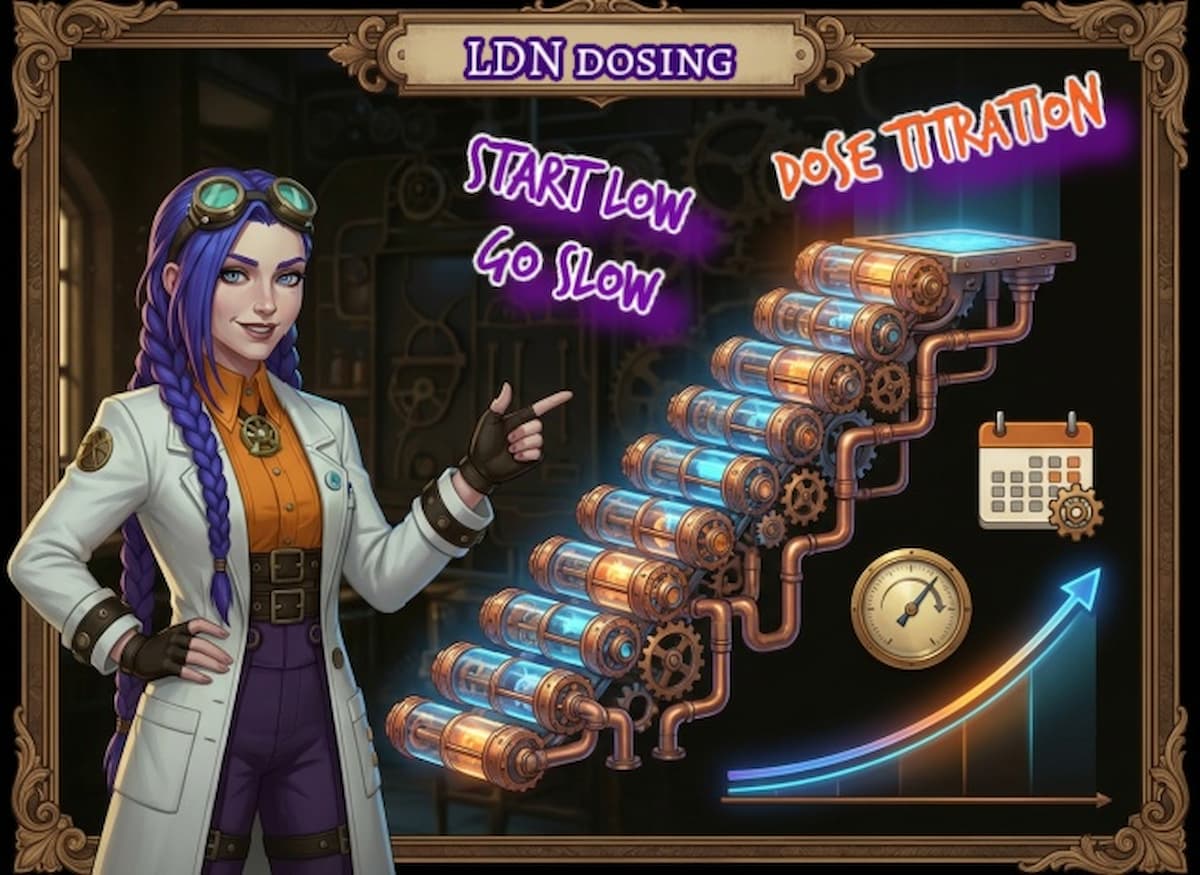
The absolute golden rule for starting LDN is “start low, go slow.” This isn’t just a friendly suggestion—it’s the standard practice that ensures you have the smoothest experience possible. This careful, step-by-step method gives your body time to adjust, dramatically reducing the risk of side effects and helping you find your personal ‘sweet spot’ dose.
The titration process: What it means
“Titration” sounds technical, but it’s really simple. It just means slowly increasing your dose over time to find that perfect balance between the benefits you’re getting and any side effects you might feel. For LDN, this almost always starts with a tiny dose, usually 0.5mg or 1.5mg, taken once a day.
Your prescriber will map out a schedule for you, typically suggesting you increase the dose every one to two weeks. The common goal for many people is a maintenance dose of 4.5mg per day, but it’s so important to remember this isn’t a race. Listen to your body, be patient, and keep your provider in the loop.
Common side effects that don’t stick around
LDN is known for being very well-tolerated, but some people do notice mild, temporary side effects, especially when they first start and are increasing their dose [2]. The ones that pop up most often are:
- Vivid dreams or sleep Issues: This is probably the most common one people mention.
- Mild headaches: These can happen as your system gets used to the medication.
- Nausea or an upset stomach: This is less common, but some people report it at the beginning.
Pharmacist’s tip: “If you find your sleep is disturbed or your dreams are a bit too wild, the fix is often incredibly simple. Just try taking your dose with breakfast in the morning instead of at bedtime. For most people, this completely solves the problem without changing how well the medication works.”
Critical safety information you must know
While LDN has an excellent safety record, there are a few non-negotiable rules. The single most important rule is that LDN must not be taken with any opioid-based medications. This includes prescription painkillers like tramadol and codeine. Taking them together can trigger sudden and very unpleasant withdrawal symptoms. You must also inform your prescriber if you are having surgery or have severe liver problems.
How to get an LDN prescription in the UK
Trying to access less common treatments through the healthcare system can often feel like an uphill battle. But when you know the right steps, getting a prescription for Low Dose Naltrexone in the UK is actually a clear, straightforward process.
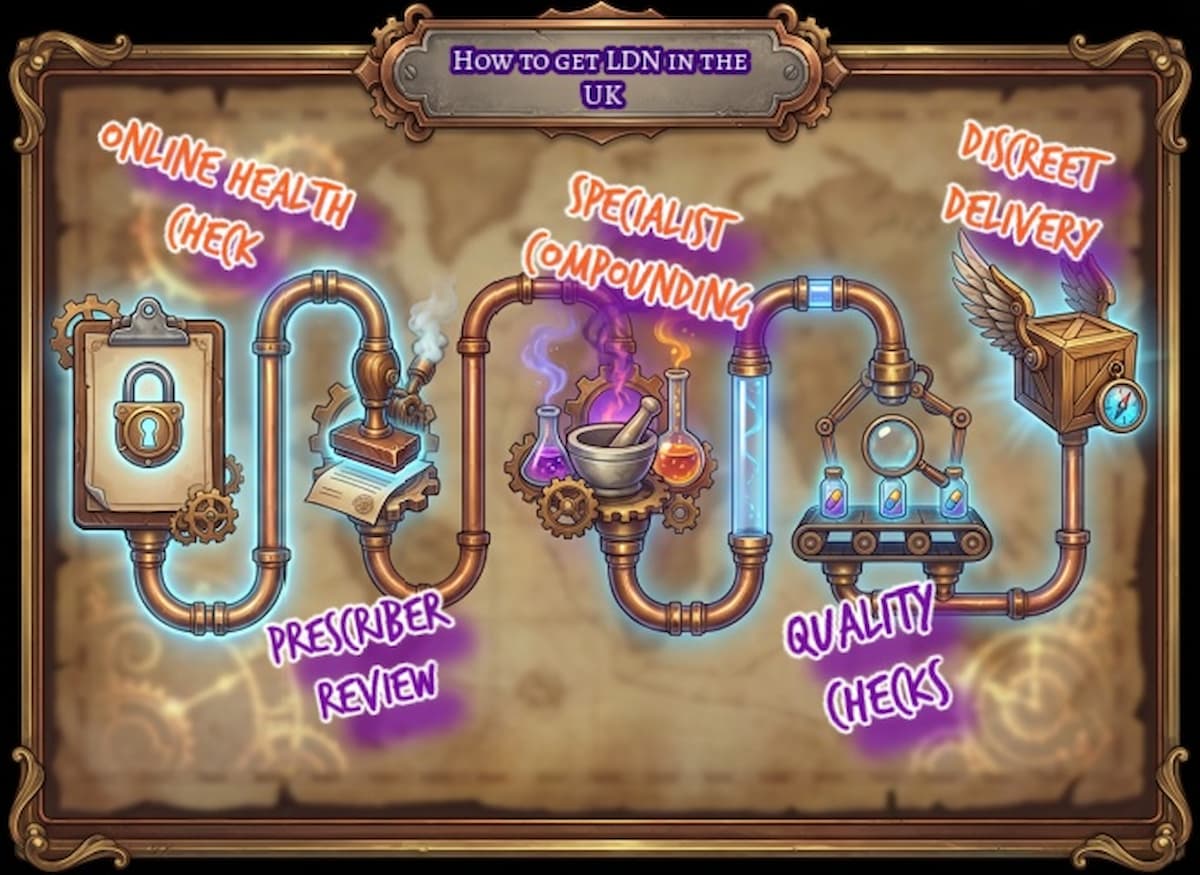
Because LDN is prescribed ‘off-label’ for pain and inflammation, it isn’t a treatment you can typically get through the NHS. The good news is that a safe, fully regulated private pathway is available. This journey starts with a secure, in-depth consultation and ends with precisely formulated medication arriving at your front door.
Your step by step journey to accessing LDN
Getting LDN safely involves a few key stages. Each one is designed to make sure the treatment is right for you and is prepared to the highest possible quality standards.
- Secure online consultation: The first step is to complete a comprehensive online questionnaire detailing your health history, symptoms, and current medications.
- Review by a GPhC-registered prescriber: Your form is then carefully reviewed by a UK-based, General Pharmaceutical Council (GPhC) registered prescriber to assess your suitability.
- Prescription and compounding: If suitable, a prescription is sent directly to a specialist compounding pharmacy.
Pharmacist’s tip: “Never try to cut up a standard 50mg naltrexone tablet yourself. It is impossible to achieve an accurate or consistent low dose, which is critical for the medication to work as intended and can be unsafe.”
The role of a compounding pharmacy
A compounding pharmacy in the UK is a specialist facility with the expertise and equipment to create bespoke medications. For LDN, this means taking pure, pharmaceutical-grade naltrexone powder and formulating it into precise, custom-strength capsules or liquids tailored to your prescription. This structured, professional process removes the guesswork from accessing LDN safely and effectively.
What to expect on your LDN journey
Think of starting Low Dose Naltrexone as a marathon, not a sprint. It’s not a magic cure, but it can be an incredibly valuable tool for calming chronic symptoms and improving your quality of life. The key is to approach it with patience and a clear idea of what to expect.
The main low dose naltrexone benefits—like reduced pain, less inflammation, and better energy—don’t happen overnight. Some people feel a difference within a few weeks. However, many find it takes a good three to six months to see the full picture as your body slowly adjusts and finds its new balance. Consistency is everything; taking your dose every day allows the medication to work its magic behind the scenes.
Pharmacist’s tip: “Try keeping a simple daily journal to track your symptoms, sleep, and energy levels. It helps you and your prescriber spot the subtle but important progress over time, which can be a huge motivator when you’re having a tough day.”
Summary: Key Low Dose Naltrexone benefits
Low Dose Naltrexone offers a unique approach to managing chronic conditions driven by inflammation and immune dysregulation. By gently modulating the immune system and boosting the body’s natural endorphins, it aims to address the root causes of symptoms rather than just masking them. The key benefits of LDN include:
- Pain and inflammation reduction: By calming overactive immune cells in the nervous system, LDN can lower the persistent pain and inflammation common in conditions like fibromyalgia and ME/CFS.
- Improved quality of life: Reduced symptoms often lead to better sleep, increased energy, and an improved sense of wellbeing.
- Favourable safety: LDN is well-tolerated by most people, with mild and temporary side effects.
- Empowerment: It provides a proactive treatment option for patients who feel they have run out of effective choices.
Success with LDN requires patience, a “start low, go slow” dosing approach. It also requires a strong partnership with a knowledgeable prescriber and compounding pharmacy.
Frequently Asked Questions (FAQs)
Can I take LDN with other medications?
It’s absolutely crucial to tell your prescriber about every single thing you take. The biggest rule is that LDN cannot be taken with opioid-containing medications (like codeine or tramadol). Doing so can trigger sudden withdrawal symptoms. Always discuss your full medication list with your prescriber.
How long until I see the benefits of LDN?
Patience is essential. While some people notice improvements within weeks, it typically takes 3 to 6 months to experience the full anti-inflammatory benefits of LDN. Consistent daily dosing is key.
Why do I need a special pharmacy for LDN?
Standard pharmacies only stock 50mg naltrexone tablets, which is over ten times the typical LDN dose. A specialist compounding pharmacy is required to create the precise, low doses (e.g., 1.5mg, 4.5mg) needed for therapy. This ensures accuracy and safety. For more background, you can read about the evolution of Low Dose Naltrexone.
Is LDN safe for long-term use?
Current clinical experience and patient data suggest LDN has an excellent safety profile for long-term use. Many people use it for years to manage chronic conditions with sustained benefits. Regular check-ins with your prescriber are recommended to monitor your progress.
Disclaimer: This article is for informational purposes only and is not a substitute for professional medical advice.
References:
[1] Courier Pharmacy (n.d.) The evolution of low dose naltrexone. Available at: https://courierpharmacy.co.uk/the-evolution-of-low-dose-naltrexone/ (Accessed: 31 January 2026).
[2] Courier Pharmacy (n.d.) What are the side effects of low dose naltrexone? Available at: https://courierpharmacy.co.uk/what-are-the-side-effects-of-low-dose-naltrexone/ (Accessed: 31 January 2026).
[3] Courier Pharmacy (n.d.) How does LDN work? Available at: https://courierpharmacy.co.uk/how-does-ldn-work/ (Accessed: 31 January 2026).
[4] Courier Pharmacy (n.d.) Low dose naltrexone for fibromyalgia: a UK patient’s guide. Available at: https://courierpharmacy.co.uk/low-dose-naltrexone-for-fibromyalgia-a-uk-patient’s-guide/ (Accessed: 31 January 2026).
[5] Courier Pharmacy (n.d.) What is chronic fatigue syndrome? Available at: https://courierpharmacy.co.uk/what-is-chronic-fatigue-syndrome/ (Accessed: 31 January 2026).
[6] Courier Pharmacy (n.d.) Can LDN help with long COVID? Available at: https://courierpharmacy.co.uk/can-ldn-help-with-long-covid/ (Accessed: 31 January 2026).