Home » Treatment » EpiPen 300mcg injection (twin pack)
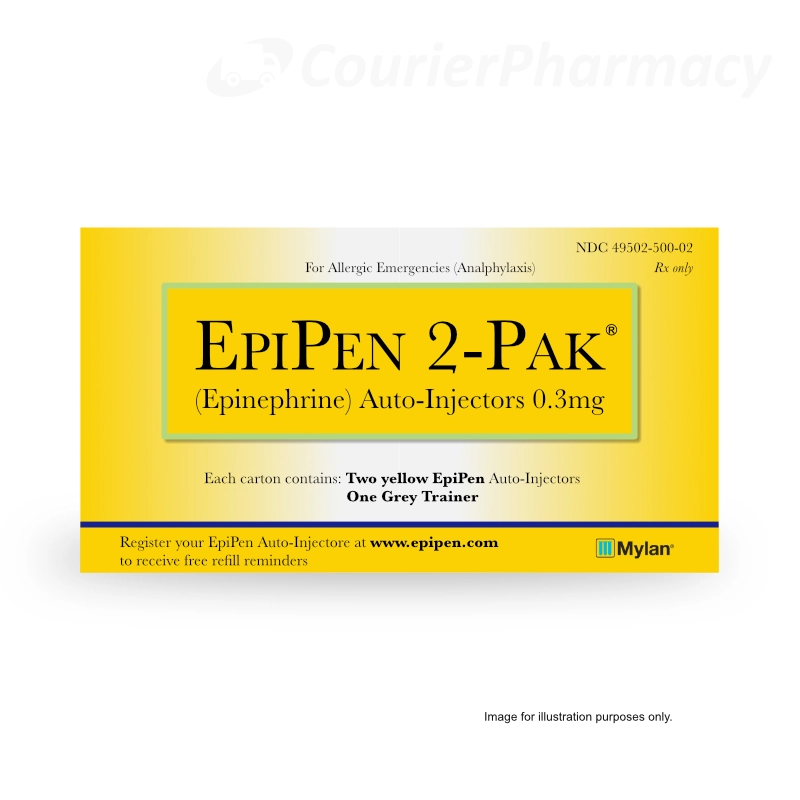
EpiPen 300mcg injection (twin pack)
from£179.99
EpiPen 300mcg is a prescription-only adrenaline auto-injector licensed in the UK for the emergency treatment of anaphylaxis in adults and children weighing over 25kg.
Each single-use pen delivers 300 micrograms of adrenaline into the outer thigh muscle.
Supplied as a twin pack, since patients should always carry two devices. Prescribed and dispensed in the UK by Courier Pharmacy with personalised online consultation, technique training, GPhC-registered pharmacist oversight, and discreet home delivery.
EpiPen 300mcg is an intramuscular adrenaline (epinephrine) auto-injector for the emergency treatment of anaphylaxis. Each single-use pen delivers 300 micrograms of adrenaline in 0.3ml of a clear, colourless sterile solution.
You use EpiPen by pressing it firmly against the outer thigh. The pen then releases a spring-loaded needle and injects the dose into the muscle. The needle stays hidden until activation, which many people find reassuring. Also, you can use the device through clothing if needed.
EpiPen is single-use by design. After you activate it, some solution remains in the device and you can’t reuse it. So, you should always treat it as a one-shot emergency medicine.
The 300mcg strength usually comes as a twin pack of two pens. This matches MHRA guidance that people prescribed adrenaline auto-injectors should carry two in-date devices at all times.
We dispense EpiPen 300mcg from a UK-registered pharmacy. A UK prescriber reviews the prescription, and a GPhC-registered pharmacist checks the supply before dispatch. In other words, you get clinical oversight at each step.
Many people prefer EpiPen because they trained with it first. Plus, UK emergency services recognise it, and training resources are widely available.
The technique is also simple: remove the blue cap, press the orange tip against the outer thigh, and hold for 3 seconds. However, your allergy specialist should confirm the right device and dose for you, especially if your plan includes alternatives such as EURneffy.
Key features and specifications
Active ingredient: Adrenaline (epinephrine) 300 micrograms per 0.3ml dose
Indication: Emergency treatment of anaphylaxis from insect stings/bites, foods, drugs, and other allergens, including idiopathic and exercise-induced anaphylaxis
Suitable for: Adults and children with a body weight above 25kg
Needle length (exposed): Approximately 15mm
Route: Intramuscular injection into the anterolateral thigh (through clothing if necessary)
Excipients with known effect: Sodium metabisulphite (E223)
Storage: Store below 25°C; do not refrigerate or freeze; protect from light
Legal status: Prescription Only Medicine (POM)
UK marketing authorisation holder: Viatris Products Limited
A bite of someone else’s biscuit at a party. A wasp sting in a beer garden. A new medicine that turns out to be the wrong one. Anaphylaxis can arrive with no warning, and when it does, adrenaline given quickly is what gets you through to the ambulance. EpiPen 300mcg is the UK’s longest-established adrenaline auto-injector, prescribed to adults and older children since the 1980s. It’s the device most allergy clinics still reach for first, and the device most people picture when they think of an emergency pen. At Courier Pharmacy, we believe healthcare should fit you, not the other way round. Whether you’re newly diagnosed with a food allergy, caring for a teenager with severe nut allergy, or managing MCAS care that takes anaphylaxis risk seriously, this page is here to help.
Five key takeaways
EpiPen 300mcg is a single-use adrenaline (epinephrine) auto-injector that delivers a 300 microgram intramuscular dose for the emergency treatment of anaphylaxis.
It’s licensed for adults and children with a body weight above 25kg; children weighing 7.5-25kg should use EpiPen Jr 150mcg instead.
Patients should always carry two in-date EpiPen auto-injectors, since a second dose may be needed 5-15 minutes after the first if symptoms don’t improve.
Inject into the outer thigh (‘blue to the sky, orange to the thigh’), through clothing if necessary, then call 999 and ask for an ambulance saying ‘anaphylaxis’.
Courier Pharmacy supplies EpiPen 300mcg through online prescriber consultation, personalised technique training, GPhC-registered pharmacist oversight, and free fortnightly community clinics in Derby.
Treatment dosage EpiPen 300mcg
The recommended adult dose is 300 micrograms of adrenaline given intramuscularly at the first sign of anaphylaxis. For paediatric use, dose is broadly based on weight: 150 micrograms (EpiPen Jr) for children weighing 7.5-25kg, and 300 micrograms (EpiPen 300mcg) for children weighing more than 25kg. The dose can also be adjusted by a prescribing physician based on the individual case, recognising that anaphylaxis is life-threatening.
Inject into the anterolateral (outer) aspect of the thigh, not the buttock and not the inner thigh. The pen is designed to be activated through clothing if needed, which can save vital seconds. Hold the device firmly against the thigh for about 3 seconds after activation, then remove and massage the injection site for 10 seconds. After use, call 999 immediately, ask for an ambulance, and say ‘anaphylaxis’ clearly so the responders know what they’re coming to.
If symptoms continue or deteriorate, a second injection from a fresh EpiPen can be given 5 to 15 minutes after the first, ideally into the opposite thigh. This is why two devices must be carried at all times. People with a thick subcutaneous fat layer may have a higher chance of the adrenaline not fully reaching the muscle, which makes carrying two pens even more important. Children weighing under 15kg should be carefully monitored for signs of adrenaline overdose, since the dose-per-weight ratio is more variable in this group. The 0.3mg strength is not appropriate for children under 25kg.
Overview of EpiPen 300mcg
A UK-licensed adrenaline auto-injector for emergency anaphylaxis treatment
Delivers 300 micrograms of adrenaline intramuscularly into the outer thigh
Licensed for adults and children weighing more than 25kg
Supplied as a twin pack; both devices must be carried at all times
Available from Courier Pharmacy through online prescriber consultation and pharmacist-led training
Anaphylaxis is a sudden, severe allergic reaction that can be life-threatening within minutes. Around 1-2% of the UK population is at risk of anaphylaxis, with common triggers including foods (peanuts, tree nuts, milk, eggs, shellfish), insect stings, certain medications, and (less commonly) exercise or unknown causes. Adrenaline is the only definitive emergency treatment; it raises blood pressure, opens airways, and dampens the immune cascade.
EpiPen has been the most prescribed adrenaline auto-injector worldwide for over 35 years. Its dominance reflects clinical familiarity rather than any major pharmacological advantage over alternatives like Jext or Emerade; all three brands deliver intramuscular adrenaline, and all three are clinically effective when used correctly. The choice between them often comes down to which device you’re most comfortable using, since technique under pressure matters more than minor design differences.
The pen’s design hides the needle until activation, which helps overcome the needle phobia some people have. The orange tip turns the device into a directional cue (‘orange to the thigh’), and the click of activation gives confirmation that the injection has fired. None of this matters if the user hesitates, which is why training and practice with a demo device is one of the most important parts of being prescribed an EpiPen. People who have practised at least three times with a trainer use their real device more correctly under pressure.
It’s worth being honest about what EpiPen isn’t. It isn’t a treatment for the underlying allergy, just for the acute reaction. It isn’t a replacement for emergency services; you must call 999 every time you use one. It isn’t a single-shot solution either, because biphasic reactions (a second wave of symptoms hours later) occur in around 1-20% of anaphylaxis cases and can need further treatment. EpiPen also isn’t perfect; in people with a thick subcutaneous fat layer, the 15mm needle may not reach the muscle every time, which is one of the reasons two devices are mandatory.
Many of our patients arrive after years of being handed prescriptions with minimal explanation. We don’t subscribe to that approach for a medicine where confident use under pressure could shape an outcome. Whether you’re managing peanut allergy, idiopathic anaphylaxis, MCAS care that takes you seriously, fibromyalgia overlap with mast cell symptoms, or chronic illness support that fits your life, the goal is a personalised plan you actually feel confident with.
Why choose Courier Pharmacy for EpiPen 300mcg
We started Courier Pharmacy because too many people were being handed prescriptions for emergency medicines with the briefest of explanations, no demo device, and no follow-up. For a treatment like EpiPen, where confident use under pressure shapes outcomes, that isn’t good enough. Personalisation means looking at your specific anaphylaxis pattern, your other medicines, your wider health context, and your relationship with auto-injectors, then deciding together whether EpiPen is the right fit, or whether a different brand or even the newer needle-free option (EURneffy) would suit you better.
Guidance carries through after the prescription is issued. Our GPhC-registered pharmacists are reachable for the smaller questions that often go unasked: am I storing it correctly? What if the solution looks pink? How do I check the expiry date is still valid? Our medical lead, the figure behind much of our clinical thinking, is Dr Ada Jex-Cori, an evidence-led, community-rooted clinician who built her practice on the belief that people with anaphylaxis risk deserve to be heard and prepared, not just prescribed. MCAS care that takes you seriously is central to that ethos.
Trust is the part that has to be earned, not claimed. We’re a UK-regulated pharmacy, we publish our processes, we tell you when something isn’t suitable, and we’ll always recommend liaison with your immunologist or allergist if your situation warrants specialist oversight rather than a prescription from us alone. We’d rather lose a sale than place an emergency medicine where it doesn’t belong. Whether you’re navigating food allergies, idiopathic anaphylaxis, MCAS care, fibromyalgia support with mast cell overlap, or chronic illness care that fits your life, we’ll meet you where you are.
Buy EpiPen 300mcg (Prescription Only) from Courier Pharmacy
EpiPen 300mcg is a Prescription Only Medicine (POM) in the UK. Because anaphylaxis is high-stakes and correct device use matters enormously, we don’t supply EpiPen on a quick tickbox alone. Our consultation includes specific questions about your anaphylaxis history, your current emergency plan, any cardiovascular conditions, your other medicines, and your existing prescriber’s involvement. Here’s how the process works at Courier Pharmacy:
Complete a quick online consultation
A UK prescriber reviews your answers
If approved, a prescription is issued
We dispense and deliver discreetly to your door
We’ll also provide access to a demo device and clear step-by-step technique guidance, and we’ll strongly encourage liaison with your immunologist or allergist if you’re not already established with one. If it isn’t suitable for you, we’ll explain why and suggest the next best option. Sometimes that’s referral to a specialist allergy clinic, sometimes it’s a different adrenaline auto-injector brand or the needle-free EURneffy nasal spray, sometimes it’s a conversation about whether your current emergency plan needs reviewing. We also run free fortnightly drop-in clinics and talks at Insomnia, Derby, 12 to 1pm. No appointment, no cost, no obligation.
Active ingredient in EpiPen 300mcg
The active ingredient is adrenaline (also called epinephrine), 300 micrograms per 0.3ml dose. Adrenaline is a hormone produced naturally by the adrenal glands in response to stress, fear or threat. When given exogenously during anaphylaxis, adrenaline acts on alpha-adrenergic receptors to raise blood pressure and reduce tissue swelling, and on beta-adrenergic receptors to open the airways, stabilise mast cells (reducing further release of inflammatory mediators), and increase heart rate. This combined adrenergic action can reverse the cardiovascular collapse and airway obstruction of anaphylaxis within minutes.
EpiPen 300mcg also contains sodium chloride, sodium metabisulphite (E223) as a preservative, hydrochloric acid (to adjust pH), and water for injections. The sodium metabisulphite content is clinically relevant: it can rarely cause hypersensitivity reactions including allergic symptoms or asthma exacerbations in susceptible people, particularly those with a history of asthma. However, in the context of life-threatening anaphylaxis, the benefit of giving adrenaline always outweighs the theoretical risk of the preservative. The adrenaline concentration is 1 in 1,000 (1mg/ml), the standard BP strength for intramuscular use. About 1.7ml of the 2ml solution remains in the device after firing, which is unavoidable design space rather than a usable reserve.
What is EpiPen 300mcg for?
EpiPen 300mcg is licensed for the emergency treatment of anaphylaxis (severe allergic reactions) caused by insect stings or bites, foods, medicines or other allergens, and idiopathic or exercise-induced anaphylaxis. It's approved for adults and children weighing more than 25kg. The pen is designed to be used by a lay person (the patient themselves or anyone helping) as the first emergency step before paramedics arrive.
Anaphylaxis can present in many ways, but the key features include sudden onset and rapid progression of one or more of: difficulty breathing or wheeze, swelling of the tongue, lips, throat or face, hoarse voice or stridor, severe abdominal pain or vomiting, a sudden drop in blood pressure (often with dizziness or collapse), and widespread urticaria or angioedema. Skin symptoms alone aren't enough to diagnose anaphylaxis; the systemic features are what define it. The MHRA's guidance is clear: if in doubt, use the pen. The risk of giving adrenaline unnecessarily is much smaller than the risk of withholding it during a real anaphylaxis episode.
EpiPen 300mcg is not licensed for asthma attacks (which need salbutamol and steroids), for milder allergic reactions like hives without systemic features, or for treating angioedema not driven by allergic mechanisms (hereditary angioedema needs different treatments). It's also not suitable for children weighing under 25kg, who should use EpiPen Jr 150mcg instead. A note on chronic illness contexts: people with MCAS, hereditary alpha-tryptasemia, or systemic mastocytosis often have anaphylaxis risk that needs specialist input, and we'll always recommend liaison with your immunologist or allergist when prescribing EpiPen in that context. Our team can support that conversation rather than working around it.
How does EpiPen 300mcg work?
Anaphylaxis happens when the immune system mounts a massive systemic reaction to a perceived threat. Mast cells and basophils throughout the body release histamine, tryptase, leukotrienes and other inflammatory mediators all at once. This causes blood vessels to dilate and leak (dropping blood pressure), airways to constrict and swell (causing wheezing and stridor), heart rate to rise erratically, and the gastrointestinal tract to contract painfully. Without rapid treatment, severe anaphylaxis can be fatal within minutes.
Adrenaline reverses these effects directly. Its alpha-1 action constricts blood vessels (raising blood pressure and reducing tissue swelling), while its beta-2 action relaxes the smooth muscle of the airways (easing breathing) and stabilises mast cells (reducing further mediator release). Beta-1 action increases cardiac output, helping perfusion. The combined effect can pull someone out of cardiovascular collapse and airway obstruction within minutes, which is why early adrenaline matters more than antihistamines or steroids in acute anaphylaxis.
The intramuscular route is preferred over subcutaneous (under the skin) injection because muscle has a richer blood supply, so adrenaline is absorbed faster and more reliably. The anterolateral thigh is chosen because it's a large, accessible muscle that's relatively safe from major blood vessels and nerves, and because it can be reached easily through clothing in an emergency. Subcutaneous adrenaline (which used to be the standard) can take much longer to reach therapeutic blood levels, particularly in shock states where peripheral circulation is reduced.
After injection, adrenaline begins to act within 1 to 5 minutes and reaches peak blood concentration at around 10 minutes for the EpiPen device specifically. Effects last roughly 15 to 30 minutes. The brief duration is why a second dose can be needed if symptoms don't improve or rebound, and why emergency services must always be called even after a successful first dose. Biphasic reactions occur in around 1-20% of anaphylaxis cases, with the second wave potentially appearing hours later when no one's expecting it.
In people with a thick subcutaneous fat layer at the thigh, the 15mm exposed needle may not always reach the muscle layer. When this happens, the adrenaline is deposited subcutaneously instead, which produces slower and less reliable absorption. This is one of the reasons two pens are mandatory: the second can be given into a different thigh angle or location if the first didn't appear to work. EpiPen's needle length and propulsive force have been studied in head-to-head pharmacokinetic comparisons with other brands, and the device performs reliably in the first 30 minutes for the majority of users.
How to use EpiPen 300mcg
At the first sign of anaphylaxis, don't wait to be sure. Use the EpiPen. Take the pen out of its plastic carry case. Hold it by the middle in your dominant hand, with your thumb closest to the blue safety cap. Form a fist around the pen and pull the blue safety cap straight off with your other hand. The phrase to remember is 'blue to the sky, orange to the thigh'.
Position the orange tip approximately 10cm away from the outer (anterolateral) part of your thigh, then push the pen firmly against the leg at a 90-degree angle until you hear a click. Hold the pen against the thigh for about 3 seconds to ensure the full dose is delivered. Remove the pen and massage the injection site for around 10 seconds. The needle is hidden again after use. Don't try to recap or reuse the device; place it back in the carry case so the paramedics can take it with you to hospital. Call 999 immediately and say 'anaphylaxis' clearly.
Practical tips from our pharmacists: practise the technique with a trainer device (your prescriber can arrange one) at least three times before you need it for real, since muscle memory matters under pressure; carry two pens everywhere, since one may not be enough; tell people close to you (family, friends, colleagues, school staff) how to use the pen and where you keep it; replace devices before their expiry date even if unused; and check the viewing window monthly. Adrenaline turns pink or brown when it deteriorates, so a discoloured solution means the pen has expired or been damaged and should be replaced. Lie down with feet elevated if possible, or sit up only if you're struggling to breathe, and don't stand even if you feel better.
Warnings and precautions for EpiPen 300mcg
EpiPen has no absolute contraindications in the setting of a life-threatening allergic emergency, because the benefit of giving adrenaline almost always outweighs the theoretical risks. However, certain groups need extra care during prescribing and during ongoing use. People with cardiovascular disease (ischaemic heart disease, coronary artery disease, arrhythmias, severe hypertension, cardiomyopathy) are more vulnerable to adrenaline-related side effects including raised blood pressure, arrhythmias and angina. This doesn't stop them from using EpiPen in an emergency, but it makes the conversation with a specialist about the wider treatment plan more important.
Hyperthyroidism, Parkinson's disease, diabetes and low blood potassium can all be temporarily worsened by adrenaline. Older adults are theoretically at slightly higher risk of cardiovascular side effects. Pregnant women can still use EpiPen in anaphylaxis when needed, since the risk of untreated anaphylaxis to mother and baby far outweighs the theoretical risk of the medicine. Children weighing under 15kg need to be carefully monitored for signs of adrenaline overdose, and the 300mcg strength is not appropriate for any child under 25kg.
Sodium metabisulphite (E223) in EpiPen can rarely cause allergic-type reactions, including more severe asthma in susceptible people. People with significant asthma are at increased risk of severe anaphylactic reactions in general, and asthma should be well-controlled in anyone prescribed an EpiPen. The presence of metabisulphite isn't a reason to avoid EpiPen in an emergency, but it's a reason to take asthma management seriously alongside the allergy plan.
Important practical safety points. EpiPen should only be injected into the outer thigh, never into the buttock (which has too much fat and the adrenaline won't absorb properly) or the hand (where accidental injection into a finger has caused tissue ischaemia). Don't try to remove the safety cap and put it back on, since the device can fire prematurely. If accidental injection into the hand happens, go to A&E urgently for monitoring; this is one of the more common avoidable mishaps with auto-injectors. Storage matters: keep EpiPen below 25°C, away from direct sunlight, and don't refrigerate or freeze. A pen left in a hot car or a freezing winter coat pocket may not deliver a reliable dose.
Patient training matters more for adrenaline auto-injectors than for many medicines. Studies have repeatedly shown that even experienced users make technique errors under pressure. Our team will arrange a demo device for you, walk through the technique on a video call where helpful, and encourage family members to practise too. The MHRA toolkit and Resuscitation Council UK resources are excellent supplementary materials we'll point you toward.
Side effects of EpiPen 300mcg
Common side effects of EpiPen reflect adrenaline's expected pharmacology rather than a hypersensitivity to the medicine itself. Most users experience some combination of palpitations (rapid heartbeat), tremor, sweating, headache, anxiety or feelings of nervousness, pallor (pale skin), and a feeling of jitteriness for 10 to 30 minutes after injection. These are short-lived and reflect the action of adrenaline on adrenergic receptors throughout the body.
Less common effects include chest discomfort, nausea or vomiting, weakness, dizziness, and a sense of impending doom (which is a documented effect of adrenaline that doesn't actually reflect a real threat). Local effects at the injection site can include bruising, redness or temporary numbness; these usually settle within a day. People with significant subcutaneous fat may notice a more pronounced local reaction if the adrenaline didn't fully reach the muscle layer.
Rarer but more serious effects can include cardiac arrhythmias (particularly in people with pre-existing heart disease), hypertensive crisis, cerebral haemorrhage from a sharp rise in blood pressure, pulmonary oedema from peripheral vasoconstriction combined with cardiac stimulation, and very rarely myocardial infarction. These risks are higher in people with significant cardiovascular disease and in cases of overdose, but they should never be a reason to withhold adrenaline in genuine anaphylaxis.
Accidental injection into the hand or foot can cause tissue ischaemia from vasoconstriction in the small vessels. This is a recognised mishap that needs urgent medical assessment (usually at A&E) with possible treatment using a local vasodilator. The chances of accidental injection are reduced by careful adherence to the 'blue to the sky, orange to the thigh' technique and by never removing the blue safety cap until ready to inject.
Suspected side effects can and should be reported to the MHRA via the Yellow Card scheme at yellowcard.mhra.gov.uk. For auto-injector reports specifically, include the strength and batch number on your report; this supports ongoing safety monitoring of device performance.
Drug interactions with EpiPen 300mcg
Several medicines can interact with adrenaline. Tricyclic antidepressants (amitriptyline, nortriptyline, dosulepin), monoamine oxidase inhibitors, and some Parkinson's disease treatments (levodopa, certain dopamine agonists) can intensify the cardiovascular effects of adrenaline. In emergency anaphylaxis this rarely changes the decision to give adrenaline, but it can mean side effects (palpitations, hypertension) are more pronounced.
Beta-blockers (propranolol, bisoprolol, metoprolol, atenolol, carvedilol) can blunt the therapeutic response to adrenaline by blocking the beta-adrenergic receptors it acts on. People on beta-blockers may need a second dose of EpiPen more often, and they may also be more prone to alpha-adrenergic side effects like raised blood pressure once the beta-blockade has been overcome. If you're on a beta-blocker for cardiovascular disease, mention this clearly during the consultation; sometimes the medicine can be reviewed and switched to something less likely to interfere with anaphylaxis treatment.
Cardiac glycosides (digoxin), mercurial diuretics and quinidine can sensitise the heart to adrenaline-induced arrhythmias. Diuretics that lower potassium can compound adrenaline's effect on serum potassium. ACE inhibitors and angiotensin receptor blockers don't pharmacokinetically interact with adrenaline but can complicate anaphylaxis treatment by reducing the body's compensatory responses to low blood pressure.
Levothyroxine and other thyroid medicines can intensify adrenaline's effects. Theophylline (used for asthma) can compound the cardiovascular stimulation. Some general anaesthetics (halothane, cyclopropane) are particularly likely to provoke adrenaline-related arrhythmias, although this is a concern during surgery rather than in community use. Diabetic patients on insulin or oral hypoglycaemics may need to monitor blood glucose after using EpiPen, since adrenaline temporarily raises blood glucose.
None of these interactions are reasons to avoid EpiPen in anaphylaxis; they're reasons to discuss the bigger medication picture during your consultation so we can advise on what to expect, what to monitor, and whether any of your regular medicines should be reviewed by your GP. There are no relevant interactions with the contraceptive pill, statins, common antibiotics, antihistamines, or most other regular medications. Alcohol doesn't pharmacokinetically interact with adrenaline, but heavy intoxication can complicate any emergency medical situation.
Frequently asked questions about EpiPen 300mcg
What is EpiPen 300mcg used for?
EpiPen 300mcg is licensed for the emergency treatment of anaphylaxis caused by insect stings or bites, foods, medicines, other allergens, and idiopathic or exercise-induced anaphylaxis. It's approved for adults and children weighing more than 25kg and delivers 300 micrograms of adrenaline intramuscularly when activated against the outer thigh.
How quickly does EpiPen 300mcg work?
Adrenaline begins to act within 1 to 5 minutes of intramuscular injection. Peak blood concentration is reached at around 10 minutes for the EpiPen device specifically. Effects last 15 to 30 minutes, which is why a second dose may be needed and why 999 must always be called.
Why do I need two EpiPen 300mcg devices?
A second injection may be needed 5 to 15 minutes after the first if symptoms continue or worsen. Around 10-20% of anaphylaxis episodes need a second dose. People with a thick subcutaneous fat layer may also have a higher chance of the first dose not fully reaching the muscle. MHRA guidance is to carry two in-date pens at all times.
How is EpiPen 300mcg different from Jext or Emerade?
All three deliver intramuscular adrenaline. The 300 microgram strength is available across EpiPen and Jext; Emerade additionally offers a 500 microgram strength. Needle length, propulsive force, and design vary slightly between brands. MHRA studies confirm all are clinically suitable for anaphylaxis emergencies in their licensed weight ranges. Choice often comes down to which device the patient is most comfortable using.
Should I still call 999 after using EpiPen 300mcg?
Yes, every time, even if you feel better. Anaphylaxis can rebound; biphasic reactions occur in around 1-20% of cases, sometimes hours later. Adrenaline's effects only last 15 to 30 minutes; the underlying allergic cascade can persist for hours. Call 999, say 'anaphylaxis' clearly, and stay where you are until paramedics arrive.
Can children use EpiPen 300mcg?
EpiPen 300mcg is licensed for children weighing more than 25kg. Children weighing 7.5-25kg should use EpiPen Jr 150mcg instead. Children weighing under 15kg need particularly careful monitoring for signs of adrenaline overdose if treated. For paediatric anaphylaxis planning, specialist allergy input is usually appropriate.
Can I use EpiPen 300mcg during pregnancy?
Yes, when needed. Adrenaline has been used in pregnancy for anaphylaxis for decades. The risk of untreated anaphylaxis to mother and baby vastly outweighs the theoretical risk of treatment. During an episode, pregnant women should lie on the left side to support blood flow to the placenta after the injection.
Is EpiPen 300mcg safe while breastfeeding?
Yes. Adrenaline has poor oral bioavailability (so any small amount in breast milk wouldn't be absorbed by the baby) and a very short half-life. Breastfeeding can continue normally after using EpiPen in an emergency. The infant doesn't need separation from the mother because of the medication itself.
How should EpiPen 300mcg be stored?
Store at room temperature below 25°C, away from direct sunlight. Do not refrigerate. Do not freeze. Keep in the original outer carton to protect from light. Don't leave EpiPen in a hot car in summer or a freezing winter coat pocket for extended periods, since temperature extremes can affect the adrenaline. Check the viewing window regularly; a pink or brown solution means the pen has expired or been damaged and should be replaced.
Does EpiPen 300mcg work through clothing?
Yes. The pen is designed to be injected through clothing if needed, which can save vital seconds in an emergency. The exposed needle length (approximately 15mm) is enough to push through most fabrics and reach the thigh muscle. Avoid trying to inject through thick seams (waistbands, zips) or layered winter clothing; aim for the outer (anterolateral) thigh where the fabric is usually a single layer.
What if I accidentally inject EpiPen 300mcg into my hand or finger?
Go to A&E immediately. Accidental injection into the hand or finger can cause tissue ischaemia from vasoconstriction in the small blood vessels. Treatment with a local vasodilator may be needed to restore blood flow. This is a recognised mishap that's reduced by careful technique: never remove the blue cap until ready, and keep your other hand well clear of the orange tip.
What if I take a beta-blocker?
Beta-blockers (propranolol, bisoprolol, metoprolol, atenolol) can blunt the response to adrenaline by blocking one of its key receptor pathways. People on beta-blockers may need a second dose more often. This doesn't stop you from using EpiPen in an emergency, but it's worth reviewing whether the beta-blocker can be switched to something less likely to interfere. Mention beta-blockers clearly during your consultation.
Can people with MCAS use EpiPen 300mcg?
Yes. Anaphylaxis risk is real in MCAS, and adrenaline auto-injectors are routinely prescribed for MCAS patients with this risk. Some MCAS patients are sensitive to sodium metabisulphite (an excipient in EpiPen); in those cases, alternative brands without metabisulphite may be preferable. We always review the full ingredient list during your consultation if you have known mast cell reactivity.
How is EpiPen 300mcg different from EURneffy nasal spray?
EpiPen delivers adrenaline by intramuscular injection into the thigh; EURneffy delivers adrenaline through the nasal lining as a spray. Both reach therapeutic blood levels within minutes. EpiPen has decades of clinical experience and emergency-services familiarity behind it; EURneffy is needle-free, more temperature-stable, and has a longer shelf life. Many people now choose to carry one of each, or stick with what they're trained on.
Can I practise using EpiPen 300mcg before I need it?
Yes, and you should. A trainer device (containing no adrenaline and no needle) is available so you can practise the technique without using a real EpiPen. We strongly recommend ordering a demo device alongside your prescription and practising several times. Family members, partners, school staff or carers should also practise so they can help if you're unable to administer it yourself.
How long does EpiPen 300mcg stay effective?
EpiPen has a shelf life of around 18 months from manufacture, though the exact expiry date is printed on each device and pack. Check the viewing window regularly; adrenaline turns pink or brown when it deteriorates. Replace before the expiry date even if unused, since expired devices may not deliver an effective dose.
Can EpiPen 300mcg be used by an older adult?
Yes. Older adults are theoretically at slightly higher risk of cardiovascular side effects from adrenaline, but the medicine remains the first-line emergency treatment for anaphylaxis at any age. Older adults with cardiovascular disease should still receive adrenaline if anaphylaxis is suspected; the risk of withholding treatment far outweighs the side-effect risk.
What happens if I use EpiPen 300mcg but I didn't actually have anaphylaxis?
You may experience some adrenergic effects (raised heart rate, palpitations, tremor, anxiety, headache) for 10 to 30 minutes, but no long-term harm is likely in most people. Adrenaline is a fast-clearing hormone. Current MHRA guidance is to use the pen rather than wait if anaphylaxis is suspected; the risk of giving adrenaline unnecessarily is far smaller than the risk of withholding it during a real episode.
What should I do with a used EpiPen 300mcg after the ambulance arrives?
Hand it to the paramedics. Used auto-injectors should travel with the patient to hospital so that medical staff can confirm the dose delivered and document the device used. Don't recap the needle (it's hidden again after firing, but recapping isn't safe), and don't put it in regular household waste. Replacement pens should be obtained promptly to ensure you always have two in-date devices.
How do I order EpiPen 300mcg from Courier Pharmacy?
Complete the short online consultation on our site, including detail about your anaphylaxis history and existing emergency plan. A UK prescriber reviews your answers. If EpiPen 300mcg is suitable, a prescription is issued and we dispense the twin pack discreetly to your door alongside training resources. If it isn't suitable, we'll explain why and suggest the next best step.
Disclaimer: This article is for information only and isn’t a substitute for personal medical advice. Always speak to a qualified prescriber before starting or changing treatment.
References
Viatris Products Limited (2025) EpiPen Adrenaline (Epinephrine) 0.3 mg Auto-Injector: Summary of Product Characteristics (SmPC). Potters Bar: Viatris Products Limited. Available at: https://www.medicines.org.uk/emc/product/4289/smpc