Home » Treatment » Voltarol emugel 1.16% joint and back pain relief cream 100g
Sale!
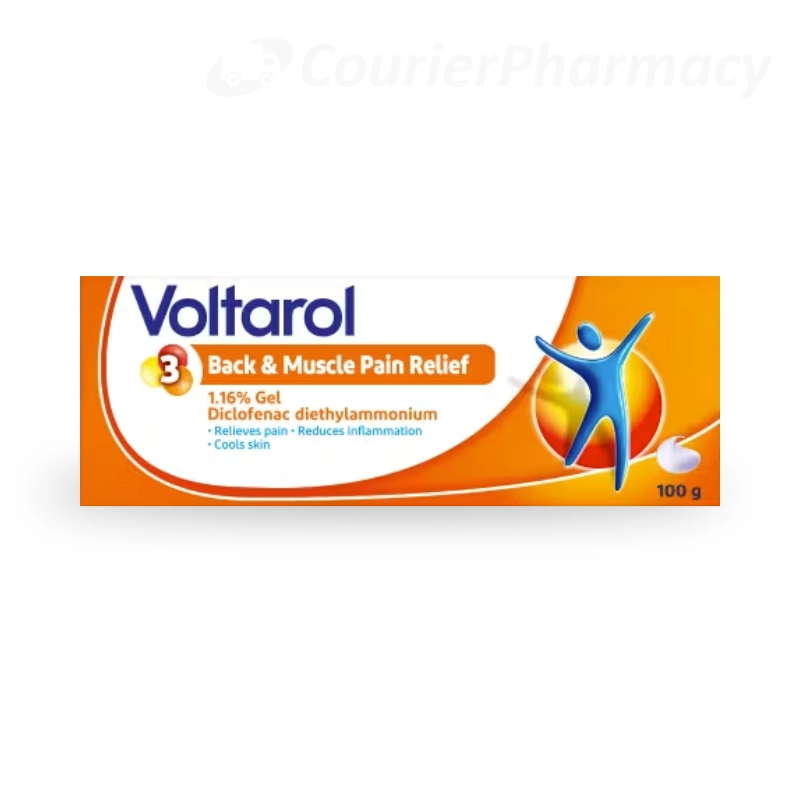
Voltarol emugel 1.16% joint and back pain relief cream 100g
from£14.99
Voltarol Emulgel contains diclofenac diethylammonium 11.6mg/g in a penetration-enhancing emulgel vehicle for the symptomatic relief of localised musculoskeletal pain and inflammation in adults and young people aged 14 and over.
Available as a pharmacy medicine (P) without a prescription, it achieves local tissue diclofenac concentrations comparable to oral dosing while generating substantially lower systemic plasma levels.
The 100g tube is suitable for a full treatment course of an acute soft tissue injury or ongoing management of localised joint pain.
Voltarol emugel 1.16% joint and back pain relief cream 100g is a topical anti-inflammatory gel that contains diclofenac diethylammonium 11.6mg per gram (equivalent to diclofenac sodium 10mg/g).
Diclofenac is a non-steroidal anti-inflammatory drug (NSAID). It reduces pain and swelling by blocking cyclo-oxygenase (COX) enzymes, which lowers prostaglandin production at the site of inflammation.
Voltarol uses an emulgel base (a mix of an emulsion and a gel). This design helps diclofenac move through the skin barrier (stratum corneum) and into the tissues underneath. As a result, it targets muscles, joints, and areas around the joint where inflammation often sits.
Why choose topical diclofenac?
Topical diclofenac offers a simple idea with a big benefit: treat the painful area directly, while keeping the rest of the body exposed to less NSAID.
Studies show Voltarol Emulgel can reach useful diclofenac levels in local tissues near joints. At the same time, it produces much lower levels in the bloodstream (around 6% of oral diclofenac exposure). So, you still get targeted anti-inflammatory action, but with a smaller systemic NSAID load.
Because of this, NICE guidance for osteoarthritis recommends topical NSAIDs first for hand and knee osteoarthritis, before moving on to oral NSAIDs.
Legal category: Pharmacy medicine (P)
Voltarol Emulgel is a pharmacy medicine (P). That means you buy it from a registered pharmacy, with a pharmacist available to check it suits you.
It’s also worth noting the “why” behind the classification. Higher-strength topical diclofenac products are also available as a P medicine while even higher compounded creams are prescription-only.
The Volatarol 11.6mg/g strength moved to pharmacy status because it has a well-established safety record for short-term self-care use in adults (and in young people aged 14+).
If you’re unsure whether Voltarol is right for your symptoms, our pharmacists at Courier Pharmacy can help you choose safely and explain how to use it for the best results.
Key features and specifications
Active ingredient: diclofenac diethylammonium 11.6mg/g (equivalent to diclofenac sodium 10mg/g)
Formulation: emulgel (oil-in-water emulsion with gel properties) for topical use
Pack size: 100g
Legal category: Pharmacy medicine (P)
Suitable for: adults and young people aged 14 and over
Licensed indications: sprains, strains, localised soft tissue rheumatism, minor arthritis of peripheral joints, and back pain
How to apply: apply 2 to 4g, 3 to 4 times daily, to the affected area
MOJO WISDOM
Take control of your health by understanding your condition and what this medication is doing for you.
READ:
More information about this treatment.
UK-based doctors and pharmacists
Discreet and Confidential
UK-based doctors and pharmacists
Free, Expert Advice
No video link provided.
No video link provided.
UK-based doctors and pharmacists
Free, expert advice
Discrete and confidential
Fast delivery
Giving you trusted clinical advice for over 40 conditions
A UK regulated pharmacy providing safe, effective treatments online since 2014
Targeted anti-inflammatory relief that goes where oral tablets cannot — right to the source of the pain
If you have ever wished there was a way to get diclofenac’s anti-inflammatory power to your sore knee or aching shoulder without sending it through your whole body first, Voltarol Emulgel is exactly that.
Each gram of the emulgel contains 11.6mg of diclofenac diethylammonium, equivalent to 10mg of diclofenac sodium, in a unique oil-in-water emulsion that drives the active ingredient through the skin and into the underlying soft tissue and joint structures.
Voltarol Emulgel is one of the most widely used and best-evidenced topical NSAIDs in the UK.
At Courier Pharmacy, we believe healthcare should fit the person. Whether you are managing a sports injury, a joint flare from arthritis, or the kind of localised musculoskeletal pain that comes with a longer-term condition, having the right product and the right guidance makes a genuine difference.
Five things worth knowing straight away
Voltarol Emulgel contains diclofenac diethylamine 11.6mg/g, equivalent to 10mg/g diclofenac sodium — a well-evidenced topical NSAID with a strong clinical track record.
It is a pharmacy medicine (P), available without a prescription from a registered pharmacy under pharmacist supervision.
The emulgel formulation uses an oil-in-water emulsion base that enhances skin penetration of diclofenac compared with simpler gel or cream vehicles.
Topical diclofenac achieves local tissue concentrations comparable to oral dosing at the application site, while producing plasma concentrations approximately 6 per cent of oral equivalents, substantially reducing systemic NSAID exposure.
NICE guidelines recommend topical NSAIDs as a first-line pharmacological option for knee and hand osteoarthritis, citing equivalent local efficacy to oral NSAIDs with a substantially better gastrointestinal safety profile.
Treatment dosage: Voltarol Emulgel
Always follow the dosage instructions on the pack or as directed by your pharmacist. The guidance below is based on the Voltarol Emulgel Summary of Product Characteristics (SmPC) and BNF dosing information and should not replace personalised advice from a healthcare professional.
For adults and young people aged 14 and over: apply 2 to 4g of emulgel (approximately a 2 to 3cm strip) to the affected area three to four times daily. Gently massage into the skin until absorbed. Wash hands after application unless the hands are the treatment area. Space applications evenly through the day, leaving at least four hours between doses. Do not apply more than four times in any 24-hour period.
Do not apply to broken, damaged, infected, or inflamed skin. Do not apply near the eyes, nose, mouth, or any mucous membrane. Do not cover the application site with an occlusive or airtight dressing. A loose, breathable bandage for joint support is acceptable. Do not use for more than two weeks for musculoskeletal conditions without seeking medical advice. If pain worsens or does not improve within two weeks, stop using Voltarol Emulgel and speak to your pharmacist or GP.
Overview of Voltarol Emulgel
The clinical evidence base for Voltarol Emulgel is more extensive than for most topical analgesics. Diclofenac has been the subject of multiple Cochrane systematic reviews in its topical form, and the conclusions are consistently supportive.
Topical diclofenac outperforms placebo for acute musculoskeletal pain and produces response rates comparable to oral NSAIDs for localised inflammatory joint conditions, particularly knee and hand osteoarthritis, with a markedly better safety profile when the GI, cardiovascular, and renal risks of oral NSAID use are considered.
This evidence is why NICE, not just the manufacturer, specifically recommends topical NSAIDs as a first-line option for these presentations.
The topical formulation
The emulgel formulation is a genuine pharmacological innovation rather than a marketing term. Standard aqueous gels and creams of equivalent diclofenac concentration produce lower peak local tissue concentrations because the thermodynamic activity of the drug in the vehicle is lower.
An emulgel, by maintaining a partially supersaturated drug in a biphasic emulsion-gel matrix, keeps the drug at a higher thermodynamic activity at the skin surface, which increases the concentration gradient driving passive diffusion through the stratum corneum. In practical terms, this means more diclofenac reaches the target tissue per gram applied compared with equivalent concentrations in simpler vehicle types.
Reduced systemic absoprtion
The 6 percent systemic plasma figure relative to oral dosing is worth putting in context. Oral diclofenac at 50mg three times daily achieves plasma concentrations in the range of 1 to 2 micrograms per millilitre. The systemic exposure from Voltarol Emulgel applied to a typical joint area is approximately 0.06 to 0.1 micrograms per millilitre, well below the threshold at which systemic
NSAID effects on the gastrointestinal tract, kidneys, and cardiovascular system become clinically relevant for most people. This is why the adverse event profile of topical diclofenac in clinical trials is closer to placebo than to oral diclofenac.
Targeted pain relief
For people managing osteoarthritis or soft tissue conditions as part of a broader chronic illness picture, including those dealing with hypermobility-related joint pain or general chronic musculoskeletal conditions, the ability to deliver targeted anti-inflammatory relief without the systemic NSAID burden is particularly valuable.
Oral NSAID use in people with complex conditions or multiple comorbidities requires careful monitoring and is often limited by gastrointestinal or renal concerns; Voltarol Emulgel provides an option that circumvents many of these barriers while maintaining meaningful local anti-inflammatory efficacy.
Treatment duration
The two-week self-treatment guideline applies as it does for all topical analgesics. Pain that does not respond to two weeks of consistent topical NSAID treatment, or that worsens during treatment, needs clinical assessment.
For chronic conditions, a structured management plan including physiotherapy, activity modification, and regular prescriber review will typically produce better long-term outcomes than continuous reliance on topical analgesics alone. Our pharmacists at Courier Pharmacy can help you identify when that conversation with your GP is the right next step.
Beyond Voltarol Emulgel: compounded pain relief creams from Courier Pharmacy
When an off-the-shelf 1.16% topical isn’t quite enough
Voltarol Emulgel at 11.6mg/g (1.16%) is a strong starting point for localised musculoskeletal pain, and for many patients it’s all that’s needed. But pain isn’t always polite enough to fit into one off-the-shelf concentration. For some patients, the 1.16% strength simply doesn’t reach the level of relief they need. For others, the pain is mixed in nature: partly inflammatory, partly neuropathic, partly muscular. And some patients can’t tolerate certain excipients in commercial gels and need a vehicle stripped back to suit their skin.
This is where compounded pain relief creams come in. Compounded medicines are bespoke formulations, mixed in a UK-licensed compounding pharmacy to a prescription written specifically for one patient. At Courier Pharmacy, we work with a UK-licensed specialist compounding partner to produce personalised topical pain medicines, prescribed by our UK-qualified prescribers and supplied to patients whose pain needs more than the off-the-shelf options can offer.
What a compounded pain cream can include
A compounded pain cream is designed around the patient. Common active ingredients we work with for compounded topical pain relief include:
Diclofenac at concentrations up to 5%, considerably higher than the 1.16% available in Voltarol Emulgel, for patients whose inflammatory joint or soft tissue pain hasn’t responded adequately to off-the-shelf strengths
Lidocaine at concentrations of 2% to 10%, for the local anaesthetic component of mixed-mechanism pain (e.g. post-surgical pain, neuropathic surface pain, persistent localised soft tissue pain)
Ketoprofen, ibuprofen, or piroxicam as alternative NSAIDs for patients who haven’t tolerated diclofenac
Amitriptyline at low topical concentrations for neuropathic pain components
Gabapentin at low topical concentrations for selected neuropathic presentations
Menthol or capsaicin at carefully chosen concentrations for counter-irritant or TRPV1-mediated pain modulation
Clonidine for selected sympathetically maintained pain presentations
Cyclobenzaprine or baclofen for muscle-spasm-driven local pain
The exact combination is decided by your prescriber based on the type, location, and pattern of your pain, and any previous response to oral or topical analgesics.
Why combinations often work better than single agents
Pain is rarely produced by a single biological mechanism. A persistent shoulder, lower back, or knee problem often combines local inflammation, peripheral nerve sensitisation, central sensitisation, and muscle spasm in different proportions. A single-mechanism medicine (an NSAID alone, an anaesthetic alone) only ever addresses part of that picture.
Compounded pain creams allow prescribers to combine two or three active ingredients in one cream, each working through a different pathway.
A common compounded combination is diclofenac plus lidocaine, which addresses the inflammatory and the surface neuropathic components simultaneously. Another is lidocaine plus amitriptyline plus menthol for chronic localised neuropathic pain.
The clinical advantage is meaningful: better pain control with one application rather than several, fewer total grams of medicine on the skin, and fewer separate products to track.
Why topical compounding makes systemic sense
The same pharmacokinetic argument that supports Voltarol Emulgel applies, often more strongly, to compounded topical pain creams. By delivering active ingredients directly to the painful tissue rather than through the gut and the systemic circulation, compounded topicals can:
Achieve clinically meaningful local concentrations at the site of pain
Avoid first-pass hepatic metabolism
Substantially reduce gastrointestinal, renal, and cardiovascular exposure compared with oral equivalents
Reduce the need for oral opioids in patients with persistent pain
Improve tolerability for patients with multiple comorbidities, polypharmacy, or NSAID-sensitive presentations
For patients with chronic conditions such as fibromyalgia, hypermobility-related joint pain, or persistent musculoskeletal pain in the context of a complex medical history, this systemic-sparing approach is often the single biggest reason a compounded topical works where an oral medicine couldn’t.
When a compounded pain cream is worth considering
A compounded pain cream may be worth discussing with our prescribers if any of the following apply:
You’ve tried Voltarol Emulgel or another off-the-shelf 1.16% topical NSAID consistently for two weeks or more without enough relief
Your pain has both an inflammatory and a neuropathic component (e.g. localised aching plus burning, tingling, or pins and needles)
Oral NSAIDs aren’t suitable for you due to gastrointestinal, renal, cardiovascular, or polypharmacy concerns
You react to specific excipients in commercial topical preparations (propylene glycol, alcohol, certain fragrances, parabens, lanolin) and need a stripped-back base
You’re trying to reduce or avoid oral opioid use for persistent pain
Your pain is localised and well-defined, which is exactly the situation in which topical delivery has the strongest evidence base
You’re managing a chronic condition (fibromyalgia, hypermobility, persistent musculoskeletal pain) where multimodal pain management is the long-term strategy
For widespread pain, undiagnosed pain, deep visceral pain, or pain that has progressed despite first-line topical and oral options, the right next step is usually a clinical review rather than a compounded topical, and our prescribers will say so honestly.
How the Courier Pharmacy compounded pain pathway works
Compounded pain creams are Prescription Only Medicines and require a full clinical consultation. The pathway looks like this:
Complete a detailed online consultation covering your pain history, previous treatments, current medicines, allergies, and goals
A UK-qualified prescriber reviews your answers, often with a follow-up message or call to clarify the clinical picture
The prescriber writes a personalised compounding prescription, specifying active ingredients, concentrations, and base
The cream is compounded to your specifications by our UK-licensed specialist compounding partner
We dispense and deliver discreetly to your door, with optional follow-up review to fine-tune the formulation
This isn’t a fast pathway, and it shouldn’t be. A bespoke prescription deserves bespoke prescribing, and a properly built compounded cream should outperform any off-the-shelf product for the patient it was designed for. If you’d like to discuss whether a compounded approach is right for your pain, our pharmacist team is happy to talk it through before you commit to a consultation.
Honest positioning
We don’t pitch compounded pain creams as a routine first step. For most patients, off-the-shelf options like Voltarol Emulgel, paracetamol, oral NSAIDs (where appropriate), and conservative measures (physiotherapy, activity modification, weight management where relevant) should be tried first. Compounded creams are a considered second or third step for patients whose pain genuinely needs more than the standard pathway can provide. We’re upfront about that, because we’re more interested in solving the problem properly than selling you a more expensive product.
Why choose Courier Pharmacy for Voltarol Emulgel
At Courier Pharmacy, we believe healthcare should fit the person. For a topical analgesic like Voltarol Emulgel, that means a pharmacist who can confirm it is appropriate for your situation, explain how to get the best from it, and tell you clearly if something else would serve you better.
Our approach is guided by the philosophy of Dr Ada Jex-Cori, our brand pharmacist, who has built her practice on the idea that honest, evidence-led care should be accessible to everyone. Her message is one we carry into every consultation: you are not broken. The system is the problem. We are here to change that.
For people managing musculoskeletal pain as part of a broader chronic condition picture, including those for whom oral NSAIDs are limited by gastrointestinal, renal, or cardiovascular concerns, Voltarol Emulgel’s strong evidence base and NICE-endorsed position as first-line pharmacological treatment for hand and knee osteoarthritis make it a meaningful option worth understanding properly. Our pharmacists can discuss where it fits in your overall pain management plan, whether there is value in using it alongside other treatments, and when the right next step is a GP conversation rather than another OTC purchase.
Trust is built through transparency and consistency. Courier Pharmacy is GPhC-regulated, grounds all clinical content in NHS, NICE, BNF, and peer-reviewed evidence, and will tell you honestly when a product is not right for your situation. If Voltarol Emulgel is not appropriate for you, we will explain why and suggest the most suitable alternative.
Buy Voltarol Emulgel from Courier Pharmacy
Voltarol Emulgel is a pharmacy medicine (P). It does not require a prescription, but it must be purchased from a registered pharmacy under pharmacist supervision. Our team will confirm suitability before your order is processed.
Here is how our service works:
Browse and select Voltarol Emulgel from our online store.
Complete a brief online consultation confirming the product is appropriate for your situation.
A member of our pharmacy team reviews your answers and confirms your order.
We dispense and deliver discreetly to your door.
If Voltarol Emulgel is not suitable for you, we will explain why and suggest the next best option. We would rather give you the right treatment than a quick sale.
Our free fortnightly drop-in clinics at Insomnia, Derby run every other fortnight from 10 am to 12 pm. Understanding topical versus oral NSAID options, managing joint pain practically, and knowing when OTC treatment is sufficient are topics that come up regularly. No appointment, no charge, no pressure to buy.
Summary
The emulgel vehicle in Voltarol is not simply a cosmetic vehicle choice; it is a pharmaceutical delivery system that creates a biphasic microstructure increasing the thermodynamic activity of diclofenac at the skin surface and driving greater flux through the stratum corneum compared with aqueous gels or o/w creams of equivalent concentration.
NICE guideline NG226 (Osteoarthritis in over 16s, 2022) explicitly recommends topical NSAIDs as first-line pharmacological treatment for hand and knee osteoarthritis, specifically on the basis of equivalent local efficacy to oral NSAIDs with a substantially more favourable gastrointestinal adverse event profile.
Diclofenac achieves synovial fluid concentrations following topical application that are sufficient for clinically meaningful COX inhibition in periarticular structures, with studies demonstrating detectable diclofenac in synovial fluid of treated joints within four to six hours of application.
The risk of serious gastrointestinal complications with topical diclofenac is substantially lower than with oral diclofenac; in a Cochrane review of topical NSAIDs for acute musculoskeletal pain, adverse event rates were comparable to placebo gel, contrasting sharply with the known GI risk of oral NSAIDs.
People with NSAID-exacerbated respiratory disease (aspirin-sensitive asthma) should use Voltarol Emulgel with caution; topical NSAIDs carry a lower risk of triggering bronchospasm than oral NSAIDs due to lower systemic exposure, but the risk is not zero.
Active ingredient in Voltarol Emulgel
The active ingredient is diclofenac diethylammonium at 11.6mg per gram of emulgel, which is equivalent to 10mg/g of diclofenac sodium (the more commonly referenced salt form). Diclofenac diethylamine is used in topical formulations because its physicochemical properties, specifically its ionisation state and lipophilicity in the gel matrix, are better suited to passive diffusion through the stratum corneum than diclofenac sodium. The diethylamine salt is converted to the free acid form of diclofenac in the skin, which then diffuses into the deeper tissue layers.
Diclofenac is a phenylacetic acid derivative and a potent, relatively selective inhibitor of COX-2, with moderate COX-1 inhibitory activity at anti-inflammatory doses. This partial COX-2 selectivity is pharmacologically relevant: COX-2 is the inducible isoform primarily responsible for prostaglandin production at sites of inflammation, while COX-1 is the constitutive isoform responsible for gastric mucosal protection and platelet aggregation.
Diclofenac's greater relative activity against COX-2 means that at anti-inflammatory doses, it produces less inhibition of gastric COX-1 than older, fully non-selective NSAIDs such as ibuprofen or naproxen, contributing to its relatively more favourable gastrointestinal profile compared with these agents at equivalent anti-inflammatory doses.
What is Voltarol Emulgel for?
Voltarol Emulgel is licensed for the symptomatic relief of localised pain and inflammation associated with sprains and strains, localised forms of soft tissue rheumatism, minor arthritis of peripheral joints, and back pain in adults and young people aged 14 and over. These indications cover the most common acute and subacute musculoskeletal presentations for which OTC topical anti-inflammatory treatment is clinically appropriate.
NICE clinical guidance on osteoarthritis specifically positions topical NSAIDs as the recommended first-line pharmacological option for knee and hand osteoarthritis before oral pharmacological therapy, on the basis of clinical trials demonstrating equivalent local efficacy to oral NSAIDs with substantially better tolerability. For people with these conditions who need more than simple analgesia (paracetamol), Voltarol Emulgel represents the pharmacologically endorsed next step before considering oral NSAID therapy or prescription treatments.
It is not appropriate for widespread or diffuse pain, visceral pain, pain of undiagnosed cause, or pain that has been present for several weeks without clinical assessment. For deep joints such as the hip where topical penetration is limited by anatomy, oral or prescription-level treatment is more appropriate. For inflammatory arthritis conditions such as rheumatoid arthritis or psoriatic arthritis, disease-modifying treatment rather than OTC topical anti-inflammatory therapy is the clinical priority. Our pharmacists can help you determine whether Voltarol Emulgel is the right product for your specific presentation.
How does Voltarol Emulgel work?
Diclofenac inhibits cyclo-oxygenase enzymes, specifically COX-1 and COX-2, which are responsible for converting arachidonic acid into prostaglandins at sites of tissue injury or inflammation. Prostaglandins are the key mediators of the inflammatory response: they sensitise peripheral nociceptors to pain stimuli (peripheral sensitisation), promote vasodilation and increased vascular permeability causing swelling and redness, and contribute to central sensitisation in the dorsal horn of the spinal cord that amplifies pain perception. By inhibiting COX enzymes locally in the target tissue, topical diclofenac reduces prostaglandin production at the site of inflammation, directly addressing the peripheral source of pain sensitisation and the inflammatory cascade maintaining it.
The emulgel vehicle is central to how effectively diclofenac is delivered to the target tissue. The oil-in-water emulsion creates a microstructure in which diclofenac is partially dissolved in the oil phase and partially in the water phase, maintaining the drug at a higher thermodynamic activity than in a simple aqueous solution. Thermodynamic activity is the key driver of passive diffusion across biological membranes: a drug at higher thermodynamic activity generates a steeper concentration gradient across the stratum corneum, producing greater flux of drug molecules into the skin per unit time. The gel component of the emulgel provides cohesion and spreadability, while the emulsion microstructure maintains the drug's delivery-driving thermodynamic activity during and after application.
After penetrating the stratum corneum, diclofenac passes through the viable epidermis and dermis via passive diffusion, driven by the ongoing concentration gradient between the skin surface and the deeper tissue. It is then taken up by the periarticular soft tissue, joint capsule, and synovial membrane, where it inhibits local COX enzymes. Studies using microdialysis and synovial fluid sampling have confirmed that measurable diclofenac concentrations are present in the synovial fluid of treated joints within four to six hours of topical application, at concentrations sufficient to produce meaningful COX inhibition and reduced prostaglandin synthesis in the joint.
Systemic absorption accounts for approximately 6 percent of the applied dose under normal conditions of topical use on intact, non-occluded skin. This systemic fraction undergoes hepatic metabolism and renal excretion in the same way as oral diclofenac, but at plasma concentrations so low that meaningful systemic COX inhibition in the gastrointestinal tract, kidneys, or cardiovascular system does not occur for most people under normal use conditions. This pharmacokinetic profile is the mechanistic basis for the substantially better safety profile of topical compared with oral diclofenac.
How to use Voltarol Emulgel
Squeeze 2 to 4g of emulgel onto your fingertips; a strip of approximately 2 to 3cm from the tube is a practical guide for a medium-sized joint or muscle area. Apply directly over the painful area and massage gently in circular motions until the emulgel is fully absorbed. The emulgel will feel cool and slightly moisturising on application; it dries without a greasy residue. Wash your hands after application unless the hands are being treated. Apply three to four times daily, spacing applications at least four hours apart.
Consistency of application is more important than the amount used per dose. Maintaining a reasonably steady local diclofenac concentration through regular dosing produces better anti-inflammatory control than applying large amounts sporadically. A practical schedule for four-times-daily application is morning, midday, early evening, and before bed. If three times daily is more realistic for your routine, this is also within the licensed dose range. Avoid applying immediately before swimming or bathing, as water removes the emulgel before it has fully penetrated; apply at least one hour before getting wet where possible. If a support bandage is being worn, use a breathable, non-occlusive bandage only.
Store with the cap tightly replaced between uses; the emulgel can dry at the nozzle if left uncapped, which blocks subsequent application. Keep at room temperature, away from direct heat or sunlight. At three applications daily to a knee, a 100g tube typically lasts around three to four weeks, which exceeds the two-week self-treatment limit for acute conditions but is appropriate for ongoing management of a chronic condition under pharmacist or GP review.
Warnings and precautions for Voltarol Emulgel
Do not apply Voltarol Emulgel to broken, damaged, infected, ulcerated, or significantly inflamed skin. The intact skin barrier limits systemic absorption; compromised skin significantly increases diclofenac entry into the systemic circulation, raising the risk of systemic NSAID effects. Do not apply near the eyes, nose, mouth, or any mucous membrane, and avoid contact with the genitals. If accidental contact with any of these areas occurs, rinse thoroughly with clean water.
Do not use Voltarol Emulgel if you are allergic to diclofenac, aspirin, any other NSAID, or any excipient of the product. People with NSAID-exacerbated respiratory disease (aspirin-sensitive asthma) should be aware that topical NSAIDs carry a lower but non-zero risk of triggering bronchospasm compared with oral NSAIDs. If oral ibuprofen, aspirin, or diclofenac has ever caused asthma symptoms for you, speak to your pharmacist or GP before using Voltarol Emulgel.
Do not use under occlusive or airtight dressings. Occlusion significantly increases skin hydration and local temperature, substantially accelerating diclofenac absorption and potentially pushing systemic plasma concentrations towards levels at which NSAID-associated systemic effects become relevant. If dressing is clinically necessary, use a loose, breathable bandage only.
Pregnancy:
Topical NSAIDs including diclofenac should be avoided during the third trimester and used with caution in the first and second trimesters. At the systemic exposure levels from standard topical use on intact skin, the risk is substantially lower than with oral NSAIDs, but it is not zero. If you are pregnant or planning a pregnancy, seek advice from your midwife or GP before using Voltarol Emulgel. During breastfeeding, application to the breast area should be avoided, and use on large areas or for extended periods should be discussed with a healthcare professional.
Renal and hepatic impairment:
While the systemic exposure from topical Voltarol Emulgel is substantially lower than oral NSAIDs, people with significant renal or hepatic impairment should discuss topical NSAID use with their GP or pharmacist, particularly for large-area or prolonged application where systemic absorption may accumulate.
Side effects of Voltarol Emulgel
Local skin reactions at the application site are the most commonly reported side effects and are generally mild and transient. These include dry skin, redness, mild rash, pruritus (itching), a burning or stinging sensation on application, and dermatitis. The emulgel vehicle is well tolerated by most people; if skin irritation occurs and does not settle after the first few applications, reduce the frequency of application or discontinue and speak to your pharmacist.
Less common skin reactions include contact dermatitis, an allergic skin reaction producing persistent redness, vesicles, or scaling that may extend beyond the immediate application site. Sensitisation to diclofenac itself is uncommon; reactions more often involve excipients in the emulgel base. Photosensitivity reactions, where the treated skin becomes unusually sensitive to sunlight, have been reported rarely with topical diclofenac; avoid prolonged direct sun exposure on recently treated areas where possible.
Systemic side effects from Voltarol Emulgel applied as directed to intact, non-occluded skin are uncommon and generally mild. At the low plasma concentrations achieved with standard topical use, gastrointestinal, renal, and cardiovascular systemic NSAID effects are unlikely. However, they can occur with large-area application, prolonged use, application to broken skin, or use under occlusion. Severe hypersensitivity reactions including anaphylaxis are rare but possible in people with NSAID hypersensitivity. If you experience any systemic symptoms you associate with starting Voltarol Emulgel, discontinue and seek pharmacist or medical advice.
Report suspected adverse drug reactions to the MHRA via the Yellow Card scheme at yellowcard.mhra.gov.uk. Patient and healthcare professional reports contribute to ongoing real-world safety monitoring.
Drug interactions with Voltarol Emulgel
The interaction risk with Voltarol Emulgel under standard topical use on intact skin is low, because systemic absorption of diclofenac at 6 percent of oral equivalents means plasma concentrations are well below the threshold for clinically significant systemic NSAID effects for most people. However, certain groups warrant specific consideration.
Other NSAIDs, including oral diclofenac, ibuprofen, naproxen, and aspirin at analgesic doses, should not be taken concurrently with Voltarol Emulgel applied to large areas or for prolonged periods. The combined systemic NSAID load from oral and topical use can reach clinically relevant levels in terms of gastrointestinal, renal, and platelet-related risks. For topical use limited to a small localised area on a short course, the additional systemic load from Voltarol Emulgel is unlikely to be clinically significant for a healthy adult, but this should be discussed with a pharmacist if oral NSAIDs are part of your regular treatment.
Anticoagulants and antiplatelets: diclofenac has some antiplatelet activity at systemic concentrations; at the plasma levels from standard topical use this is generally not clinically significant, but people on warfarin, DOACs, or antiplatelet therapy should mention Voltarol Emulgel use to their anticoagulation clinic or prescriber, particularly for extended courses or large-area application.
Medicines with a narrow therapeutic index that are affected by NSAID-mediated reduction in renal clearance, including lithium and methotrexate, require particular care. At standard topical Voltarol Emulgel use on a small area, the systemic diclofenac concentration is unlikely to produce significant renal tubular competition. However, if you are taking methotrexate, lithium, or ciclosporin, inform your prescriber or pharmacist of any NSAID use, including topical, and seek their assessment before starting treatment.
No significant interactions are expected between topical Voltarol Emulgel at standard doses and standard cardiovascular, antihypertensive, or analgesic medicines for typical self-care use. As always, a pharmacist review of your full medication list before starting any new topical treatment is good practice, particularly if you are managing multiple conditions with several medicines.
Frequently asked questions about Voltarol Emulgel
What is Voltarol Emulgel used for?
Voltarol Emulgel is used for the symptomatic relief of localised musculoskeletal pain and inflammation in adults and young people aged 14 and over. Licensed indications include sprains and strains, soft tissue rheumatism, minor arthritis of peripheral joints, and back pain. NICE guidelines also specifically recommend topical NSAIDs including diclofenac as first-line pharmacological treatment for hand and knee osteoarthritis.
What is the active ingredient in Voltarol Emulgel?
The active ingredient is diclofenac diethylamine at 11.6mg per gram of emulgel, which is equivalent to 10mg/g of diclofenac sodium. Diclofenac diethylamine is the salt form used in topical preparations because its physicochemical properties allow better penetration through the skin compared with diclofenac sodium at equivalent concentrations.
What is an emulgel and how is it different from a standard gel?
An emulgel is a hybrid formulation combining an oil-in-water emulsion with a gel matrix. Unlike a simple aqueous gel, the biphasic emulsion microstructure maintains diclofenac at higher thermodynamic activity at the skin surface, which drives a steeper concentration gradient across the stratum corneum and produces greater flux of drug into the underlying tissue. This means more diclofenac reaches the target tissue per gram applied compared with equivalent concentrations in simpler gel vehicles.
How often should I apply Voltarol Emulgel?
Apply 2 to 4g three to four times daily, spacing applications at least four hours apart. For most people, three or four applications evenly spread through the day provides the best balance of consistent local diclofenac concentration and practical convenience. Regular consistent dosing is more effective than large, infrequent applications because it maintains the local drug concentration above the therapeutic threshold throughout the day.
Can I use Voltarol Emulgel if I have asthma?
Use with caution if you have NSAID-exacerbated respiratory disease (aspirin-sensitive asthma), where NSAIDs can trigger bronchospasm. The risk from topical diclofenac is substantially lower than from oral NSAIDs due to the much lower systemic exposure, but it is not zero. If oral ibuprofen, aspirin, or diclofenac has previously worsened your asthma, speak to your pharmacist or GP before using Voltarol Emulgel.
Can I take oral ibuprofen or naproxen at the same time as Voltarol Emulgel?
Caution is advised. For small-area topical use on a short course, the additional systemic diclofenac from Voltarol Emulgel is unlikely to produce clinically significant combined NSAID effects in a healthy adult. However, combining topical Voltarol Emulgel over large areas or for prolonged periods with regular oral NSAIDs increases the cumulative systemic NSAID load and the associated GI, renal, and platelet risks. Discuss with your pharmacist before combining NSAID treatments.
Does NICE recommend Voltarol Emulgel for arthritis?
Yes. NICE guideline NG226 on osteoarthritis in over 16s (2022) specifically recommends topical NSAIDs as first-line pharmacological treatment for knee and hand osteoarthritis, before considering oral NSAIDs. This recommendation is based on clinical trials demonstrating equivalent local efficacy to oral NSAIDs with substantially better gastrointestinal tolerability. Voltarol Emulgel, as the most widely studied and used topical diclofenac product in the UK, sits squarely within this recommendation.
How long does it take for Voltarol Emulgel to start working?
Many people experience some reduction in pain and stiffness within one to two hours of the first application as diclofenac penetrates the skin and reaches the underlying tissue. Studies using synovial fluid sampling show measurable diclofenac concentrations in treated joints within four to six hours. Full anti-inflammatory benefit builds with consistent regular application over the first two to three days of treatment.
Is Voltarol Emulgel safe during pregnancy?
Topical diclofenac should be avoided in the third trimester of pregnancy and used only under medical guidance in the first and second trimesters. While systemic exposure from topical use is substantially lower than oral dosing, it is not zero. If you are pregnant or planning a pregnancy, speak to your midwife or GP before using Voltarol Emulgel. Paracetamol remains the recommended OTC analgesic during pregnancy.
Can I use Voltarol Emulgel on my knee?
Yes. Knee osteoarthritis and knee soft tissue injuries are among the most thoroughly studied indications for topical diclofenac, and NICE specifically recommends topical NSAIDs as first-line pharmacological therapy for knee osteoarthritis. Apply the emulgel over and around the knee, covering the area of pain, and massage in until absorbed. For best penetration, apply with clean, dry skin rather than immediately after bathing.
Can Voltarol Emulgel be used under a bandage?
Only under a loose, breathable bandage. Do not apply Voltarol Emulgel under occlusive, airtight, or waterproof dressings. Occlusion increases skin temperature and hydration, significantly accelerating diclofenac absorption and potentially producing systemic plasma levels approaching those of oral dosing. A supportive elastic bandage that allows skin ventilation is acceptable if joint support is clinically needed.
How is Voltarol Emulgel different from Voltarol gel 1.16%?
Voltarol Emulgel at 11.6mg/g (1.16% w/w) and Voltarol Gel at 1.16% contain the same concentration of diclofenac diethylamine. The key difference is the vehicle: Voltarol Emulgel uses an oil-in-water emulgel formulation designed for enhanced skin penetration, while Voltarol Gel uses a standard aqueous gel base. The emulgel vehicle is associated with greater drug penetration per gram applied in pharmacokinetic comparisons.
Can children use Voltarol Emulgel?
Voltarol Emulgel is not recommended for children under 14 years of age. For musculoskeletal pain in younger children, age-appropriate analgesic products under pharmacist or medical guidance are appropriate. If your child is 14 or 15, a pharmacist check before use is advisable to confirm appropriateness for their specific situation.
What should I do if I get Voltarol Emulgel in my eyes?
Rinse the affected eye immediately and thoroughly with clean water for several minutes. The emulgel excipients including propylene glycol and isopropyl alcohol can cause significant ocular surface irritation. If irritation or pain persists after thorough rinsing, seek medical attention. Always wash hands after applying Voltarol Emulgel to prevent accidental eye contact.
Does Voltarol Emulgel cause stomach problems?
Unlike oral diclofenac, Voltarol Emulgel rarely causes gastrointestinal problems when used as directed on intact, non-occluded skin. At the systemic plasma concentrations achieved with topical use (approximately 6 percent of oral equivalents), clinically significant gastrointestinal COX-1 inhibition does not occur for most people. This is one of the principal clinical advantages of topical over oral NSAID therapy for localised musculoskeletal conditions.
Can I use Voltarol Emulgel for shoulder pain?
Yes. Soft tissue rheumatism and localised musculoskeletal conditions including shoulder pain arising from tendinitis, bursitis, or muscle strain are within Voltarol Emulgel's licensed indications. Apply to the most painful area around the shoulder joint, massage in until absorbed, and repeat three to four times daily. For deep shoulder joint pathology such as significant glenohumeral osteoarthritis, topical penetration may be less reliable and your GP can advise on additional treatment options.
How long can I use Voltarol Emulgel for?
For acute conditions such as sprains and strains, two weeks is the standard maximum self-treatment duration. If pain has not improved within two weeks, or worsens, stop using the product and seek pharmacist or GP advice. For chronic conditions such as osteoarthritis managed under ongoing pharmacist or GP review, longer-term use may be clinically appropriate; regular reassessment of the need for continued treatment is recommended.
Is Voltarol Emulgel suitable for people with kidney problems?
People with significant renal impairment should discuss topical NSAID use, including Voltarol Emulgel, with their GP or pharmacist before starting treatment. At standard topical doses on intact skin, systemic diclofenac levels are low and renal effects are unlikely for most people. However, with large-area or prolonged application the systemic load increases, and renal prostaglandin inhibition may become relevant in those with pre-existing renal vulnerability.
Can I use Voltarol Emulgel for back pain?
Yes. Back pain is a licensed indication for Voltarol Emulgel. It is most effective for localised back pain arising from muscle spasm, soft tissue strain, or minor facet joint inflammation where the source of pain is accessible to topical penetration. For deeper spinal pathology such as disc herniation or central canal stenosis, systemic treatment under medical guidance is more appropriate. If back pain is severe, radiates into the legs, or is associated with bladder or bowel symptoms, seek immediate medical assessment rather than self-treating.
Disclaimer: This article is for general information only and isn’t a substitute for personal medical advice, diagnosis, or treatment. Always check with a GP, pharmacist, or specialist before starting a new supplement if you have a medical condition or take regular medicines.
More than a prescription: our community
At Courier Pharmacy, good healthcare means being present even when no one is buying anything. Our free fortnightly drop-in clinics and talks at Insomnia, Derby run every other fortnight from 10 am to 12 pm. Managing joint and soft tissue pain, understanding the difference between topical and oral NSAID treatment, and knowing when to escalate from OTC to GP are all regular topics in these sessions.
Whether you want to talk through a specific pain condition, understand your treatment options better, or simply be in a space where your questions are taken seriously, you are welcome. No appointment, no charge, no obligation.
Learn more about our community talks and find the next session date at courierpharmacy.co.uk. Healthcare should be accessible, not just when you are buying. We mean that.
How this content was created
Written by the Courier Pharmacy editorial team and reviewed by a GPhC-registered pharmacist. Grounded in the latest NHS, NICE, BNF and EMC guidance, peer-reviewed studies, and the real questions patients bring to our drop-in clinics in Derby.