

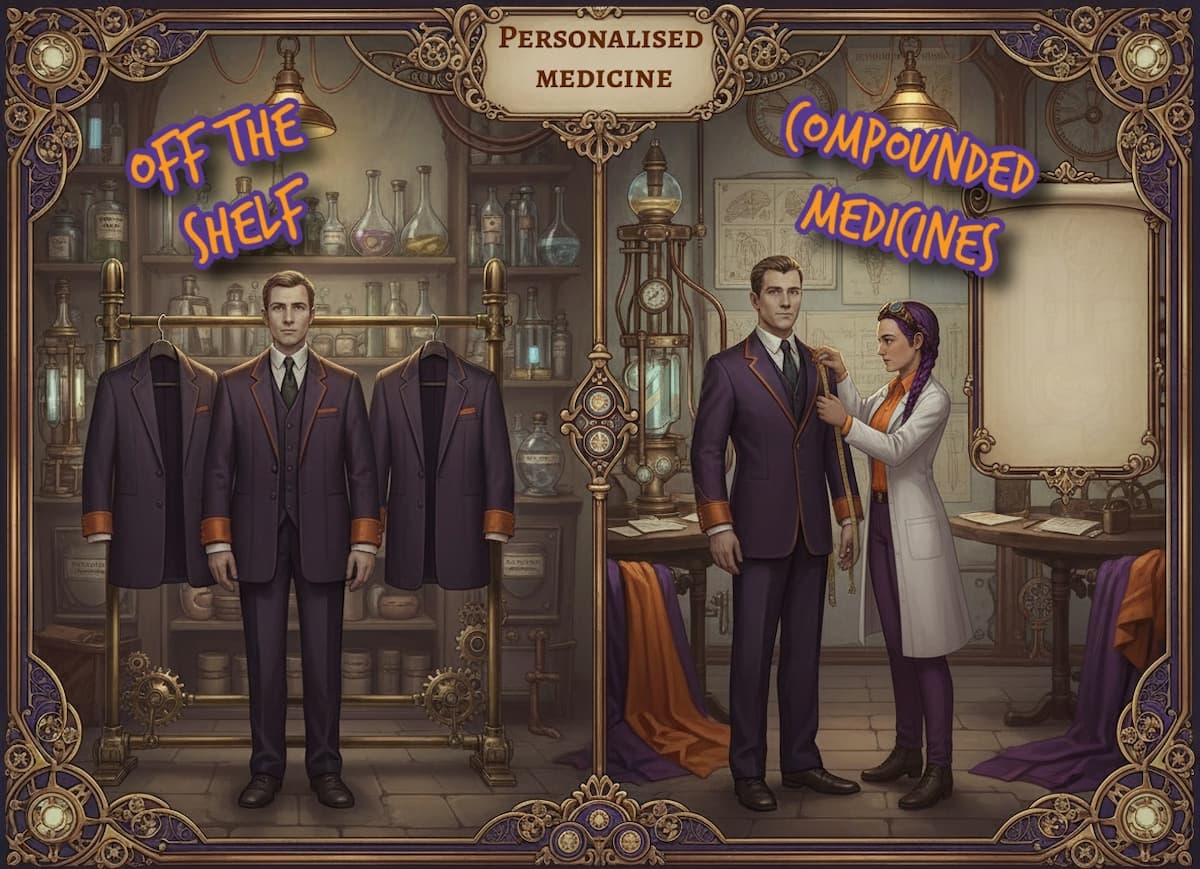
Have you ever struggled with a medication because the dose wasn’t quite right, you had an allergic reaction to a filler, or you found the pill difficult to swallow? This is where a compounding pharmacy steps in. Think of it as the difference between buying a suit off the rack and getting one made-to-measure. It’s the specialised art and science of creating bespoke medicines for an individual patient’s unique needs, offering solutions that mass-produced drugs simply can’t.
Table of contents
- Five key takeaways
- A guide to personalised medicines
- The compounding pharmacist’s craft
- Creating the personalised formula
- Upholding standards and safety
- Who truly benefits from compounded medicine?
- When standard prescriptions just don’t cut it
- Solving unique patient challenges
- Comparing your medication options
- Standard versus compounded medicine: A quick comparison
- Real-world examples of compounded medications
- Ensuring safety and quality in the UK
- How to verify a legitimate pharmacy
- Our commitment to quality and safety
- How to access safe personalised care
- Receiving your bespoke medication
-
 Ketotifen 1mg (Zaditen) tabletsPrice range: £29.99 through £199.99
 -
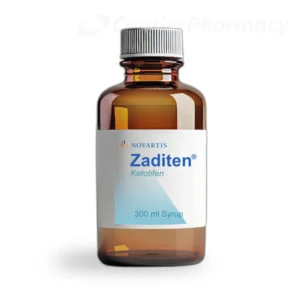 Zaditen Elixir – Ketotifen 1mg/5ml Elixir, 300mlPrice range: £34.99 through £99.99
 -
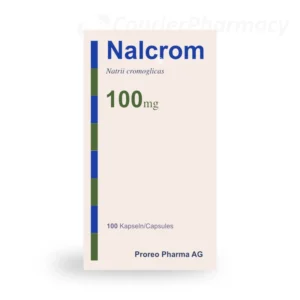 Nalcrom (sodium cromoglycate) 100mg capsulesPrice range: £99.99 through £279.99
Five key takeaways
- It’s all about customisation: The core purpose is to create medication that fits your specific health needs. This could mean adjusting a dose, removing allergens like gluten or dyes, or changing the form (like turning a pill into a liquid or cream).
- It solves real-world problems: Compounding provides vital solutions for people who can’t take commercially available drugs. This includes children needing flavoured liquid medicines, elderly patients requiring smaller doses, or anyone with specific allergies.
- Safety and regulation are paramount: In the UK, compounding pharmacies are strictly regulated by the General Pharmaceutical Council (GPhC). This ensures all preparations meet high standards for safety, quality, and efficacy.
- A pharmacist’s tip: Always check that your provider is registered with the GPhC. A legitimate pharmacy will display its credentials openly. A quick check on the GPhC register guarantees you’re getting care from a qualified, regulated professional.
- It requires a prescription: Just like standard medicines, compounded drugs are only prepared with a valid prescription from a licensed prescriber. They have to decide whether a personalised formulation is the best way forward for your treatment.
A guide to personalised medicines
How bespoke medications are actually made?
Let’s peek behind the counter to see how a compounded medicine actually comes to life. This isn’t your typical mass-production line; it’s a precise, highly skilled craft performed by a specialist pharmacist. We’ll demystify the entire process. From a pharmacist carefully mixing pure ingredients to create a unique formula, all the way to modifying a commercial drug to better suit a patient.
Think of a child who can’t swallow pills and needs a liquid version of their medicine. Or a patient with a severe skin allergy who needs a cream made without a specific preservative. These are the real-world problems that compounding solves, showing you the ‘how’ and ‘why’ behind a personalised prescription.
This process is what transforms a standard, one-size-fits-all treatment into a bespoke solution.

The compounding pharmacist’s craft
At the core of any compounding pharmacy is a highly skilled pharmacist. Their work is a blend of scientific precision and creative problem-solving. It’s a world away from simply dispensing pre-packaged drugs from a box.
They start with a valid prescription and a deep understanding of the patient’s specific health needs. The next step is sourcing high-quality, pharmaceutical-grade active pharmaceutical ingredients (APIs). These are the pure, raw building blocks of any medication, ready to be transformed into the final product.
The entire process is meticulous, demanding sterile environments and incredibly precise measurements to guarantee both safety and effectiveness.
A pharmacist’s tip: Always remember that compounding is a specialised skill. It demands not only a profound knowledge of pharmaceutics but also a creative approach to meet unique patient challenges that off-the-shelf medications simply cannot address.

Creating the personalised formula
Once the ingredients are ready, the real creation begins. While the exact steps vary depending on the medication, the process always follows a strict, carefully controlled protocol.
- Weighing and measuring: Using highly calibrated equipment, the pharmacist weighs each ingredient with extreme accuracy. Even a tiny deviation could throw off the medication’s potency and safety.
- Mixing and combining: With tools like a mortar and pestle or specialised mixing equipment, the ingredients are carefully combined according to a specific formula. This could involve blending fine powders to fill a capsule or creating a perfectly smooth emulsion for a cream.
- Final formulation: The final step is crafting the desired delivery method. This might mean turning a powder into a liquid suspension, a topical gel, or even one of our range of patches.
This hands-on approach allows for incredible flexibility. For instance, a pharmacist can formulate a pain-relief gel that targets a specific area of the body. Thus, helping to minimising the side effects that might come with taking an oral pill.
Upholding standards and safety
Compounding pharmacies in the UK operate under strict guidelines to guarantee patient safety. They are specialised facilities where licensed pharmacists create personalised medications by mixing or altering ingredients for individuals with specific needs—like allergies, intolerances, or dosage requirements that commercial drugs can’t meet.
The whole practice is tightly regulated by the General Pharmaceutical Council (GPhC) to ensure every product meets high standards for safety and quality.
Every single step, from sourcing ingredients to the final check, is documented and verified. This ensures your bespoke medication is not only effective but is also made to the highest possible safety standards, providing a healthcare solution you can truly trust.
Who truly benefits from compounded medicine?
For many people, compounded medicine isn’t just a convenient option—it’s an absolute lifeline. While standard, mass-produced medications from the big pharmaceutical companies work perfectly well for most of us, they’re designed around a “one-size-fits-all” model. But what happens when you don’t fit the mould?
This is where a personalised approach, crafted by a compounding pharmacy, makes all the difference. We’ll look at real-life situations where customisation is key, from patients with allergies to common fillers, to those needing a dose so precise it simply doesn’t exist on a commercial scale.
When standard prescriptions just don’t cut it
The number one reason someone turns to compounded medicine is that they simply can’t take a standard drug. It could be due to anything from a severe allergy to dosage limitations. In these moments, a compounding pharmacist becomes a problem-solver, stepping in to bridge the gap left by commercial manufacturing.
Think about someone who’s allergic to lactose or gluten. Both are incredibly common binding agents or fillers in tablets and capsules. For this person, a standard prescription could trigger a nasty reaction. A compounding pharmacist can start from scratch, using only the pure active pharmaceutical ingredient (API) and hypoallergenic fillers to create a safe alternative.
It’s a similar story for elderly patients or young children. They often need much smaller or more specific doses than what’s available in standard pills. A pharmacist can compound a liquid suspension with a pleasant flavour or a lower-strength capsule, ensuring the dose is exact, safe, and effective.
Solving unique patient challenges
Beyond allergies and dosage, many people need their medication in a different form altogether. If someone has trouble swallowing pills—a condition called dysphagia—or gets severe stomach upset from an oral drug, a standard prescription is often out of the question.
Here are a few ways compounding provides a practical solution:
- Topical gels and creams: A patient suffering from joint pain might get a topical gel. This delivers the medicine directly to the source of the pain, avoiding systemic side effects like the stomach irritation that can come with oral anti-inflammatory pills.
- Liquid suspensions: We’ve all seen a child refuse to take a bitter-tasting antibiotic tablet. A pharmacist can create a flavoured liquid version, making it far easier for parents to ensure their child completes the full course of treatment.
- Transdermal creams: For certain hormone therapies, a transdermal cream can be a much more appealing option than injections. A compounding pharmacy can formulate a cream that allows hormones to be absorbed through the skin, offering a less invasive way to get treatment. You can see how this works with our tailored hormone replacement therapy options.
A pharmacist’s tip: “We often see patients with complex conditions like Mast Cell Activation Syndrome (MCAS). They can react to almost anything—dyes, preservatives, fillers. For them, our ability to create a ‘pure’ version of their medication, free from potential triggers, is genuinely life-changing.”
The growing compounding pharmacy sector
A key driver of the compounding pharmacy sector in the UK is the growing demand for hormone replacement therapies (HRT) and other speciality drugs. This reflects wider European trends but is particularly pronounced here due to specific patient needs. People with allergies or intolerances, common in conditions like MCAS or Hashimoto’s, rely on these services. This is because compounding makes it possible to exclude allergens—a critical practice for anyone seeking truly personalised treatment. You can learn more about the growth of the European compounding market.
Comparing your medication options
To really see the difference, it helps to put standard and compounded medicines side-by-side. Grasping these distinctions shows why understanding what is a compounding pharmacy can be such a crucial part of managing your health.
Standard versus compounded medicine: A quick comparison
This table breaks down the essential differences between the mass-produced medicines you find at any chemist and the bespoke preparations made just for you.
| Feature | Standard (Off-the-Shelf) Medicine | Compounded (Personalised) Medicine |
| Formulation | One-size-fits-all, mass-produced. | Custom-made for an individual patient’s specific needs. |
| Dosage Strength | Limited to commercially available strengths. | Can be formulated to any precise dosage required by the prescriber. |
| Ingredients | Contains standard active and inactive ingredients (fillers). | Made with pure active ingredients and selected, often allergen-free, fillers. |
| Delivery Method | Restricted to available forms (e.g., pill, liquid, injection). | Can be created in various forms (e.g., cream, gel, lozenge, patch). |
| Allergen Consideration | May contain common allergens like gluten, lactose, or dyes. | Formulated to be free from specific allergens or irritants. |
| Availability | Widely available at any standard pharmacy. | Only available from a specialised compounding pharmacy with a prescription. |
Ultimately, standard medicines are the right choice for most. However, compounded preparations provide essential, tailored solutions when a standard approach isn’t enough.
Real-world examples of compounded medications
It’s one thing to talk about the theory of compounding, but seeing how it works in the real world is where you truly appreciate its value. Personalised medicine isn’t just a buzzword; it’s about creating real, custom-made treatments that solve very specific problems for patients every single day. These preparations can be anything from a simple flavour change for a child’s medicine to a complex hormonal therapy, each designed with just one person in mind.
So, let’s move past the ‘what’ and ‘why’ and dive into some of the most common and effective examples of compounded medications. This is where a compounding pharmacy’s problem-solving skills really shine, offering solutions for everything from difficult skin conditions to chronic pain.
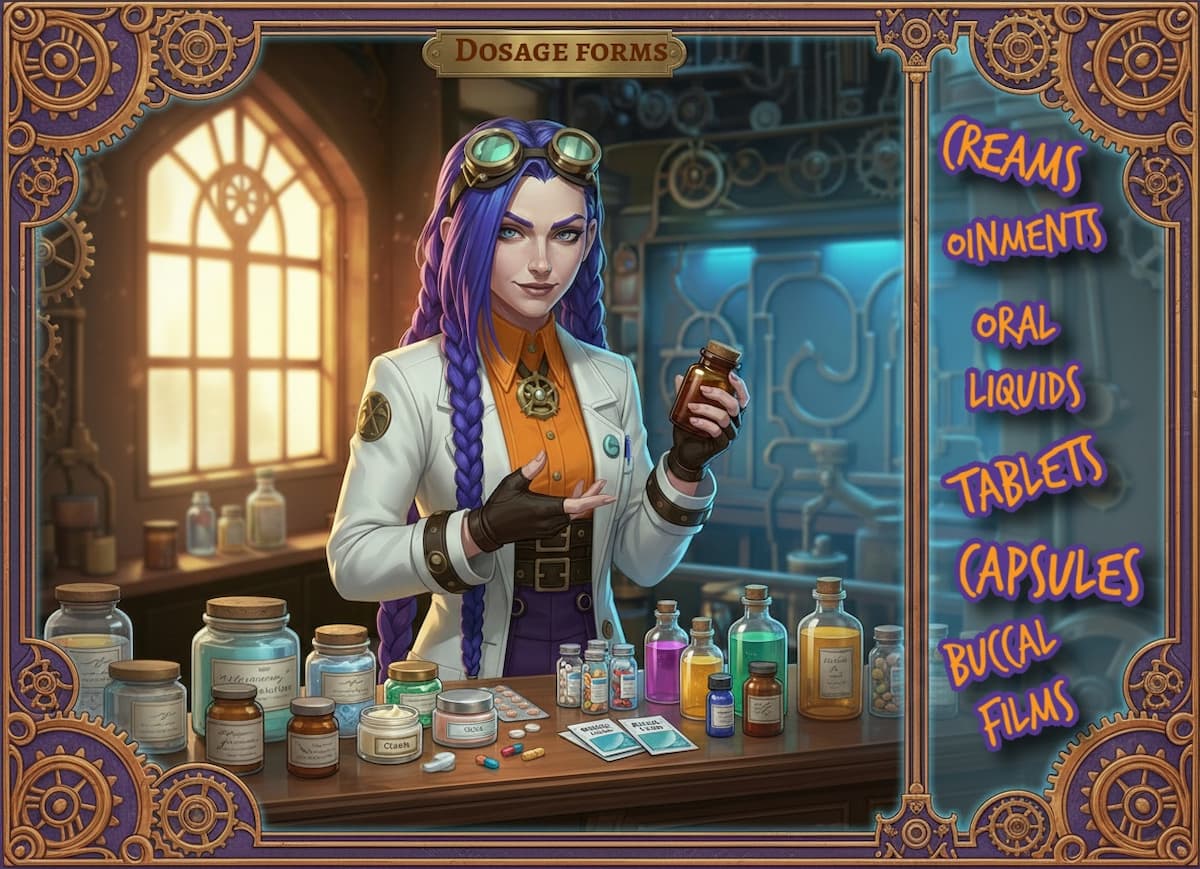
Custom creams for skin and hormones
Topical treatments—creams, gels, and ointments—are one of the most popular forms of compounded medicine. It’s easy to see why. Applying medication directly to the skin lets you target a problem area. At the same time minimising the side effects you might get from swallowing a pill. It’s a highly effective approach for both dermatology and hormone therapies.
A dermatologist, for instance, might prescribe a unique blend of ingredients to treat severe acne or rosacea that hasn’t responded to standard products. A compounding pharmacist can combine multiple active ingredients into a single, easy-to-use cream. This makes sure that it is perfectly suited to the patient’s skin type.
The same principle is a game-changer for bio-identical hormone replacement therapy (BHRT).
- Tailored Dosages: Based on blood tests, a prescriber can pinpoint the precise amount of oestrogen, progesterone, or testosterone a patient needs.
- Personalised Formula: Our pharmacists then compound these hormones into a transdermal cream or gel.
- Direct Application: The patient applies this to their skin, allowing the hormones to be absorbed straight into the bloodstream for a steady, controlled release.
This method bypasses the digestive system entirely and delivers a consistent dose that can be easily tweaked as the patient’s needs change over time.
Oral liquids for swallowing difficulties
Let’s be honest, many people—especially children and the elderly—find it difficult to swallow pills. This can turn treatment into a daily struggle. A compounding pharmacy can step in and transform a solid tablet into an easy-to-take oral liquid. This makes sure the patient gets the medicine they need without the fuss.
Pharmacists can even add flavourings like cherry or orange to mask bitter tastes. This makes medicine time a lot less stressful for parents and kids. This isn’t just about making life easier; it ensures patients, particularly young ones, actually finish their full course of treatment. This is crucial for sucessful treatment.
A pharmacist’s tip: “When we formulate a liquid for a child, we’re not just changing the form; we’re removing a barrier to their health. Making medicine easy to take is one of the most rewarding parts of our job. This is because it directly impacts a patient’s ability to get well.”
Allergen-free capsules
For anyone with allergies or intolerances to common fillers like lactose, gluten, or certain dyes, off-the-shelf medications can be a minefield. A reaction to an inactive ingredient can be just as serious as a reaction to the drug itself. This is another area where compounding provides an absolutely essential solution.
A pharmacist can create capsules using only the pure active pharmaceutical ingredient (API) and a hypoallergenic filler, such as microcrystalline cellulose. This ensures the medicine is safe and effective, completely free from any substance that could trigger an unwanted reaction. It’s particularly vital for patients with conditions like Mast Cell Activation Syndrome (MCAS). Minimising triggers is a cornerstone of their treatment.
Specialised formulations like Low-Dose Naltrexone
Some of the most powerful applications of compounding come from creating dosages that simply don’t exist commercially. A perfect example is Low-Dose Naltrexone (LDN), a medication used off-label to help manage chronic pain and various autoimmune conditions.
Naltrexone is commercially available as a 50mg tablet. However, for LDN therapy, patients need tiny doses, often ranging from just 0.5mg to 4.5mg. It is impossible to accurately get these microdoses by trying to split a standard tablet. This is where we come in. A compounding pharmacist can precisely prepare these minute doses in capsule form. You can learn more about our approach to Low-Dose Naltrexone and see how it is prescribed.
It’s this level of precision that makes the therapy work. Proving how compounding can unlock treatment options that would otherwise be completely out of reach.

Ensuring safety and quality in the UK
When it comes to your health, trust isn’t just important—it’s everything. Personalised medicine might sound a bit bespoke and complicated, but the regulations here in the UK are reassuringly strict for a reason. Every single compounded medicine has to be safe, effective, and made to the highest possible professional standards.
This robust system ensures that when you receive a treatment made just for you. It’s not only a perfect fit for your needs but also backed by some serious quality control. Let’s pull back the curtain on the organisations and practices that keep you safe.

The role of UK regulators
In the United Kingdom, compounding pharmacies don’t just set up shop and hope for the best. They operate under the watchful eye of two key regulatory bodies that work hand-in-hand to protect public health.
First up is the General Pharmaceutical Council (GPhC). Think of them as the independent regulator for all pharmacists, pharmacy technicians, and registered pharmacies in Great Britain. Their main job is to maintain high standards and ensure public trust in everything pharmacy-related.
Then there’s the Medicines and Healthcare products Regulatory Agency (MHRA). This is the government agency responsible for making sure medicines and medical devices actually work and are acceptably safe. While most compounded medicines are made as ‘specials’ (unlicensed medicines for specific patients), the MHRA sets the overall rules and provides guidance for how they can be supplied.
Together, these bodies make sure that any pharmacy offering compounding services, like Courier Pharmacy, sticks to rigorous professional and quality standards. This covers everything from staff training right down to the sterility of the lab environment.

How to verify a legitimate pharmacy
One of the easiest and most powerful checks you can do is to verify a pharmacy’s credentials. Any legitimate compounding pharmacy will be registered with the GPhC. They should make it simple for you to find this information.
Here’s a quick checklist:
- GPhC Registration Number: Look for a registration number on the pharmacy’s website. You can then pop this number into the official GPhC pharmacy register to confirm it’s all above board.
- Clear Contact Information: A trustworthy provider will always have a physical address, a phone number, and professional contact details clearly displayed.
- Professional Website: The website should look professional, be secure (look for the padlock in the address bar), and offer clear information about its services, prescribers, and how they look after their patients.
A pharmacist’s tip: “Always take a moment to check the GPhC register. It’s a quick, free check that gives you complete peace of mind, confirming you’re dealing with a regulated healthcare professional who is accountable for the care they provide.”

Our commitment to quality and safety
At Courier Pharmacy, we don’t just meet the standards; we aim to exceed them. We’ve built our safety and quality protocols on a bedrock of transparency and a meticulous eye for detail, so you can have complete confidence in your treatment.
This starts with where we get our ingredients. All our licensed medicines come from MHRA-registered wholesalers, no exceptions. For our compounded preparations, we only use pharmaceutical-grade Active Pharmaceutical Ingredients (APIs). This is a crucial point—it means the core ingredients are pure, potent, and certified specifically for medical use.
What’s more, every single batch of API we use comes with a Certificate of Analysis (CoA). You can think of this document as a passport for the ingredient, proving its identity, purity, and quality through a battery of tests. It’s our guarantee that what’s on the label is exactly what’s in your medicine.
To see why these regulations matter so much, you can read our article explaining why melatonin is a prescription-only medicine in the UK. When done right, personalised medicine is a safe, reliable, and highly regulated healthcare choice.
How to access safe personalised care
So, you understand the benefits of a compounding pharmacy. That’s the first step. The next is figuring out how to get this specialist care safely and with complete confidence. Your journey towards a personalised medicine should feel clear, professional, and entirely focused on your unique health needs from beginning to end.
Getting started isn’t complicated, but it does mean partnering with a provider that puts safety, expertise, and patient support above everything else. A quality patient pathway should feel supportive and transparent at every single stage.
Kicking things off with a consultation
It all starts with a thorough consultation. With a trusted online provider like Courier Pharmacy, this usually means filling out a secure and detailed online questionnaire from the comfort of your home. This isn’t just a simple form—it’s a vital medical document designed to give a licensed prescriber a complete picture of your health.
This initial assessment will cover your medical history, current symptoms, any allergies you have, and other medications you might be taking. For some treatments, this may even be supported by diagnostic tests to ensure the medicine is perfectly aligned with your body’s needs. Your data is always handled with the utmost care, and you can learn more about how we protect your information in our guide to patient consultation data and privacy.
Review by a licensed prescriber
Once you’ve submitted your consultation, it’s carefully reviewed by a UK-registered, human prescriber—not an algorithm. This expert review is a critical safety checkpoint, ensuring that a personalised treatment is both appropriate and safe for you.
The prescriber will assess all the information you’ve provided. If they have any questions or need a bit more detail, they will get in touch with you directly. This professional oversight is non-negotiable and is what separates a legitimate healthcare service from a questionable online seller.
A pharmacist’s tip: One of the clearest signs of a quality service is the direct involvement of a qualified prescriber. They are legally and ethically responsible for your care. So their role in reviewing your case is fundamental to your safety and the treatment’s effectiveness.
Receiving your bespoke medication
After your prescription gets the green light, the compounding pharmacy gets to work. Highly trained pharmacists will create your bespoke medication in a controlled environment. They follow the strict quality and safety protocols we’ve already discussed.
Your final medication is then sent out via a tracked delivery service in discreet packaging. This makes sure it arrives safely and securely at your door. The whole process is designed to be seamless and convenient, but the support doesn’t stop there.
Top-tier providers will offer ongoing support. Giving you the chance to ask questions and discuss your treatment with their clinical team. This continuous loop of care ensures you feel supported throughout your health journey. Making personalised medicine a truly collaborative process between you, your prescriber, and your pharmacy.
Summary
A compounding pharmacy offers a bespoke alternative to mass-produced medicines. By creating personalised formulations from scratch, pharmacists can adjust dosages, remove allergens, and change the delivery method (e.g., from a pill to a cream) to meet a patient’s unique needs. This is particularly vital for individuals with allergies, specific dosage requirements, or difficulties swallowing standard medications. In the UK, these pharmacies are strictly regulated by the General Pharmaceutical Council (GPhC) to ensure every product is safe and effective. Ultimately, compounding bridges the gap where standard pharmaceuticals fall short, providing tailor-made solutions for better health outcomes.
Frequently Asked Questions (FAQs)
What is the main purpose of a compounding pharmacy?
The main purpose of a compounding pharmacy is to create personalised medications for individual patients based on a prescriber’s instructions. This allows for custom dosages, allergen-free formulations, or different delivery forms (like liquids or creams) that aren’t commercially available.
Are compounded medicines available on the NHS?
Typically, no. Compounded medicines are considered ‘specials’ and are usually only available through private prescribers and specialist pharmacies. The NHS is structured to provide licensed, mass-produced medicines that cater to the majority of the population.
How long does it take to prepare a bespoke medicine?
It’s not an instant process. Preparation time usually ranges from one to three working days after the prescription is approved. This allows the pharmacist to carefully source ingredients, weigh and mix the formula with precision. They can also perform essential quality checks to ensure the final product is safe and effective.
Are compounded drugs as effective as standard ones?
Yes. When prescribed correctly and prepared by a regulated compounding pharmacy, a bespoke medicine is designed to be just as effective. In cases where a patient cannot take a standard drug due to an allergy or dosage issue, the compounded version becomes the only effective option for them. Effectiveness comes from getting the right active ingredient in the right dose and form for you.
At Courier Pharmacy, our entire focus is on providing safe, effective, and personalised care that fits your unique health needs. Our GPhC-registered team is here to guide you through your treatment journey. Offering expert support and upholding the highest quality standards.
Ready to see if a more personalised approach could work for you? Start your confidential online consultation today.
Discover how our prescriber-led team can help you find the right treatment at Courier Pharmacy