

Find the right haemorrhoids treatment for you
View All Products



What you should know about haemorrhoids
Haemorrhoids (also called piles) are swollen blood vessels in or around the anus. They can cause bleeding, itching, discomfort, or a lump.
They’re often linked to straining on the toilet, constipation, pregnancy, being overweight, heavy lifting, or sitting for long periods. Anything that increases pressure in that area can make them more likely.
Symptoms include burning chest pain, sour taste, bloating, nausea, burping, and feeling full quickly. More severe symptoms can include difficulty swallowing, persistent cough, or hoarseness
Typical symptoms include bright red blood after a bowel movement, itching, soreness, a feeling of fullness, and sometimes a lump. Internal haemorrhoids often bleed without much pain, while external ones can hurt more.
No. Haemorrhoids are a common cause, but bleeding should still be checked, especially if it’s new, heavy, keeps happening, or comes with weight loss or changes in bowel habits.
Start with fibre (fruit, veg, wholegrains or a fibre supplement), plenty of fluids, and avoiding straining. Warm baths can help. Short-term creams or suppositories may ease symptoms too.
Mild haemorrhoids often improve within a few days to a week with self-care. If symptoms last longer than 7 days, keep coming back, or get worse, it’s worth speaking to a clinician.
Get urgent help if you have heavy bleeding, severe pain, fever, feel unwell, black stools, dizziness/fainting, or a painful lump that’s getting worse.
Additional information
Haemorrhoids and piles
Understanding haemorrhoids and piles: what they are, why they happen, and how to manage them effectively. This guide covers everything from symptoms and diagnosis to lifestyle changes and treatment options, with expert advice from our pharmacy team.
Key takeaways
- Haemorrhoids and piles are the same condition—swollen blood vessels around the anus that affect up to 40% of people at some point in their lives
- Most cases are mild and manageable with lifestyle changes, over-the-counter creams, and simple self-care measures
- Straining during bowel movements (often caused by constipation and low fibre intake) is the main trigger for haemorrhoids
- First and second degree haemorrhoids can usually be self-treated, but third and fourth degree cases need medical attention
- Prevention focuses on staying hydrated, eating plenty of fibre, exercising regularly, and avoiding prolonged sitting
What are haemorrhoids and piles?
Haemorrhoids and piles are exactly the same thing—just two different names for the same condition. The medical term is haemorrhoids, while piles is the more common name you’ll hear in everyday conversation [1].
Haemorrhoids (also called piles) are soft, spongy pads of tissue inside the back passage. Essentially, haemorrhoids happen when blood vessels around the anus and lower rectum become swollen and enlarged. This creates small lumps of tissue that can cause itching, discomfort, and, in some cases, bleeding. Think of them as varicose veins, but in the anal area [1].
There are two main types: internal haemorrhoids (which develop above the dentate line, deep inside the anus) and external haemorrhoids (which form below the dentate line, around the outside of the anus). The dentate line is important because it marks where the nerves change—above it, you won’t feel pain, but below it, you will. This is why external haemorrhoids tend to be more uncomfortable [2].
How haemorrhoids can show up
Haemorrhoids can cause:
- painless bleeding from the back passage (often bright red blood on the toilet paper)
- sudden pain around the anus, sometimes with a sore lump you can feel (this can happen if a clot forms in an external haemorrhoid)
How common are haemorrhoids?
If you’re worried you’re alone in dealing with haemorrhoids, don’t be. They’re incredibly common.
Haemorrhoids are really common. Studies in the UK suggest that between 1 in 8 and 1 in 3 people will experience them at some point. That’s millions of people across the country, so you’re definitely not alone if you’re experiencing this [3].
The good news? Most cases are mild and resolve on their own without medical intervention. Many people don’t even realise they have haemorrhoids because they cause no symptoms [1].
Classification and grading of haemorrhoids
Doctors use a simple grading system for haemorrhoids to help choose the best treatment. It also makes it easier to compare how well different treatments work.
Haemorrhoids are usually grouped by:
- where they are (inside or outside)
- whether they bulge out (prolapse), and how much
Types of haemorrhoids
Internal haemorrhoids
These start inside the back passage, above a line called the dentate line. They’re covered by the same soft lining as the inside of the bowel. Internal haemorrhoids often cause painless bleeding.
External haemorrhoids
These sit closer to the outside, below the dentate line. They’re covered by normal skin. External haemorrhoids are more likely to hurt, especially if a blood clot forms.
External haemorrhoids often cause itching, irritation, or a feeling that you can’t clean properly after going to the toilet. They can also swell and form a blood clot. This is called a thrombosed external haemorrhoid.
This often happens after a spell of heavy straining. The pain usually comes on suddenly. You may feel a very sore, tender lump near the opening of the anus.
Mixed haemorrhoids
Some people have haemorrhoids both above and below the dentate line. These are called mixed (internal and external) haemorrhoids.
Grading internal haemorrhoids (Goligher’s classification)
Internal haemorrhoids are graded from 1 to 4 based on how much they come down (prolapse):
Grade 1
- they may bleed
- they stay inside and do not bulge out
Grade 2
- they bulge out when you strain on the toilet
- they go back in by themselves afterwards
Grade 3
- they bulge out when you strain or exert yourself
- you have to push them back in with your finger
Grade 4
- they stay out all the time
- you can’t push them back in
A haemorrhoid that is trapped outside and very swollen, or one with a painful blood clot, is usually treated as grade 4 because it’s more severe and often needs urgent medical care [4].
What causes haemorrhoids or piles?
The main cause of haemorrhoids is usually straining on the toilet. This can happen if you have long-term constipation or ongoing diarrhoea. When you strain again and again, it puts extra pressure on the soft, blood-filled cushions inside the back passage. Over time, the tissues that hold these cushions in place can weaken. The cushions then stretch, swell, and fill with more blood, which is when haemorrhoids start to cause trouble [5].
Other things can also raise the risk. Anything that increases pressure inside your tummy can make haemorrhoids more likely. This includes pregnancy or fluid build-up in the abdomen (ascites). Growths or other “space-taking” problems in the pelvis can also slow blood flow back out of the area. That can lead to more swelling in the blood vessels around the anus [5].
What’s happening in the body
Haemorrhoids are a normal part of the anal canal. Most people have them. They only become a condition (haemorrhoidal disease) when they start causing symptoms.
When you strain to pass a stool, the haemorrhoids can get pulled lower down. As they swell with blood, the thin lining over them can tear easily. This is why bleeding can happen. It’s often seen as bright red blood on the toilet paper, but you might also notice it in the toilet bowl [5].
If haemorrhoids get bigger, they can start to bulge out of the anus. This can make you feel like you haven’t fully emptied your bowels. Sometimes you may need to gently push them back in after a bowel movement [5].
Other causes of piles
But straining isn’t the only culprit. Several factors increase your risk of developing haemorrhoids:
- Low fibre diet (leading to constipation)
- Pregnancy (the extra weight and hormonal changes increase abdominal pressure)
- Being overweight or obese
- Age over 45
- Regularly lifting heavy weights
- Long periods of sitting or standing
- Prolonged diarrhoea
- Chronic cough
- Repeated vomiting
- Family history of haemorrhoids
If your parents had haemorrhoids, you’re more likely to experience them too—though this is probably due to shared diet, lifestyle, and exercise habits rather than genetics.
Diagnosing haemorrhoids
The good news is that diagnosing haemorrhoids is straightforward. Your GP can usually identify them with a simple visual examination of the anal area. For external haemorrhoids, that’s often all that’s needed.
For internal haemorrhoids, your doctor might perform a digital rectal examination, where they gently insert a gloved, lubricated finger into your anus to feel for abnormalities [2].
In some cases, especially if your symptoms are unusual or your doctor wants a clearer view, they might use a proctoscope—a thin tube with a light attached that lets them see inside the anal canal [2].
It’s important to get a proper diagnosis, especially if you’re experiencing rectal bleeding. While bleeding is often just from haemorrhoids, it can occasionally signal other conditions that need attention.
Can haemorrhoids be cured?
Most haemorrhoids don’t need to be “cured” because they resolve on their own, especially with lifestyle changes. First and second degree haemorrhoids often disappear within a few weeks or months once you address the underlying cause (usually constipation).
Third and fourth degree haemorrhoids are more persistent and may require medical procedures like banding or sclerotherapy to shrink them [2].
The key is prevention. Once you’ve had haemorrhoids, you’re more likely to get them again if you return to the habits that caused them. That’s why long-term management focuses on maintaining a healthy lifestyle rather than seeking a permanent “cure”.
Symptoms of haemorrhoids and piles
Many people with haemorrhoids have no symptoms at all. But when symptoms do appear, they can include:
- Itching or soreness around the anus
- Pain or discomfort, especially when sitting or passing a stool
- A visible lump hanging down outside the anus
- Bleeding (usually bright red blood on toilet paper or in the toilet)
- Mucus discharge
- A feeling of incomplete bowel evacuation
The severity of symptoms doesn’t always match the degree of the haemorrhoid. A small internal haemorrhoid might bleed noticeably, while a larger external one might cause only mild itching.
If you’re experiencing rectal bleeding, it’s always worth mentioning to your doctor, even if you think it’s just haemorrhoids. While haemorrhoids are the most common cause of bleeding in this area, your doctor needs to rule out other possibilities.
Managing haemorrhoids: lifestyle changes
The foundation of haemorrhoid management is addressing the root cause—usually constipation and straining. Lifestyle changes are often enough to resolve mild haemorrhoids and prevent them from returning.
Increase your fibre intake
Fibre is your best friend when it comes to preventing haemorrhoids. It makes stools softer and bulkier, so they pass more easily without straining. Aim for 25-30g of fibre daily from sources like:
- Wholemeal bread and cereals
- Fruits (especially berries, pears, and apples)
- Vegetables (broccoli, carrots, leafy greens)
- Legumes (beans, lentils)
- Nuts and seeds
Increase fibre gradually to avoid bloating and wind.
Stay hydrated
Dehydration leads to hard, dry stools that are difficult to pass. Drink plenty of water throughout the day—aim for 6-8 glasses. Limit caffeine and alcohol, as these can dehydrate you.
Don’t ignore the urge
When you need to go, go. Holding it in repeatedly can lead to constipation and harder stools, increasing straining.
Avoid prolonged sitting
If you sit at a desk all day, take regular breaks to stand and stretch. Prolonged sitting puts pressure on the anal area. Even short walks during your lunch break help.
Exercise regularly
Regular physical activity helps keep your bowels moving and prevents constipation. You don’t need intense exercise—walking, swimming, or gentle yoga all help.
Use the toilet correctly
Don’t spend excessive time on the toilet. Aim to pass a stool within a few minutes. Straining or sitting for too long increases pressure on the anal blood vessels.
When wiping, use soft, damp toilet paper or baby wipes. Pat gently rather than rubbing hard.
Over-the-counter treatments for haemorrhoids
If lifestyle changes alone aren’t enough, several over-the-counter treatments can soothe symptoms. These topical products are designed to reduce itching, pain, and inflammation:
Creams and ointments like Anusol, Germoloids, and Preparation H contain zinc oxide, which creates a protective barrier over irritated skin. Many also include local anaesthetics to numb pain [2].
Suppositories are inserted into the anus and work similarly to creams, delivering medication directly to internal haemorrhoids [2].
Sprays and foams offer another option for application [2].
These products typically work best for first and second degree haemorrhoids. If you’re not seeing improvement after a week or two, or if symptoms worsen, see your doctor.
Prescription treatments for haemorrhoids
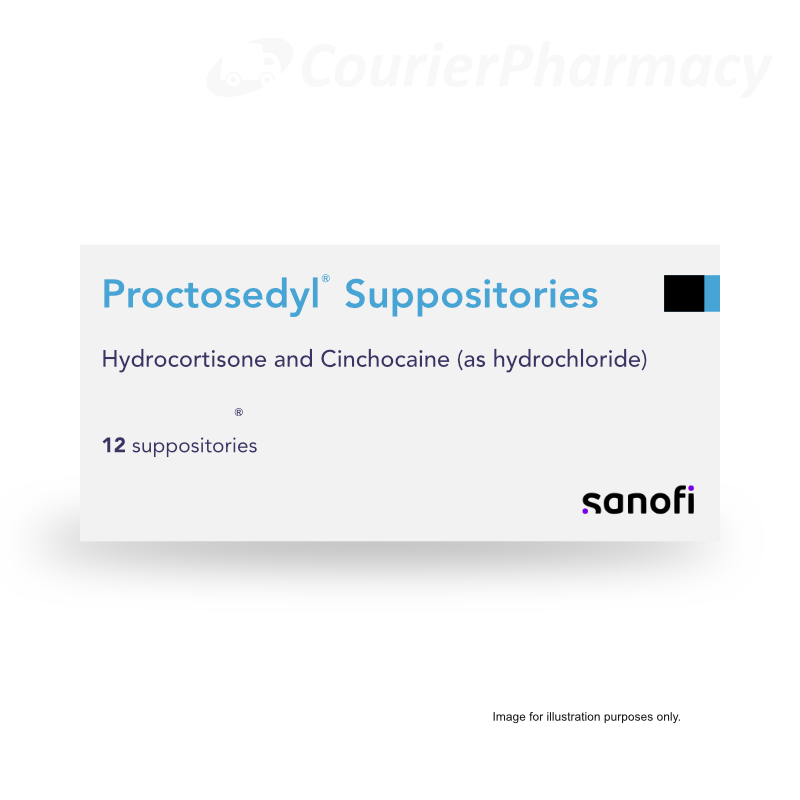
For more severe inflammation, your doctor might prescribe stronger topical treatments, such as Scheriproct or Proctosedyl ointment. These contain steroids to reduce inflammation, along with other ingredients to ease pain and protect the skin [2].
These are usually prescribed for short courses (7-10 days) and are more suitable for second and third-degree haemorrhoids [2].
Procedures for internal haemorrhoids
If you have third or fourth-degree internal haemorrhoids that don’t respond to medical treatment, your GP may refer you to a specialist. Two main procedures are available:
Banding involves placing a tight elastic band around the base of the haemorrhoid to cut off its blood supply. The tissue shrinks and eventually falls off.
Sclerotherapy uses an injection to numb the pain and harden the haemorrhoid tissue, causing it to shrivel.
Both procedures are minimally invasive and effective for most people.
Additional symptom relief
While treating the underlying cause, you can ease discomfort with:
- Ice packs applied for short periods to reduce swelling
- Warm baths (without additives like bubble bath) to soothe pain
- Over-the-counter painkillers like paracetamol (avoid ibuprofen or aspirin if you’re bleeding, as these can increase bleeding)
Preventing haemorrhoids
Prevention is always better than treatment. Once you’ve had haemorrhoids, you’re more likely to get them again. These steps reduce your risk significantly:
- Eat plenty of fibre-rich foods daily
- Drink 6-8 glasses of water daily
- Exercise regularly—even 30 minutes of walking most days helps
- Don’t ignore the urge to pass a stool
- Avoid sitting on the toilet for extended periods
- Take regular breaks if you have a desk job
- Maintain a healthy weight
- Manage stress (stress can trigger digestive issues)
If constipation is a recurring problem, consider keeping a food diary to identify which foods help your digestion. Some people find that certain foods trigger constipation while others help keep things moving.
Haemorrhoids myth busting
Sitting on cold surfaces causes haemorrhoids: False. Temperature has no effect on haemorrhoid development.
Haemorrhoids are caused by spicy food: Not directly. Spicy food might irritate existing haemorrhoids, but it doesn’t cause them.
Haemorrhoids are a sign of poor hygiene: Absolutely not. They’re a medical condition, not related to cleanliness.
You can catch haemorrhoids from someone else: No, they’re not contagious.
Straining is the only cause of haemorrhoids: False. Straining is a big trigger, but pregnancy, being overweight, long periods of sitting, chronic diarrhoea, and ageing can all play a part.
If you have bleeding, it’s definitely haemorrhoids: False. Haemorrhoids are a common cause of bright red blood, but bleeding should still be checked, especially if it’s new, heavy, keeps coming back, or comes with weight loss or a change in bowel habits.
Only older people get haemorrhoids: False. They’re more common as you get older, but they can happen at any age, including during pregnancy or if you’re often constipated.
Haemorrhoids always hurt: False. Internal haemorrhoids often cause painless bleeding. Pain is more common with external haemorrhoids, especially if there’s a clot.
If you can’t feel a lump, you don’t have haemorrhoids: False. Internal haemorrhoids can be present without any lump you can feel.
Haemorrhoids mean you’ve got bowel cancer: False. Haemorrhoids are not cancer. That said, don’t ignore bleeding. Get it checked so the cause is clear.
You should avoid exercise if you have haemorrhoids: False. Gentle movement can help with constipation and reduce straining. Heavy lifting can make symptoms worse, so it’s about choosing the right type of exercise.
Using creams will “cure” haemorrhoids forever: False. Creams can ease symptoms, but if the cause (like constipation) isn’t fixed, haemorrhoids can come back.
Going to the toilet less often helps haemorrhoids: False. Holding stools in can make constipation worse and increase straining later. It’s better to go when you feel the urge.
If you sit on the toilet longer, you’ll empty better: False. Sitting for ages increases pressure on the veins around the anus. Aim for short visits and avoid scrolling. Your phone will survive without you.
Frequently asked questions about haemorrhoids
Is there a difference between haemorrhoids and piles?
No. Haemorrhoids is the medical term, and piles is the common name. They’re the same condition.
What happens in your body with haemorrhoids?
To understand haemorrhoids better, it helps to know what’s happening inside. Your rectum and anus are lined with blood vessels that normally drain blood smoothly. When you strain or put extra pressure on this area, the veins can become congested. The blood backs up, the vessel walls weaken, and the tissue swells.
As the swelling increases, the tissue protrudes, creating the characteristic lumps. If the blood supply to the haemorrhoid is reduced or cut off, it becomes painful and may bleed. This is why some haemorrhoids cause no symptoms while others are quite uncomfortable.
The severity depends on the degree of the haemorrhoid:
First degree haemorrhoids are small and stay inside the anus. You won’t see them, and they usually cause no symptoms.
Second degree haemorrhoids are larger. They may poke out when you pass a stool, then slip back inside on their own.
Third degree haemorrhoids hang down from the anus permanently but can be pushed back inside manually.
Fourth degree haemorrhoids are large and stay outside. They can’t be pushed back in and usually need medical treatment.
What causes piles and haemorrhoids?
The main cause is straining during bowel movements, usually due to constipation. Other factors include pregnancy, obesity, age over 45, heavy lifting, prolonged sitting, and family history.
When is it appropriate to self-treat haemorrhoids?
First and second degree haemorrhoids can usually be self-treated with lifestyle changes and over-the-counter products. Third and fourth degree haemorrhoids need medical evaluation.
How long do haemorrhoids last?
Many resolve within a few weeks with lifestyle changes. Others may persist for months. If symptoms don’t improve after two weeks of treatment, see your doctor.
Can haemorrhoids cause serious complications?
Serious complications are rare. Occasionally, a blood clot can form inside an external haemorrhoid (thrombosed haemorrhoid), which is painful but not dangerous. Severe bleeding is uncommon and usually responds to treatment.
Is itching around the anus always a sign of haemorrhoids?
Not necessarily. While itching is a common haemorrhoid symptom, it can also indicate threadworms, skin irritation, or other conditions. A proper diagnosis is important.
Are skin tags the same as haemorrhoids?
No. Anal skin tags are loose folds of skin that can develop after haemorrhoids but are a separate issue. They should be checked by your doctor.
Can I exercise with haemorrhoids?
Yes, gentle exercise is beneficial and helps prevent constipation. Avoid heavy lifting and high-impact activities until symptoms improve.
Will haemorrhoids come back after treatment?
They can, especially if you return to habits that caused them (low fibre diet, straining, prolonged sitting). Maintaining healthy lifestyle habits significantly reduces recurrence.
Should I see a doctor about haemorrhoids?
See your doctor if you experience rectal bleeding, symptoms that don’t improve after a week, severe pain, or if you’re unsure whether your symptoms are haemorrhoids.
How Courier Pharmacy can help
At Courier Pharmacy, we understand that haemorrhoids can be uncomfortable and embarrassing to discuss. Our expert team is here to help without judgment.
We stock a range of over-the-counter treatments and prescription medicine options to suit different needs and preferences, from creams and ointments to suppositories. Our pharmacists can advise you on which product might work best for your situation and answer any questions about usage.
We also offer free consultations where we can discuss your symptoms, lifestyle factors, and prevention strategies. If we think you need medical attention, we’ll advise you to see your GP.
For those interested in preventive health, we offer home blood testing kits that can help identify nutritional deficiencies that might contribute to constipation and digestive issues. Understanding your nutrient levels can help you make informed dietary choices to support digestive health and prevent haemorrhoids.
Looking to the future
Research into haemorrhoid treatments continues to evolve. Newer minimally invasive procedures are becoming more widely available, offering faster recovery times and fewer side effects than traditional surgery.
The focus is increasingly on prevention and early intervention rather than waiting for symptoms to become severe. Better public education about fibre intake, hydration, and lifestyle factors is helping people manage their digestive health proactively.
Key takeaway: haemorrhoids are common, manageable, and usually preventable
Haemorrhoids affect millions of people, but they’re rarely serious. Most cases resolve with simple lifestyle changes—more fibre, more water, regular exercise, and avoiding prolonged straining. Over-the-counter treatments can ease symptoms while you address the root cause.
The key is not ignoring symptoms or feeling too embarrassed to seek help. A quick chat with your GP or pharmacist can confirm what you’re dealing with and rule out other conditions. Once you know it’s haemorrhoids, you’re well on your way to feeling better.
Disclaimer: This article is for informational purposes only and does not constitute medical advice. Always consult with a qualified healthcare professional for any health concerns or before making any decisions related to your health or treatment.
References
[1] NHS (2023) Piles (haemorrhoids). NHS. Available at: https://www.nhs.uk/conditions/piles-haemorrhoids/ (Accessed: 4 March 2026).
[2] NICE (2023) Haemorrhoids. Clinical Knowledge Summaries. Available at: https://cks.nice.org.uk/topics/haemorrhoids/ (Accessed: 4 March 2026).
[3] Courier Pharmacy (2026) Understanding digestive health and constipation management. Courier Pharmacy. Available at: https://www.courierpharmacy.co.uk (Accessed: 4 March 2026).
About this content
This article was written by the Courier Pharmacy team and reviewed by our registered pharmacist to ensure accuracy and clinical relevance. It’s based on current NHS and NICE guidance, peer-reviewed research, and real patient experiences. We’ve aimed to make complex medical information accessible and practical, so you can make informed decisions about your health. If you have specific concerns about your symptoms, please consult your GP or pharmacist for personalised advice.

BSc Pharmacy, Independent Prescriber, PgDip Endocrinology, MSc Endocrinology, PgDip Infectious Diseases
Superintendant Pharmacist, Independent Prescriber

BSc Pharmacy
Compounding Pharmacist

