

Psoriasis
More than skin deep. Take control of psoriasis with treatment built around you.
Soothe stubborn plaques and calm the itch to help your skin feel like yours again.
Calm the flare, ease the itch, reclaim your skin..
Find the right psoriasis treatment for you
View All Products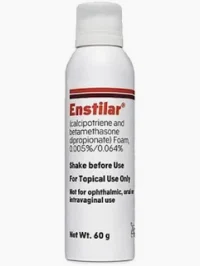


What you should know about psoriasis
No, not at all. As the NHS makes clear, psoriasis is an immune condition, not an infection, so you cannot catch it or pass it to anyone else. It happens because the immune system speeds up skin cell production. Saying this openly helps reduce the stigma that many people with psoriasis still face.
It’s driven by the immune system and genetics. As the NHS explains, immune cells trigger inflammation and tell the skin to make new cells too quickly. Psoriasis often runs in families, and flares are usually set off by triggers such as infections, stress, smoking, skin injury, or certain medicines.
It depends on the type and severity. For most people, NICE guideline CG153 recommends regular emollients plus a topical steroid and a vitamin D treatment as the first active step. More severe psoriasis may need light treatment, tablets, or biologics under a specialist. A pharmacist can help you get the most from topical treatments.
There’s no cure yet, but it’s very manageable. As the NHS notes, psoriasis tends to flare and settle over time, and treatment can keep it well controlled, sometimes clearing the skin for long periods. The aim is fewer, smaller flares and skin that doesn’t dominate your life.
Triggers vary from person to person. As NICE describes, common ones include throat infections, stress, skin injury, smoking, alcohol, cold weather, and certain medicines. Keeping a simple note of what precedes your flares can help you spot and reduce your own triggers over time.
It might, though the evidence is still early. Low-dose naltrexone, around 1 to 5mg daily, has anti-inflammatory effects, and small studies and case reports suggest it can improve psoriasis for some people. As a 2025 review in the Journal of the American Academy of Dermatology notes, larger trials are needed. We offer it off-label, after assessment, as a low-cost, well-tolerated option to consider. It isn’t suitable alongside opioid painkillers.
Yes, it can. A notable share of people with psoriasis develop psoriatic arthritis, which causes joint pain, swelling, and stiffness. As NICE advises, new joint symptoms should be checked promptly, since early treatment helps protect the joints. Mention any joint problems to your GP or pharmacist.
See your GP if your psoriasis is widespread, isn’t improving, or is affecting your wellbeing or daily life. Seek urgent help for sudden widespread redness, a rash of pus-filled blisters, or new joint pain and swelling. As NICE advises, these may need specialist care, and asking for help early is always sensible.
Additional information
Psoriasis
Psoriasis has a way of making itself known, with raised, scaly patches that flare when you least want them to and settle on their own timeline, not yours. It’s common, it’s long-term, and it’s far more manageable than many people realise. At Courier Pharmacy, we believe healthcare should fit the person, not force the person to fit the system. So we build support around your skin and your life, with personalised treatment, honest guidance from real pharmacists, a community that gets it, and care you can trust. Healthcare that fits you, flares and all. Itchy, scaly, and flaring up again? We can help you take control of psoriasis.

Five key takeaways
- Psoriasis is an immune condition, not poor hygiene. As the NHS explains, it happens when skin cells are made too quickly and build up into patches.
- It’s common and not contagious. Psoriasis affects around 2 in 100 people in the UK, as the Psoriasis Association notes, and you cannot catch it or pass it on.
- Treatment usually starts simply. NICE guideline CG153 recommends emollients for everyone, with topical steroids and vitamin D treatments as the first active step.
- It can affect more than skin. Psoriasis is linked to joint problems and other health conditions, so it’s worth looking at the whole picture, as NICE advises.
- The mental side is real. Psoriasis can affect mood and confidence, and support for that matters just as much as creams.

How Courier Pharmacy helps with psoriasis
- Emollients and personalised topical treatments to soothe and manage your skin
- Online consultations for prescription topical treatments, where suitable
- Compounded options for sensitive or reactive skin
- Blood tests to support your wider health where useful
- Honest guidance on triggers, self-care, and when to seek specialist help
- Free fortnightly drop-in clinics in Derby, with no cost and no pressure
Mild to moderate psoriasis can often be managed with topical treatment and support. More severe psoriasis is led by your GP and dermatology team, and we work alongside them.

What you should know about psoriasis treatments
Good psoriasis care follows a clear, stepwise path. First, get the diagnosis and type confirmed, because it shapes treatment. Second, manage the things that trigger flares, from stress to smoking. Third, work up the treatment ladder, starting with moisturisers and topical treatments. Fourth, tailor the plan to you and review it regularly.
This is the approach the NHS and NICE take, and the one we support at Courier Pharmacy. As NICE guideline CG153 sets out, emollients are for everyone, and many people do well on topical treatments alone. The goal isn’t a single cure. It’s calmer skin, fewer flares, and a condition that takes up far less of your life.
Psoriasis overview
Psoriasis is a long-term condition that causes patches of skin to become thickened, scaly, and inflamed. As the NHS describes, it’s caused by the immune system speeding up the production of skin cells, which pile up into the patches you can see and feel.
The impact reaches well beyond the skin. Psoriasis can itch, sting, and crack, and because it’s often visible, it can affect confidence, relationships, and mood. As the dermatology literature notes, the psychological burden is significant and frequently underestimated. None of that is vanity, and none of it is something you have to face alone.
Psoriasis also tends to come and go. As the NHS explains, it often flares for a while and then settles into a quieter period, sometimes for months or years. Various things can trigger a flare, which is why understanding your own pattern is so useful. The aim of treatment is to keep flares smaller, shorter, and easier to live with.
Why does this matter? Because psoriasis is common, long-term, and very manageable with the right plan. Most people keep it well controlled, often with simple treatments. The first step is understanding what you’re dealing with, and knowing that good support exists.

What is psoriasis?
Psoriasis is an immune-mediated inflammatory skin condition, which means the immune system mistakenly drives inflammation and rapid skin cell growth. As the NHS explains, this causes raised patches, often covered with silvery scale.
Common symptoms include:
- Raised patches of skin, often red, pink, or darker depending on skin tone
- A silvery-white or grey scale on top of the patches
- Itching, soreness, or a burning feeling
- Dry, cracked skin that may bleed
- Patches commonly on the elbows, knees, scalp, and lower back
- Changes to the nails, such as pitting or lifting
As the dermatology literature notes, psoriasis can appear anywhere, and the way it looks varies from person to person and across skin tones, which can sometimes make it harder to recognise.
Types of psoriasis
Psoriasis isn’t one single thing. As the NHS describes, there are several types, and a person can have more than one.
- Plaque psoriasis is the most common, causing the classic raised, scaly patches.
- Scalp psoriasis affects the scalp, sometimes extending to the hairline, and is very common.
- Guttate psoriasis causes small, drop-shaped spots, often appearing after a throat infection, particularly in younger people.
- Flexural or inverse psoriasis appears in skin folds, like the groin or under the breasts, and tends to be smooth rather than scaly.
- Nail psoriasis causes pitting, discolouration, and lifting of the nails.
- Pustular and erythrodermic psoriasis are rarer, more severe forms that need urgent medical care.
How common is psoriasis?
Psoriasis is one of the most common long-term skin conditions there is. The Psoriasis Association reports that it affects around 2 in 100 people in the UK, which adds up to well over a million people.
It can start at any age, though it often appears in early adulthood or later in life. As the dermatology literature notes, it affects people of all backgrounds and skin tones, and tends to run in families. If you have psoriasis, you’re in very large company, and there’s a well-established path to managing it.
What causes psoriasis?
Psoriasis comes from a mix of genetics and an overactive immune response, with certain triggers setting off flares. The NHS and NICE describe the main factors.
Your genes and immune system
Psoriasis tends to run in families, and it’s driven by the immune system. As the NHS explains, immune cells mistakenly trigger inflammation and tell the skin to make new cells far too quickly. The genetic side helps explain why it often appears in relatives.

Common triggers
Flares are often set off by something. As NICE notes, common triggers include throat infections, stress, skin injury, smoking, drinking alcohol, cold or dry weather, and certain medicines such as some blood pressure tablets and lithium. Spotting your own triggers can help you reduce flares.
It isn’t contagious
This one matters. As the NHS makes clear, psoriasis cannot be caught or passed on. It’s an internal immune process, not an infection, so there’s no risk to anyone around you. Saying so openly helps chip away at the stigma.
What happens in the body with psoriasis?
Normally, your skin renews itself slowly, with new cells taking around three to four weeks to rise to the surface and shed. In psoriasis, the immune system speeds this up dramatically, as the NHS explains, so cells reach the surface in just a few days.
Because the skin can’t shed them fast enough, the cells pile up. That build-up, together with inflammation, creates the raised, scaly patches that define the condition. The redness or discolouration comes from increased blood flow to the inflamed area.
This is why treatments work the way they do. As the peer-reviewed review by Untaaveesup and colleagues on vitamin D in psoriasis explains, treatments aim to calm the overactive immune response and slow skin cell growth. Emollients soothe and protect, while active treatments target the inflammation underneath.

Psoriasis and your wider health
Psoriasis is more than skin deep, and good care looks at the whole person. As NICE advises, it’s worth being aware of a few linked issues.
The most important is psoriatic arthritis, a form of inflammatory joint disease that affects a notable share of people with psoriasis. As the rheumatology literature describes, it can cause joint pain, swelling, and stiffness, and the skin usually shows up before the joints. Catching it early matters, so any new joint symptoms are worth flagging promptly.
Psoriasis is also linked with cardiovascular and metabolic health, including heart disease, weight, and diabetes, which is why NICE suggests keeping an eye on these. And as the dermatology literature stresses, psoriasis can take a real toll on mental health, with low mood and anxiety common. Looking after that side is just as important as treating the skin.
When to see a doctor
Most psoriasis is managed in the community, but some situations need prompt medical attention. This advice reflects NHS and NICE guidance.
Seek urgent medical help if you have:
- A sudden, widespread redness or shedding of the skin, which can be a serious flare
- A widespread rash of pus-filled blisters, especially with feeling unwell
- New joint pain, swelling, or stiffness, which could signal psoriatic arthritis
See your GP if your psoriasis is widespread, isn’t improving with treatment, or is significantly affecting your wellbeing, work, or relationships. As NICE advises, this is exactly when a referral to a dermatologist or rheumatologist can help. Asking for support is sensible, not a sign you’re not coping.

Diagnosing psoriasis
Psoriasis is usually diagnosed from how your skin looks, without the need for tests. A GP or pharmacist can often recognise it from the appearance and pattern of the patches, and by asking about your symptoms and family history, as the NHS describes.
Occasionally a skin biopsy is used to confirm the diagnosis if there’s any doubt. Clinicians may also ask about your joints, since screening for psoriatic arthritis is an important part of assessment, as NICE recommends.
This is where Courier Pharmacy can support you. While diagnosis sits with your GP or dermatologist, our pharmacists can help you understand your condition, get the most from your treatments, and arrange blood tests that support your wider health where useful. Tests that answer the question, not just tick a box.
Treating psoriasis: current treatments
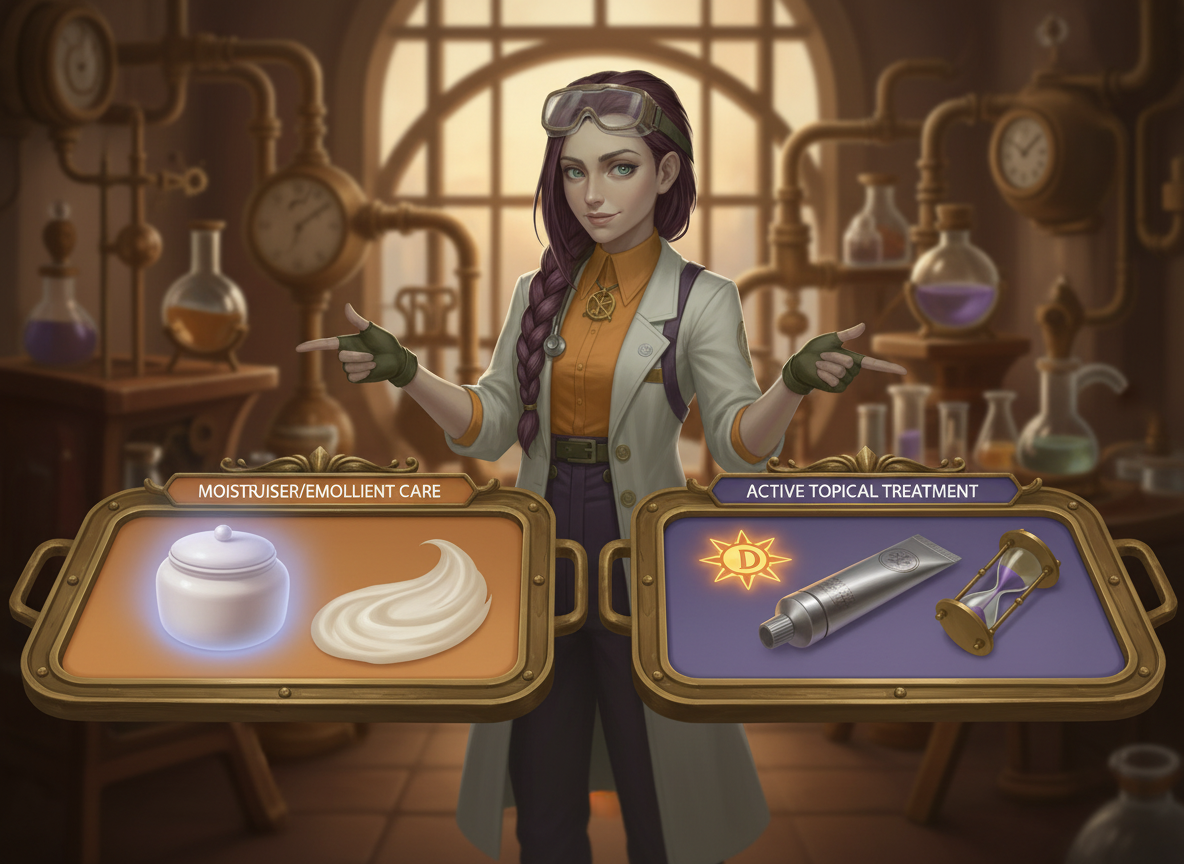
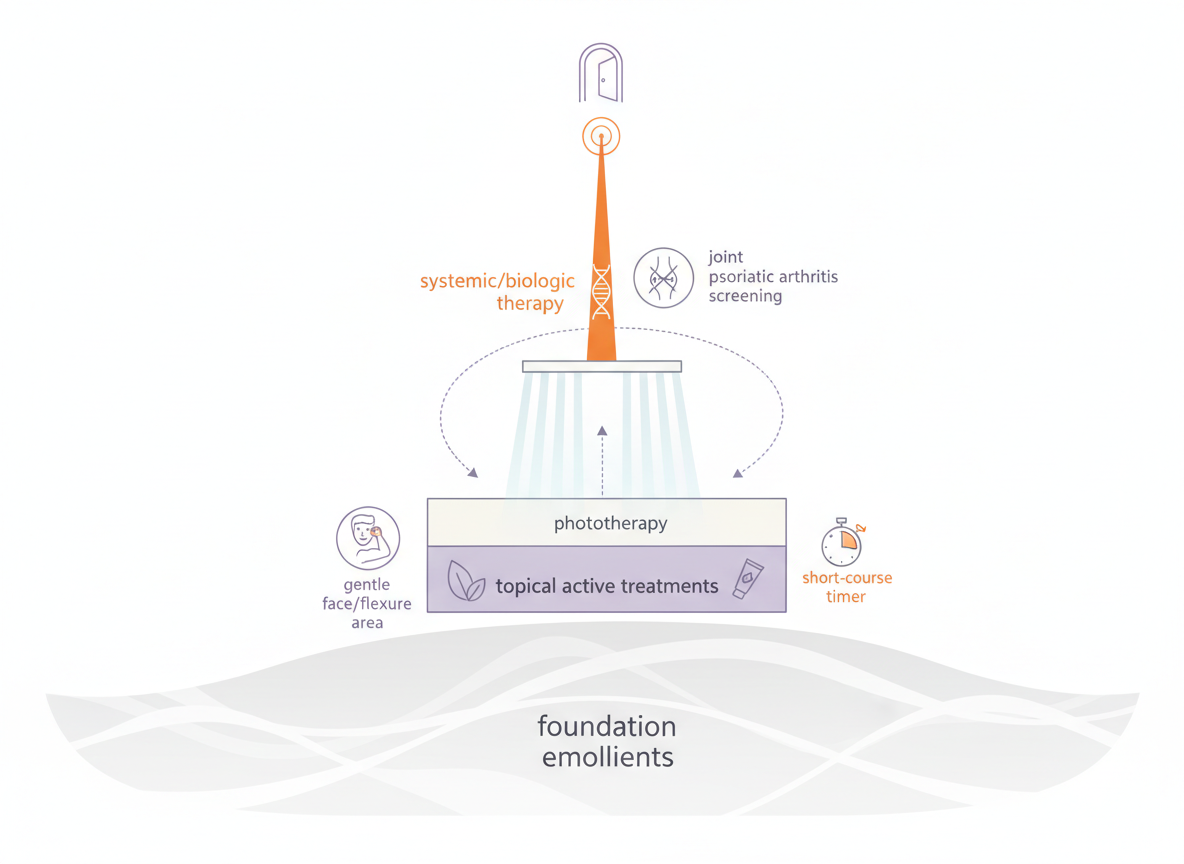
Psoriasis treatment follows a ladder, set out in NICE guideline CG153. Most people start at the bottom and only move up if needed.
Emollients
These are the foundation for everyone. As NICE recommends, regular moisturisers soothe the skin, reduce scaling and itching, and make other treatments work better. Used consistently, they’re one of the simplest and most valuable parts of any plan.
Topical steroids and vitamin D treatments
For active patches on the body, NICE recommends a potent topical corticosteroid alongside a vitamin D treatment such as calcipotriol, often as a combined product, used for a set period. As the peer-reviewed review by Untaaveesup and colleagues notes, vitamin D treatments are effective and steroid-sparing. These are used carefully and reviewed, since steroids need breaks between courses.
Scalp and sensitive areas
Scalp psoriasis has its own treatments, including medicated shampoos, steroid preparations, and vitamin D products, as NICE describes. For delicate areas like the face and skin folds, gentler, lower-strength options are used for short periods.
Coal tar and other topicals
Older but still useful options include coal tar preparations, which reduce scaling and itching. A pharmacist can help you find a format that suits your skin and lifestyle.
Phototherapy
For more widespread psoriasis, controlled light treatment under specialist supervision can help, as the NHS explains. This is arranged through dermatology rather than at home.
Systemic treatments and biologics
For moderate to severe psoriasis that hasn’t responded to other treatments, dermatologists may use tablets such as methotrexate, or biologic medicines that precisely target the immune pathways involved. As NICE describes, these are started and supervised by specialists, with regular monitoring.
Compounded and personalised options
Standard products don’t suit everyone. Some people react to certain ingredients or need a particular strength or base. This is where Courier Pharmacy’s personalised compounding can help, tailoring a topical treatment around your skin and needs.
Patient experiences and challenges
If you’ve ever felt people staring, or covered up on a hot day, you’ll know psoriasis is about far more than skin. It’s one of the most common frustrations people share with us. The visible nature of it can chip away at confidence in a way that’s hard to explain to anyone who hasn’t lived it.
Many people also tell us they were made to feel it was their fault, or just a cosmetic nuisance to put up with. As the dermatology literature highlights, psoriasis can significantly affect mental health and quality of life, yet that side is often overlooked. The constant cycle of flares and remissions can be wearing too.
Here’s what we want you to hear. Psoriasis is not your fault, not contagious, and not something you simply have to endure. You’re not vain for wanting clearer, calmer skin, and you’re not alone. You’re the one living in your skin, and you get to decide what good control looks like. Our job is to help you get there, and to take the whole of you seriously, not just the patches.
Innovative and new treatments for psoriasis
Psoriasis care has been transformed in recent years, and the pace of progress is genuinely exciting. As always, we’d weigh the evidence over the hype.
The biggest leap has been in biologic medicines, which target the specific immune signals driving psoriasis, such as certain interleukins. As the dermatology literature describes, newer biologics can clear skin dramatically for many people with moderate to severe disease. Newer tablet treatments and refined topical formulations are adding to the options, and research into vitamin D and combination approaches continues, as the review by Untaaveesup and colleagues notes.
At Courier Pharmacy, our role here is honest guidance. We’ll help you understand which treatments are relevant to your situation, and when a referral for newer options makes sense, so you can have informed conversations with your care team.
Looking to the future: research and hope
The direction of travel is encouraging. Researchers are developing ever more targeted treatments, better understanding the immune pathways involved, and personalising care to the individual. The peer-reviewed literature points to a future with more effective, better-tolerated options.
There’s real reason for optimism. Psoriasis is one of the most actively researched skin conditions in medicine, and outcomes have improved enormously. We won’t promise a cure. What we will say is that more people are achieving clear or nearly clear skin than ever before, and the right plan can help you live well with psoriasis.
Low-dose naltrexone (LDN) for psoriasis
Naltrexone is a medicine normally used at higher doses for addiction, but at much lower doses, typically around 1 to 5mg a day, it behaves very differently. This low-dose form, known as LDN, has gained interest as a gentle, low-cost option for several inflammatory conditions, including psoriasis. It’s an area we know well at Courier Pharmacy.
How LDN may work
At these low doses, naltrexone seems to calm inflammation rather than block pain. As a 2025 clinical review in the Journal of the American Academy of Dermatology explains, it briefly blocks opioid receptors, which prompts the body to increase its own natural anti-inflammatory signals. It also acts on part of the immune system called toll-like receptor signalling. This can reduce the release of inflammatory messengers such as tumour necrosis factor, interleukin-6, and interleukin-12, calm overactive T cells, and lower the adhesion molecules and chemokine receptors that drive skin inflammation. In psoriasis, where the immune system speeds up skin cell growth, easing that inflammation is exactly the aim.
What the evidence shows
The evidence is promising but still early. In a non-randomised trial of 71 people with mild to severe psoriasis, reported by Khan and colleagues, three months of low-dose naltrexone reduced the average psoriasis severity score from about 18 to 14, lowered the body area affected, and improved quality-of-life scores. A separate case report by Beltran Monasterio described a woman with severe erythrodermic psoriasis who reached remission after three months of 4.5mg LDN daily, and an earlier case reported clear improvement in plaque psoriasis over six months. Across dermatology more widely, LDN has shown promise in several other inflammatory skin conditions, and it’s consistently noted to be low-cost and well tolerated.
An honest word on the limitations
We believe in being straight with you. The evidence for LDN in psoriasis is modest. The studies so far are small, non-randomised, or single case reports, and there are no large randomised trials yet to confirm how well it works or how it compares to standard treatments. Long-term data is limited too. So LDN is best thought of as a promising, experimental option or add-on, not a replacement for established psoriasis care. As the dermatology review notes, larger trials are needed to pin down the right dose and where it fits.
LDN at Courier Pharmacy
Because it’s used off-label for psoriasis, LDN is only ever prescribed after a proper assessment and a clear, honest conversation about what we do and don’t yet know, with your informed consent. It’s compounded to the low strengths needed, which standard products don’t provide. One important safety point: LDN acts on opioid receptors, so it isn’t suitable if you take opioid painkillers. If you’re curious whether it might fit alongside your current care, our pharmacists and prescribers are happy to talk it through.
How Courier Pharmacy helps with psoriasis
We started Courier Pharmacy because too many people with long-term conditions feel dismissed. Psoriasis is a perfect example. Your skin, your triggers, and your life are unique, so your plan should be too. That personalisation is the first of our four pillars, and it’s why we offer everything from emollients to compounded options for sensitive skin.
The other pillars carry it through. Guidance means our pharmacists help you understand your treatments, use them properly, and avoid wasting money on things that won’t help. Trust means we’re a UK-regulated pharmacy that’s honest about what we can manage, like mild to moderate psoriasis, and quick to point you towards your GP or dermatology team when specialist care is the right call. Community means we show up for people, even when there’s nothing to buy, and we take the mental side of psoriasis seriously.
That spirit has a face in Dr Ada Jex-Cori, the voice of our approach, whose message is simple: you’re not broken, and you deserve healthcare that fits your life. With psoriasis, that means calmer skin, honest advice, and support for the whole of you. Healthcare that fits you, not the other way round.
Frequently asked questions about psoriasis
Is psoriasis contagious?
No, not at all. As the NHS makes clear, psoriasis is an immune condition, not an infection, so you cannot catch it or pass it to anyone else. It happens because the immune system speeds up skin cell production. Saying this openly helps reduce the stigma that many people with psoriasis still face.
What causes psoriasis?
It’s driven by the immune system and genetics. As the NHS explains, immune cells trigger inflammation and tell the skin to make new cells too quickly. Psoriasis often runs in families, and flares are usually set off by triggers such as infections, stress, smoking, skin injury, or certain medicines.
What’s the best treatment for psoriasis?
It depends on the type and severity. For most people, NICE guideline CG153 recommends regular emollients plus a topical steroid and a vitamin D treatment as the first active step. More severe psoriasis may need light treatment, tablets, or biologics under a specialist. A pharmacist can help you get the most from topical treatments.
Can psoriasis be cured?
There’s no cure yet, but it’s very manageable. As the NHS notes, psoriasis tends to flare and settle over time, and treatment can keep it well controlled, sometimes clearing the skin for long periods. The aim is fewer, smaller flares and skin that doesn’t dominate your life.
What triggers a psoriasis flare-up?
Triggers vary from person to person. As NICE describes, common ones include throat infections, stress, skin injury, smoking, alcohol, cold weather, and certain medicines. Keeping a simple note of what precedes your flares can help you spot and reduce your own triggers over time.
Can psoriasis affect my joints?
Yes, it can. A notable share of people with psoriasis develop psoriatic arthritis, which causes joint pain, swelling, and stiffness. As NICE advises, new joint symptoms should be checked promptly, since early treatment helps protect the joints. Mention any joint problems to your GP or pharmacist.
When should I see a doctor about psoriasis?
See your GP if your psoriasis is widespread, isn’t improving, or is affecting your wellbeing or daily life. Seek urgent help for sudden widespread redness, a rash of pus-filled blisters, or new joint pain and swelling. As NICE advises, these may need specialist care, and asking for help early is always sensible.
How can Courier Pharmacy help with psoriasis?
We can support mild to moderate psoriasis with emollients, personalised topical treatments, and compounded options, plus honest advice on triggers and self-care. We can arrange blood tests where useful and point you to specialist care when needed. It starts with a chat with one of our pharmacists or a quick online consultation.
More than a condition: our community
Living with a visible skin condition can feel isolating, especially when it affects your confidence. So we made a space where you don’t have to hide it. Every fortnight, we run free drop-in clinics and talks at Insomnia in Derby, from 10am to 12pm. No cost. No pressure. Just real support, honest answers, and people who understand.
Come with a question, come to listen, or come for a brew and a chat. You’re welcome either way. Learn more about our community talks.
How this content was created
Written by the Courier Pharmacy editorial team and reviewed by a GPhC-registered pharmacist. Grounded in the latest NHS, NICE and BNF guidance, peer-reviewed studies, and the real questions patients bring to our drop-in clinics in Derby.
By the Courier Pharmacy editorial team. Medically reviewed by a GPhC-registered pharmacist. Last reviewed: June 2026.
Important disclaimer
This page is for general information and education. It isn’t medical advice, and it isn’t a substitute for a consultation with a qualified healthcare professional. Psoriasis treatments may not be suitable for everyone, and moderate to severe psoriasis usually needs specialist care. Sudden widespread skin changes or new joint symptoms need prompt medical attention. Always speak to a prescriber or pharmacist before starting any treatment.
References
[1] National Health Service (2022) Psoriasis. Available at: https://www.nhs.uk/conditions/psoriasis/ (Accessed: 22 June 2026).
[2] National Institute for Health and Care Excellence (2012, updated 2017) Psoriasis: assessment and management (CG153). Available at: https://www.nice.org.uk/guidance/cg153 (Accessed: 22 June 2026).
[3] National Institute for Health and Care Excellence (2017) Psoriasis: initial treatment with topical medication (CG153, information for the public). Available at: https://www.nice.org.uk/guidance/cg153/ifp/chapter/initial-treatment-with-topical-medication (Accessed: 22 June 2026).
[4] National Institute for Health and Care Excellence (2024) Psoriasis: Clinical Knowledge Summary. Available at: https://cks.nice.org.uk/topics/psoriasis/ (Accessed: 22 June 2026).
[5] Psoriasis Association (no date) About psoriasis. Available at: https://www.psoriasis-association.org.uk/about-psoriasis (Accessed: 22 June 2026).
[6] Untaaveesup, S. et al. (2024) ‘Oral and topical vitamin D treatment strategies in psoriasis: a review’, Journal of Clinical Medicine. Available at: https://www.ncbi.nlm.nih.gov/pmc/articles/PMC12202880/ (Accessed: 22 June 2026).

BSc Pharmacy, Independent Prescriber, PgDip Endocrinology, MSc Endocrinology, PgDip Infectious Diseases
Superintendant Pharmacist, Independent Prescriber

BSc Pharmacy
Compounding Pharmacist

