

Find the right coughs and colds treatment for you
View All Products




What you should know about coughs and colds
Longer than most people expect. As the NHS explains, a cold usually lasts about a week to ten days, while a cough can linger for up to three or four weeks, even when nothing is wrong. A cough that drags on after the cold has gone is usually a normal post-viral cough rather than a sign of a problem.
Almost never. As NICE guideline NG120 makes clear, coughs and colds are caused by viruses, and antibiotics only work on bacteria. They make little difference, can cause side effects, and add to antibiotic resistance. They’re reserved for people who are very unwell or at higher risk of complications, judged case by case.
Keep it simple. As the NHS advises, rest, keep warm, drink plenty of fluids, and use paracetamol or ibuprofen for aches, sore throat, and fever. Decongestants, lozenges, and honey can ease specific symptoms. A pharmacist can help you pick the right combination for how you’re feeling.
It can. As NICE notes, honey can help soothe a cough in adults and children over one year old, and it’s a sensible first thing to try. Never give honey to a baby under one. A warm drink with honey is gentle, cheap, and often as effective as over-the-counter cough medicines, which have limited evidence.
By how it hits you. As the NHS explains, colds come on gradually and stay mild, while flu often arrives suddenly with fever, aches, and exhaustion. COVID-19 can feel similar and is confirmed with a test. The care is much the same for all three, but testing and a pharmacist’s advice can help if you’re unsure.
Call 999 for severe breathing difficulty, severe chest pain, or blue or grey lips or skin. See a pharmacist, GP, or NHS 111 for a cough lasting more than three weeks, coughing up blood, a high temperature that won’t settle, or if you feel very unwell. As NICE advises, these can signal something more serious.
You can lower your risk. As the NHS advises, wash your hands regularly, avoid touching your face, and use and bin tissues for coughs and sneezes. Keeping surfaces clean helps during cold season. For flu, the annual vaccine is the best protection, especially if you’re in a higher-risk group.
With honest advice and the right remedies. We can recommend products to ease your symptoms, check they’re safe with your other medicines, and help you decide whether self-care is enough or it’s time to seek help. We’ll always be straight with you about when antibiotics aren’t needed. It starts with a quick chat with a pharmacist.
Additional information
Coughs and colds
Coughs and colds have a knack for arriving at the worst possible moment, the week before a holiday, the night before a big day, the start of every school term. They’re miserable, they’re everywhere, and the good news is they almost always get better on their own. At Courier Pharmacy, we believe healthcare should fit the person, not force the person to fit the system. So we help you feel better faster, with honest pharmacist advice, the right remedies for your symptoms, clear guidance on when to seek help, and care you can trust. Healthcare that fits you, sniffles and all. Blocked up, coughing, and run down? We can help you get through coughs and colds.

Five key takeaways
- Coughs and colds are almost always viral. As the NHS explains, they’re caused by viruses, not bacteria, and usually clear up by themselves.
- They take longer than you’d think. A cold can linger for a week or two, and a cough often lasts up to three or four weeks, as NICE describes.
- Antibiotics usually won’t help. As NICE guideline NG120 makes clear, antibiotics make little difference to a normal cough or cold and carry side effects.
- Self-care does the heavy lifting. Rest, fluids, and simple pain relief are the mainstays, as the NHS advises.
- Some symptoms need checking. Breathlessness, chest pain, coughing up blood, or a cough lasting more than three weeks all warrant medical advice.
How Courier Pharmacy helps with coughs and colds
- Honest pharmacist advice on the right remedies for your symptoms
- Effective self-care products, from pain relief to decongestants and cough soothers
- Clear guidance on when self-care is enough and when to seek help
- Extra care for higher-risk groups, such as people with long-term conditions
- Convenient delivery, so you don’t have to drag yourself to the shops
- Free fortnightly drop-in clinics in Derby, with no cost and no pressure
What you should know about treating coughs and colds
Good care for coughs and colds follows a simple, sensible path. First, recognise that it’s almost always a virus, which means it will pass. Second, treat the symptoms so you feel more comfortable while your body does its job. Third, know the warning signs that mean it’s time to seek help. Fourth, take extra care if you or someone you’re looking after is in a higher-risk group.
This is the approach the NHS and NICE take, and the one we support at Courier Pharmacy. As NICE guideline NG120 explains, most coughs and colds need rest and self-care rather than antibiotics. The goal isn’t to cure a cold overnight, because nothing can. It’s to ease the misery and help you spot the rare moments when something more is going on.

Coughs and colds overview
Coughs and colds are mild infections of the nose, throat, and airways, almost always caused by viruses. As the NHS describes, the common cold is the most frequent of these, and a cough often comes along with it or follows close behind.
The impact is rarely serious but genuinely grim. Blocked noses, sore throats, tiredness, and that endless cough can knock you flat for days and disrupt work, sleep, and family life. The reassuring part, as the NHS notes, is that these infections are self-limiting, meaning they clear up on their own as your immune system fights them off.
Timing trips a lot of people up. As NICE explains, a cough in particular can hang around for up to three or four weeks even when nothing is wrong, which is longer than most people expect. Knowing that can save a lot of worry, and a lot of unnecessary trips for antibiotics that wouldn’t help anyway.
Why does this matter? Because coughs and colds are common, usually harmless, and best managed with good self-care. Understanding what to expect, and what to watch for, puts you back in control of feeling better.

What are coughs and colds?
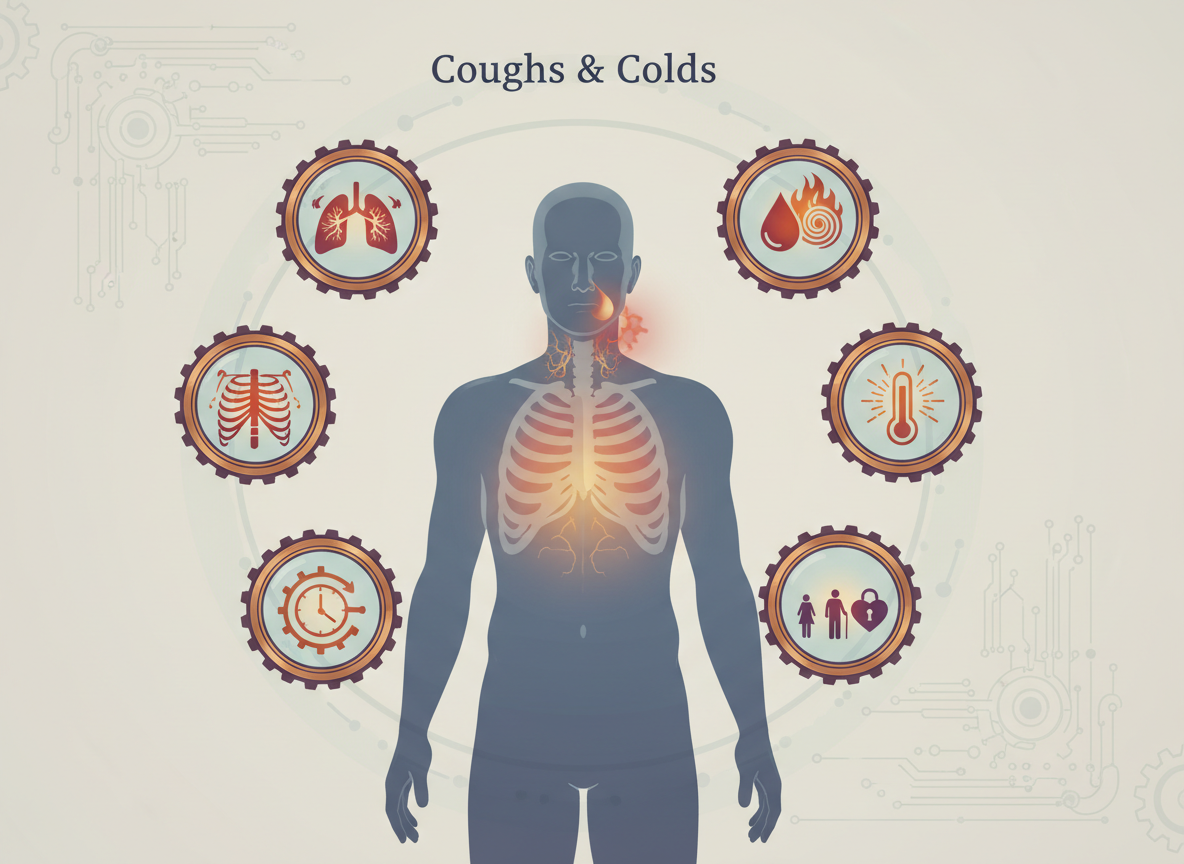
A cold is a viral infection of the upper airways, and a cough is your body’s way of clearing the throat and chest. As the NHS explains, they often go together, and the symptoms build over a day or two before slowly easing.
Common symptoms include:
- A blocked or runny nose
- Sneezing and a sore throat
- A cough, which may be dry or bring up mucus
- A raised temperature, headache, and aching muscles
- Tiredness and a general feeling of being run down
- A reduced sense of taste and smell
As NICE notes, the colour of any mucus you cough up doesn’t tell you much. Green or yellow phlegm is normal with a cold and doesn’t mean you need antibiotics, which surprises a lot of people.
How common are coughs and colds?
Coughs and colds are among the most common illnesses there are. Adults catch several colds a year on average, and children catch even more, which is why they seem to circulate endlessly through homes, schools, and workplaces.
There are good reasons they’re so widespread. As the NHS explains, hundreds of different viruses can cause a cold, so you never build up immunity to all of them, and new ones are always going around. They also spread easily through coughs, sneezes, and contaminated hands and surfaces. If it feels like you catch one every winter, that’s completely normal.
What causes coughs and colds?
The cause is almost always a virus, though a few factors decide how often you catch one. The NHS and NICE describe the key points.
Viruses, not bacteria
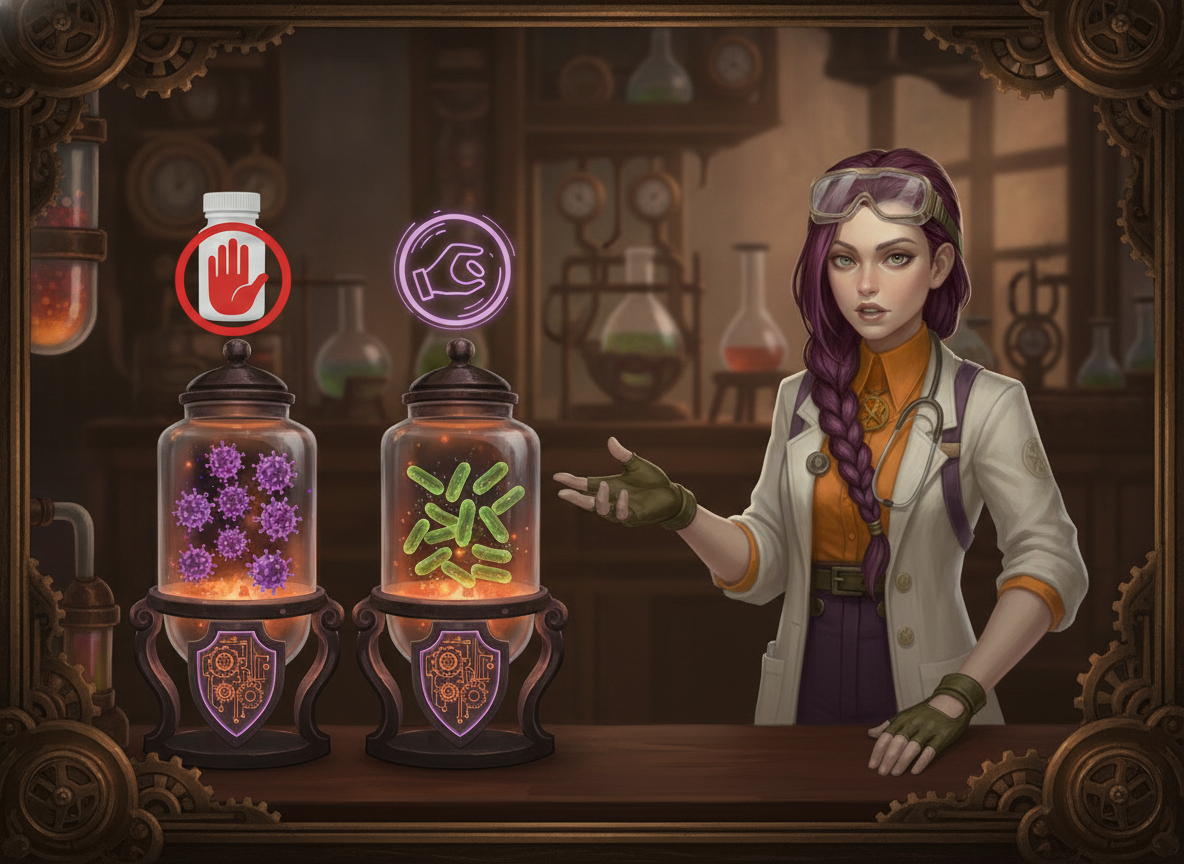
Coughs and colds are caused by viruses, with rhinoviruses behind many colds. As NICE notes, a cough usually follows an upper respiratory tract infection like a cold or flu. This is why antibiotics, which only work on bacteria, don’t help.
How they spread
Cold viruses spread through tiny droplets when someone coughs or sneezes, and through hands and surfaces. As the NHS explains, touching your face after contact with the virus is an easy way to catch it, which is why handwashing matters so much.
Why antibiotics don’t help
Because the cause is viral, antibiotics make little difference. As NICE guideline NG120 sets out, they shorten a cough by less than a day on average, while carrying side effects and contributing to antibiotic resistance. Skipping them is the right call for most people.
Who catches more
Anyone can catch a cold, but children, people in busy environments, and those who are run down tend to get more. People with certain long-term conditions may be more prone to complications, which is worth bearing in mind.
What happens in the body with a cold?
When a cold virus gets into the lining of your nose and throat, your immune system springs into action. As the NHS describes, that immune response is what causes most of your symptoms, rather than the virus itself.
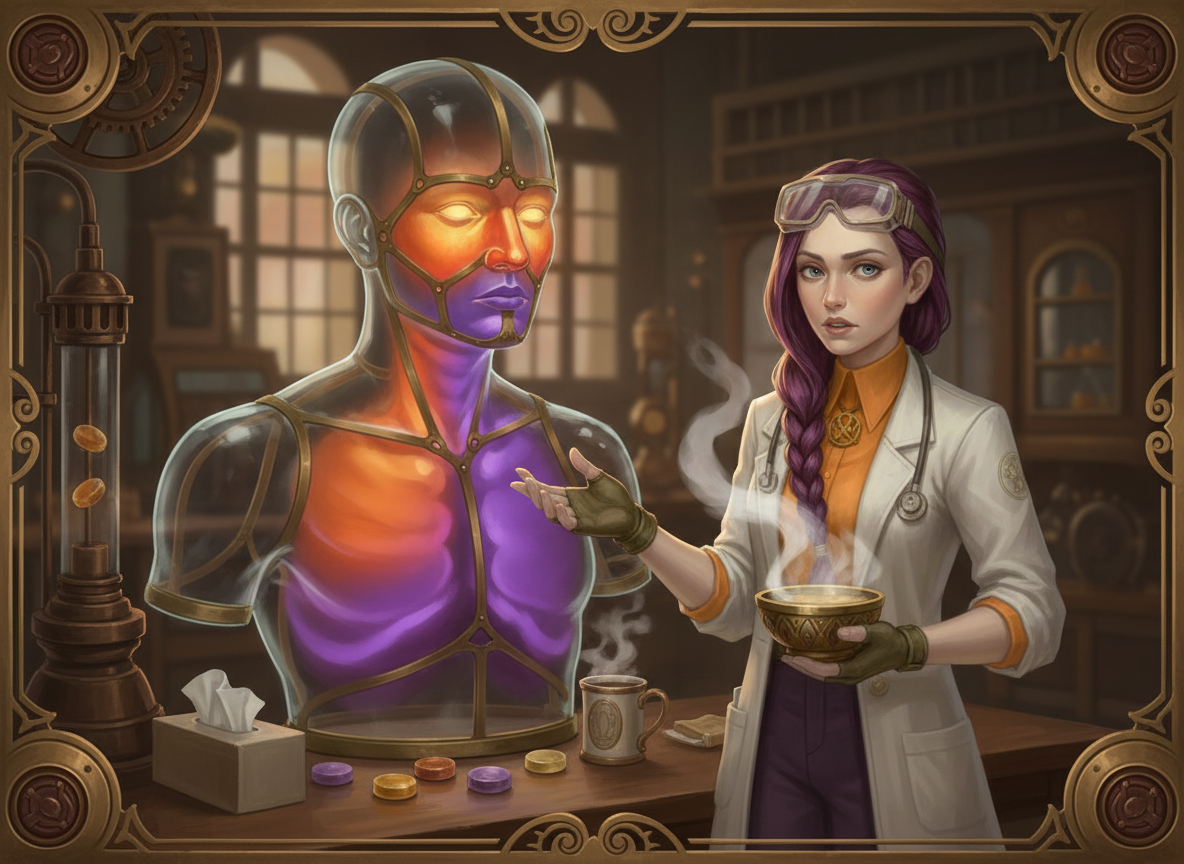
Blood flow increases, the lining swells, and mucus production ramps up to trap and flush out the virus. That’s your blocked nose and runny eyes. Inflammation in the throat and airways triggers the cough reflex, which helps clear mucus and irritation. A mild fever is your body turning up the heat to fight the infection.
This explains why symptoms can linger. Even after the virus is gone, the airways can stay sensitive for weeks, which is why a post-viral cough drags on. As NICE notes, this is normal and not a sign that something is wrong.
When to get medical advice
Most coughs and colds need nothing more than time and self-care, but some symptoms should always be checked. This advice reflects NHS and NICE guidance.
Call 999 or go to A&E if you or someone else has:
- Severe difficulty breathing, or gasping and unable to speak in full sentences
- Chest pain that’s severe or spreading
- Blue or grey lips or skin
See a GP, pharmacist, or NHS 111 if you have:
- A cough lasting more than three weeks
- Coughing up blood, or thick green or bloodstained mucus with feeling very unwell
- A high temperature that won’t come down, or you feel very unwell
- Symptoms that get worse or don’t improve as expected
- A long-term condition, a weakened immune system, or concern about a baby or older person
As NICE advises, these signs can point to something more serious, such as a chest infection, so they’re worth acting on. When in doubt, a pharmacist is a quick, free first port of call.
Treating coughs and colds: what helps
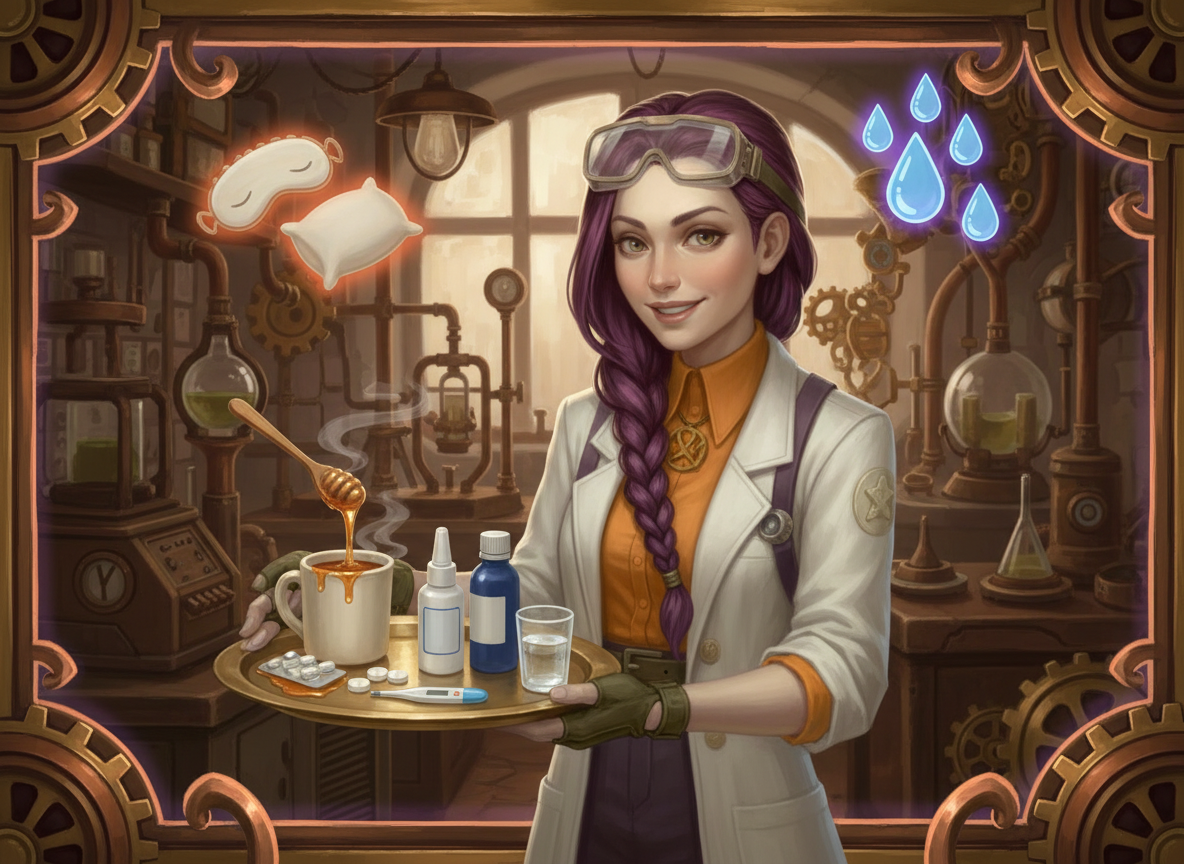
The honest truth is that you can’t cure a cold, but you can feel a lot better while it passes. Here’s what the evidence supports.
Rest, fluids, and time
The basics matter most. As the NHS advises, resting, keeping warm, and drinking plenty of fluids help your body fight the infection and ease symptoms. Time is the real healer here, even if that’s not what anyone wants to hear.
Pain and fever relief
Paracetamol or ibuprofen can ease a headache, sore throat, aches, and fever. As NICE notes, these are the mainstays of symptom relief. A pharmacist can help you choose, check the dose, and make sure they’re safe alongside any other medicines.
Decongestants and nasal options
For a blocked nose, decongestants or saline nasal sprays and drops can bring short-term relief. As the peer-reviewed review by Allan and Arroll notes, these offer modest benefit for cold symptoms. Saline is gentle and suits most people, including when stronger options aren’t ideal.
Soothing a cough
For a cough, simple remedies often work as well as anything. As NICE describes, honey can help in adults and children over one year, and some people try pelargonium or over-the-counter cough medicines, though the evidence is limited. Warm drinks and honey are a reliable place to start.
Soothing a sore throat
Sore throats usually settle on their own. As the NHS suggests, lozenges, warm drinks, and pain relief can ease the discomfort. Medicated sprays and gargles may help too, and a pharmacist can point you to what suits you.
What about antibiotics?
For a normal cough or cold, antibiotics aren’t the answer. As NICE guideline NG120 makes clear, they don’t help viral infections, can cause side effects, and add to antibiotic resistance. They’re reserved for the minority of people who are very unwell or at higher risk of complications.
Patient experiences and challenges
Feeling rotten with a cold is frustrating, especially when life doesn’t pause to let you recover. People often tell us they just want something to make it stop, and that being told to rest and wait can feel unsatisfying when you’re miserable.
Many also tell us they assumed they needed antibiotics, or worried when a cough hung around for weeks. As NICE explains, a lingering post-viral cough is usually normal, and antibiotics wouldn’t speed it up. Knowing that can be a relief, and it saves you a wasted trip.
Here’s what we want you to hear. Wanting to feel better quickly doesn’t make you a fusspot, and taking a few days to recover isn’t weakness. Coughs and colds are common, manageable, and almost always temporary. You know your body, and you get to decide when something feels off. Our job is to help you ease the symptoms and spot the rare times you need more.
Preventing coughs and colds
You can’t dodge every cold, but you can cut your chances. As the NHS advises, the simple stuff works best.
- Wash your hands regularly, especially before eating and after being out
- Avoid touching your eyes, nose, and mouth with unwashed hands
- Use tissues for coughs and sneezes, then bin them and wash your hands
- Keep surfaces clean during the cold season
- Look after your general health with sleep, food, and activity
For flu, which is more serious than a cold, the annual flu vaccine is the best protection, particularly for higher-risk groups. A pharmacist can tell you whether you’re eligible.
Cold, flu, or COVID?
It’s not always easy to tell these apart, since they share symptoms. As the NHS explains, colds tend to come on gradually and stay mild, while flu often hits suddenly with fever, aches, and exhaustion that put you in bed. COVID-19 can cause similar symptoms and is confirmed with a test.
The practical advice is much the same for all three: rest, fluids, and symptom relief, while staying away from vulnerable people until you feel better. If you’re unsure, very unwell, or in a higher-risk group, check with a pharmacist or NHS 111. Testing for COVID-19 can help guide what to do next.
How Courier Pharmacy helps with coughs and colds
We started Courier Pharmacy because too many people get rushed, generic advice. Coughs and colds are a small but perfect example. Your symptoms, your health, and your circumstances are unique, so the advice should fit you. That personalisation is the first of our four pillars, and it’s why we take time to recommend what actually suits you.
The other pillars carry it through. Guidance means our pharmacists help you choose the right remedies, get the doses right, and avoid wasting money on things that won’t help. Trust means we’re a UK-regulated pharmacy that will tell you honestly when antibiotics aren’t needed and when self-care is enough, and we’ll flag the signs that mean you should seek help. Community means we show up for people, even when there’s nothing to buy.
That spirit has a face in Dr Ada Jex-Cori, the voice of our approach, whose message is simple: you deserve healthcare that fits your life. With coughs and colds, that means practical relief, honest advice, and reassurance about what’s normal. Healthcare that fits you, right down to the common cold.

Frequently asked questions about coughs and colds
How long do coughs and colds last?
Longer than most people expect. As the NHS explains, a cold usually lasts about a week to ten days, while a cough can linger for up to three or four weeks, even when nothing is wrong. A cough that drags on after the cold has gone is usually a normal post-viral cough rather than a sign of a problem.
Do I need antibiotics for a cough or cold?
Almost never. As NICE guideline NG120 makes clear, coughs and colds are caused by viruses, and antibiotics only work on bacteria. They make little difference, can cause side effects, and add to antibiotic resistance. They’re reserved for people who are very unwell or at higher risk of complications, judged case by case.
What’s the best way to feel better with a cold?
Keep it simple. As the NHS advises, rest, keep warm, drink plenty of fluids, and use paracetamol or ibuprofen for aches, sore throat, and fever. Decongestants, lozenges, and honey can ease specific symptoms. A pharmacist can help you pick the right combination for how you’re feeling.
Does honey really help a cough?
It can. As NICE notes, honey can help soothe a cough in adults and children over one year old, and it’s a sensible first thing to try. Never give honey to a baby under one. A warm drink with honey is gentle, cheap, and often as effective as over-the-counter cough medicines, which have limited evidence.
How can I tell if it’s a cold, flu, or COVID?
By how it hits you. As the NHS explains, colds come on gradually and stay mild, while flu often arrives suddenly with fever, aches, and exhaustion. COVID-19 can feel similar and is confirmed with a test. The care is much the same for all three, but testing and a pharmacist’s advice can help if you’re unsure.
When should I see a doctor or call 999?
Call 999 for severe breathing difficulty, severe chest pain, or blue or grey lips or skin. See a pharmacist, GP, or NHS 111 for a cough lasting more than three weeks, coughing up blood, a high temperature that won’t settle, or if you feel very unwell. As NICE advises, these can signal something more serious.
How can I avoid catching a cold?
You can lower your risk. As the NHS advises, wash your hands regularly, avoid touching your face, and use and bin tissues for coughs and sneezes. Keeping surfaces clean helps during cold season. For flu, the annual vaccine is the best protection, especially if you’re in a higher-risk group.
How can Courier Pharmacy help with coughs and colds?
With honest advice and the right remedies. We can recommend products to ease your symptoms, check they’re safe with your other medicines, and help you decide whether self-care is enough or it’s time to seek help. We’ll always be straight with you about when antibiotics aren’t needed. It starts with a quick chat with a pharmacist.
More than a condition: our community
Feeling under the weather can be lonely, especially when you’re run down and stuck indoors. So we built a space for honest health conversations. Every fortnight, we run free drop-in clinics and talks at Insomnia in Derby, from 10am to 12 pm. No cost. No pressure. Just real support, honest answers, and people who understand.
How this content was created
Written by the Courier Pharmacy editorial team and reviewed by a GPhC-registered pharmacist. Grounded in the latest NHS, NICE and BNF guidance, peer-reviewed studies, and the real questions patients bring to our drop-in clinics in Derby.
By the Courier Pharmacy editorial team. Medically reviewed by a GPhC-registered pharmacist. Last reviewed: June 2026.
Important disclaimer
This page is for general information and education. It isn’t medical advice, and it isn’t a substitute for a consultation with a qualified healthcare professional. Most coughs and colds get better on their own, but some symptoms need urgent attention. Call 999 for severe breathing difficulty or chest pain. Always speak to a pharmacist, GP, or NHS 111 if you’re worried, particularly for babies, older people, or anyone with a long-term condition.
References
[1] National Health Service (2023) Common cold. Available at: https://www.nhs.uk/conditions/common-cold/ (Accessed: 22 June 2026).
[2] National Health Service (2023) Cough. Available at: https://www.nhs.uk/conditions/cough/ (Accessed: 22 June 2026).
[3] National Institute for Health and Care Excellence (2019) Cough (acute): antimicrobial prescribing (NG120). Available at: https://www.nice.org.uk/guidance/ng120 (Accessed: 22 June 2026).
[4] National Institute for Health and Care Excellence (no date) Common cold: Clinical Knowledge Summary. Available at: https://cks.nice.org.uk/topics/common-cold/ (Accessed: 22 June 2026).
[5] Allan, G.M. and Arroll, B. (2014) ‘Prevention and treatment of the common cold: making sense of the evidence’, Canadian Medical Association Journal, 186(3), pp. 190–199. Available at: https://www.ncbi.nlm.nih.gov/pmc/articles/PMC3928210/ (Accessed: 22 June 2026).

BSc Pharmacy, Independent Prescriber, PgDip Endocrinology, MSc Endocrinology, PgDip Infectious Diseases
Superintendant Pharmacist, Independent Prescriber

BSc Pharmacy
Compounding Pharmacist

