

Find the right hyperpigmentation treatment for you
View All Products
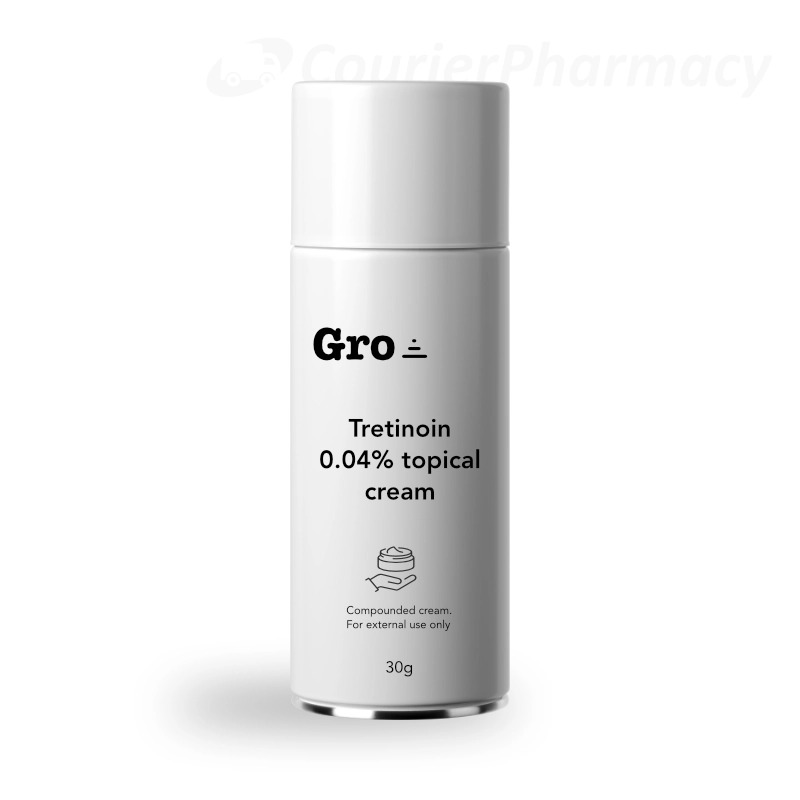



What you should know about skin hyperpigmentation
It’s caused by excess melanin, the pigment in your skin. As the dermatology literature explains, the main triggers are sun exposure, hormonal changes such as pregnancy, and inflammation or injury like acne. Some medicines can contribute too. Because there are several possible causes, identifying yours helps guide the most effective treatment.
They have different triggers. As DermNet describes, sun spots come from UV exposure, melasma is usually driven by hormones and often appears symmetrically on the face, and post-inflammatory hyperpigmentation is the marks left after acne or injury. They can look similar, so it’s worth getting a clear idea of the cause before treating.
Sun protection first, then targeted actives. As the melasma literature notes, combining treatments works best. Tretinoin, niacinamide, and azelaic acid each tackle pigment differently, and hydroquinone is a strong option used in courses. A compounded combination cream can bring several of these together, tailored to your skin.
They can work well. Each ingredient targets pigment in a different way, tretinoin by speeding cell turnover, niacinamide by reducing pigment transfer, and azelaic acid by blocking the enzyme that makes melanin. As the dermatology literature notes, combining actives is often more effective than using one alone, and compounding lets us tailor the strengths to you.
Often it improves a lot, though it takes time. As the melasma literature notes, pigmentation fades gradually, and some types, especially melasma, tend to recur, so ongoing care and sun protection help. Post-inflammatory marks usually fade over months. Realistic expectations and consistency make the biggest difference.
Ordinary hyperpigmentation is harmless. But as dermatology guidance stresses, see a doctor about any dark spot or mole that is changing in size, shape, or colour, has an irregular border, itches or bleeds, or looks different from the rest. These features can signal skin cancer, which is very treatable when caught early.
Some treatments aren’t suitable. As the dermatology literature notes, tretinoin and hydroquinone are generally avoided in pregnancy, while azelaic acid is often considered a suitable option, alongside sun protection. Since melasma is frequently triggered by pregnancy, speak to a prescriber about what’s safe for you.
We tailor treatment to your skin. We can compound bespoke creams combining tretinoin, niacinamide, and azelaic acid, offer prescription options through an online consultation, and adjust formulations for sensitive skin. Our pharmacists give honest advice on sun protection and expectations, and we deliver discreetly. It starts with a quick consultation or a chat with a pharmacist.
Additional information
Hyperpigmentation
Hyperpigmentation is when patches of skin turn darker than the skin around them, and while it’s usually harmless, it can really knock your confidence. Whether it’s sun spots, melasma, or marks left behind by old spots, there’s a lot that can help. At Courier Pharmacy, we believe healthcare should fit the person, not force the person to fit the system. So we build treatment around your skin and your goals, including personalised compounded creams with tretinoin, niacinamide, and azelaic acid, plus honest guidance from real pharmacists and care you can trust. Healthcare that fits you, and your skin. Dark patches or uneven skin tone getting you down? We can help you treat hyperpigmentation.

Five key takeaways
- Hyperpigmentation is extra melanin in the skin. As the dermatology literature explains, it shows up as darker patches and is usually harmless.
- Sun is a major driver. Ultraviolet light triggers and worsens pigmentation, so sun protection is the foundation of any plan.
- It comes in different forms. Sun spots, melasma, and post-inflammatory marks each have slightly different causes, as DermNet describes.
- Combining actives works well. Tretinoin, niacinamide, and azelaic acid target pigment in different ways, and used together they can be more effective.
- Patience and realism matter. Pigmentation fades slowly, and some types, like melasma, tend to recur, so ongoing care is often needed.

How Courier Pharmacy helps with hyperpigmentation
- Personalised compounded creams combining tretinoin, niacinamide, and azelaic acid
- Online consultations for prescription treatments, reviewed by a clinician
- Bespoke formulations for sensitive skin or when you react to standard products
- Honest guidance on sun protection, realistic expectations, and skin care
- Discreet, convenient delivery to your door
- Free fortnightly drop-in clinics in Derby, with no cost and no pressure

What you should know about hyperpigmentation treatments
Good care for hyperpigmentation follows a clear, sensible path. First, determine the type and cause, since sun spots, melasma, and post-inflammatory marks respond differently. Second, protect your skin from the sun, because without that, treatments struggle to work. Third, use ingredients with real evidence to back them up, often in combination. Fourth, tailor the plan to you and give it time.
This is the approach we take at Courier Pharmacy. As the dermatology literature notes, combination treatment is usually the most effective, and results build gradually. The goal isn’t overnight perfection. It’s a more even, comfortable skin tone, and a plan that works with your skin rather than against it.
Hyperpigmentation overview
Hyperpigmentation is a broad term for skin that has become darker or more uneven in places. As the dermatology literature describes, it happens when the skin produces too much melanin, the pigment that gives skin its colour. It’s usually harmless, though it can occasionally signal something that needs attention.
The impact is often more emotional than physical. The patches themselves are usually painless, but they can affect how you feel about your appearance, especially on the face. As the melasma literature notes, pigmentation conditions can cause real frustration and knock confidence, which is why they deserve to be taken seriously rather than dismissed as merely cosmetic.
Hyperpigmentation is also very treatable, though the right approach depends on the cause. As DermNet explains, sun exposure, hormones, and inflammation are the main drivers, and each responds best to a slightly different plan. Combining treatments that target pigment in different ways often gives the best results.
Why does this matter? Because hyperpigmentation is common, usually harmless, and responsive to the right care. Many people assume nothing can be done, or waste money on products that don’t suit them. Understanding the cause, and getting a plan built around it, is the first real step.

What is hyperpigmentation?
Hyperpigmentation is darkening of the skin caused by excess melanin. As the dermatology literature explains, it can appear as small spots or larger patches, and it affects people of every skin tone.
Common features include:
- Flat patches of skin that are darker than the surrounding area
- Colours ranging from tan and brown to grey or black, depending on skin tone
- Patches that are usually painless and smooth
- Common sites include the face, hands, and areas prone to spots
- Marks that linger after acne, injury, or inflammation
- Pigmentation that often worsens with sun exposure
As DermNet notes, the location and pattern of the pigmentation often provide a strong clue to the cause, helping guide treatment.
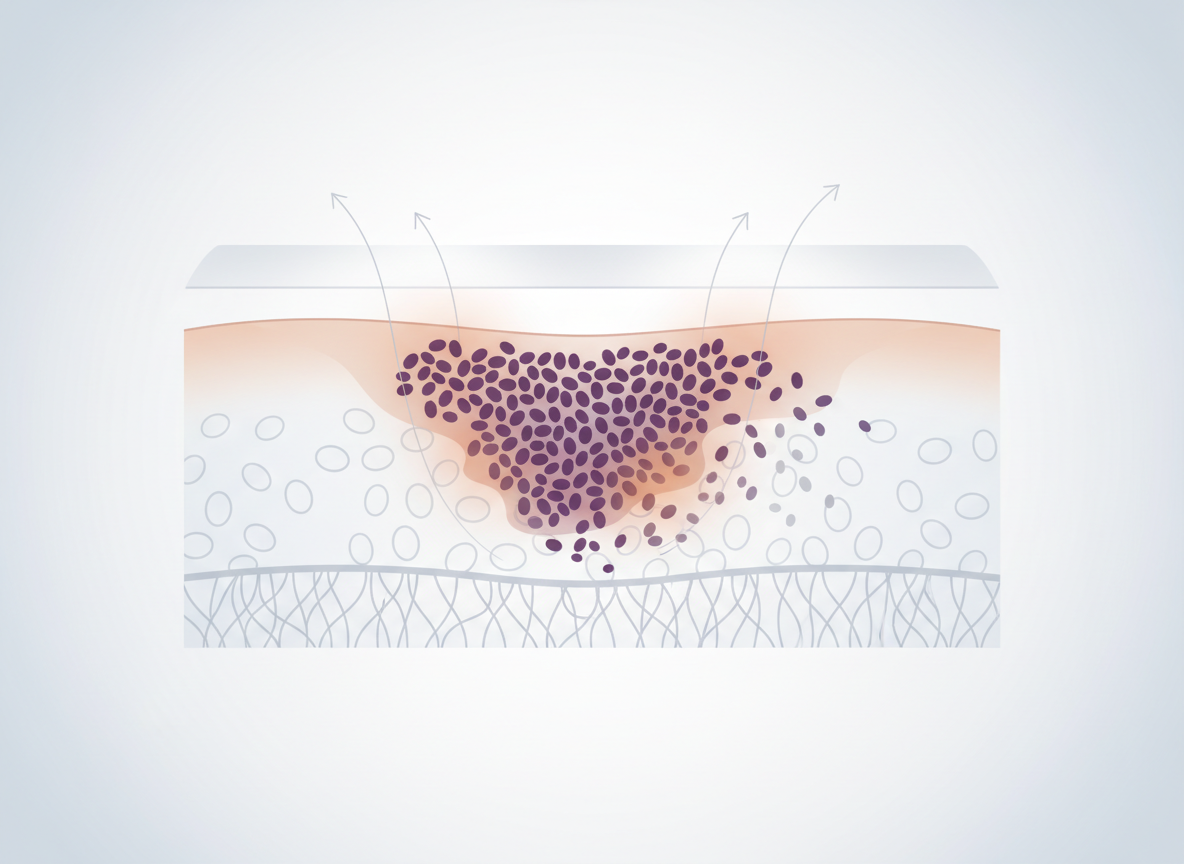
Types of hyperpigmentation
Hyperpigmentation isn’t one single thing. As DermNet describes, a few common types account for most cases.
- Sun spots, also called solar lentigines, come from years of sun exposure and tend to appear on the face, hands, and other exposed areas.
- Melasma, sometimes called chloasma, is usually driven by hormones, such as pregnancy or the contraceptive pill, and typically appears symmetrically on the face.
- Post-inflammatory hyperpigmentation is the marks left behind after acne, injury, or inflammation, and it’s especially common in darker skin tones.
How common is hyperpigmentation?
Hyperpigmentation is extremely common, though exact figures are hard to pin down because it has so many causes. As the dermatology literature notes, sun exposure alone means most people develop some pigmentation with age.
It affects all skin tones, but not equally. As the research on post-inflammatory hyperpigmentation describes, people with darker skin are more prone to persistent pigmentation, partly because their skin produces more melanin in response to inflammation and sun. Melasma is also more common in women, particularly during and after pregnancy. Whatever your skin tone, if you’re dealing with dark patches, you’re in very good company.
What causes hyperpigmentation?
Hyperpigmentation has several causes, and often more than one is at play. The dermatology literature describes the main ones.
Sun exposure
Ultraviolet light is the biggest driver. As the dermatology literature explains, UV stimulates the skin to produce more melanin, which is why sun spots form and why almost all pigmentation worsens without sun protection.
Hormones
Hormonal changes can trigger melasma, particularly during pregnancy or when taking the contraceptive pill or HRT. As the melasma literature notes, this is why it’s sometimes called the mask of pregnancy.
Inflammation and injury
When the skin is inflamed or injured, it can produce extra pigment as it heals, leaving a darker mark. As the research on post-inflammatory hyperpigmentation describes, acne is one of the most common triggers, especially in darker skin.
Medications
Some medicines can cause or worsen pigmentation as a side effect. If you’ve noticed new pigmentation after starting a medicine, it’s worth mentioning to a pharmacist rather than stopping it yourself.
Genetics and skin tone
Your skin tone and genetics influence how prone you are to pigmentation and how long it lasts. As the dermatology literature notes, this doesn’t mean it can’t be treated, but it does mean the approach should be tailored.

What happens in the skin with hyperpigmentation?
Your skin colour comes from melanin, a pigment made by cells called melanocytes. As the dermatology literature explains, these cells use an enzyme called tyrosinase to produce melanin, which is then passed to the surrounding skin cells.
In hyperpigmentation, this process goes into overdrive in certain areas. Triggers like UV light, hormones, or inflammation prompt the melanocytes to make more melanin, or to distribute it unevenly. The result is a patch of skin that’s darker than the rest.
This explains how treatments work. As the dermatology literature describes, many pigmentation treatments slow the tyrosinase enzyme, reduce the transfer of pigment to skin cells, or speed up the turnover of pigmented cells. Targeting several of these steps at once, which is where combination creams come in, tends to work better than tackling just one.
When to see a doctor
Most hyperpigmentation is harmless, but a few skin changes should always be checked. This advice reflects general dermatology guidance.
See a doctor promptly if you notice:
- A dark spot or mole that is changing in size, shape, or colour
- A patch with an irregular or uneven border, or more than one colour
- A spot that itches, bleeds, crusts, or won’t heal
- Any new pigmented area you’re unsure about
As dermatology guidance stresses, these features can be signs of skin cancer, which is very treatable when caught early. Ordinary hyperpigmentation is flat, stable, and even, but if anything looks different or is changing, it’s always worth getting it checked. Peace of mind is worth the appointment.

Treating hyperpigmentation: current treatments
The good news is that hyperpigmentation responds well to the right combination of treatments. As the melasma literature describes, combining actives that work in different ways is usually the most effective approach.
Sun protection first
This is non-negotiable. As the dermatology literature stresses, daily broad-spectrum sun protection is the foundation of any pigmentation plan. Without it, UV keeps driving pigment and undoes the work of every other treatment.
Tretinoin
Tretinoin is a vitamin A derivative, or retinoid, that speeds up skin cell turnover and helps disperse excess pigment. As the melasma literature notes, it also helps other ingredients penetrate more effectively. It can cause irritation and increases sun sensitivity, and it must be avoided in pregnancy.
Niacinamide
Niacinamide, a form of vitamin B3, reduces the transfer of pigment to the surface skin cells and calms inflammation. As the dermatology literature notes, it’s very well tolerated, which makes it a great choice for sensitive skin and a useful partner to stronger actives.
Azelaic acid
Azelaic acid blocks the tyrosinase enzyme that drives melanin production, and it’s also anti-inflammatory. As a meta-analysis by Ali and colleagues found, azelaic acid can be comparable to hydroquinone for melasma, while being gentle and generally well tolerated, including in pregnancy. It’s particularly useful for post-inflammatory pigmentation.
Hydroquinone
Hydroquinone is long considered a gold-standard treatment for lightening dark patches, working by reducing melanin production. As the melasma literature notes, it’s effective but used in courses rather than continuously, since long-term use can cause problems. It’s prescription strength and used under guidance.
Compounded combination creams
Here’s where personalisation really shines. Rather than juggling several products, we can compound tretinoin, niacinamide, and azelaic acid into a single cream, at strengths chosen for your skin. As the dermatology literature describes, combining actives that target pigment through different routes tends to work better than any one alone. A compounded cream also lets us leave out ingredients you react to, or adjust the recipe as your skin responds. It’s a tailored approach rather than one size fits all.
Other options
For stubborn pigmentation, other options include chemical peels and treatments such as tranexamic acid, as the melasma literature describes. These are considered case by case, and a clinician can advise whether they’re right for you.

Patient experiences and challenges
Hyperpigmentation can affect confidence in a way that’s easy to underestimate. People tell us how self-conscious dark patches make them feel, especially on the face, and how tiring it is to cover them up every day. It’s not vanity, it’s human.
Many also tell us they’ve spent a fortune on products that promised the world and delivered little, or that made their skin worse. As the melasma literature highlights, pigmentation, especially melasma, is often chronic and recurrent, so realistic expectations and a steady plan matter more than quick fixes. People with darker skin, in particular, are sometimes offered little tailored advice, despite being more prone to persistent pigmentation.
Here’s what we want you to hear. Wanting an even skin tone doesn’t make you shallow, and struggling to fix it yourself doesn’t mean you’ve failed. Hyperpigmentation is common, treatable, and worth taking seriously. You’re the one living in your skin, and you get to decide what you’re happy with. Our job is to help you get there, with honest advice and treatment built around you.
Innovative and new treatments for hyperpigmentation
Care for hyperpigmentation keeps evolving, with a growing focus on gentler, more personalised options. As always, we’d weigh the evidence over the hype.
Newer agents such as tranexamic acid and cysteamine are attracting interest for melasma, with the melasma literature reporting promising results and good tolerability, though more research is ongoing. Meanwhile, compounding allows tried-and-tested actives to be combined and tailored in ways off-the-shelf products can’t match, which is often the most practical advance for everyday use.
At Courier Pharmacy, our role here is honest guidance. We’ll help you understand which options genuinely suit your skin and your type of pigmentation, so you can invest your time and money wisely.
Looking to the future: research and hope
The direction of travel is encouraging. Researchers are developing gentler, more targeted treatments, better understanding why pigmentation forms, and improving how treatments are combined. The dermatology literature points to a future with more effective, better-tolerated options for every skin tone.
There’s every reason for optimism. Hyperpigmentation is common, well understood, and responsive to good care. We won’t promise to erase every mark overnight. What we will say is that, with sun protection, the right combination of treatments, and a bit of patience, most people see real, lasting improvement.
How Courier Pharmacy helps with hyperpigmentation
We started Courier Pharmacy because too many people get generic advice and off-the-shelf products that don’t suit them. Hyperpigmentation is a perfect example. Your skin, your skin tone, and your type of pigmentation are unique, so your treatment should be too. That personalisation is the first of our four pillars, and it’s why we compound bespoke creams combining tretinoin, niacinamide, and azelaic acid.
The other pillars carry it through. Guidance means our clinicians and pharmacists help you understand your options, use them safely, and set realistic expectations. Trust means we’re a UK-regulated pharmacy that’s honest about what works, quick to recommend sun protection, and ready to point you towards a doctor if a spot needs checking. Community means we show up for people, even when there’s nothing to buy.
That spirit has a face in Dr Ada Jex-Cori, the voice of our approach, whose message is simple: you deserve healthcare that fits your life. For hyperpigmentation, that means tailored treatment, honest advice, and a plan built around your skin. Healthcare that fits you, not the other way round.
Frequently asked questions about hyperpigmentation

What causes hyperpigmentation?
It’s caused by excess melanin, the pigment in your skin. As the dermatology literature explains, the main triggers are sun exposure, hormonal changes such as pregnancy, and inflammation or injury, like acne. Some medicines can contribute too. Because there are several possible causes, identifying yours helps guide the most effective treatment.
What’s the difference between melasma, sun spots, and post-inflammatory hyperpigmentation?
They have different triggers. As DermNet describes, sun spots come from UV exposure, melasma is usually driven by hormones and often appears symmetrically on the face, and post-inflammatory hyperpigmentation is the marks left after acne or injury. They can look similar, so it’s worth getting a clear idea of the cause before treating.
What’s the best treatment for hyperpigmentation?
Sun protection first, then targeted actives. As the melasma literature notes, combining treatments works best. Tretinoin, niacinamide, and azelaic acid each tackle pigment differently, and hydroquinone is a strong option used in courses. A compounded combination cream can bring several of these together, tailored to your skin.
Do compounded creams with tretinoin, niacinamide, and azelaic acid work?
They can work well. Each ingredient targets pigment in a different way, tretinoin by speeding cell turnover, niacinamide by reducing pigment transfer, and azelaic acid by blocking the enzyme that makes melanin. As the dermatology literature notes, combining actives is often more effective than using one alone, and compounding lets us tailor the strengths to you.
Will my hyperpigmentation go away completely?
Often it improves a lot, though it takes time. As the melasma literature notes, pigmentation fades gradually, and some types, especially melasma, tend to recur, so ongoing care and sun protection help. Post-inflammatory marks usually fade over months. Realistic expectations and consistency make the biggest difference.
Is hyperpigmentation dangerous, and when should I see a doctor?
Ordinary hyperpigmentation is harmless. But as dermatology guidance stresses, you should see a doctor about any dark spot or mole that is changing in size, shape, or colour, has an irregular border, itches or bleeds, or looks different from the rest. These features can signal skin cancer, which is very treatable when caught early.
Can I treat hyperpigmentation during pregnancy?
Some treatments aren’t suitable. As the dermatology literature notes, tretinoin and hydroquinone are generally avoided in pregnancy, while azelaic acid is often considered a suitable option, alongside sun protection. Since melasma is frequently triggered by pregnancy, it’s worth speaking to a prescriber about what’s safe for you at this time.
How can Courier Pharmacy help with hyperpigmentation?
We tailor treatment to your skin. We can compound bespoke creams combining tretinoin, niacinamide, and azelaic acid, offer prescription options through an online consultation, and adjust formulations for sensitive skin. Our pharmacists give honest advice on sun protection and expectations, and we deliver discreetly. It starts with a quick consultation or a chat with a pharmacist.
More than a condition: our community
Worrying about how your skin looks can feel isolating, especially when others brush it off as trivial. So we made a space where it isn’t. Every fortnight, we run free drop-in clinics and talks at Insomnia in Derby, from 12 to 1pm. No cost. No pressure. Just real support, honest answers, and people who understand.
How this content was created
Written by the Courier Pharmacy editorial team and reviewed by a GPhC-registered pharmacist. Grounded in dermatology guidance, peer-reviewed studies, and the real questions patients bring to our drop-in clinics in Derby.
Important disclaimer
This page is for general information and education. It isn’t medical advice, and it isn’t a substitute for a consultation with a qualified healthcare professional. Treatments such as tretinoin and hydroquinone are prescription or off-label medicines and may not be suitable for everyone, including during pregnancy or breastfeeding. Any dark spot or mole that is changing, irregular, or won’t heal should be checked by a doctor. Always speak to a prescriber or pharmacist before starting any treatment.
References
[1] DermNet (no date) Melasma. Available at: https://dermnetnz.org/topics/melasma (Accessed: 22 June 2026).
[2] Neagu, N. et al. (2024) ‘An Update on New and Existing Treatments for the Management of Melasma’, American Journal of Clinical Dermatology. Available at: https://pmc.ncbi.nlm.nih.gov/articles/PMC11358250/ (Accessed: 22 June 2026).
[3] Ali, A. et al. (2023) ‘Azelaic Acid Versus Hydroquinone for Managing Patients With Melasma: Systematic Review and Meta-Analysis of Randomized Controlled Trials’, Cureus. Available at: https://www.ncbi.nlm.nih.gov/pmc/articles/PMC10339666/ (Accessed: 22 June 2026).
[4] Markiewicz, E. et al. (2022) ‘Post-Inflammatory Hyperpigmentation in Dark Skin: Molecular Mechanism and Skincare Implications’, Clinical, Cosmetic and Investigational Dermatology, 15, pp. 2555–2565. Available at: https://www.ncbi.nlm.nih.gov/pmc/articles/PMC9709857/ (Accessed: 22 June 2026).
[5] Courier Pharmacy (2026) Skin hyperpigmentation: pathophysiology and treatments. Available at: https://courierpharmacy.co.uk/skin-hyperpigmentation-pathophysiology-and-treatments/ (Accessed: 4 July 2026)

BSc Pharmacy, Independent Prescriber, PgDip Endocrinology, MSc Endocrinology, PgDip Infectious Diseases
Superintendant Pharmacist, Independent Prescriber

BSc Pharmacy
Compounding Pharmacist

