

Find the post herpetic neuralgia treatment for you
View All Products


What you should know about post herpetic neuralgia
It’s nerve pain that lingers after shingles. As the NHS explains, shingles can damage the nerves under the skin, and that damage can keep causing pain long after the rash has healed. The pain is often burning or stabbing, and the skin can become very sensitive to touch in the area where the shingles appeared.
It varies, but it usually improves. As the NHS notes, the pain often eases over months, and for many people it eventually settles, though it can last longer in some. Treatment can make a real difference in the meantime, helping you sleep and function while the nerves gradually recover.
It depends on your pain. As NICE guideline CG173 sets out, oral medicines like amitriptyline or gabapentin are a common starting point, while topical treatments such as lidocaine plasters and capsaicin cream are excellent for localised pain. Many people do best with a combination, and a personalised plan works better than one size fits all.
Yes, for many people. Lidocaine 5% plasters like Versatis are licensed specifically for post-herpetic neuralgia. As the review by de Leon-Casasola and Mayoral describes, they calm overactive nerves in the skin with very little entering the bloodstream, which makes them well suited to localised pain and to older adults who can’t tolerate tablets.
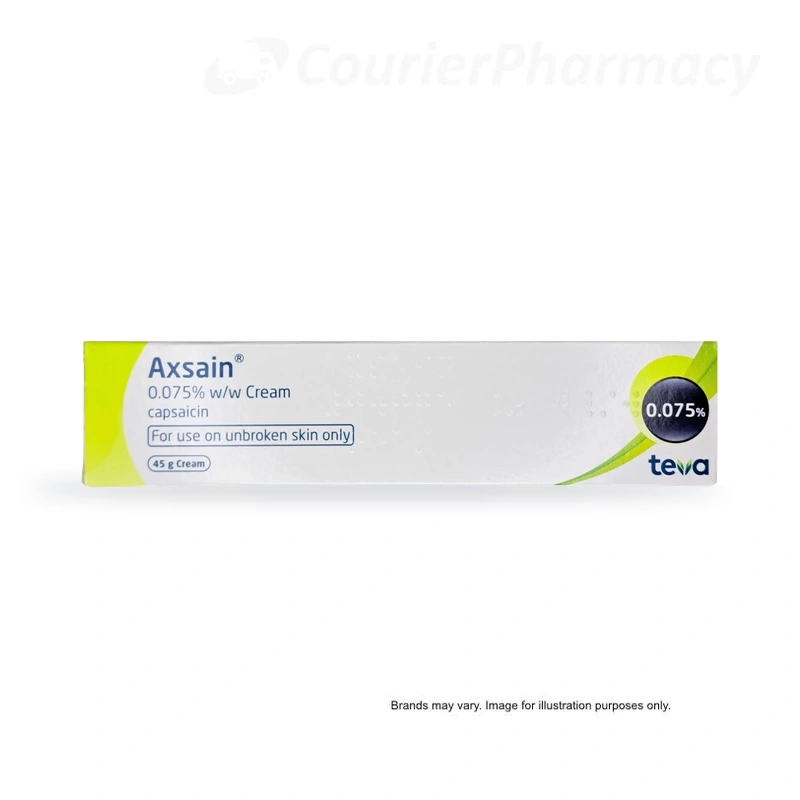
Axsain is a capsaicin 0.075% cream, made from chilli peppers and licensed for post-herpetic neuralgia once the rash has healed. It works by gradually quietening overactive pain nerves. It does cause a burning or stinging feeling, especially at first, which usually settles with regular use over several weeks. A pharmacist can show you how to apply it more comfortably.
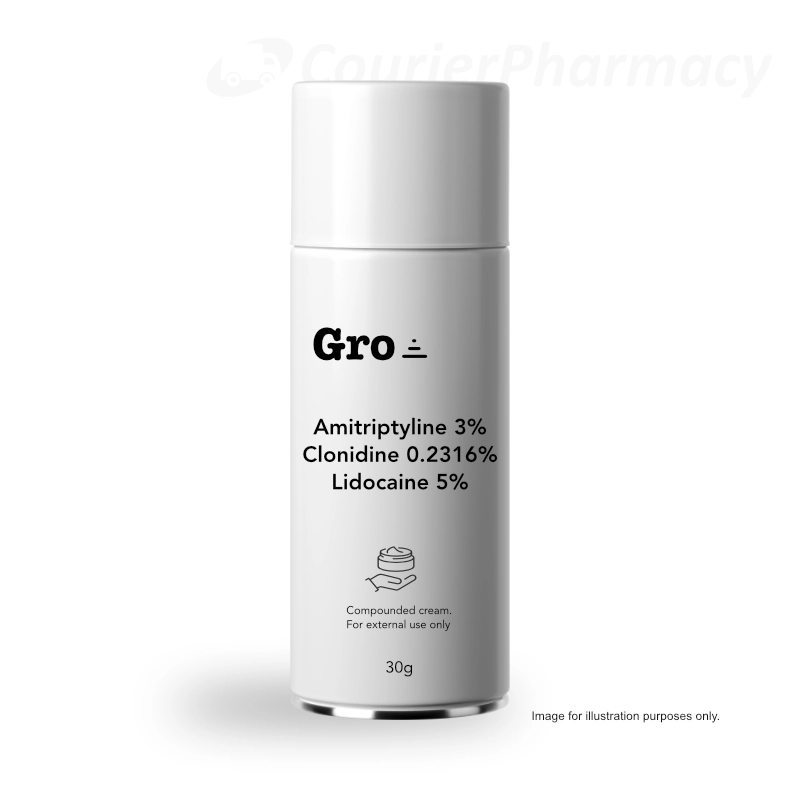
They’re treatments made to order for you. We can compound lidocaine creams in 5% and 10%, loperamide and dextromethorphan creams in 5% and 10%, or a combination cream containing amitriptyline, clonidine, and lidocaine that targets pain in three different ways. As prescription-only specials, they’re assessed and tailored by a prescriber, which is ideal when standard products aren’t enough or don’t suit you. Some of these options are newer and backed by limited evidence, so we’ll always be honest about what to expect.
Often, yes. As the NHS explains, the shingles vaccine is offered to older adults and some people with weakened immunity, and it greatly reduces the risk of shingles and the nerve pain that can follow. If you do get shingles, starting antiviral treatment early can also lower the chance of lasting pain. Ask a pharmacist about eligibility.
We focus on personalised topical and compounded treatment. We can supply lidocaine plasters, capsaicin cream, compounded lidocaine, loperamide and dextromethorphan creams, and a combination pain cream, all assessed by a prescriber through an online consultation and delivered discreetly. We work alongside your GP or pain clinic, not instead of them. It starts with a quick consultation or a chat with a pharmacist.
Additional information
Post-herpetic neuralgia
Post-herpetic neuralgia is the nerve pain that can linger long after shingles has cleared, and it can be relentless. Burning, stabbing, or a skin so sensitive that even clothing hurts, it’s exhausting and often misunderstood. At Courier Pharmacy, we believe healthcare should fit the person, not force the person to fit the system. So we build support around your pain and your life, with personalised topical and compounded treatments, honest guidance from real pharmacists, a community that gets it, and care you can trust. Pain management built around you, the way it should be. Burning or stabbing nerve pain after shingles? We can help you manage post-herpetic neuralgia.

Five key takeaways
- Post-herpetic neuralgia is nerve pain after shingles. As the NHS explains, it happens when the shingles virus damages nerves, leaving pain that outlasts the rash.
- It’s more common with age. The risk rises in older adults and with more severe shingles, as the neuropathic pain literature describes.
- Localised pain has localised options. Lidocaine patches and capsaicin cream target the painful area directly, which suits many people, as NICE notes.
- Personalised compounding can help. When standard products aren’t enough, compounded creams let us tailor the strength and combination to you.
- It usually improves. As the NHS notes, post-herpetic neuralgia often eases over time, and treatment can make a real difference while it does.
How Courier Pharmacy helps with post-herpetic neuralgia
- Versatis lidocaine 5% medicated plasters for localised nerve pain
- Axsain capsaicin 0.075% cream to calm overactive pain nerves
- Compounded lidocaine creams in 5% and 10% strengths
- Compounded loperamide and dextromethorphan creams, each in 5% and 10%, for a different way to target nerve pain
- A compounded amitriptyline, clonidine, and lidocaine pain cream that targets pain three ways
- Prescriber-assessed treatment through an online consultation, with discreet delivery
- Free fortnightly drop-in clinics in Derby, with no cost and no pressure
Post-herpetic neuralgia is often managed with your GP or pain clinic. We work alongside them, focusing on personalised topical and compounded options.

What you should know about post-herpetic neuralgia treatments
Good care for post-herpetic neuralgia follows a clear, sensible path. First, confirm the diagnosis, since the pain follows a bout of shingles. Second, choose treatments that match your pain, whether oral medicines, topical options, or both. Third, personalise the plan, which is where compounded creams come in. Fourth, review it regularly, because nerve pain often changes over time.
This is the approach the NHS and NICE take, and the one we support at Courier Pharmacy. As NICE guideline CG173 on neuropathic pain explains, there are several effective options, and the best plan is the one built around you. The goal isn’t always to abolish every twinge. It’s to bring the pain down to something far more liveable.
Post-herpetic neuralgia overview
Post-herpetic neuralgia, often shortened to PHN, is persistent nerve pain in the area where someone had shingles. As the NHS describes, shingles can damage the nerves under the skin, and that damage can keep sending pain signals long after the rash has healed.
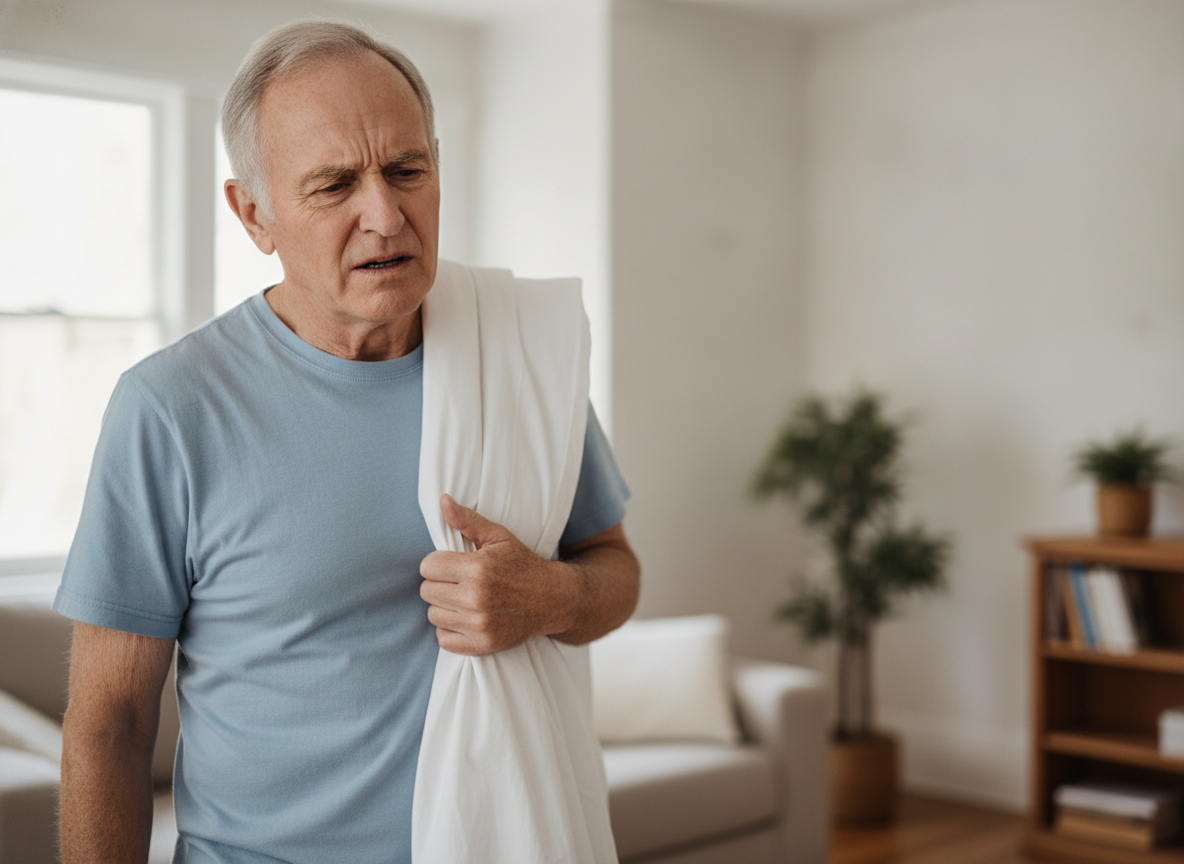
The impact can be profound. The pain is often described as burning, stabbing, or electric, and the skin can become so sensitive that a light touch or the brush of clothing is painful. As the neuropathic pain literature notes, this kind of pain disturbs sleep, mood, and daily life, and it’s frequently underestimated by others. None of that is in your head, and none of it is something you simply have to endure.
The encouraging news is that post-herpetic neuralgia usually improves. As the NHS explains, the pain tends to ease over months, and for many people it eventually settles. Treatment can take the edge off in the meantime, and a personalised plan often makes the difference between coping and struggling.
Why does this matter? Because post-herpetic neuralgia is common after shingles, genuinely treatable, and too often dismissed as something to live with. With the right approach, most people get meaningful relief. The first step is understanding the options and knowing that help exists.
What is post-herpetic neuralgia?
Post-herpetic neuralgia is a type of nerve pain, or neuropathic pain, that continues after the shingles rash has gone. As the NHS explains, it’s the most common complication of shingles, caused by lingering nerve damage.
Common symptoms include:
- A burning, aching, or throbbing pain in the area where you had shingles
- Sharp, stabbing, or electric-shock-like pains
- Skin that’s painfully sensitive to light touch, known as allodynia
- Itching or a crawling sensation
- Numbness in the affected area
- Pain that disturbs sleep and saps energy
As the neuropathic pain literature notes, a large majority of people with post-herpetic neuralgia have pain confined to one clear area of skin. That localised pattern is exactly why targeted, skin-applied treatments can work so well.

How common is post-herpetic neuralgia?
Post-herpetic neuralgia is the most frequent lasting complication of shingles. As the dermatology and pain literature describes, around one in ten people who get shingles go on to have pain that persists for months or longer.
Age is the biggest factor. As the literature notes, the risk rises steadily in older adults, and is higher when the shingles episode was severe or affected the face. Because shingles itself becomes more common with age, post-herpetic neuralgia is largely a condition of later life, though it can affect younger adults too. If you’re living with it, you’re far from alone.
What causes post-herpetic neuralgia?
The cause is nerve damage from shingles. A few factors decide who develops it.
The shingles virus
Shingles is caused by the same virus as chickenpox, which stays dormant in the body and can reactivate years later. As the NHS explains, when it reactivates it inflames and damages the affected nerves, and this damage is what drives post-herpetic neuralgia.
Why some people get it
Not everyone who has shingles develops lasting pain. As the pain literature notes, the risk is higher with older age, a more severe rash, greater pain during the shingles episode, and shingles affecting the face. Recognising these risks helps target prevention and early treatment.
How the pain persists
Even after the skin heals, damaged nerves can keep firing abnormally, sending pain signals when there’s no new injury. This is why the pain can carry on, and why treatments aim to calm those overactive nerves.
What happens in the body with post-herpetic neuralgia?
Nerves carry signals using tiny electrical impulses. When shingles damages a nerve, it can become faulty and overactive, firing off pain signals far too easily. As the neuropathic pain literature explains, this involves overactive sodium channels in the damaged nerve endings, which lower the threshold for pain.
The nervous system can also become sensitised, so signals that would normally feel like a gentle touch are amplified into pain. This is what causes allodynia, where clothing or a breeze becomes uncomfortable. It’s a genuine change in how the nerves behave, not oversensitivity on your part.
This explains how treatments work. As the literature describes, lidocaine calms those overactive sodium channels in the skin, while capsaicin gradually quietens the pain fibres themselves. Medicines like amitriptyline and clonidine act on the pain-signalling system in other ways. Targeting the problem from these different angles is often the key to relief.

When to see a doctor
Most post-herpetic neuralgia is managed in the community, but some situations need prompt attention. This advice reflects NHS and NICE guidance.
Seek urgent medical help if you have:
- Shingles affecting your eye or the tip of your nose, which needs same-day care
- A spreading rash, signs of skin infection, or you feel generally unwell
- Sudden, severe, or rapidly worsening pain
- Pain that’s seriously affecting your sleep, mood, or ability to cope
As the NHS advises, shingles near the eye can threaten your sight and is an emergency. For ongoing post-herpetic neuralgia, it’s always worth seeking help if the pain isn’t controlled, since better options may be available. Chronic pain can also weigh heavily on mental health, and support for that matters just as much as treating the pain itself.

Diagnosing post-herpetic neuralgia
Post-herpetic neuralgia is usually diagnosed from your history, without the need for tests. As the NHS explains, a clinician will ask about a recent episode of shingles and examine the area, since the pain follows the same nerve pathway as the original rash.
The pattern of pain, especially burning or touch-sensitivity in one defined area, helps confirm it. Tests aren’t normally needed, though a clinician may check for other causes if anything is unusual.
This is where Courier Pharmacy can support you. While diagnosis sits with your GP or pain clinic, our pharmacists and prescribers can help you access and use the topical and compounded treatments that suit your pain, and explain how to get the best from them. It’s pain management built around you.
Treating post-herpetic neuralgia: current treatments
There’s a lot that helps, and the best plan is usually personalised. NICE guideline CG173 supports a range of options, and topical treatments are especially valuable for localised pain.
Oral medicines
For nerve pain, NICE recommends starting with one of amitriptyline, duloxetine, gabapentin, or pregabalin, switching if the first isn’t right. These are usually managed by your GP or pain clinic. They can be effective, though some people find the side effects hard, which is one reason topical options are so useful.
Lidocaine 5% plasters (Versatis)
For localised pain, lidocaine plasters are a well-established choice, and they’re licensed specifically for post-herpetic neuralgia. As the review by de Leon-Casasola and Mayoral describes, they calm the overactive nerves in the skin while barely entering the bloodstream, which makes them well suited to older people. You apply up to three plasters over the painful area for 12 hours, then have 12 hours off, and a trial is usually reviewed after a few weeks.
Capsaicin cream (Axsain)
Axsain is a capsaicin 0.075% cream, derived from chilli peppers, licensed for post-herpetic neuralgia once the rash has fully healed. As the pain literature explains, it works by gradually quietening the overactive pain fibres. It does cause a burning or stinging sensation, especially at first, which usually eases with regular use over several weeks. A pharmacist can explain how to apply it comfortably.
Compounded lidocaine creams
When standard products aren’t enough or aren’t suitable, we can compound lidocaine creams to a strength chosen for you, in 5% and 10%. These personalised creams concentrate relief on the painful area. They’re used on intact skin over the affected area, with clear, prescriber-led instructions, so the treatment fits your pain and your skin.
Compounded loperamide and dextromethorphan creams
For pain that doesn’t respond to the usual topicals, two further compounded options can target nerve pain through different mechanisms, both available in 5% and 10%.
Loperamide is best known as an anti-diarrhoea tablet, but it’s also a peripheral opioid, which means it acts on opioid receptors in the nerve endings of the skin without crossing into the brain. So as a cream, it may ease local nerve pain without the drowsiness or dependence linked to ordinary opioids. As a case report by Kopsky and colleagues describes, topical loperamide helped a patient with stubborn localised neuropathic pain. The evidence is still early, so we’d offer it as a considered, experimental option rather than a sure thing.
Dextromethorphan, familiar as a cough medicine ingredient, works in a different way again. It blocks a receptor called NMDA, which plays a part in how nerves amplify and wind up pain signals. As the compounding and pain literature describes, NMDA-blocking creams are used to help calm that process in neuropathic pain. As with loperamide, the evidence is limited, so it’s an option to consider thoughtfully, with honest expectations.
Both are prescription-only compounded specials, assessed and tailored by a prescriber, and they can sometimes be combined with other active ingredients in a single cream.
A compounded combination cream
Some people do best with more than one active ingredient working together. Our amitriptyline 3% / clonidine 0.2316% / lidocaine 5% compounded pain cream targets nerve pain in three ways at once. Amitriptyline calms nerve signalling, clonidine acts on the body’s pain-modulating system, and lidocaine numbs the area locally. Delivered straight to the painful skin, this kind of combination can help when single treatments fall short. It’s a prescription-only compounded preparation, assessed for you first.

Specialist and other options
For pain that doesn’t settle, a pain specialist may suggest other approaches, including a high-strength capsaicin patch or nerve-targeted procedures. As NICE notes, some treatments are started only under specialist supervision. We’re happy to support you alongside that care.
Patient experiences and challenges
Living with post-herpetic neuralgia can be isolating. People tell us how hard it is to explain a pain that has no visible cause, especially when the rash is long gone and others assume you’ve recovered. The relentlessness of it wears you down.
Many also describe how allodynia changes daily life, making a shirt collar, a bedsheet, or a hug a source of pain. As the neuropathic pain literature highlights, this kind of pain takes a real toll on sleep and mood, yet it’s often undertreated. Some people have tried oral medicines and struggled with the side effects, not realising topical options exist.
Here’s what we want you to hear. Your pain is real, even though no one else can see it. Post-herpetic neuralgia is common, treatable, and worth taking seriously, and you don’t have to just grit your teeth through it. You’re the one living with it, and you get to decide what relief looks like. Our job is to help you find it.
Preventing post-herpetic neuralgia
The best way to avoid post-herpetic neuralgia is to avoid shingles in the first place. As the NHS explains, the shingles vaccine is offered on the NHS to older adults and to some people with weakened immune systems, and it substantially reduces the risk of both shingles and the nerve pain that can follow.
If you do get shingles, starting antiviral treatment early can reduce the severity and may lower the chance of lasting pain. So if you develop a painful, blistering rash on one side of the body, it’s worth seeking advice quickly. A pharmacist can tell you whether you’re eligible for the vaccine.
Innovative and new treatments for post-herpetic neuralgia
Care for post-herpetic neuralgia keeps improving, with a growing focus on targeted, personalised treatment. As always, we’d weigh the evidence over the hype.
Combination compounded creams are a good example, letting several active ingredients work together on the same patch of skin, tailored to the individual. High-strength capsaicin patches, applied in a clinic, can give months of relief for some people, as the pain literature describes. Research continues into new medicines and better ways to match treatment to each person’s pain.
At Courier Pharmacy, our role here is honest guidance. We’ll help you understand which options genuinely fit your situation, and when specialist input makes sense, so you can make confident decisions about your care.
Looking to the future: research and hope
The direction of travel is encouraging. Researchers are developing more targeted treatments, better understanding how nerve pain persists, and refining how to personalise care. Vaccination is also steadily reducing how many people develop shingles and its complications in the first place.
There’s real reason for optimism. Post-herpetic neuralgia is increasingly preventable and treatable, and for most people it eases with time. We won’t promise to switch the pain off overnight. What we will say is that, with the right plan, the large majority of people get meaningful relief and reclaim their day-to-day life.
How Courier Pharmacy helps with post-herpetic neuralgia
We started Courier Pharmacy because too many people with long-term pain feel dismissed. Post-herpetic neuralgia is a perfect example. Your pain, your skin, and your circumstances are unique, so your treatment should be too. That personalisation is the first of our four pillars, and it’s why we offer everything from licensed lidocaine plasters to bespoke compounded creams.
The other pillars carry it through. Guidance means our pharmacists help you choose and use treatments properly, and explain how to get the most from them. Trust means we’re a UK-regulated pharmacy that’s honest about what topical and compounded options can do, and quick to point you towards your GP or pain clinic when that’s the right call. Community means we show up for people, even when there’s nothing to buy, and we take chronic pain seriously.
That spirit has a face in Dr Ada Jex-Cori, the voice of our approach, whose message is simple: you’re not broken, and you deserve healthcare that fits your life. With post-herpetic neuralgia, that means real relief, honest advice, and treatment shaped around you. Pain management built around you, not the other way round.

Frequently asked questions about post-herpetic neuralgia
What is post-herpetic neuralgia?
It’s nerve pain that lingers after shingles. As the NHS explains, shingles can damage the nerves under the skin, and that damage can keep causing pain long after the rash has healed. The pain is often burning or stabbing, and the skin can become very sensitive to touch in the area where the shingles appeared.
How long does post-herpetic neuralgia last?
It varies, but it usually improves. As the NHS notes, the pain often eases over months, and for many people it eventually settles, though it can last longer in some. Treatment can make a real difference in the meantime, helping you sleep and function while the nerves gradually recover.
What’s the best treatment for post-herpetic neuralgia?
It depends on your pain. As NICE guideline CG173 sets out, oral medicines like amitriptyline or gabapentin are a common starting point, while topical treatments such as lidocaine plasters and capsaicin cream are excellent for localised pain. Many people do best with a combination, and a personalised plan works better than one size fits all.
Do lidocaine patches (Versatis) work for nerve pain after shingles?
Yes, for many people. Lidocaine 5% plasters like Versatis are licensed specifically for post-herpetic neuralgia. As the review by de Leon-Casasola and Mayoral describes, they calm overactive nerves in the skin with very little entering the bloodstream, which makes them well suited to localised pain and to older adults who can’t tolerate tablets.
What is capsaicin cream (Axsain), and does it sting?
Axsain is a capsaicin 0.075% cream, made from chilli peppers and licensed for post-herpetic neuralgia once the rash has healed. It works by gradually quietening overactive pain nerves. It does cause a burning or stinging feeling, especially at first, which usually settles with regular use over several weeks. A pharmacist can show you how to apply it more comfortably.
What are compounded pain creams?
They’re treatments made to order for you. We can compound lidocaine creams in 5% and 10%, loperamide and dextromethorphan creams in 5% and 10%, or a combination cream containing amitriptyline, clonidine, and lidocaine that targets pain in three different ways. As prescription-only specials, they’re assessed and tailored by a prescriber, which is ideal when standard products aren’t enough or don’t suit you. Some of these options are newer and backed by limited evidence, so we’ll always be honest about what to expect.
Can post-herpetic neuralgia be prevented?
Often, yes. As the NHS explains, the shingles vaccine is offered to older adults and some people with weakened immunity, and it greatly reduces the risk of shingles and the nerve pain that can follow. If you do get shingles, starting antiviral treatment early can also lower the chance of lasting pain. Ask a pharmacist about eligibility.
How can Courier Pharmacy help with post-herpetic neuralgia?
We focus on personalised topical and compounded treatment. We can supply lidocaine plasters, capsaicin cream, compounded lidocaine creams, and a combination pain cream, all assessed by a prescriber through an online consultation and delivered discreetly. We work alongside your GP or pain clinic, not instead of them. It starts with a quick consultation or a chat with a pharmacist.
More than a condition: our community
Living with constant pain can feel isolating, especially when others can’t see it. So we made a space where you don’t have to explain yourself. Every fortnight, we run free drop-in clinics and talks at Insomnia in Derby, from 10am to 12 pm. No cost. No pressure. Just real support, honest answers, and people who understand.
How this content was created
Written by the Courier Pharmacy editorial team and reviewed by a GPhC-registered pharmacist. Grounded in the latest NHS, NICE, BNF and EMC guidance, peer-reviewed studies, and the real questions patients bring to our drop-in clinics in Derby.
Important disclaimer
This page is for general information and education. It isn’t medical advice, and it isn’t a substitute for a consultation with a qualified healthcare professional. The treatments mentioned, including lidocaine plasters, capsaicin cream, and compounded pain creams, are prescription or pharmacy medicines and may not be suitable for everyone. Compounded preparations are prescription-only and need prescriber-led use. Shingles affecting the eye needs same-day medical care. Always speak to a prescriber or pharmacist before starting any treatment.
References
[1] National Health Service (2023) Shingles. Available at: https://www.nhs.uk/conditions/shingles/ (Accessed: 22 June 2026).
[2] National Institute for Health and Care Excellence (2013, updated 2020) Neuropathic pain in adults: pharmacological management in non-specialist settings (CG173). Available at: https://www.nice.org.uk/guidance/cg173 (Accessed: 22 June 2026).
[3] National Institute for Health and Care Excellence (no date) Shingles: Clinical Knowledge Summary. Available at: https://cks.nice.org.uk/topics/shingles/ (Accessed: 22 June 2026).
[5] Kopsky, D.J. et al. (2019) ‘Topical loperamide for the treatment of localized neuropathic pain: a case report and literature review’, Journal of Pain Research, 12, pp. 345–352. Available at: https://pmc.ncbi.nlm.nih.gov/articles/PMC6503502/ (Accessed: 22 June 2026).
[6] Courier Pharmacy (no date) Amitriptyline 3% / Clonidine 0.2316% / Lidocaine 5% Compounded Pain Cream. Available at: https://courierpharmacy.co.uk/product/amitriptyline-3-clonidine-0-2316-lidocaine-5-compounded-pain-cream/ (Accessed: 22 June 2026).

BSc Pharmacy, Independent Prescriber, PgDip Endocrinology, MSc Endocrinology, PgDip Infectious Diseases
Superintendant Pharmacist, Independent Prescriber

BSc Pharmacy
Compounding Pharmacist

