

Find the jet lag treatment for you
View All Products
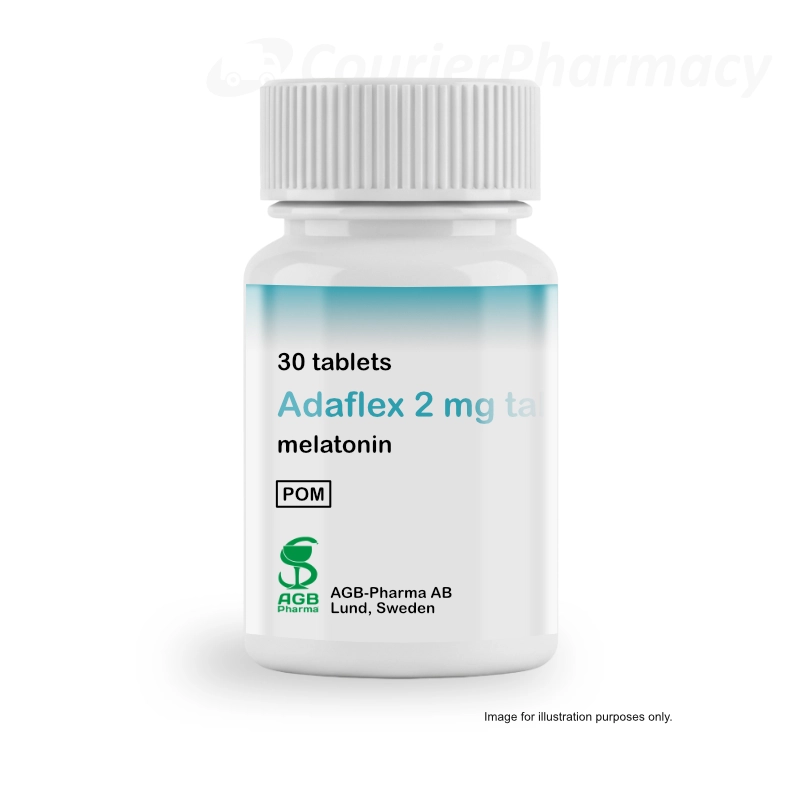



What you should know about jet lag
Jet lag is a temporary mismatch between your body clock and local time after crossing several time zones. As the NHS explains, symptoms include poor sleep, fatigue, and feeling foggy or off. It’s self-limiting and usually settles within a few days, roughly a day for each time zone you’ve crossed.
Because of how your body clock shifts. As travel medicine sources note, flying east shortens your day and asks your clock to move earlier, which is harder for the body. Flying west lengthens your day, which is usually easier to adjust to. That’s why the two legs of a trip can feel so different.
It can. A Cochrane review by Herxheimer and Petrie found melatonin effective at reducing jet lag, especially after eastward travel across several time zones. The NHS doesn’t usually fund it for jet lag, citing limited evidence, but it’s recognised as helpful for many travellers when taken correctly. A prescriber can advise whether it suits you.
No. As the NHS makes clear, melatonin is a prescription-only medicine in the UK, unlike in some countries where it’s sold as a supplement. Those overseas supplements aren’t authorised here and can vary in what they contain. The safe, legal route is a prescriber, such as through an online consultation at Courier Pharmacy.
Timing matters most. As NHS guidance describes, the usual dose is one 3mg immediate-release tablet at your normal bedtime once you arrive, not before 8pm or after 4am local time, for up to five nights. Avoid alcohol, and don’t drive after taking it. Your prescriber or pharmacist will confirm the right approach for you.
Light and timing. Getting daylight at the right time is the most powerful tool, alongside shifting your schedule before you travel and sleeping on local time when you arrive. As the NHS advises, staying hydrated, using short naps wisely, and being sensible with caffeine and alcohol all help your body reset.
For short-term use it’s generally well tolerated, but it isn’t for everyone. As the NHS notes, it can cause drowsiness, so you shouldn’t drive after taking it, and it should be avoided in pregnancy and breastfeeding. It can interact with some medicines, so a prescriber will check your history before recommending it.
We can assess your suitability for melatonin through an online consultation and supply it where appropriate, alongside personalised advice on timing, light, and sleep. We’ll check it’s safe with your other medicines and deliver discreetly before you travel. We don’t sell unregulated supplements, only properly assessed treatment.
Additional information
Jet lag
Jet lag is what happens when your body lands in a new time zone but your internal clock stays stubbornly at home. You feel wired at 3am, foggy at noon, and oddly hungry at all the wrong times. It’s incredibly common, completely normal, and very manageable. At Courier Pharmacy, we believe healthcare should fit the person, not force the person to fit the system. So we build support around your trip and your body clock, with prescriber-assessed melatonin where it’s right for you, personalised timing plans, honest guidance from real pharmacists, and care you can trust. Healthcare that fits you, wherever you land. Body clock stuck in the wrong time zone? We can help you beat jet lag.

Five key takeaways
- Jet lag is a temporary body-clock problem. As the NHS explains, it happens when your sleep-wake cycle is out of sync with the local time after crossing time zones.
- It usually passes quickly. The NHS notes most people recover within a few days, roughly a day for each time zone crossed.
- East is harder than west. Travelling eastward, which shortens your day, tends to cause worse and longer jet lag, as travel medicine sources describe.
- Light is your most powerful tool. Getting the right light at the right time helps reset your clock faster than anything else, as sleep science shows.
- Melatonin can help, with care. A Cochrane review found melatonin effective for reducing jet lag, and in the UK it’s a prescription-only medicine.

How Courier Pharmacy helps with jet lag
- Online consultations for prescriber-assessed melatonin, where it’s suitable for you
- Personalised advice on timing, light exposure, and sleep around your trip
- Pharmacist guidance on safe use, doses, and interactions
- Discreet, convenient delivery before you travel
- Support for related sleep concerns, not just the trip itself
- Free fortnightly drop-in clinics in Derby, with no cost and no pressure
What you should know about jet lag treatments
Good jet lag care follows a simple, sensible path. First, understand your trip, because the direction you fly and the number of time zones shape everything. Second, use the most powerful free tool you have, which is well-timed light. Third, consider melatonin where it’s appropriate, used correctly. Fourth, tailor the plan to you, your schedule, and how your body responds.
This is the approach we take at Courier Pharmacy. As the NHS and a Cochrane review make clear, a few simple, well-timed habits do most of the heavy lifting, with melatonin as a useful extra for many travellers. The goal isn’t to pretend the time difference doesn’t exist. It’s to help your body catch up faster, so your trip isn’t spent in a fog.

Jet lag overview
Jet lag, sometimes called desynchronosis, is a temporary sleep problem that happens when you travel quickly across several time zones. As the NHS describes, your body’s internal clock is still set to where you came from, while the world around you runs on a different schedule. That mismatch is what makes you feel so off.
The impact is more than just tiredness. Jet lag can scramble your sleep, your appetite, your concentration, and your mood, which is frustrating whether you’re travelling for work or finally on holiday. The good news, as the NHS notes, is that it’s self-limiting and usually settles within a few days as your body clock catches up.
Some people are hit harder than others, and the same person can react differently from trip to trip. As travel medicine sources explain, the number of time zones, the direction of travel, your age, and your normal sleep habits all play a part. There’s no failing involved. It’s simply biology adjusting at its own pace.
Why does this matter? Because jet lag is common, predictable, and very manageable. With a bit of planning, you can shorten it and feel more like yourself sooner. It’s one of those problems where a little knowledge goes a long way.
What is jet lag?
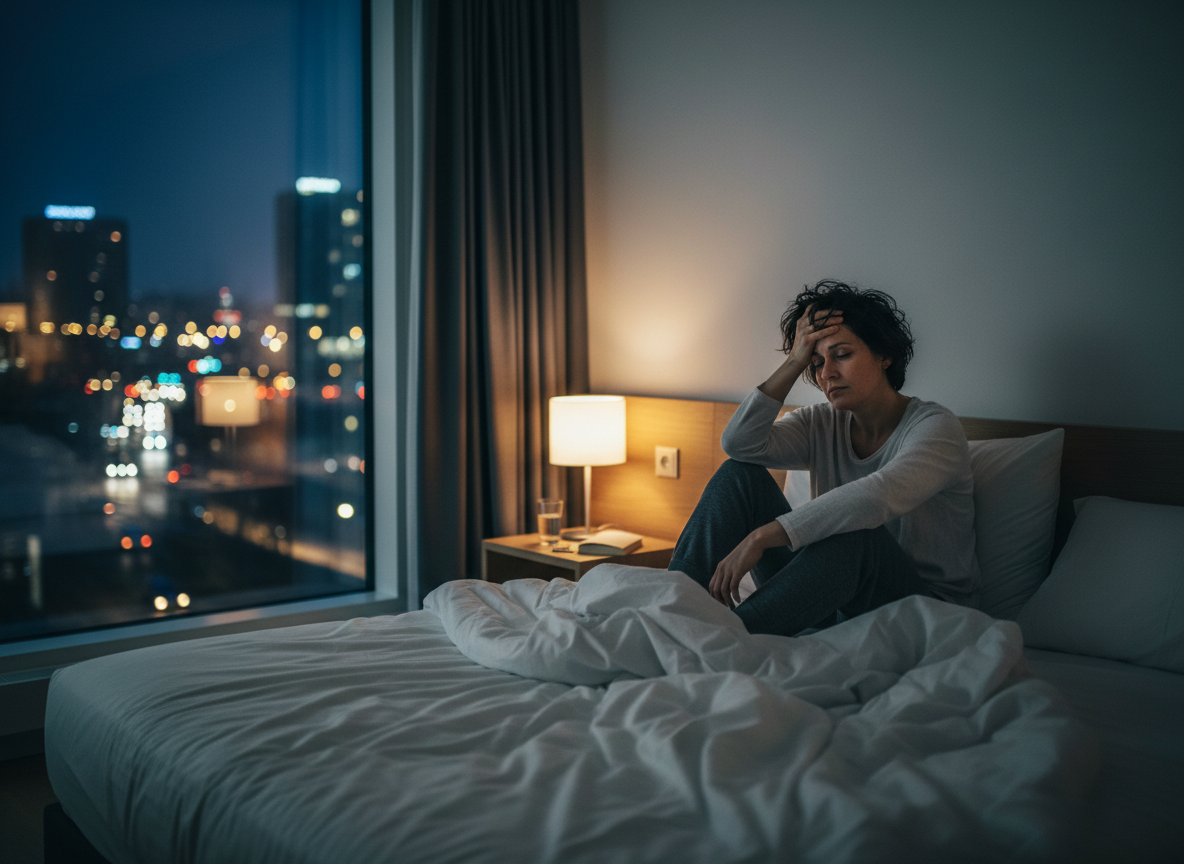
Jet lag is a temporary mismatch between your internal body clock and the local time at your destination. It tends to appear after crossing roughly three or more time zones, and symptoms usually show up within a day or two of arrival, as travel medicine sources note.
Common symptoms include:
- Difficulty falling asleep or staying asleep at the local bedtime
- Daytime sleepiness and fatigue
- Trouble concentrating or feeling generally foggy
- Indigestion, nausea, constipation, or changes in appetite
- Mild low mood or anxiety
- A general sense of being unwell or out of sorts
As the NHS notes, jet lag can affect your stomach as well as your sleep, which is why appetite and digestion often feel off for the first few days. Symptoms ease as your body clock realigns.

How common is jet lag?
Jet lag is one of the most universal travel experiences there is. Anyone who flies across enough time zones can get it, and the more zones you cross, the more likely and more intense it tends to be. Travel medicine sources put the usual threshold at around three time zones.
It doesn’t strike everyone equally. As the NHS and travel medicine guidance describe, eastward travel is generally tougher than westward, older travellers may take longer to adjust, and frequent flyers like aircrew know the toll well. If you’ve ever felt wrecked after a long-haul flight, you’re in extremely good company, and there’s plenty you can do about it.

What causes jet lag?
Jet lag comes down to your body clock falling out of step with the clock on the wall. A few factors decide how badly it hits.
Your circadian rhythm
Your body runs on an internal 24-hour cycle called the circadian rhythm, governed by a master clock in the brain. As the NHS explains, this clock controls when you feel sleepy and alert. Fly somewhere new and it keeps running on home time until it slowly resets.
The direction you fly
Direction matters a lot. Flying east shortens your day and asks your clock to move earlier, which is harder. Flying west lengthens your day, which your body usually finds easier to manage, as travel medicine sources note. That’s why the return leg can feel very different from the outbound one.

Light and dark at your destination
Light is the main signal that sets your clock. When the timing of daylight suddenly shifts, your body needs a few days to recalibrate. Getting light at the wrong time can even nudge your clock the wrong way, which is why timing matters.
The flight itself
Long flights bring their own challenges. Cramped seating, dehydration, dry cabin air, disrupted meals, and lost sleep can all make jet lag feel worse, even though they aren’t the root cause. Looking after yourself in the air helps you arrive in better shape.
What happens in the body with jet lag?
Deep in your brain sits the pineal gland, which acts like a timekeeper. As the NHS describes, when light fades in the evening it releases a hormone called melatonin, which prepares your body for sleep. Melatonin naturally peaks in the small hours and fades by morning.
Another hormone, cortisol, does the opposite, rising in the last hours of sleep to wake you up. When you cross time zones, both hormones are still on home time. So melatonin may surge when you need to be awake, and cortisol may be missing when you want to get up. That hormonal confusion is the engine of jet lag.
Your clock does reset, just slowly. As travel medicine sources note, it shifts by roughly an hour a day, which is why a six-hour time difference can take several days to shake off. The aim of any jet lag plan is to nudge that reset along, mainly by controlling light and, for some people, by topping up melatonin at the right time.

When to get medical advice
Jet lag itself is harmless and short-lived, but a couple of things around travel are worth taking seriously. The advice below reflects general NHS travel health guidance.
Seek urgent medical help if, during or after a long flight, you develop:
- Swelling, pain, or tenderness in one leg, especially the calf
- Sudden breathlessness or chest pain
These can be signs of a blood clot, which is a medical emergency, so call 999 or go to A&E. Separately, if your sleep problems or fatigue last more than two to three weeks after travelling, see your GP, since persistent symptoms may point to a sleep issue unrelated to the trip. For everyday jet lag, though, the focus is simply helping your body catch up.

Managing jet lag: what actually helps
The best jet lag plan combines a few simple, well-timed habits with, for some people, melatonin. Here’s what the evidence supports.
Light exposure and timing
This is the big one. Light is the strongest signal for resetting your clock, so getting outside into daylight at your destination helps enormously. As a rule of thumb, after flying east, morning light helps; after flying west, evening light helps. Sunglasses and dim surroundings can be used to avoid light at the wrong times.

Adjust before you travel
A head start helps. As the NHS suggests, shifting your sleep and meal times an hour or two towards your destination’s schedule in the days before you fly can ease the transition. Setting your watch to destination time when you board helps your mindset too.
Sleep, caffeine, and alcohol
Once you arrive, try to sleep and wake on local time, even if it feels forced. The NHS advises using daylight, short naps if needed, and sensible caffeine timing to stay awake during the local day. Go easy on alcohol and late caffeine, since both can disturb the sleep you’re trying to rebuild.
Melatonin
Melatonin can help reset your clock. A Cochrane review by Herxheimer and Petrie found it effective at reducing jet lag, particularly after eastward flights across several time zones. In the UK, melatonin is a prescription-only medicine, so it isn’t sold over the counter, and the NHS doesn’t usually fund it for jet lag. It can, however, be assessed and prescribed privately by a regulated prescriber, which is one of the ways we can help.
How to take melatonin for jet lag
Timing is everything. As NHS guidance describes, the usual approach is one 3mg immediate-release tablet taken at your normal bedtime once you reach your destination, not before 8pm or after 4am local time, for up to five nights. Immediate-release melatonin tends to suit jet lag better than slow-release. Don’t drive after taking it, and avoid alcohol. A pharmacist or prescriber will confirm what’s right for you.

Other prescription options
Some travellers ask about short-term sleeping tablets or wakefulness medicines. As travel medicine sources note, these may help with sleep or alertness but don’t reset your body clock, and they carry their own risks. They’re only ever used under proper medical guidance, and they aren’t a first port of call.
Staying well on the flight
Small things add up. Drink water, move around the cabin when you can, dress comfortably, and try to sleep only when it’s night-time at your destination. Arriving rested and hydrated gives the rest of your plan the best chance to work.
Patient experiences and challenges
Jet lag has a way of stealing the first days of a trip. People tell us they’ve slept through a morning they’d planned for months, or sat wide awake at 4am willing themselves to drift off. It’s a small thing in the scheme of life, but a genuinely frustrating one.
Others tell us they didn’t realise melatonin was prescription-only in the UK, and were surprised to learn the supplements sold abroad aren’t authorised here and can vary wildly in what they actually contain. As the NHS warns, those unregulated products are best avoided. Knowing the safe, legal route makes a real difference.
Here’s what we want you to hear. Struggling with jet lag doesn’t mean you’re a bad traveller or doing something wrong. It’s just biology catching up. You’re the one who knows your trip and your body, and you get to plan around them. Our job is to give you accurate guidance and, where it’s right, safe access to treatment.
Innovative and new approaches to jet lag
Jet lag science keeps refining what we know, and the most useful advances are about precision rather than gimmicks. As always, we’d weigh the evidence over the hype.
Personalised timing is the big shift. Apps and tools now help travellers plan light exposure, sleep, and melatonin timing around their specific flights and chronotype, building on the circadian science the NHS describes. Researchers continue to study melatonin receptor medicines and carefully timed light therapy for stubborn cases, though simple measures still work for most people.
At Courier Pharmacy, our role here is honest guidance. We’ll help you separate what genuinely helps from clever marketing, and build a plan that fits your actual journey rather than a generic checklist.
Looking to the future: research and hope
The direction of travel is encouraging. Researchers are getting better at personalising jet lag advice, understanding individual body clocks, and fine-tuning how and when to use light and melatonin. The circadian science behind it all is one of the most active areas in sleep medicine.
There’s every reason for optimism. Jet lag is temporary, well understood, and increasingly easy to soften with the right plan. We won’t pretend you can abolish a time difference. What we will say is that, with good timing and the right support, most people can cut their jet lag down and enjoy far more of their trip.
How Courier Pharmacy helps with jet lag
We started Courier Pharmacy because too many people get one-size-fits-all care. Jet lag is a small but perfect example. Your trip, your body clock, and your schedule are unique, so your plan should be too. That personalisation is the first of our four pillars, and it’s why we tailor advice around your specific journey rather than handing out a generic leaflet.
The other pillars carry it through. Guidance means our pharmacists can talk you through timing, light, and safe melatonin use, and check it won’t clash with your other medicines. Trust means we’re a UK-regulated pharmacy, and where melatonin is suitable, it’s assessed and prescribed properly through an online consultation, never sold as an unregulated supplement. Community means we show up for people, even when there’s nothing to buy.
That spirit has a face in Dr Ada Jex-Cori, the voice of our approach, whose message is simple: you deserve healthcare that fits your life. For jet lag, that means clear advice, safe access to treatment where it’s right, and a plan built around your trip. Healthcare that fits you, wherever you’re headed.

Frequently asked questions about jet lag
What is jet lag and how long does it last?
Jet lag is a temporary mismatch between your body clock and local time after crossing several time zones. As the NHS explains, symptoms include poor sleep, fatigue, and feeling foggy or off. It’s self-limiting and usually settles within a few days, roughly a day for each time zone you’ve crossed.
Why is flying east worse than flying west?
Because of how your body clock shifts. As travel medicine sources note, flying east shortens your day and asks your clock to move earlier, which is harder for the body. Flying west lengthens your day, which is usually easier to adjust to. That’s why the two legs of a trip can feel so different.
Does melatonin help with jet lag?
It can. A Cochrane review by Herxheimer and Petrie found melatonin effective at reducing jet lag, especially after eastward travel across several time zones. The NHS doesn’t usually fund it for jet lag, citing limited evidence, but it’s recognised as helpful for many travellers when taken correctly. A prescriber can advise whether it suits you.
Can I buy melatonin over the counter in the UK?
No. As the NHS makes clear, melatonin is a prescription-only medicine in the UK, unlike in some countries where it’s sold as a supplement. Those overseas supplements aren’t authorised here and can vary in what they contain. The safe, legal route is a prescriber, such as through an online consultation at Courier Pharmacy.
How do I take melatonin for jet lag?
Timing matters most. As NHS guidance describes, the usual dose is one 3mg immediate-release tablet at your normal bedtime once you arrive, not before 8pm or after 4am local time, for up to five nights. Avoid alcohol, and don’t drive after taking it. Your prescriber or pharmacist will confirm the right approach for you.
What’s the best way to beat jet lag without medicine?
Light and timing. Getting daylight at the right time is the most powerful tool, alongside shifting your schedule before you travel and sleeping on local time when you arrive. As the NHS advises, staying hydrated, using short naps wisely, and being sensible with caffeine and alcohol all help your body reset.
Is melatonin safe, and who shouldn’t take it?
For short-term use it’s generally well tolerated, but it isn’t for everyone. As the NHS notes, it can cause drowsiness, so you shouldn’t drive after taking it, and it should be avoided in pregnancy and breastfeeding. It can interact with some medicines, so a prescriber will check your history before recommending it.
How can Courier Pharmacy help with jet lag?
We can assess your suitability for melatonin through an online consultation and supply it where appropriate, alongside personalised advice on timing, light, and sleep. We’ll check it’s safe with your other medicines and deliver discreetly before you travel. We don’t sell unregulated supplements, only properly assessed treatment.
More than a condition: our community
Sleep struggles can feel isolating, whether they follow a flight or not. So we made a space to talk about them. Every fortnight, we run free drop-in clinics and talks at Insomnia in Derby, from 12 to 1pm. No cost. No pressure. Just real support, honest answers, and people who understand.
Come with a question, come to listen, or come for a brew and a chat. You’re welcome either way.
How this content was created
Written by the Courier Pharmacy editorial team and reviewed by a GPhC-registered pharmacist. Grounded in the latest NHS, NICE, BNF and EMC guidance, peer-reviewed studies, and the real questions patients bring to our drop-in clinics in Derby.
By the Courier Pharmacy editorial team. Medically reviewed by a GPhC-registered pharmacist. Last reviewed: June 2026.
Important disclaimer
This page is for general information and education. It isn’t medical advice, and it isn’t a substitute for a consultation with a qualified healthcare professional. Melatonin is a prescription-only medicine in the UK and may not be suitable for everyone, including during pregnancy or breastfeeding, or alongside certain medicines. If you develop leg swelling, breathlessness, or chest pain during or after a flight, seek urgent medical help. Always speak to a prescriber or pharmacist before starting any treatment.
References
[1] National Health Service (2022) Jet lag. Available at: https://www.nhs.uk/conditions/jet-lag/ (Accessed: 22 June 2026).
[2] National Health Service (no date) How and when to take melatonin. Available at: https://www.nhs.uk/medicines/melatonin/how-and-when-to-take-melatonin/ (Accessed: 22 June 2026).
[3] National Health Service (no date) Common questions about melatonin. Available at: https://www.nhs.uk/medicines/melatonin/common-questions-about-melatonin/ (Accessed: 22 June 2026).
[4[ Herxheimer, A. and Petrie, K.J. (2002) ‘Melatonin for the prevention and treatment of jet lag’, Cochrane Database of Systematic Reviews, CD001520. Available at: https://www.cochranelibrary.com/cdsr/doi/10.1002/14651858.CD001520/full (Accessed: 22 June 2026).
[5] Courier Pharmacy (2026) Why is melatonin banned in the UK? Available at: https://courierpharmacy.co.uk/why-is-melatonin-banned-in-the-uk-2/ (Accessed: 28 June 2026).

BSc Pharmacy, Independent Prescriber, PgDip Endocrinology, MSc Endocrinology, PgDip Infectious Diseases
Superintendant Pharmacist, Independent Prescriber

BSc Pharmacy
Compounding Pharmacist

