

Find the right hypothyroidism treatment for you
View All Products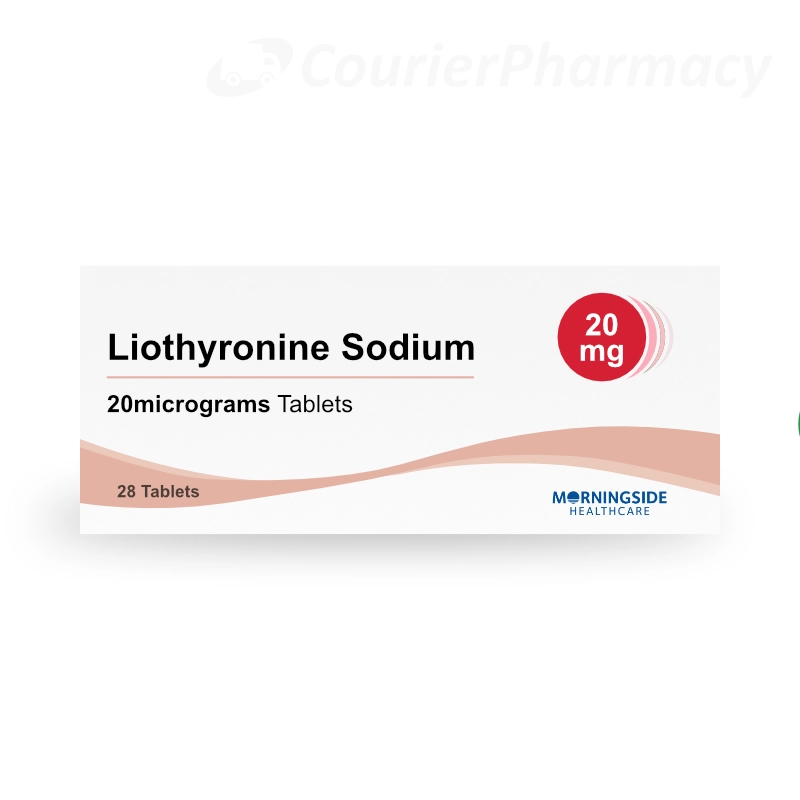


What you should know about hypothroidism
Common symptoms include tiredness, weight gain, feeling cold, low mood, brain fog, dry skin, thinning hair, constipation, muscle aches, and heavy or irregular periods. As the NHS describes, they build gradually and are easily mistaken for stress or ageing. Few people have all of them, which is part of why hypothyroidism is often missed. A blood test is the way to know for sure.
With a blood test. As NICE describes, the key measure is TSH, often alongside free T4, which together show whether your thyroid is underactive. A test for thyroid antibodies can confirm an autoimmune cause like Hashimoto’s. Interpreting the results with your symptoms guides whether and how to treat. We can arrange these tests and help you understand what they mean.
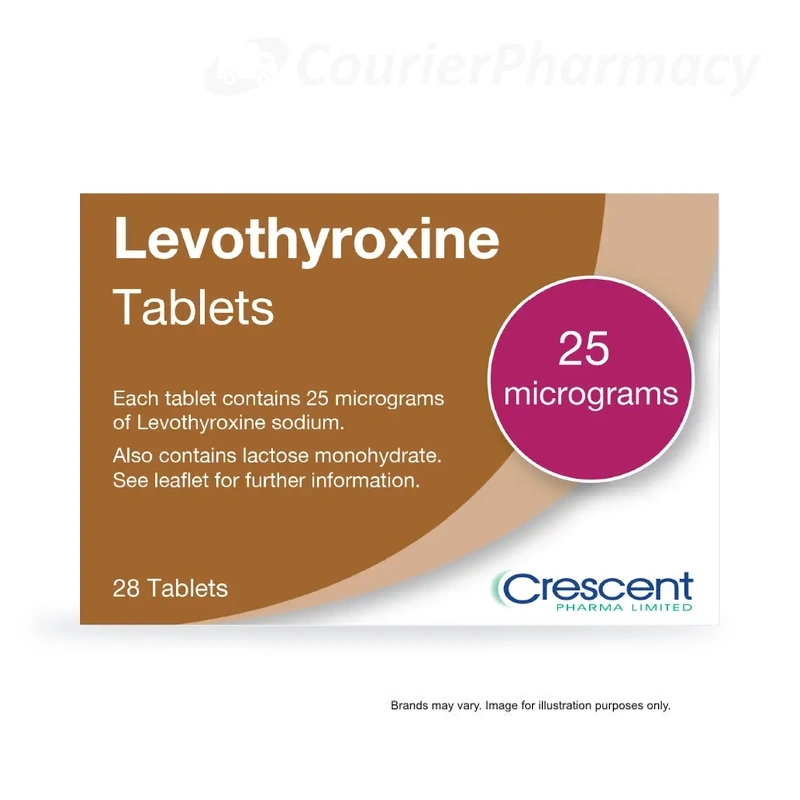
Levothyroxine is the standard treatment for hypothyroidism. As NICE describes, it’s a synthetic version of thyroxine, the hormone your thyroid normally makes, taken as a once-daily tablet that simply replaces what’s missing. It’s best taken on an empty stomach, at least 30 minutes before food or other medicines. For most people it’s very effective, and it’s usually taken long term.
It’s gradual, so patience helps. Many people start to notice improvement within a few weeks, but it can take a couple of months to feel the full benefit, and finding your ideal dose takes some fine-tuning. As NICE describes, your TSH is rechecked around six to eight weeks after starting or changing a dose. Taking it consistently every day gives the steadiest results.
Usually, yes. As the NHS explains, most causes of hypothyroidism are permanent, so levothyroxine is typically taken long term, often for life. The good news is that it’s simply replacing a hormone your body needs, it’s well tolerated, and once your dose is right, most people feel well and get on with life. Regular monitoring keeps it on track.
Good question, and it’s worth knowing your options. Levothyroxine works brilliantly for most people, but not everyone feels fully themselves on it, and if that’s you, you’re not imagining it. Some people benefit from adding liothyronine, known as T3, which is the active thyroid hormone, and it’s an option we can explore with you where it’s appropriate. As NICE and the British Thyroid Association note, the evidence that T3 or natural desiccated thyroid works better than levothyroxine is still limited, so it’s a careful, individual decision, ideally with specialist input, and we’ll be honest with you throughout. The key point is this: if standard treatment hasn’t got you feeling right, there are still avenues to try, and we’ll help you find what works for you.
It can. As the thyroid literature notes, hypothyroidism can cause weight gain, hair thinning, and menstrual and fertility changes, because thyroid hormone affects so many body systems. Treating it often improves these, though weight in particular has many causes. If you’re planning a pregnancy, good thyroid control is especially important, and should be managed with your GP or specialist.
We can arrange thyroid blood tests, provide levothyroxine treatment through a prescriber assessment including ongoing supply, and organise the monitoring tests that keep your dose right. We give honest guidance, including the facts on T3, and work alongside your GP, referring for specialist input where needed. It starts with a thyroid test or a chat with a pharmacist.
Additional information
Hypothyroidism (underactive thyroid)
Hypothyroidism, an underactive thyroid, is when your thyroid gland doesn’t make enough thyroid hormone, and because that hormone sets the pace for your whole body, the result can be relentless tiredness, weight gain, feeling cold, low mood, and brain fog. If you’ve been feeling run-down and not yourself, it’s worth checking. At Courier Pharmacy, we believe healthcare should fit the person, not force the person to fit the system. So we help you find answers with the right blood tests, treat it properly with levothyroxine where needed, and keep your dose on track with monitoring. Healthcare that fits you, thyroid included. Exhausted, cold, and foggy for no clear reason? A simple thyroid test can help.

Five key takeaways
- Hypothyroidism is common and very treatable. As the NHS notes, an underactive thyroid is easily managed once diagnosed.
- Symptoms are often vague. Tiredness, weight gain, feeling cold, and low mood are easily missed or dismissed.
- A blood test gives the answer. Checking your thyroid hormone levels is how it’s diagnosed.
- Levothyroxine is the standard treatment. It simply replaces the hormone your thyroid isn’t making.
- Getting the dose right takes monitoring. Regular blood tests fine-tune your treatment over time.
How Courier Pharmacy helps with hypothyroidism
- Thyroid blood tests, including TSH, free T4, and thyroid antibodies
- Levothyroxine treatment, prescriber-assessed, including ongoing supply
- Monitoring blood tests to keep your dose right over time
- Honest guidance on treatment, including the facts on T3 and other options
- Support that works alongside your GP, and referral where specialist input is needed
What you should know about hypothyroidism treatment
Good care for an underactive thyroid follows a clear, sensible path. First, recognise the symptoms, which are common and easily mistaken for other things. Second, get a blood test, since that’s how hypothyroidism is diagnosed. Third, treat it with levothyroxine, which replaces the missing hormone. Fourth, monitor and adjust the dose over time, so you feel your best.
This is the approach the NHS and NICE take, and the one we support at Courier Pharmacy. As NICE guidance describes, levothyroxine is the treatment of choice, with the dose guided by regular blood tests. The goal isn’t just a number in range. It’s getting your energy, warmth, and clarity back.
Hypothyroidism overview
Hypothyroidism means the thyroid, a small butterfly-shaped gland in your neck, is underactive and produces too little thyroid hormone. As the NHS explains, this hormone controls your metabolism, the rate at which your body uses energy, so when it’s low, many body processes slow down.
The impact is often gradual and easy to overlook. Because symptoms like tiredness, weight gain, and low mood build slowly and overlap with everyday life, many people put up with feeling below par for a long time before getting checked. As the thyroid literature notes, hypothyroidism is frequently under-recognised, and its effect on quality of life is significant. None of that is something you have to simply accept as your new normal.
The reassuring truth is that hypothyroidism is one of the most treatable long-term conditions there is. As the NHS describes, once diagnosed it’s usually managed very effectively with a daily tablet, and most people feel much better. Understanding that a simple test can explain how you’ve been feeling is the first step.
Why does this matter? Because hypothyroidism is common, easily diagnosed, and highly treatable, yet often missed. Many people spend months or years feeling exhausted and low without realising their thyroid could be the cause. A straightforward blood test can change that.
What is hypothyroidism?
Hypothyroidism is a lack of thyroid hormone, which slows the body’s processes down. As the NHS explains, the symptoms reflect that slowing, and they can affect almost every part of you.
Common symptoms include:
- Tiredness and low energy
- Weight gain, or difficulty losing weight
- Feeling the cold more than usual
- Low mood or depression
- Brain fog, poor concentration, and memory lapses
- Dry skin and thinning or brittle hair
- Constipation
- Muscle aches, weakness, or cramps
- Heavy or irregular periods
- A slow heart rate, and sometimes a puffy face or hoarse voice
As the thyroid literature notes, few people have every symptom, and because they’re so general, hypothyroidism is easily mistaken for stress, ageing, or simply being busy and tired.

How common is hypothyroidism?
Hypothyroidism is one of the most common hormone conditions. As the thyroid literature reports, it affects a significant proportion of the population, becomes more common with age, and is far more common in women than men.
Because it’s so common and its symptoms so easily dismissed, many cases go undiagnosed for a while. If you’ve been feeling persistently tired, cold, or low, you’re in very large company, and a simple test can give you clarity.
What causes hypothyroidism?
Hypothyroidism has several possible causes. The NHS and thyroid literature describe the main ones.
Autoimmune thyroid disease
The most common cause in the UK is an autoimmune condition called Hashimoto’s thyroiditis, where the immune system gradually damages the thyroid so it makes less hormone. As the thyroid literature notes, this often runs in families and can occur alongside other autoimmune conditions.
Thyroid treatment and surgery
Hypothyroidism can follow treatment for an overactive thyroid, such as radioactive iodine, or surgery to remove part or all of the thyroid. In these cases, it’s an expected outcome, managed with hormone replacement.
Medicines
Some medicines can affect thyroid function, including lithium and amiodarone. If you take these, your thyroid may be monitored as a matter of routine.
Iodine and other causes
The thyroid needs iodine to make its hormone, so iodine deficiency can cause hypothyroidism, though this is uncommon in the UK. Rarely, a problem with the pituitary gland in the brain, which signals the thyroid, is the cause. Some babies are born with an underactive thyroid, which is why newborns are screened.
Subclinical hypothyroidism
Sometimes blood tests show a mildly underactive thyroid, with a raised signal from the brain but still-normal hormone levels. As NICE describes, this milder picture doesn’t always need treatment, and is often monitored, with the decision depending on symptoms and other factors.
What happens in the body with hypothyroidism?
Your thyroid works within a feedback loop. As the thyroid literature explains, the pituitary gland in your brain releases a hormone called TSH, or thyroid-stimulating hormone, which tells the thyroid how much thyroid hormone to make. When thyroid hormone runs low, the brain senses it and pushes out more TSH to try to spur the thyroid on.
This is exactly what blood tests measure. In an underactive thyroid, TSH rises as the brain works harder to stimulate a gland that can’t keep up, while the actual thyroid hormone, thyroxine or T4, falls. That’s why a raised TSH with a low T4 is the classic sign of hypothyroidism.
Because thyroid hormone sets your metabolic rate, having too little slows everything down, your energy, your temperature regulation, your digestion, your heart rate, and your mood. This also explains the treatment: replacing the missing hormone restores the body’s normal pace, and blood tests let us check the dose is just right.

When to see a doctor
If you have symptoms that could suggest an underactive thyroid, such as ongoing tiredness, weight gain, feeling cold, low mood, or brain fog, it’s worth getting your thyroid checked. As the NHS advises, a simple blood test can confirm or rule it out.
It’s especially important to get thyroid function checked if you’re pregnant or planning a pregnancy, as thyroid hormone needs change and good control matters for you and your baby. Very rarely, severe untreated hypothyroidism can cause a serious condition called myxoedema, with extreme symptoms, which is a medical emergency. For the vast majority, though, hypothyroidism is picked up and treated long before anything like that, which is exactly why testing is worthwhile.
Diagnosing hypothyroidism
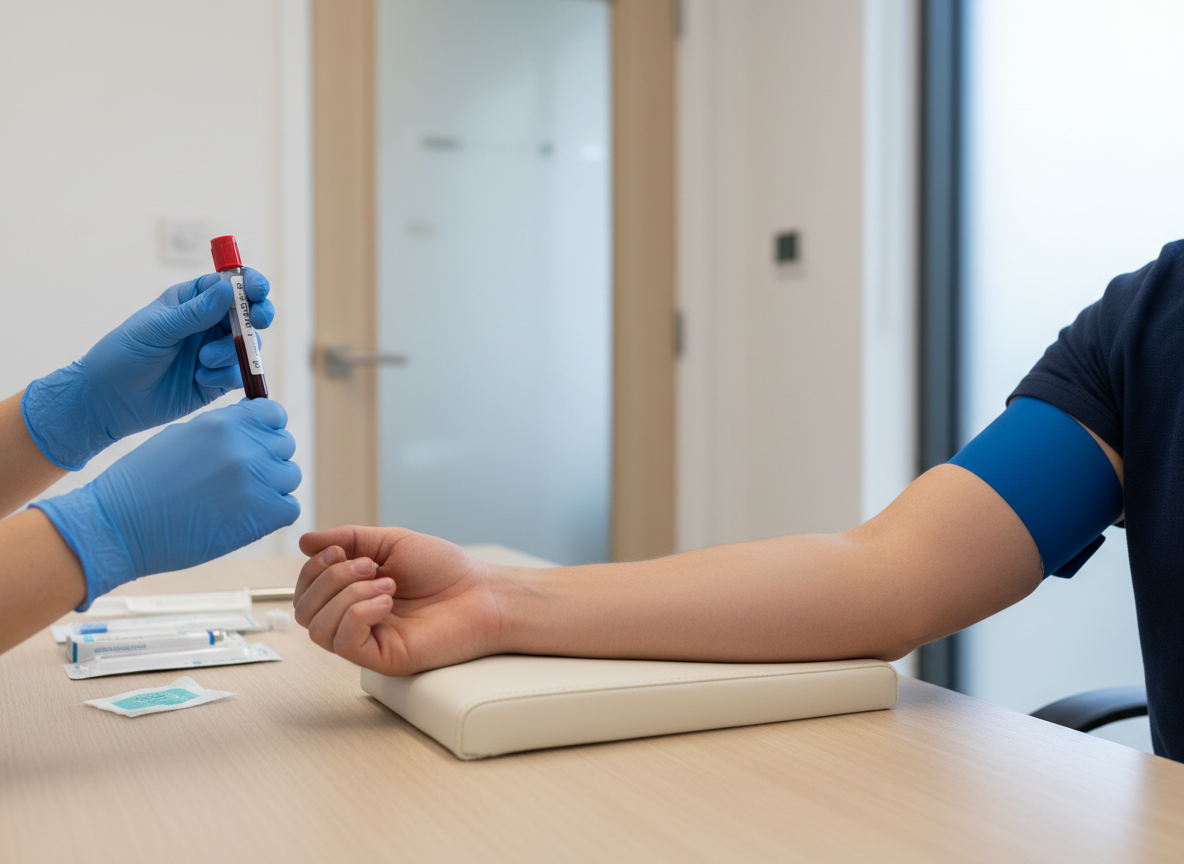
Hypothyroidism is diagnosed with a blood test, which is quick and reliable. As NICE describes, the key measure is TSH, often alongside free T4, and these together show whether your thyroid is underactive and how significantly.
Where an autoimmune cause is suspected, a test for thyroid antibodies, such as TPO antibodies, can help confirm Hashimoto’s thyroiditis. Interpreting the results in the context of your symptoms is what guides whether, and how, to treat.
This is where Courier Pharmacy can help directly. We can arrange thyroid blood tests, including TSH, free T4, and thyroid antibodies, and help you understand what they mean and what to do next. Tests that answer the question, not just tick a box. If you’re feeling off and don’t know why, this is a sensible place to start.
Treating hypothyroidism
Treating an underactive thyroid is refreshingly straightforward for most people. As NICE and the NHS describe, it centres on replacing the missing hormone and fine-tuning the dose.
Levothyroxine, the standard treatment
Levothyroxine is the treatment of choice for hypothyroidism. As NICE describes, it’s a synthetic version of thyroxine, the same hormone your thyroid makes, taken as a once-daily tablet. It simply tops up what your thyroid can’t produce, restoring your hormone levels to normal. For most people, it’s highly effective, and it’s usually taken long term, often for life. It’s best taken on an empty stomach, typically first thing in the morning, at least 30 minutes before food, drinks other than water, or other medicines, since these can affect how well it’s absorbed.
Getting the dose right
The right dose is the one that suits you, and finding it takes a little patience. As NICE describes, treatment is guided by blood tests, with your TSH rechecked around six to eight weeks after starting or changing a dose, then less often once you’re stable, usually once a year. The aim is to relieve your symptoms and bring your levels into the right range. Older people and those with heart conditions usually start on a lower dose and build up gradually. This is exactly the kind of monitoring we can help you keep on top of.
The facts on T3 and natural thyroid extract
You may come across other options, and we want to be honest about them. Some people ask about liothyronine, known as T3, or natural desiccated thyroid extract. As NICE and the British Thyroid Association describe, these are not routinely recommended. Levothyroxine remains the standard for good reason. A small number of people continue to feel unwell despite well-controlled levels on levothyroxine, and in selected cases a specialist endocrinologist may consider a trial of adding T3, as a careful, shared decision. It’s a specialist area, and we’d always be straight with you about the evidence rather than overpromise.
Pregnancy and your thyroid
If you have hypothyroidism and are pregnant or planning to be, good thyroid control is especially important. As the thyroid literature describes, hormone requirements often increase in pregnancy, and your dose and levels need close attention, so this should always be managed with your GP or specialist. We’d always encourage you to loop them in.

Living well alongside treatment
Levothyroxine does the heavy lifting, but a few habits help. Taking it consistently, at the same time and in the same way each day, keeps your levels steady. Being aware that supplements like iron and calcium, and some medicines, can interfere with absorption if taken too close together, is useful. General healthy living supports your wellbeing, though it doesn’t replace the medication.
Patient experiences and challenges
Hypothyroidism can be quietly wearing, and quietly dismissed. People tell us they spent months or years feeling exhausted, low, and not themselves, sometimes told it was just stress, low mood, or getting older, before a blood test finally explained it. That validation, of realising there was a real, treatable reason, is often a huge relief.
Others tell us that even once diagnosed, it took time to feel right as the dose was adjusted, and that they valued honest guidance through that process. Some had questions about T3 and other options, and wanted straight answers rather than hype.
Here’s what we want you to hear. Your symptoms are real, and you don’t have to accept feeling this tired and flat. Hypothyroidism is common, easily tested for, and very treatable. You’re the one living in your body, and you deserve to feel like yourself again. Our job is to help you find answers, get the treatment right, and support you honestly along the way.
Looking to the future: research and hope
Thyroid care keeps improving. As the thyroid literature describes, research continues into why some people don’t feel fully well on standard treatment, into the role of combination therapy for that minority, and into more personalised approaches. Better understanding of the autoimmune process behind Hashimoto’s is advancing too.
There’s real reason for optimism. For the vast majority of people, hypothyroidism is straightforward to treat, and a daily tablet restores normal life. We won’t overcomplicate it. What we will say is that, with the right diagnosis, treatment, and monitoring, feeling well again is a realistic and everyday outcome.
How Courier Pharmacy helps with hypothyroidism
We started Courier Pharmacy because too many people feel dismissed, especially with symptoms that are easy to wave away. Hypothyroidism is a clear example. Your symptoms, your levels, and your response to treatment are unique, so your care should be too. That personalisation is the first of our four pillars.
The other pillars carry it through. Guidance means we help you get tested, understand your results, take levothyroxine properly, and know the honest facts about your options. Trust means we’re a UK-regulated pharmacy that follows the evidence, is straight about treatments like T3, and works alongside your GP, referring for specialist input where it’s needed. Community means we show up for people, even for the symptoms others shrug off.
That spirit has a face in Dr Ada Jex-Cori, the voice of our approach, whose message is simple: you’re not broken, and you deserve healthcare that fits your life. For an underactive thyroid, that means answers, effective treatment, and honesty. Healthcare that fits you, not the other way round.
Frequently asked questions about hypothyroidism

What are the symptoms of an underactive thyroid?
Common symptoms include tiredness, weight gain, feeling cold, low mood, brain fog, dry skin, thinning hair, constipation, muscle aches, and heavy or irregular periods. As the NHS describes, these symptoms build gradually and are easy to mistake for stress or ageing. Few people have all of them, which is part of why hypothyroidism is often missed. A blood test is the way to know for sure.
How is hypothyroidism diagnosed?
With a blood test. As NICE describes, the key measure is TSH, often alongside free T4, which together show whether your thyroid is underactive. A thyroid antibody test can confirm an autoimmune cause like Hashimoto’s. Interpreting the results with your symptoms guides whether and how to treat. We can arrange these tests and help you understand what they mean.
What is levothyroxine and how does it work?
Levothyroxine is the standard treatment for hypothyroidism. As NICE describes, it’s a synthetic version of thyroxine, the hormone your thyroid normally makes, taken as a once-daily tablet that simply replaces what’s missing. It’s best taken on an empty stomach, at least 30 minutes before food or other medicines. For most people, it’s very effective, and it’s usually taken long term.
How long until I feel better on levothyroxine?
It’s gradual, so patience helps. Many people start to notice improvement within a few weeks, but it can take a couple of months to feel the full benefit, and finding your ideal dose takes some fine-tuning. As NICE describes, your TSH is rechecked around six to eight weeks after starting or changing a dose. Taking it consistently every day gives the steadiest results.
Will I need to take treatment for life?
Usually, yes. As the NHS explains, most causes of hypothyroidism are permanent, so levothyroxine is typically taken long term, often for life. The good news is that it’s simply replacing a hormone your body needs, it’s well tolerated, and once your dose is right, most people feel well and get on with life. Regular monitoring keeps it on track.
What about T3 or natural thyroid treatments?
We’ll be honest about these. Liothyronine, or T3, and natural desiccated thyroid aren’t routinely recommended because levothyroxine is the standard. For the small number who don’t feel well despite good levels, a specialist may consider T3 as a careful, shared decision.
Does an underactive thyroid affect weight, hair, or fertility?
It can. As the thyroid literature notes, hypothyroidism can cause weight gain, hair thinning, and menstrual and fertility changes, because thyroid hormone affects so many body systems. Treating it often improves these, though weight in particular has many causes. If you’re planning a pregnancy, good thyroid control is especially important, and should be managed with your GP or specialist.
How can Courier Pharmacy help with hypothyroidism?
We can arrange thyroid blood tests, provide levothyroxine treatment through a prescriber assessment, including ongoing supply, and organise the monitoring tests that keep your dose right. We give honest guidance, including the facts on T3, and work alongside your GP, referring for specialist input where needed. It starts with a thyroid test or a chat with a pharmacist.
Important disclaimer
This page is for general information and education. It isn’t medical advice, and it isn’t a substitute for a consultation with a qualified healthcare professional. Hypothyroidism should be diagnosed and monitored with blood tests, and levothyroxine dosing must be individualised and reviewed. Thyroid treatment in pregnancy needs specialist oversight. Always speak to a prescriber or pharmacist before starting, stopping, or changing any treatment, and keep your GP informed.
References
- British National Formulary (BNF) (no date) Levothyroxine sodium. Available at: https://bnf.nice.org.uk/drugs/levothyroxine-sodium/ (Accessed: 13 September 2026).
- Electronic Medicines Compendium (emc) (no date) Levothyroxine sodium 50 micrograms tablets – Summary of Product Characteristics (SmPC). Available at: https://www.medicines.org.uk/emc/product/5682/smpc (Accessed: 13 September 2026).
- National Health Service (2021) Underactive thyroid (hypothyroidism). Available at: https://www.nhs.uk/conditions/underactive-thyroid-hypothyroidism/ (Accessed: 27 July 2026).
- National Institute for Health and Care Excellence (2019, updated) Thyroid disease: assessment and management (NG145). Available at: https://www.nice.org.uk/guidance/ng145 (Accessed: 27 July 2026).

BSc Pharmacy, Independent Prescriber, PgDip Endocrinology, MSc Endocrinology, PgDip Infectious Diseases
Superintendant Pharmacist, Independent Prescriber

BSc Pharmacy
Compounding Pharmacist

