

Find the right depression treatment for you
View All Products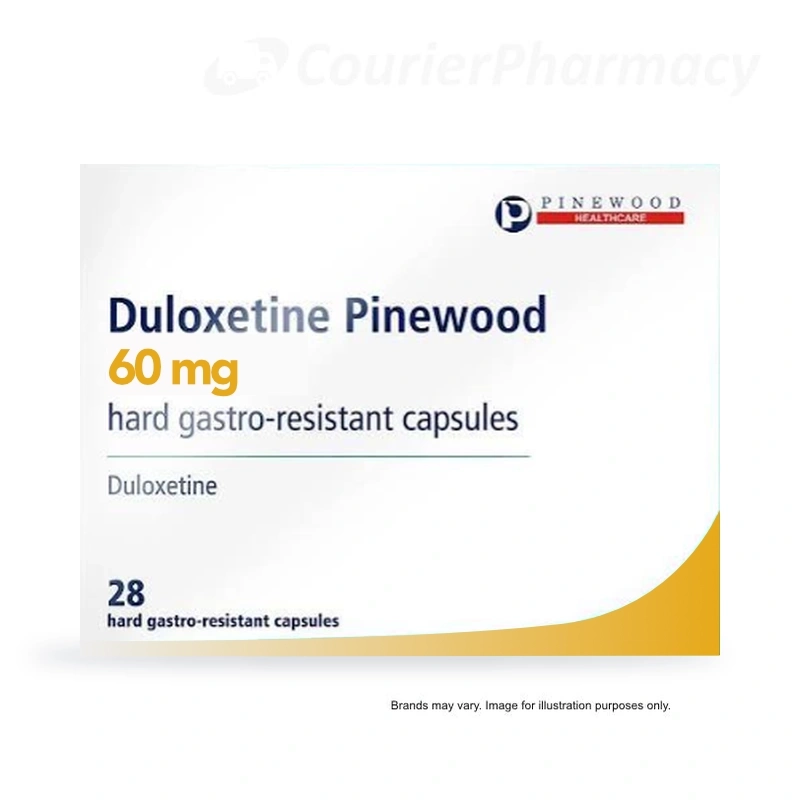

What you should know about depression
Depression is a common mental health condition that affects how you feel, think, and cope. As the NHS describes, it causes a persistent low mood and loss of interest lasting weeks or longer, along with symptoms like low energy, poor sleep, and difficulty concentrating. It ranges from mild to severe, and it’s a real medical condition that often needs treatment and support, not something you can simply snap out of.
Common symptoms include a continuous low or empty mood, losing interest in things you used to enjoy, fatigue, changes in sleep and appetite, and trouble concentrating. As the NHS notes, you may also feel worthless, guilty, or hopeless. In more severe cases, people can have thoughts of self-harm, which should always prompt urgent help. Depression looks different for everyone, and you don’t need every symptom to have it.
There’s usually no single cause. As the NHS and NICE describe, depression tends to result from a mix of biological factors like genetics and brain chemistry, psychological factors, and life circumstances such as stress, loss, or loneliness. Sometimes there’s a clear trigger, and sometimes none at all. Either way, how you feel is valid, and you don’t need a reason to deserve help.
Treatment is a menu, matched to you. As NICE describes, it includes talking therapies like CBT, lifestyle support, and antidepressant medication, often used in combination. Milder depression may respond well to therapy and self-care, while moderate to severe depression often benefits from medication too. The best plan depends on your symptoms and your preferences, decided together with a clinician.
Antidepressants adjust brain chemicals like serotonin that influence mood. As the Royal College of Psychiatrists explains, this gradually lifts mood and eases symptoms. They aren’t instant. Most take two to four weeks to start working and up to six weeks or more for the full effect. Some symptoms, like sleep, may improve sooner. It’s important to keep taking them as prescribed, even before you feel a difference.
Antidepressants aren’t addictive in the usual sense, but your body gets used to them, so they must not be stopped suddenly. As the Royal College of Psychiatrists advises, stopping abruptly can cause withdrawal-type symptoms, so the dose is reduced gradually under guidance. Treatment is usually continued for at least six months after you feel better, then reviewed. Always talk to a prescriber before changing or stopping.
Most are mild and settle within a couple of weeks. Common ones include nausea, headache, dry mouth, sleep changes, and sometimes sexual side effects. Occasionally, especially early on and in people under 25, they can briefly increase anxiety or distressing thoughts before helping, which is why early review matters. Seek advice promptly if you feel worse. Your prescriber will discuss all of this and check for interactions first.
We offer a confidential assessment and prescriber-led antidepressant treatment where appropriate, with ongoing review, always alongside your GP and therapy. We’re honest about what medication can and can’t do. If you need urgent help, call Samaritans on 116 123 any time, call NHS 111 and choose the mental health option, or call 999 in an emergency. You never have to face this alone.
Additional information
Depression
Depression is more than a low mood or a bad week. It’s a common, real, and treatable medical condition that affects how you feel, think, sleep, and cope, and struggling with it is not a weakness or a failure. If everything feels heavy and hopeless right now, please know that help exists and things can get better. At Courier Pharmacy, we believe healthcare should fit the person, not force the person to fit the system. So we treat you as a whole person, offering prescriber-led antidepressant treatment where it’s right, always alongside your GP and the wider support you deserve. Healthcare that fits you, with compassion. Feeling low, flat, or not yourself for weeks? We can help you take the next step.

If you need urgent help right now
If you are struggling to cope, or having thoughts of harming yourself, please reach out now. You are not alone, and help is available day and night.
- Samaritans: call 116 123 free, any time, day or night
- NHS 111: call 111 and select the mental health option for urgent support
- Shout: text SHOUT to 85258 for free, confidential text support
- In an emergency, or if you feel unsafe, call 999 or go to A&E
- Your GP can also arrange urgent help and ongoing care
This page is about treating depression over time. It is not for mental health emergencies. If you need help now, please use the numbers above.

Five key takeaways
- Depression is a genuine medical condition. As the NHS describes, it’s common, real, and not something you can simply snap out of.
- It’s very treatable. Most people improve with the right support, and often a combination of approaches.
- Treatment is a menu, not one option. As NICE guidance describes, talking therapy, lifestyle support, and medication all have a place.
- Antidepressants take time. They usually take a few weeks to work, and should never be stopped suddenly.
- You don’t have to face it alone. Help from your GP, therapists, and services like Samaritans is always available.
How Courier Pharmacy helps with depression
- A confidential assessment with a prescriber, to see what support is right for you
- Prescriber-led antidepressant treatment, where clinically appropriate
- Ongoing reviews to check how you’re getting on and adjust if needed
- Honest guidance on what medication can and can’t do, alongside therapy
- Clear signposting to your GP, talking therapies, and crisis support
- Free fortnightly drop-in clinics in Derby, with no cost and no pressure
We work alongside your GP and mental health services, never instead of them. Depression is best supported by a team around you.

What you should know about depression treatment
Good care for depression follows a clear, compassionate path. First, recognise that depression is a real condition that deserves proper care, not self-blame. Second, get a proper assessment, because the right treatment depends on you. Third, understand that treatment is a menu, from talking therapies and lifestyle support to medication, often used together. Fourth, personalise the plan and review it as you go.
This is the approach NICE and the NHS take, and the one we support at Courier Pharmacy. As NICE guidance describes, treatment should be matched to how severe your depression is and to your own preferences, through shared decision-making. The goal isn’t a quick fix. It’s helping you feel like yourself again, with the right support around you.
Depression overview
Depression is a common mental health condition that causes a persistent low mood and a loss of interest or pleasure in things, lasting weeks or longer. As the NHS explains, it ranges from mild to severe, and it affects not just your mood but your energy, sleep, appetite, and ability to cope with daily life.
The impact is real and often invisible to others. Depression can make ordinary tasks feel impossible, strain relationships, and cloud how you see yourself and the future. As Mind describes, it’s not a sign of weakness or something you can just will away, and it’s certainly nothing to be ashamed of. It’s a health condition, like any other.
The hopeful truth is that depression is very treatable. As the NHS notes, most people who get help go on to feel better, whether through therapy, lifestyle change, medication, or a combination. The hardest part is often taking the first step, and reaching out is a sign of strength, not weakness.
Why does this matter? Because depression is common, treatable, and too often suffered in silence. Many people wait a long time before seeking help, or assume nothing will change. Understanding that it’s a recognised condition with effective treatments is the first, most important step.
What is depression?
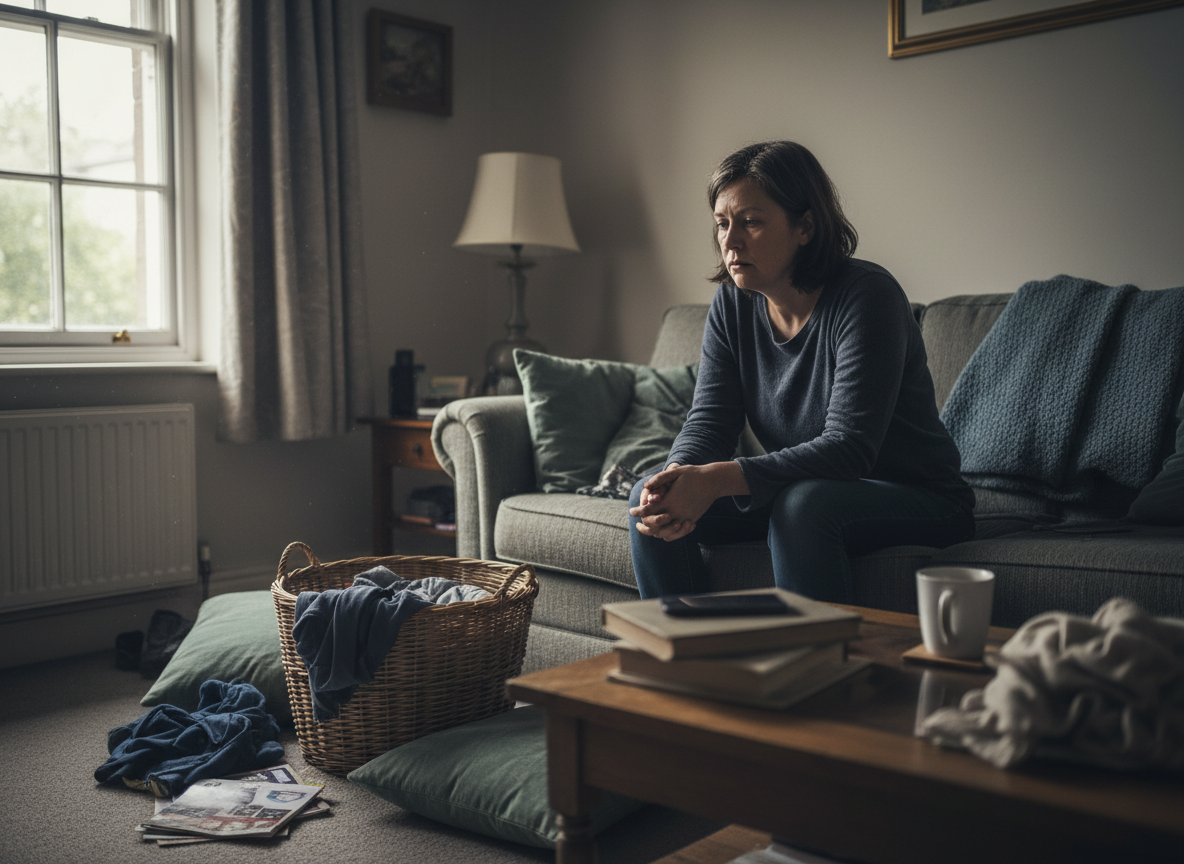
Depression is more than sadness. As the NHS describes, it’s a persistent low mood and loss of interest that lasts at least a couple of weeks and interferes with your life. It can affect anyone, at any age.
Common symptoms include:
- A continuous low, sad, or empty mood
- Losing interest or pleasure in things you used to enjoy
- Feeling tired, low on energy, or slowed down
- Trouble sleeping, or sleeping too much
- Changes in appetite or weight
- Difficulty concentrating or making decisions
- Feelings of worthlessness, guilt, or hopelessness
- In more severe cases, thoughts of self-harm or suicide
As the NHS notes, you don’t need to have every symptom to have depression, and it looks different for everyone. If several of these have been present most days for two weeks or more, it’s worth seeking help. Any thoughts of harming yourself should always be taken seriously, and are a reason to reach out for urgent support now.
How common is depression?
Depression is one of the most common health conditions there is. As the NHS and mental health charities describe, around one in six adults experiences a common mental health problem like depression or anxiety in any given week, and many people will experience depression at some point in their lives.
It affects people of every age, background, and walk of life, including those who seem to be coping perfectly well on the outside. If you’re struggling, you are in very large company, and there is a well-trodden path to feeling better.
What causes depression?
Depression rarely has a single cause. As the NHS and NICE describe, it usually results from a mix of factors that build up over time.
Biological factors
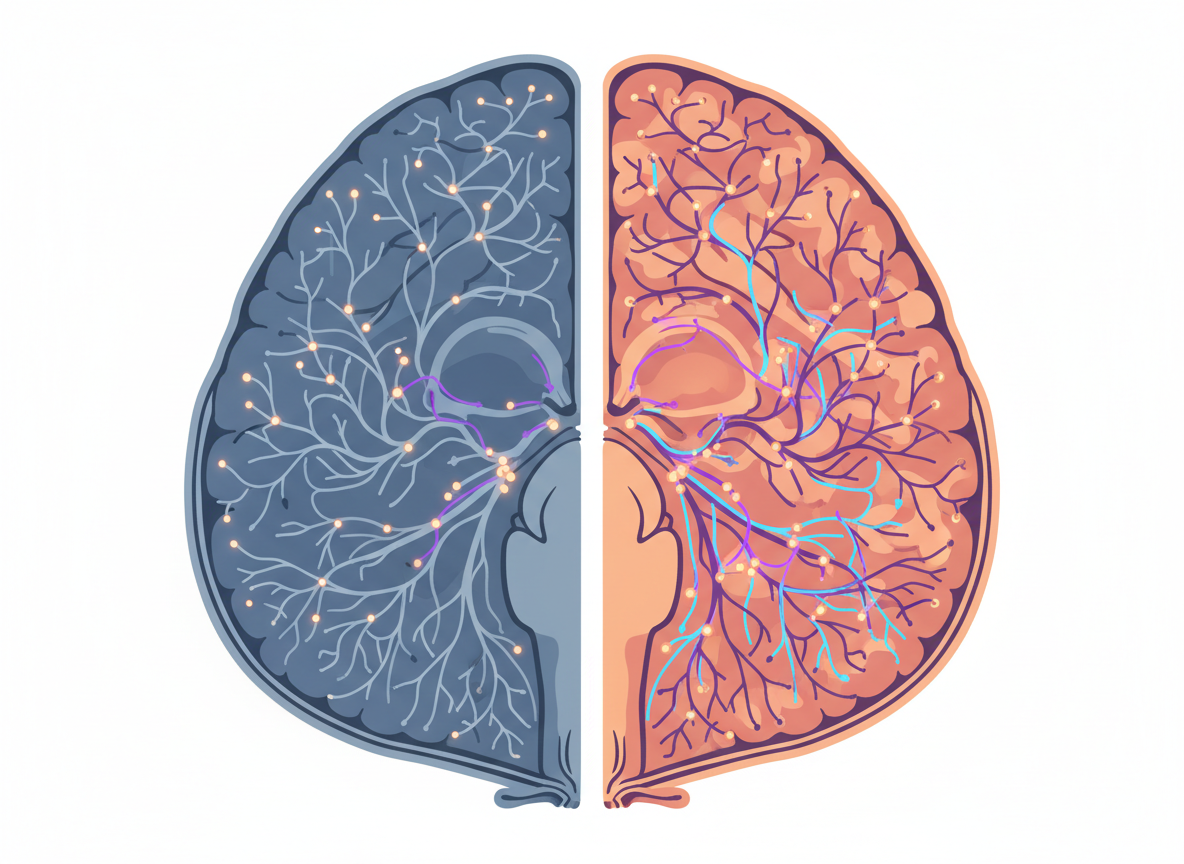
Your genes, brain chemistry, and physical health all play a part. Depression can run in families, and changes in brain chemicals that influence mood, such as serotonin, are thought to be involved. Some physical illnesses and hormonal changes can also contribute.
Psychological factors
How we think, cope, and feel about ourselves matters. Low self-esteem, being highly self-critical, or past difficult experiences can all increase vulnerability to depression.
Life circumstances and stress
Difficult life events often play a role, such as bereavement, relationship breakdown, money or work worries, loneliness, or long-term stress. Sometimes depression follows an obvious trigger; sometimes there’s no clear reason at all, and that’s just as valid.
As the NHS notes, often there’s no single identifiable cause, and you don’t need a reason to justify how you feel or to deserve help.
When to see a doctor, and when to get urgent help
It’s worth seeking help if low mood, loss of interest, or other symptoms have lasted most of the day, most days, for two weeks or more, or if they’re affecting your daily life, work, or relationships. As the NHS advises, the earlier you reach out, the sooner you can start feeling better.
Please seek urgent help now, using the numbers at the top of this page, if you:
- Are having thoughts of harming yourself or ending your life
- Feel unable to keep yourself safe
- Feel completely overwhelmed or unable to cope
These feelings can ease with the right support, and reaching out is the bravest and most important thing you can do. You deserve help, and it is always available.
Treatment options for depression
There’s no one-size-fits-all treatment, and the best plan depends on you. As NICE guidance describes, options are matched to how severe your depression is and to what matters to you, often in combination.
Talking therapies
Talking therapies are a cornerstone of depression treatment. As NICE describes, therapies such as cognitive behavioural therapy, or CBT, are effective for many people, either on their own for milder depression or alongside medication for more moderate to severe depression. In England, you can refer yourself to NHS talking therapies without going through your GP, and we can point you in the right direction.
Lifestyle and self-care
Everyday changes genuinely help, and support every other treatment. As the NHS notes, regular physical activity, a routine, sleep, connecting with others, and reducing alcohol can all make a difference. These aren’t a substitute for treatment when depression is more severe, but they’re a valuable part of the picture.
Antidepressant medication
For moderate to severe depression, or where other approaches haven’t been enough, antidepressants can help. As NICE describes, they’re an effective option for many people, best chosen through shared decision-making with a prescriber, and often work best combined with therapy. This is where Courier Pharmacy can support you, with a proper assessment and ongoing review.
How antidepressants work
Antidepressants work by adjusting the balance of chemicals in the brain called neurotransmitters, particularly serotonin and sometimes noradrenaline, which influence mood, emotion, and sleep. As the Royal College of Psychiatrists explains, by gradually rebalancing these, antidepressants can lift mood and reduce the symptoms of depression.
A few things are important to understand. Antidepressants are not a happy pill or an instant fix. As the evidence describes, they usually take two to four weeks to start helping, and up to six weeks or more for the full effect, so patience matters. They are not addictive in the way some people fear, but your body does get used to them, which is why they should never be stopped suddenly. And they work best as part of a wider plan that includes support and, often, therapy.

The antidepressants a prescriber may consider
There are several types of antidepressant, and the right one depends on your symptoms, your health, and any other medicines you take. A prescriber chooses with you. The main options include:
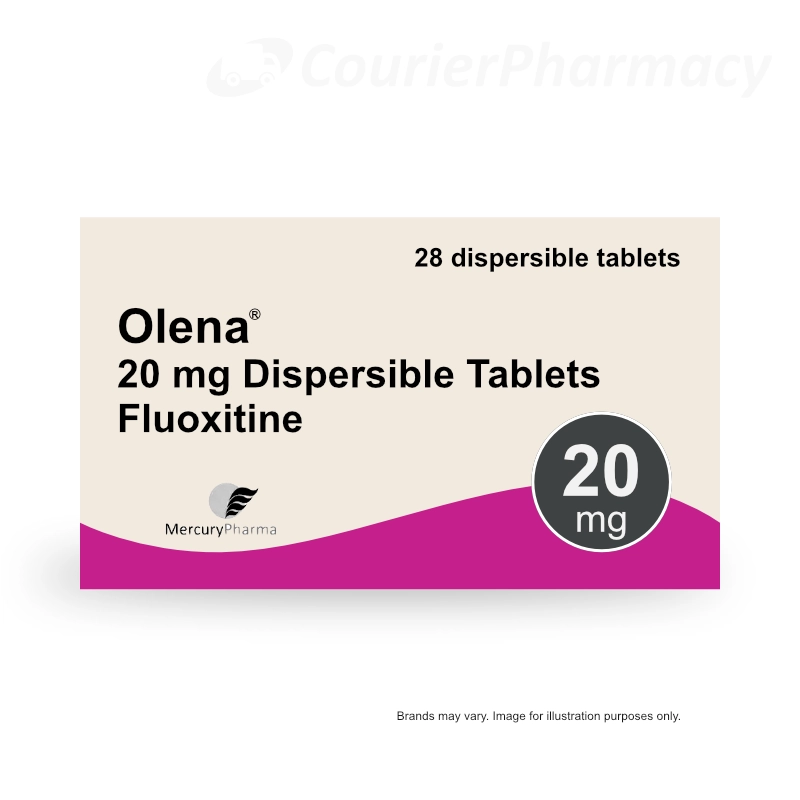
- Selective serotonin reuptake inhibitors, or SSRIs, such as sertraline, citalopram, escitalopram, and fluoxetine. As NICE describes, these are usually the first-choice antidepressants, as they’re effective and generally well tolerated.
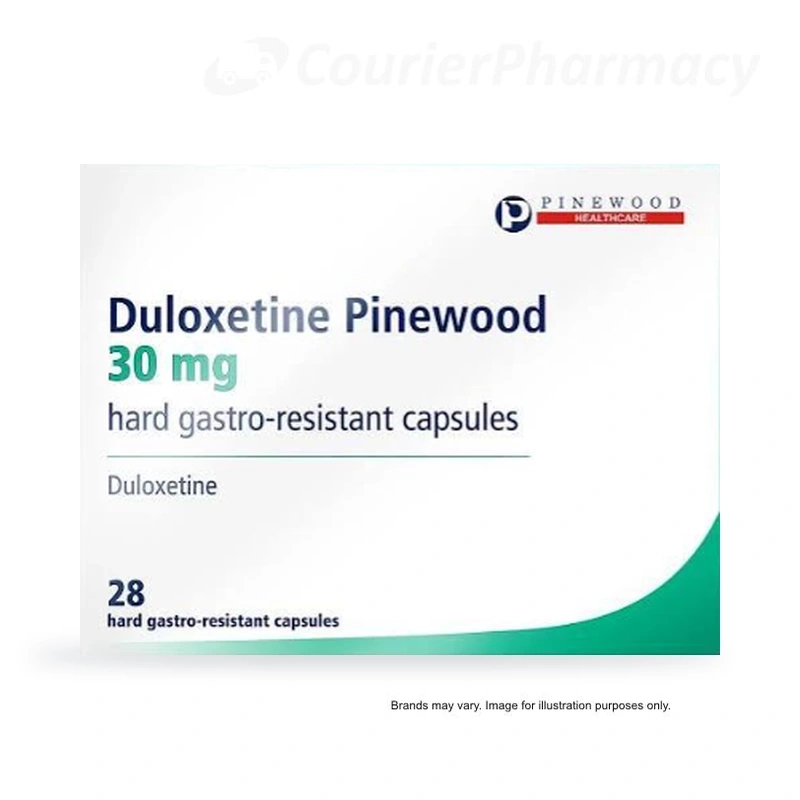
- Serotonin and noradrenaline reuptake inhibitors, or SNRIs, such as duloxetine and venlafaxine, which act on two brain chemicals and are sometimes used when an SSRI hasn’t worked.
- Other antidepressants, such as mirtazapine, which can help particularly where sleep is badly affected.
Rather than push a particular product, our prescribers assess your situation and recommend what fits you, and review how you get on. If you’re already on an antidepressant that suits you, we can support continuation with appropriate review.
What to expect from treatment
Starting an antidepressant is a gradual process. As the evidence describes, some symptoms like sleep or appetite may improve within a week or two, while mood often takes longer, so it’s important to keep going even if you don’t feel an immediate difference. Your prescriber will usually review you in the early weeks, then periodically, to see how you’re responding and manage any side effects.
If the first antidepressant doesn’t suit you, that’s common and not a failure. As NICE notes, people sometimes need to try more than one before finding the right fit. Treatment is usually continued for at least six months after you feel better, to reduce the chance of relapse, then reviewed.
Side effects and safety
Most antidepressant side effects are mild and tend to settle within a couple of weeks as your body adjusts. As the evidence describes, common ones include nausea, headache, dry mouth, changes in sleep, dizziness, sweating, or sexual side effects.
There are some important safety points. Occasionally, especially in the first few weeks, and particularly in people under 25, antidepressants can briefly increase anxiety, agitation, or thoughts of self-harm before they help. This is why close early review matters, and why you should seek help promptly if you feel worse. Antidepressants can interact with other medicines, so a full review comes first. They need particular care in bipolar disorder, and specific advice applies in pregnancy. Your prescriber will go through all of this with you.
Stopping antidepressants safely
When the time is right to stop, it should be done gradually. As the Royal College of Psychiatrists advises, stopping antidepressants suddenly can cause withdrawal-type symptoms, so the dose is usually reduced slowly under guidance. Never stop abruptly on your own. If you’re thinking about coming off your medication, talk to a prescriber first, and we can help you plan it safely.
Patient experiences and challenges
Depression often comes wrapped in stigma and silence. People tell us they felt ashamed, or were told to just cheer up or count their blessings, as if low mood were a choice. That misunderstanding is one of the cruellest parts of the illness, because depression is no more a choice than any other health condition.
Many also tell us they struggled to ask for help, or waited months hoping it would pass. Others worried that needing medication meant they were weak, when in truth, seeking treatment takes real courage.
Here’s what we want you to hear. You are not weak, you are not a burden, and you are not beyond help. Depression is common, treatable, and not your fault. You’re the one living through this, and you deserve support that treats you with dignity. Our job is to help you find your footing again, without judgement, and to make sure you’re never navigating it alone.
Looking to the future: research and hope
There’s real reason for hope. As the research describes, understanding of depression keeps deepening, treatments continue to improve, and the stigma that kept people silent for so long is slowly lifting. Newer antidepressants, better-targeted therapies, and a growing focus on personalised mental health care are all moving things forward.
We won’t pretend recovery is always quick or linear. What we will say is that most people with depression do get better, especially with the right support, and that reaching out is the turning point. Brighter days are genuinely possible.
How Courier Pharmacy helps with depression
We started Courier Pharmacy because too many people feel dismissed, rushed, or judged by the system. Mental health is where that matters most. Your experience, your history, and your needs are unique, so your care should be too. That personalisation is the first of our four pillars.
The other pillars carry it through. Guidance means our prescribers and pharmacists help you understand your options, weigh medication honestly against therapy, and know what to expect. Trust means we’re a UK-regulated pharmacy that treats depression with the seriousness and compassion it deserves, and that will always point you to your GP, therapy, and crisis support when that’s what you need. Community means we show up for people, without judgement, even when there’s nothing to buy.
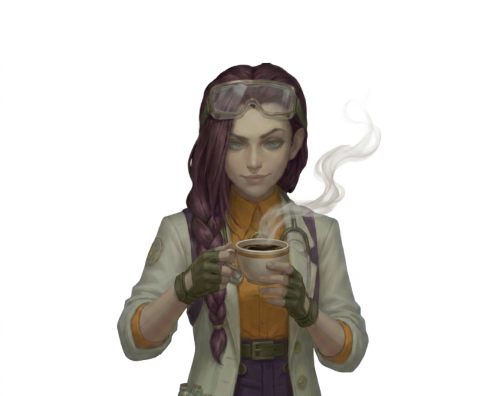
That spirit has a face in Dr Ada Jex-Cori, the voice of our approach, whose message is simple: you’re not broken, and you deserve healthcare that fits your life. For depression, that means compassionate, joined-up care built around you. Healthcare that fits you, not the other way round.

Frequently asked questions about depression
What is depression?
Depression is a common mental health condition that affects how you feel, think, and cope. As the NHS describes, it causes a persistent low mood and loss of interest lasting weeks or longer, along with symptoms like low energy, poor sleep, and difficulty concentrating. It ranges from mild to severe, and it’s a real medical condition that often needs treatment and support, not something you can simply snap out of.
What are the symptoms of depression?
Common symptoms include a continuous low or empty mood, losing interest in things you used to enjoy, fatigue, changes in sleep and appetite, and trouble concentrating. As the NHS notes, you may also feel worthless, guilty, or hopeless. In more severe cases, people can have thoughts of self-harm, which should always prompt urgent help. Depression looks different for everyone, and you don’t need every symptom to have it.
What causes depression?
There’s usually no single cause. As the NHS and NICE describe, depression tends to result from a mix of biological factors like genetics and brain chemistry, psychological factors, and life circumstances such as stress, loss, or loneliness. Sometimes there’s a clear trigger, and sometimes none at all. Either way, how you feel is valid, and you don’t need a reason to deserve help.
What treatments are available for depression?
Treatment is a menu, matched to you. As NICE describes, it includes talking therapies like CBT, lifestyle support, and antidepressant medication, often used in combination. Milder depression may respond well to therapy and self-care, while moderate to severe depression often benefits from medication too. The best plan depends on your symptoms and your preferences, decided together with a clinician.
How do antidepressants work, and how long do they take?
Antidepressants adjust brain chemicals like serotonin that influence mood. As the Royal College of Psychiatrists explains, this gradually lifts mood and eases symptoms. They aren’t instant. Most take two to four weeks to start working and up to six weeks or more for the full effect. Some symptoms, like sleep, may improve sooner. It’s important to keep taking them as prescribed, even before you feel a difference.
Are antidepressants addictive, and can I stop when I feel better?
Antidepressants aren’t addictive in the usual sense, but your body gets used to them, so they must not be stopped suddenly. As the Royal College of Psychiatrists advises, stopping abruptly can cause withdrawal-type symptoms, so the dose is reduced gradually under guidance. Treatment is usually continued for at least six months after you feel better, then reviewed. Always talk to a prescriber before changing or stopping.
What are the side effects of antidepressants?
Most are mild and settle within a couple of weeks. Common ones include nausea, headache, dry mouth, sleep changes, and sometimes sexual side effects. Occasionally, especially early on and in people under 25, they can briefly increase anxiety or distressing thoughts before helping, which is why early review matters. Seek advice promptly if you feel worse. Your prescriber will discuss all of this and check for interactions first.
How can Courier Pharmacy help, and where can I get urgent support?
We offer a confidential assessment and prescriber-led antidepressant treatment where appropriate, with ongoing review, always alongside your GP and therapy. We’re honest about what medication can and can’t do. If you need urgent help, call Samaritans on 116 123 any time, call NHS 111 and choose the mental health option, or call 999 in an emergency. You never have to face this alone.
More than a condition: our community
Living with depression can feel isolating, especially when it’s hard to put into words. So we made a space where you don’t have to explain yourself. Every fortnight, we run free drop-in clinics and talks at the Insomnia coffee shop in Derby, from 10 to 12pm. No cost. No pressure. Just real support, honest answers, and people who understand.
Important disclaimer
This page is for general information and education. It isn’t medical advice, and it isn’t a substitute for a consultation with a qualified healthcare professional. It is not for mental health emergencies. Antidepressants are prescription-only medicines that require a proper clinical assessment, aren’t suitable for everyone, and must not be started or stopped without guidance. Depression is best managed with support from your GP and, where appropriate, mental health services and talking therapies. If you are in crisis or worried about your safety, call Samaritans on 116 123, NHS 111, or 999 in an emergency.
Support and resources
- Samaritans: call 116 123, free, 24 hours a day
- NHS 111: call 111 and select the mental health option
- Shout: text SHOUT to 85258 for free, confidential text support
- Mind: information and support at mind.org.uk
- Your GP, who can arrange treatment and referrals
- In an emergency, or if you feel unsafe, call 999
References
- National Health Service (2023) Depression in adults. Available at: https://www.nhs.uk/mental-health/conditions/depression-in-adults/ (Accessed: 27 July 2026).
- National Institute for Health and Care Excellence (2022) Depression in adults: treatment and management (NG222). Available at: https://www.nice.org.uk/guidance/ng222 (Accessed: 27 July 2026).
- Royal College of Psychiatrists (no date) Antidepressants. Available at: https://www.rcpsych.ac.uk/mental-health/treatments-and-wellbeing/antidepressants (Accessed: 27 July 2026).
- Mind (no date) Depression. Available at: https://www.mind.org.uk/information-support/types-of-mental-health-problems/depression/ (Accessed: 27 July 2026).
- British National Formulary (no date) Antidepressant drugs. Available at: https://bnf.nice.org.uk/treatment-summaries/antidepressant-drugs/ (Accessed: 27 July 2026).
BSc Pharmacy, Independent Prescriber, PgDip Endocrinology, MSc Endocrinology, PgDip Infectious Diseases
Superintendant Pharmacist, Independent Prescriber

BSc Pharmacy
Compounding Pharmacist

