

This guide explains the common and rare tretinoin cream side effects, what the purge is, how to calm irritation, and when to stop and seek help.
Have you ever wondered why your skin looks like it’s auditioning for a snake documentary a fortnight after starting tretinoin? Flaking, tightness and a pink glow are some of the most common tretinoin cream side effects, and most of the time they’re a sign your skin is adjusting, not failing.
Still, not every reaction is harmless. Knowing the difference between a normal bump in the road and a genuine warning sign helps you stay safe and stay the course. Let’s sort the expected from the urgent.
Five key takeaways
- Dryness, redness, peeling and stinging are the most common tretinoin cream side effects, and they usually settle in weeks.
- A temporary breakout flare, often called the purge, can happen in the first month.
- Tretinoin makes skin more sensitive to sunlight, so daily SPF matters.
- Severe swelling, blistering, widespread rash or breathing trouble need urgent medical help.
- Tretinoin should not be used in pregnancy, so tell your prescriber about any pregnancy plans.
Why does tretinoin cause side effects at all?
Tretinoin works by speeding up how quickly your skin renews. That’s the point. But a faster conversion rate puts pressure on your skin barrier, which is the thin protective layer that keeps moisture in and irritants out.
Imagine a brick wall being rebuilt at double speed. For a while, the mortar’s a bit patchy. That’s the dryness, tightness and sensitivity you feel. Once the builders find their rhythm, the wall settles down.
A 2024 systematic review noted that tretinoin remains the gold standard for photoageing, although its poor tolerability often limits its use. In other words, irritation is the main hurdle, not a lack of effect. That’s exactly why gentle starting strengths and slow build-ups matter.

The common tretinoin cream side effects
The typical group of unwanted effects with topical tretinoin, such as skin irritation, often improve as your body adjusts, advising you to speak to your doctor or pharmacist if they continue or become troublesome. Here’s what that looks like day to day.
Dryness and flaking
Your skin may feel tight, look dull and shed fine flakes, especially around the nose and chin. Flaking tends to peak in the first two to four weeks.
Redness and warmth
A pink or red tone, a bit like mild windburn, is common. It’s usually worse after application and fades by morning.
Stinging or burning
A mild sting when you apply the cream is common, particularly if skin was still slightly damp. If the burning is intense or lingers, that’s a sign to cut back.
Itching
Light itching often goes along with dryness. A plain moisturiser usually helps.
Sun sensitivity
Exposure to sunlight, including sunlamps, should be avoided or minimised during use. Your skin burns more easily, so sunscreen isn’t optional.
What is the tretinoin purge?
The purge is one of the most talked-about tretinoin side effects, and it’s often misunderstood.
Because tretinoin speeds up cell turnover, clogged pores that were forming under the surface can be pushed up faster. The result is a short flurry of whiteheads, blackheads or spots, often in the places you usually break out.
A purge usually:
- Appears in familiar breakout areas
- Starts within the first month
- Settles within a few weeks to a couple of months
It’s different from a reaction to a new product, which often shows up in new areas and may come with itching, burning or a rash. If you’re unsure, ask your pharmacist. Don’t stop treatment because of a flare without checking, but don’t tough out a painful reaction either.
How to reduce tretinoin irritation
Most side effects can be softened with simple changes. Think of these as your toolkit.
Slow down the schedule
Apply two or three nights a week, then build gradually. If your skin is angry, step back a stage for a week.
Use less cream
A pea-sized amount covers your whole face. Our guide to how to use tretinoin cream shows exactly how much that is.
Wait until your skin is completely dry
Applying on damp skin increases absorption and irritation. Wait about 20 minutes after washing.
Moisturise generously
Choose a plain moisturiser with glycerin, ceramides or petrolatum-type ingredients. Apply it whenever your skin feels tight, not just at bedtime. Use the sandwich method to apply tretinoin, which involves sandwiching a layer of tretinoin between two layers of moisturiser.
Simplify the rest of your routine
Pause scrubs, strong exfoliating acids, alcohol-based toners and harsh cleansers. Keep your routine boring while your skin adapts.
Consider a lower strength or a different base
Some people do better on a lower strength, or on a cream rather than a gel. Courier Pharmacy’s strengths guide explains how the steps work, and our tretinoin gel versus cream article compares the bases.
Less common side effects to know about
Some effects are less usual but still worth recognising.
- Skin colour changes, such as lighter or darker patches
- Swelling or blistering of the skin
- Crusting or cracked skin
- Eye irritation, if cream reaches the eyes or eyelids
- Contact allergy, which can cause itching, swelling and a rash
Retinoid product information also warns that eczema-prone or broken skin can react badly. That’s one more reason to tell your prescriber about eczema, rosacea or very sensitive skin.
If you notice any of these, pause the cream and speak to a pharmacist or prescriber.
When to stop and get urgent help
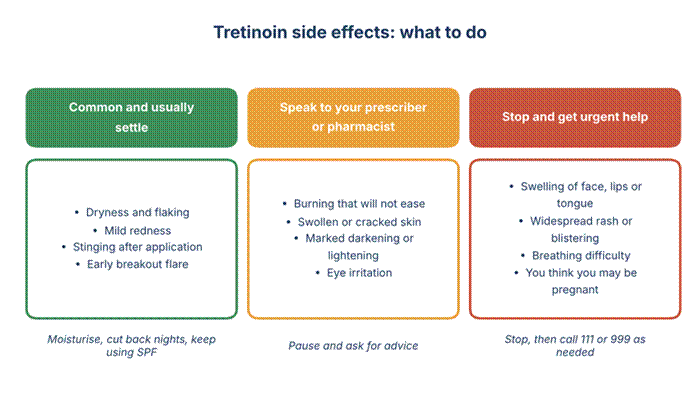
Figure 1: tretinoin side effects at a glance
Stop using the cream and get urgent medical advice, by calling 111 or 999 as appropriate, if you notice:
- Swelling of the face, lips, tongue or throat
- Difficulty breathing
- Widespread rash, hives or blistering
- Severe, spreading pain or burning
If you think you might be pregnant, stop applying tretinoin and speak to a doctor, pharmacist or midwife promptly. The licensed tretinoin gel is contraindicated in pregnancy and for women planning a pregnancy.
Pregnancy, breastfeeding and tretinoin
Topical retinoids are avoided during pregnancy and while trying to conceive. NICE guidance on acne notes that topical retinoids are contraindicated in pregnancy and when planning a pregnancy, and that women of childbearing potential should be counselled accordingly. Tell your prescriber if there’s any chance you could be pregnant, and discuss contraception if relevant.
Tretinoin isn’t recommended for breastfeeding either. Ask your prescriber for safer options.

A week-by-week coping plan
Knowing roughly what’s coming makes the early weeks easier. Think of this as a rough weather forecast, not a promise.
- Week 1: you may feel almost nothing. Skin is just getting used to the cream.
- Weeks 2 and 3: dryness, tightness and flaking often arrive. Moisturise more and apply less often if needed.
- Weeks 4 to 6: the peak of irritation tends to pass. A purge may still be settling.
- Weeks 7 to 12: skin usually feels more comfortable, and you can discuss moving up in frequency or strength.
If you’re still very sore at week four, don’t just grit your teeth. A lower strength or a break might suit you better.
Common myths about tretinoin side effects
Myth: peeling means it’s working
Flaking is a side effect of irritation, not a score. Plenty of people get good results with very little peeling. Heavy peeling can actually slow things down if it damages your barrier.
Myth: you must stop if you purge
A purge is common and usually temporary. You don’t always have to stop. But it’s wise to check in with your pharmacist or prescriber if it’s severe.
Myth: more cream gives faster results
It doesn’t. A thicker layer mostly means more dryness and redness. The pea-sized rule exists for a reason.
Myth: tretinoin thins your skin permanently
Tretinoin is not a steroid. In the longer term, studies on ageing skin point to improvements such as more collagen, not permanent thinning. In the short term, newly renewed skin can feel delicate, which is why sunscreen matters.
Reporting a side effect
If you experience a suspected side effect from any medicine, you can report it to the MHRA through the Yellow Card scheme. Reports help regulators spot patterns, and they take only a few minutes. You can also tell your pharmacist.
Side effects and different skin types
Skin type changes the experience.
- Dry or mature skin often feels tight early on. A richer moisturiser and a lower starting strength can help.
- Oily skin tends to tolerate tretinoin well but may flare during the purge.
- Sensitive or eczema-prone skin needs extra care. Tell your prescriber before you start.
- Darker skin tones can develop marks after irritation, so avoid pushing through intense redness or peeling and use sunscreen consistently.
How to get tretinoin cream from Courier Pharmacy
If you’d like a prescriber to assess whether tretinoin suits you, our online route is straightforward.
- Find your product. Open our compounded tretinoin range and select the strength page you’d like to discuss, then press Begin Consultation. Tell us if you have a history of sensitive skin, because it affects the starting point.
- Complete the online questionnaire. It covers your skin concern, medical history, current products, other medicines and any pregnancy or breastfeeding plans.
- Pay for your treatment. Free delivery applies on orders over £50.
- A UK prescriber reviews your answers. They may approve the request, ask for more detail, recommend a different strength, or decline if tretinoin isn’t appropriate.
- If approved, your prescription is sent to the compounding lab, which prepares your cream for you as a named patient.
- Your cream is dispatched by Royal Mail Tracked 24. Check the label date, since the shelf life is roughly 30 to 35 days.
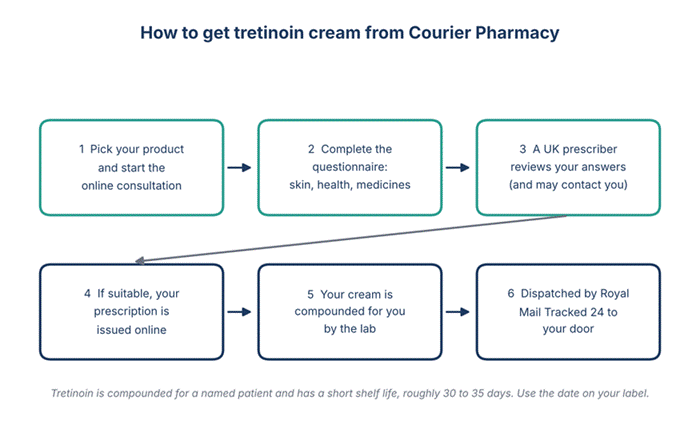
Figure 2: how to get tretinoin cream from Courier Pharmacy
Frequently asked questions
What are the most common tretinoin cream side effects?
Dryness, peeling, redness, mild stinging and sun sensitivity are the most common. They usually settle as your skin adjusts, often within a few weeks.
How long do tretinoin side effects last?
Most people see irritation peak in the first two to four weeks and then ease. If it doesn’t, reduce how often you apply it and speak to your pharmacist or prescriber.
Is the tretinoin purge real?
Yes. Faster cell turnover can bring clogged pores to the surface sooner, causing a short flare of spots in your usual breakout areas. It usually settles within weeks.
Can tretinoin cream make acne worse?
It can seem worse early on because of the purge. If the flare is severe, painful or in new areas, speak to a prescriber rather than waiting it out.
Why is my skin so red and peeling?
Tretinoin speeds up skin renewal, which can strain the skin barrier. Use less cream, apply less often, moisturise and avoid exfoliating products.
Can I use tretinoin cream if I have sensitive skin?
Often, yes, with care. A lower strength, a cream base and a slow build-up may help. Tell your prescriber about eczema or rosacea first.
Does tretinoin cause sun damage?
It doesn’t cause sun damage, but it makes your skin more sensitive to burning. Use SPF 30 or higher daily and avoid strong sun.
Can tretinoin cream cause skin thinning?
Tretinoin is not a steroid, and it doesn’t thin skin in the way steroid creams can. It does make the surface layer shed faster, which can feel thin and sensitive at first.
What should I do if I accidentally use too much tretinoin cream?
Wash it off with a gentle cleanser, moisturise and skip the next application. If your skin is severely irritated, speak to a pharmacist or prescriber.
Can I use tretinoin cream while pregnant?
No. Tretinoin shouldn’t be used in pregnancy, when planning a pregnancy or while breastfeeding. Stop and seek advice if you think you might be pregnant.

Disclaimer
Disclaimer: This information is for education only and isn’t a substitute for personal medical advice. Always follow your prescriber’s instructions.
References
- Ahsan, S. (2026) What is the tretinoin purge? Courier Pharmacy, 19 October. Available at: https://courierpharmacy.co.uk/what-is-the-tretinoin-purge/ (Accessed: 16 November 2026).
- Patient.info (n.d.) Tretinoin for acne. Available at: https://patient.info/medicine/Tretinoin-for-acne (Accessed: 16 November 2026)
- Siddiqui, Z., Zufall, A., Nash, M., Rao, D., Hirani, R. and Russo, M. (2024) ‘Comparing tretinoin to other topical therapies in the treatment of skin photoaging: a systematic review’, American Journal of Clinical Dermatology, 25(6), pp. 873-890. Available at: https://pubmed.ncbi.nlm.nih.gov/39348007/ (Accessed: 16 November 2026)
- Electronic Medicines Compendium (2026) Treclin 1%/0.025% w/w gel: summary of product characteristics. Available at: https://www.medicines.org.uk/emc/product/5371/smpc (Accessed: 16 November 2026)
- National Institute for Health and Care Excellence (2021) Acne vulgaris: management. NICE guideline NG198. Available at: https://www.nice.org.uk/guidance/ng198 (Accessed: 16 November 2026)
- NHS (n.d.) Acne: treatment. Available at: https://www.nhs.uk/conditions/acne/treatment/ (Accessed: 16 November 2026)
- Medicines and Healthcare products Regulatory Agency (n.d.) Yellow Card scheme: report a suspected side effect. Available at: https://yellowcard.mhra.gov.uk/ (Accessed: 16 November 2026)
- Courier Pharmacy (n.d.a) Tretinoin strengths: which one is right for your skin. Available at: https://courierpharmacy.co.uk/tretinoin-strengths-which-one-is-right-for-your-skin/ (Accessed: 16 November 2026)