

Sinusitis
Feeling bunged up, headachy, and fed up? We can help you manage sinusitis with practical advice, pharmacy treatments, and clinician-led options when you need them.
Quick online assessment and clear next step. No need for a GP appointment.
Symptom relief options from nasal sprays to antibiotics (when needed) delivered to your door.
Find the right sinusitis treatment for you
View All Products
What you should know about sinusitis treatments
Bacterial sinusitis is more likely if symptoms last more than 10 days without improving, are very severe, or worsen after initially getting better (double worsening).
Many cases improve within 2–4 weeks, though some symptoms can linger [1]. Chronic sinusitis lasts 12 weeks or more.
Not always. Many cases are viral. Antibiotics are reserved for specific patterns and severity.
Nasal steroid sprays can help reduce inflammation in some people. Correct technique matters.
Some decongestant sprays can help short-term, but they should not be used for more than a few days because they can cause rebound congestion.
Some people find steam soothing, but the evidence is mixed. If you try it, keep it safe to avoid burns.
Seek urgent advice if you are very unwell, symptoms worsen despite pain relief, or you have a weakened immune system.
If symptoms last 12 weeks or more, keep returning, or are one-sided, you may need further assessment.
Additional information
Sinusitis
Sinusitis, inflammation of the sinuses behind your nose, cheeks, and forehead, brings that all-too-familiar mix of a blocked nose, facial pressure, and feeling generally rotten. The reassuring news is that most sinusitis clears up on its own, and there’s plenty you can do to feel better faster, without reaching for antibiotics you probably don’t need. At Courier Pharmacy, we believe healthcare should fit the person, not force the person to fit the system. So we give you honest advice, effective self-care and treatments, and prescriber-assessed options where they’re genuinely needed. Healthcare that fits you, blocked nose and all. Stuffy, painful sinuses that won’t shift? We can help you manage sinusitis.

Five key takeaways
- Sinusitis is common, and usually clears on its own. As the NHS notes, most cases get better within two to three weeks.
- It’s usually caused by a virus, not bacteria. That’s why antibiotics rarely help and aren’t routinely needed.
- Self-care does the heavy lifting. Pain relief, decongestion, and saline rinses ease symptoms while it settles.
- Nasal steroid sprays help persistent cases. As NICE describes, they can be useful when symptoms last beyond ten days.
- Some symptoms need urgent care. Swelling around the eye or severe headache should be seen straight away.
How Courier Pharmacy helps with sinusitis
- Honest advice on self-care and what genuinely helps sinusitis
- Pain relief, decongestants, saline rinses, and steam advice
- Nasal corticosteroid sprays for persistent symptoms, where appropriate
- Prescriber assessment, including a back-up antibiotic only where it’s clinically justified
- Guidance for chronic sinusitis, and signposting to your GP or an ENT specialist
- Free fortnightly drop-in clinics in Derby, with no cost and no pressure
We believe in using antibiotics wisely. For most sinusitis, that means effective symptom relief, not an unnecessary prescription.
What you should know about sinusitis treatment
Good care for sinusitis follows a clear, sensible path. First, understand that most sinusitis is viral and settles on its own, so patience and self-care come first. Second, ease your symptoms with pain relief, decongestion, and saline rinses. Third, consider a nasal steroid spray if symptoms drag on beyond ten days. Fourth, know when antibiotics are genuinely needed, which is far less often than people think, and when to seek urgent help.
This is the approach the NHS and NICE take, and the one we support at Courier Pharmacy. As NICE guidance describes, acute sinusitis usually gets better without antibiotics, which make little difference for most people. The goal is to help you feel better safely, and to use antibiotics only when they’ll actually help.
Sinusitis overview
Sinusitis, also called rhinosinusitis, is inflammation of the sinuses, the air-filled spaces behind your forehead, cheeks, nose, and eyes. As the NHS explains, it’s very common, usually follows a cold, and most often gets better on its own within two to three weeks.
The impact, while usually short-lived, can be genuinely miserable. A blocked nose, throbbing facial pressure, a dull headache, and that foggy, run-down feeling can make work and sleep difficult. As the clinical literature notes, sinusitis is one of the most common reasons people seek help and, unfortunately, one of the most common reasons antibiotics are prescribed unnecessarily. None of that means you have to just suffer through it, though.
The reassuring truth is that sinusitis is very manageable. As NICE describes, most cases respond well to self-care while they settle, and effective treatments exist for symptoms that persist. Understanding when it will pass on its own, and when it needs more, is the key.
Why does this matter? Because sinusitis is common, usually self-limiting, and frequently over-treated. Knowing that antibiotics rarely help, and what actually does, saves you unnecessary medicine and helps you feel better sooner.

What is sinusitis?
Sinusitis is inflammation of the lining of the sinuses, usually alongside the nose, which is why it’s often called rhinosinusitis. As the NHS explains, the inflammation causes the sinuses to swell and fill with mucus, leading to the classic symptoms.
Common symptoms include:
- A blocked or stuffy nose
- Thick nasal mucus, which may be yellow or green
- Pain, pressure, or tenderness over the face, forehead, or cheeks
- Pain that’s often worse when bending forward
- A reduced sense of smell
- A headache, and sometimes toothache
- A cough, and a general feeling of being unwell
- Sometimes a raised temperature
As the NHS notes, green or yellow mucus is not a reliable sign of a bacterial infection or that you need antibiotics, which is a common misunderstanding.

Acute and chronic sinusitis
Sinusitis is grouped by how long it lasts, which changes the approach. As the NHS and NICE describe:
- Acute sinusitis lasts up to around 12 weeks and usually follows a cold. Most cases clear within two to three weeks, and it’s the most common form.
- Chronic sinusitis lasts more than 12 weeks, sometimes with repeated flare-ups. It’s often linked to ongoing inflammation, allergies, or nasal polyps, and it needs a different, longer-term approach.
Knowing which you have matters, because chronic sinusitis is less about waiting it out and more about managing the underlying inflammation.
How common is sinusitis?
Sinusitis is extremely common. As the clinical literature reports, acute sinusitis affects a large number of people each year, usually as a complication of the common cold, and chronic sinusitis affects a smaller but significant proportion of the population on an ongoing basis.
Because colds are so common, so is sinusitis, particularly through the winter months. If you’re dealing with it, you’re in very large company, and there’s a clear, evidence-based path to relief.
What causes sinusitis?
Sinusitis usually starts with a viral infection, but several things can cause or worsen it. The NHS and clinical literature describe the main ones.
Viral infections
Most sinusitis follows a cold or other viral infection, which inflames the nasal and sinus linings. As the NHS notes, this is why the vast majority of cases are viral and settle on their own, without antibiotics.
Bacterial infection
Occasionally, a bacterial infection develops on top of a viral one. This is much less common than people assume, and even then, many cases still improve without antibiotics. It’s usually suspected only when symptoms are severe or clearly worsening after initially improving.
Allergies and irritants
Allergic rhinitis, such as hay fever, and irritants like smoke can inflame the nasal lining and trigger or prolong sinusitis. Treating the underlying allergy often helps, particularly with recurrent or chronic symptoms.
Nasal polyps and structural factors
Nasal polyps, a deviated septum, or narrow sinus drainage passages can make sinusitis more likely and more persistent, and are common factors in chronic sinusitis.
Other factors
Dental infections can occasionally spread to the sinuses, and smoking irritates and impairs the nasal lining, making problems more likely. Addressing these helps reduce recurrence.
What happens in the sinuses?
Your sinuses are hollow, air-filled spaces lined with a thin, moist membrane that produces mucus. As the clinical literature explains, this mucus normally drains freely into the nose, keeping everything clear and healthy.
When the lining becomes inflamed, usually by a virus, it swells and produces more mucus. The swelling can block the narrow channels that let the sinuses drain, so mucus builds up in the blocked spaces. This produces the pressure, pain, and congestion of sinusitis, and the trapped mucus can occasionally allow a secondary bacterial infection to develop.
This explains why treatment focuses on reducing inflammation and helping the sinuses drain. Decongestion, saline rinses, and, for persistent cases, nasal steroid sprays all work by opening things up and calming the inflammation, letting your sinuses clear naturally.
When to see a doctor
Most sinusitis can be managed at home, but some situations need medical attention. This advice reflects NHS and NICE guidance.
See a pharmacist or GP if your symptoms are severe, aren’t improving after about a week to ten days, or keep coming back. Chronic symptoms lasting more than 12 weeks also deserve proper assessment.
Seek urgent medical help, or go to A&E, if you develop:
- Swelling, redness, or pain around one or both eyes
- Vision problems, such as double or reduced vision
- A severe or worsening headache, or a headache with a stiff neck
- Confusion, or a very high temperature and feeling very unwell
- Swelling of the forehead
As NICE stresses, these are rare but serious signs that infection may be spreading beyond the sinuses, and they need immediate assessment. For ordinary sinusitis, though, the focus is simply on relief while it settles.
Treating sinusitis
Most sinusitis is treated with self-care while it runs its course, with a few effective extras for stubborn cases. As NICE and the NHS describe, antibiotics are rarely part of the picture.
Self-care
Self-care is the foundation, and it genuinely helps. As the NHS advises, get plenty of rest, drink plenty of fluids, and use pain relief such as paracetamol or ibuprofen for facial pain and fever. Applying a warm flannel to the face can ease pressure. These measures keep you comfortable while your body clears the infection.
Decongestion and saline rinses
Clearing and soothing the nose helps a lot. Short-term nasal decongestant sprays can relieve a blocked nose, though they shouldn’t be used for more than about a week to avoid rebound congestion. Salt water nasal rinses or sprays, which you can buy or make up, help flush mucus and are gentle enough for regular use. Steam inhalation eases the feeling of congestion for some people too.
Nasal corticosteroid sprays
For sinusitis that lasts beyond ten days, a nasal steroid spray can help. As NICE describes, a high-dose nasal corticosteroid for around 14 days may improve symptoms in adults and older children whose symptoms have persisted. These reduce the inflammation and swelling that block the sinuses. Some are available over the counter, while higher-dose options are prescriber-assessed, and we can advise on what’s suitable.
Antibiotics: the honest picture
Here’s where we’ll be straight with you. As NICE guidance makes clear, most sinusitis is viral, and antibiotics make little difference to how quickly you recover, so they’re not routinely recommended. Taking antibiotics you don’t need brings side effects and fuels antibiotic resistance, without helping. Antibiotics are considered only in specific situations, such as when someone is very unwell, at high risk of complications, or clearly not improving, and often a back-up prescription to use only if things don’t settle is the sensible middle ground. If antibiotics are genuinely warranted, the usual first choice is penicillin, or an alternative if you’re allergic. Our prescribers assess this properly, rather than handing out antibiotics on demand.
Treating chronic sinusitis
Chronic sinusitis needs a longer-term, inflammation-focused approach. As the NHS describes, regular saline nasal rinses and a daily nasal steroid spray are the mainstays, alongside treating any underlying allergy and avoiding triggers like smoke. Where symptoms persist, or nasal polyps are involved, referral to an ENT specialist may be needed, sometimes for surgery to improve drainage. We can help you manage the day-to-day and get to the right specialist.
Managing allergies
Where allergic rhinitis is contributing, treating it makes a real difference. Antihistamines and steroid nasal sprays can reduce the inflammation that keeps sinusitis coming back. A pharmacist can help you put together the right combination.
Patient experiences and challenges
Sinusitis can be more debilitating than people give it credit for. Patients tell us about days of throbbing facial pain, broken sleep from a blocked nose, and struggling to concentrate through the fog of it, often while being expected to carry on as normal.
Many also tell us they assumed they needed antibiotics, and felt fobbed off when told otherwise, or took antibiotics that made no difference. Others, with chronic sinusitis, had battled recurring symptoms for months without realising there was a proper long-term approach.
Here’s what we want you to hear. Sinusitis is common and usually self-limiting, and not needing antibiotics isn’t being dismissed, it’s good, evidence-based care that protects you. Where you do need more, whether that’s the right spray or a specialist referral, you deserve it. You’re the one feeling rotten, and we’re here to help you feel better, honestly and effectively.
Looking to the future: research and hope
Sinusitis care continues to improve. As the clinical literature describes, better understanding of chronic rhinosinusitis and the inflammation behind it is leading to more targeted treatments, including newer options for chronic sinusitis with nasal polyps, and less invasive surgical techniques. Efforts to reduce unnecessary antibiotic use are also improving care and protecting these medicines for the future.
There’s real reason for optimism. For acute sinusitis, the vast majority of people recover fully with simple care, and for chronic sinusitis, management keeps getting better. We won’t overcomplicate it. What we will say is that, with the right approach, sinusitis is very manageable.
How Courier Pharmacy helps with sinusitis
We started Courier Pharmacy because too many people get either rushed care or an unnecessary prescription. Sinusitis is a perfect example of both. Your symptoms, your history, and whether this is a one-off or a recurring problem are all unique, so your care should be too. That personalisation is the first of our four pillars.
The other pillars carry it through. Guidance means our pharmacists help you ease symptoms effectively, choose the right spray, and understand why antibiotics usually aren’t the answer. Trust means we’re a UK-regulated pharmacy that uses antibiotics responsibly, is honest about what helps, and sends you to your GP or an ENT specialist when that’s what’s needed. Community means we show up for people, even for the everyday illnesses.
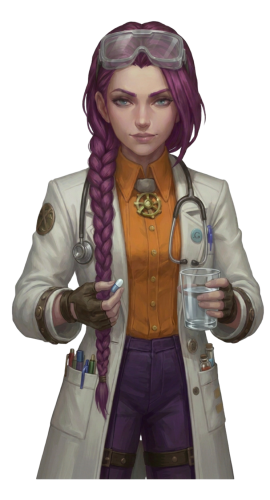
That spirit has a face in Dr Ada Jex-Cori, the voice of our approach, whose message is simple: you’re not broken, and you deserve healthcare that fits your life. For sinusitis, that means honest advice and effective relief, not a pointless prescription. Healthcare that fits you, not the other way round.
Frequently asked questions about sinusitis

How long does sinusitis last?
Most acute sinusitis clears within two to three weeks, and often sooner with good self-care. As the NHS describes, it usually follows a cold and settles on its own. If symptoms last more than about ten days without improving, it’s worth seeking advice, and symptoms lasting more than 12 weeks are classed as chronic sinusitis, which needs a different, longer-term approach.
Do I need antibiotics for sinusitis?
Usually not. As NICE guidance makes clear, most sinusitis is caused by a virus, and antibiotics make little difference to recovery, so they aren’t routinely recommended. Green or yellow mucus doesn’t mean you need them. Antibiotics are considered only if you’re very unwell, at high risk, or clearly not improving. Taking them unnecessarily causes side effects and fuels resistance, so we assess carefully rather than prescribe on demand.
What actually helps sinusitis symptoms?
Self-care does most of the work. As the NHS advises, rest, fluids, and pain relief like paracetamol or ibuprofen ease facial pain and fever, while salt water nasal rinses and short-term decongestants help clear a blocked nose. A warm flannel on the face eases pressure. For symptoms lasting beyond ten days, a nasal steroid spray can help reduce the inflammation.
Does green or yellow snot mean I have a bacterial infection?
No, this is a common myth. As the NHS explains, discoloured mucus is a normal part of many viral infections and isn’t a reliable sign of a bacterial infection or that you need antibiotics. The colour of your mucus alone won’t determine treatment. What matters more is how unwell you are, how long symptoms last, and whether they’re improving or worsening.
When should I worry about sinusitis?
Most sinusitis is harmless, but seek urgent help if you develop swelling, redness, or pain around the eye, vision problems, a severe or worsening headache, a stiff neck, confusion, or swelling of the forehead. As NICE stresses, these rare signs can mean infection is spreading beyond the sinuses and need immediate assessment. Otherwise, see a pharmacist or GP if symptoms are severe or last beyond ten days.
What’s the difference between acute and chronic sinusitis?
It’s about how long it lasts. Acute sinusitis lasts up to around 12 weeks, usually follows a cold, and clears on its own. Chronic sinusitis lasts more than 12 weeks, often with recurring flare-ups, and is usually driven by ongoing inflammation, allergies, or nasal polyps. Chronic sinusitis is managed differently, with regular saline rinses, daily nasal steroid sprays, and sometimes specialist referral.
Can allergies cause sinusitis?
Yes. Allergic rhinitis, such as hay fever, inflames the nasal lining and can trigger or prolong sinusitis, and it’s a common factor in recurrent and chronic cases. As the clinical literature notes, treating the underlying allergy, with antihistamines and steroid nasal sprays, often reduces how often sinusitis comes back. A pharmacist can help you manage both together.
How can Courier Pharmacy help with sinusitis?
We offer honest advice and effective self-care guidance, pain relief, decongestants and saline rinses, and nasal steroid sprays for persistent symptoms. Where antibiotics are genuinely justified, our prescribers assess properly, including back-up prescriptions used only if needed. For chronic sinusitis, we help with day-to-day management and point you to a GP or ENT specialist when needed. It starts with a chat with a pharmacist or a quick consultation.
Important disclaimer
This page is for general information and education. It isn’t medical advice, and it isn’t a substitute for a consultation with a qualified healthcare professional. Most sinusitis is viral and does not need antibiotics. Seek urgent medical help for swelling or pain around the eyes, vision changes, a severe headache or stiff neck, confusion, or forehead swelling, as these can indicate serious complications. Prescription treatments require a clinical assessment. Always speak to a prescriber or pharmacist before starting any treatment.
References
- National Health Service (2024) Sinusitis (sinus infection). Available at: https://www.nhs.uk/conditions/sinusitis-sinus-infection/ (Accessed: 27 July 2026).
- National Institute for Health and Care Excellence (2017) Sinusitis (acute): antimicrobial prescribing (NG79). Available at: https://www.nice.org.uk/guidance/ng79 (Accessed: 27 July 2026).
- National Institute for Health and Care Excellence (no date) Sinusitis: Clinical Knowledge Summary. Available at: https://cks.nice.org.uk/topics/sinusitis/ (Accessed: 27 July 2026).
- National Institute for Health and Care Excellence (NICE) (2024) Sinusitis. NICE Clinical Knowledge Summaries. Available at: https://cks.nice.org.uk/topics/sinusitis/ (Accessed: 15 December 2025).
- Kwon, E., Hathaway, C. and Sutton, A.E. (2025) ‘Acute sinusitis’, in StatPearls [Internet]. StatPearls Publishing. Available at: https://www.ncbi.nlm.nih.gov/books/NBK547701/ (Accessed: 15 December 2025).


BSc Pharmacy, Independent Prescriber, PgDip Endocrinology, MSc Endocrinology, PgDip Infectious Diseases
Superintendant Pharmacist, Independent Prescriber

Bsc Pharm(hons), Senior Clinical Pharmacist Primary Care, Clinically Enhanced Pharmacist Independent Prescriber.
Bsc Pharm(hons), Senior Clinical Pharmacist Primary Care, Clinically Enhanced Pharmacist Independent Prescriber.

