
Have you ever wondered how one small tube can take on blackheads, whiteheads and angry red spots all at once? Treclin Gel is a prescription acne gel that teams up an antibiotic with a form of vitamin A.
In this guide, our pharmacist explains what Treclin Gel is, how it works, how to use it, how long it takes, and which side effects
Five key takeaways
- Treclin Gel combines clindamycin (an antibiotic) and tretinoin (a retinoid) to treat acne with a mix of blocked pores and inflamed spots, in people aged 12 and over.
- You use a pea-sized amount once a day at bedtime, spread over the whole face rather than dabbed on individual spots.
- Most people notice early changes within a few weeks, but the full benefit usually takes up to 12 weeks, and a course shouldn’t run longer than that without a review.
- Dryness, redness, peeling and a short-lived flare of spots can happen early on, and usually settle as your skin adjusts.
- Treclin Gel must not be used in pregnancy, while trying for a baby, or while breastfeeding, and daily SPF 30 or higher is essential throughout.
What is Treclin Gel?
Treclin Gel is a prescription-only medicine used to treat acne. It’s a translucent yellow gel that you apply to the skin, and it comes in a tube (usually 30g).
The clever bit is that it holds two active ingredients in one product. Normally, these two ingredients don’t get along chemically, so for years people had to apply them separately, morning and night. Treclin Gel uses a special water-based gel that keeps both stable together. That means one application, once a day. Your bathroom shelf (and your patience) will thank you.

Treclin Gel
What’s inside the tube
Each gram of Treclin Gel contains:
- 10mg of clindamycin (as clindamycin phosphate), which is 1%
- 0.25mg of tretinoin, which is 0.025%
It also contains a few inactive ingredients worth knowing about. These include two parabens (methyl and propyl parahydroxybenzoate), butylhydroxytoluene and polysorbate 80. Most people tolerate them fine, but they can occasionally cause allergic or local skin reactions. If you’ve reacted to any of these before, mention it during your consultation.
If you’d like a deeper dive into the retinoid side of things, our guide on how tretinoin works explains the science in more detail.
What is Treclin Gel used for?
Treclin Gel is licensed for acne vulgaris (everyday acne) when there’s a mixture of spot types. That usually means:
- comedones, which are blackheads and whiteheads
- papules, which are small raised bumps that look red or pink on white skin and brown or purple on darker skin
- pustules, which are bumps with a pus-filled centre
In UK guidance, NICE lists a fixed combination of tretinoin and clindamycin as one of the main first-line options for acne. It’s applied once daily in the evening. However, the product licence notes it isn’t generally recommended for very mild acne, where simpler options often do the job.
Who is Treclin Gel suitable for?
Treclin Gel may suit you if:
- you’re 12 years old or over
- you have acne with both blocked pores and red, inflamed spots
- you’re not pregnant, planning a pregnancy or breastfeeding
- you’re happy to wear sunscreen every single day (yes, even in a Derby drizzle)
Who should avoid Treclin Gel?
You shouldn’t use Treclin Gel if you:
- are pregnant, planning a pregnancy or breastfeeding
- are allergic to clindamycin, tretinoin, lincomycin or any other ingredient in the gel
- have Crohn’s disease (regional enteritis), ulcerative colitis, or have ever had colitis after taking antibiotics
- have a personal or family history of skin cancer
- currently have acute eczema, rosacea or perioral dermatitis
- have severe forms of acne such as acne conglobata or acne fulminans, which need specialist care
It also isn’t recommended for children under 12, and there isn’t enough data on people over 65. If you have sensitive or eczema-prone skin, your prescriber may still consider it, but with extra care.

How does Treclin Gel work?
To understand Treclin Gel, it helps to picture what’s going on inside a spot.
Think of each pore as a tiny drainpipe. Your skin naturally makes an oil called sebum, which flows up the pipe to keep skin soft. Normally, old skin cells lining the pipe shed neatly and wash out. In acne, those cells become sticky and clump together, like wet leaves in a gutter. The pipe blocks, oil builds up behind it, and bacteria called Cutibacterium acnes move in and throw a party. Your immune system notices the party and sends in reinforcements. The result is redness, swelling and pus.
Treclin Gel tackles this from two directions.
Clindamycin: the bouncer
Clindamycin is an antibiotic. It stops Cutibacterium acnes bacteria from making the proteins they need to grow and multiply. Think of it as the bouncer who quietly shuts the party down. Clindamycin also has a calming, anti-inflammatory effect on acne spots, which helps reduce redness and swelling.
Tretinoin: the cleaning crew
Tretinoin is a retinoid, a close relative of vitamin A. It makes the cells lining your pores less sticky and speeds up how quickly they renew. In other words, it clears the leaves out of the gutter and stops new clumps forming. This helps existing blackheads and whiteheads work their way out, and prevents tiny hidden blockages (called microcomedones) from becoming tomorrow’s spots. Tretinoin also has its own anti-inflammatory action.
Why two is better than one
Because the two ingredients target different parts of the acne process, they cover more ground together than either does alone. There’s also evidence that tretinoin helps clindamycin get into the skin more effectively.
There’s a bigger-picture reason too. Using a topical antibiotic on its own can encourage bacteria to become resistant over time. UK guidance advises against using topical antibiotics alone for acne for exactly this reason. Pairing clindamycin with a retinoid, and keeping courses time-limited, is one way to make the antibiotic part work harder for less time.
Does Treclin Gel actually work? What the research says
The short answer is yes, for the right kind of acne.
The official prescribing information pools three large randomised trials involving 4,550 people with acne. After 12 weeks of nightly use, the median drop in inflamed spots was about 65% with Treclin Gel. That compared with about 60% for clindamycin alone, 46% for tretinoin alone, and 32% for a gel with no active ingredients. Blackheads and whiteheads fell by about half with the combination.
An earlier pair of trials in over 2,000 people reached the same conclusion. The combination beat each ingredient on its own and beat the inactive gel, and it was generally well tolerated.
What do those numbers mean in real life? Treclin Gel isn’t a magic eraser. Most people see a meaningful reduction in spots rather than perfectly clear skin overnight. But steady, consistent use over 12 weeks gives many people a real improvement, and fewer new spots forming.

How to use Treclin Gel properly
Getting the routine right makes a big difference to both results and comfort. Here’s how to use Treclin Gel, based on the official instructions:
- Once a day, at bedtime, wash your whole face gently with a mild soap or cleanser and warm water.
- Pat your skin completely dry.
- Squeeze a pea-sized amount onto one fingertip.
- Dot it onto your chin, both cheeks, nose and forehead.
- Gently rub it in to form a thin layer over the whole face, not just the spots you can see.
- Keep it away from your eyes, eyelids, lips and nostrils.
- Wash your hands afterwards.
If you miss a dose, just skip it and carry on at your usual time the next night. Don’t use extra to make up for it.
More isn’t better here. Using more than a pea-sized amount, or applying it more than once a day, won’t speed things up. It just makes redness, stinging and peeling more likely. If you accidentally slather on too much, gently wash your face with mild soap and lukewarm water. Your prescriber may suggest pausing for a few days before restarting.
Pharmacist tips for an easier start
These are the practical tips we share most often:
- Wait until your skin is properly dry after washing. Many people find waiting 20 to 30 minutes reduces stinging.
- Treat the whole area. Acne starts under the surface weeks before you see it, so spot-dabbing misses the spots that haven’t arrived yet.
- In the morning, use a gentle cleanser, a non-comedogenic moisturiser and a broad-spectrum SPF 30 or higher.
- Take a selfie every two weeks in the same spot, with the same lighting. Acne improves slowly, and photos show progress your mirror might not.
- Write the date you opened the tube on it with a marker. Once opened, it should be used within three months.
- Set a calendar reminder for week 12, so your review doesn’t sneak past you.
- Skip facial scrubs, peels and harsh exfoliating products. Check with your pharmacist before waxing, threading or laser on treated skin, as it can be more delicate.
Our guide on how to apply tretinoin cream has more application tips that work well for Treclin Gel too.
How long does Treclin Gel take to work?
This is the question we hear most. Acne treatment is a slow cooker, not a microwave.
The official guidance warns that you may not notice an improvement for several weeks. As a rough guide:
- Weeks 1 to 2: your skin is getting used to the gel. Some dryness or mild stinging is common.
- Weeks 2 to 6: early changes often start to show. Some people also notice a temporary flare of spots during this time (more on that below).
- Weeks 6 to 8: fewer new spots, and existing ones settling faster.
- Week 12: the point where the full benefit is usually judged.
The most common mistake is stopping too early, either because nothing seems to be happening or because skin looks better. Stopping as soon as things improve can let acne bounce back.
What happens at 12 weeks?
Treclin Gel shouldn’t be used continuously for more than 12 weeks without a careful review. That’s partly to limit long-term antibiotic exposure, and partly to check how your skin is coping. At review, your prescriber might suggest a break, a further course, or switching to a treatment without an antibiotic for maintenance. If you’ve seen little or no improvement by 12 weeks, it’s time to talk about other options.

Can Treclin Gel make your skin worse before it gets better?
Sometimes, yes. Because tretinoin speeds up skin renewal, it can push hidden blockages to the surface faster than usual. Some people notice more spots, plus dryness and peeling, in the first few weeks. This is often called a Treclin purge.
A purge is usually temporary and tends to settle within a few weeks. A helpful clue: purge spots tend to appear in areas where you usually break out. If you’re getting spots in completely new places, or your skin is very red, sore or swollen, that’s worth a chat with your pharmacist or prescriber. If a flare keeps going beyond six to eight weeks, get it reviewed.
Treclin Gel side effects
Like all medicines, Treclin Gel can cause side effects, although not everybody gets them. Most are mild, affect only the skin where you apply it, and ease as your skin adjusts. Teenagers in the trials were slightly more likely to report dry skin than adults.
Uncommon side effects (up to 1 in 100 people)
- acne getting worse for a while
- dry, flaky or peeling skin
- redness
- burning, itching or irritation where the gel is applied
- oily skin
- rash
- sensitivity to sunlight and sunburn
Rare side effects (up to 1 in 1,000 people)
- allergic reactions
- an underactive thyroid
- headache
- eye irritation
- nausea or a stomach upset
- cold sores
- lighter patches of skin, or other changes in skin colour
- swelling, soreness, skin breaking down or bleeding where the gel is applied
- a feeling of heat or pain
When to stop and get help
Stop using Treclin Gel and contact your doctor or pharmacist if you get:
- diarrhoea that’s prolonged or severe, or stomach cramps. This is very unlikely with a skin gel, but it can be a sign of antibiotic-related bowel inflammation, so stop straight away and get advice
- severe redness, burning, blistering or swelling
- sunburn, in which case pause until it has fully healed
- a sudden new crop of pus-filled spots that looks different from your usual acne
If you notice swelling of the face, lips or throat, or difficulty breathing, call 999. That could be a serious allergic reaction.
You can report any suspected side effect through the MHRA Yellow Card scheme, or let us know and we can help.
Treclin Gel, sunlight and your skincare routine
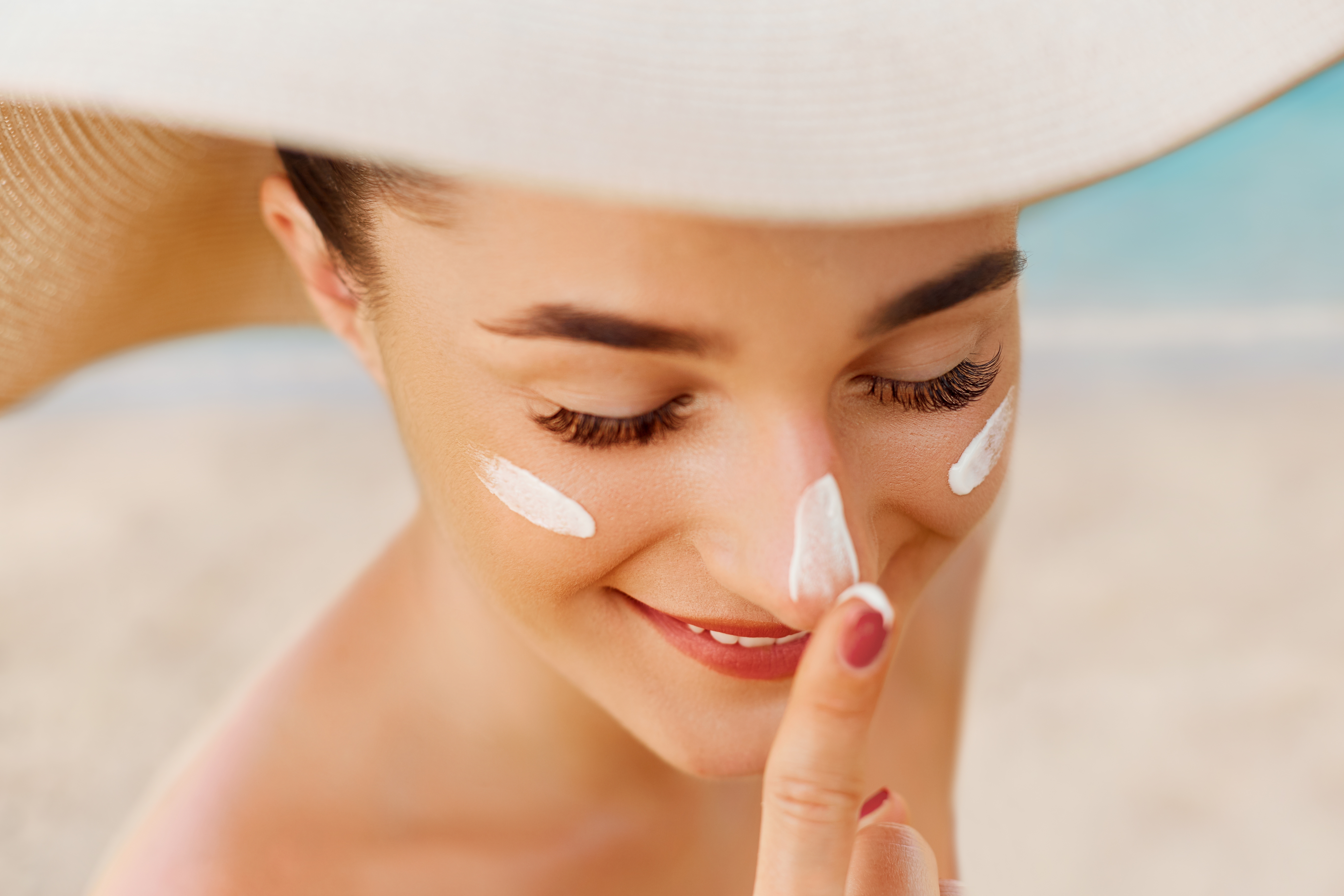
Tretinoin makes your skin more sensitive to ultraviolet light. That means you can burn more easily, even on days that don’t feel sunny.
While you’re using Treclin Gel:
- wear a broad-spectrum sunscreen of SPF 30 or higher every morning
- add a hat when you’ll be outside for a while
- avoid sunbeds and sunlamps completely
- take extra care if you work outdoors
It’s also important not to apply other skin products at the same time as Treclin Gel, including cosmetics. Some products can clash with tretinoin or make irritation worse. Take care with strongly drying cleansers, products high in alcohol, astringents and peeling agents such as benzoyl peroxide, salicylic acid or sulphur. If you’ve recently used a peeling product, let your skin settle fully before starting Treclin Gel.
Does Treclin Gel interact with other medicines?
Very little of either ingredient gets into the bloodstream, so interactions are limited. Still, a few are worth knowing:
- Other antibiotics: using an oral antibiotic and a topical antibiotic at the same time should be avoided. Erythromycin may also work against clindamycin.
- Steroid creams: using these on the same skin at the same time should be avoided.
- Warfarin and similar blood thinners: clindamycin has been linked with changes in blood clotting tests, so your INR may need checking more often.
- Other topical treatments: tretinoin makes skin more permeable, so anything else you apply may be absorbed more.
Always tell your prescriber about everything you use, including over-the-counter skincare.
Treclin Gel, pregnancy, breastfeeding and contraception
This one is non-negotiable. Retinoids taken by mouth are known to harm unborn babies. Very little tretinoin is absorbed from the skin, but Treclin Gel is still not used in pregnancy or by anyone planning a pregnancy.
If you could become pregnant, you should use effective contraception while using Treclin Gel and for one month after stopping. If you become pregnant during treatment, stop using it and speak to your doctor.
It’s also not suitable while breastfeeding, as it’s not known whether the ingredients pass into breast milk.
How to store Treclin Gel
Keep the tube below 25°C, don’t freeze it, and keep the cap on tightly. Once opened, use it within three months. Keep it out of the sight and reach of children.
How does Treclin Gel compare with other acne gels?
There’s no single best acne gel, only the best fit for your skin. Here’s how Treclin Gel sits alongside two common alternatives:
- Duac gel combines clindamycin with benzoyl peroxide. It’s effective, but benzoyl peroxide can bleach towels, pillowcases and hair. Treclin Gel doesn’t contain benzoyl peroxide, so your bedding is safe.
- Epiduo gel combines adapalene (another retinoid) with benzoyl peroxide. It contains no antibiotic, which makes it useful for longer-term use and for avoiding antibiotic resistance.
Your prescriber will consider your skin type, spot pattern, previous treatments and any pregnancy plans when choosing. You can browse the options on our acne condition page.
Frequently asked questions about Treclin Gel

What is Treclin Gel used for?
Treclin Gel treats acne in people aged 12 and over, where there’s a mix of blackheads or whiteheads and red, inflamed spots. It combines clindamycin, an antibiotic, with tretinoin, a retinoid, in one once-daily gel.
How long does Treclin Gel take to work?
Most people notice early changes within two to four weeks, with clearer progress by six to eight weeks. The full effect is usually judged at 12 weeks. Keep using it nightly, even once your skin starts to improve.
Is the Treclin purge normal, and how long does it last?
A short-lived flare of spots, with some dryness and peeling, can happen in the first few weeks as tretinoin speeds up skin renewal. It usually settles within a few weeks. If it continues past six to eight weeks, or your skin is very sore, get it reviewed.
What are the most common Treclin Gel side effects?
The side effects people notice most are dryness, redness, peeling, mild burning or itching, and increased sensitivity to the sun. These are listed as uncommon in the official information and usually improve as your skin adjusts.
Can I wear make-up while using Treclin Gel?
Yes, but not at the same time. Apply Treclin Gel at night on clean skin, and wear make-up during the day. Choose non-comedogenic products and remove make-up fully before your evening wash.
Can I use Treclin Gel with benzoyl peroxide or salicylic acid?
Only with care and with your prescriber’s advice. Peeling agents like benzoyl peroxide, salicylic acid and sulphur can increase irritation, and other products shouldn’t be applied at the same time as Treclin Gel.
Can I use Treclin Gel if I’m pregnant or breastfeeding?
No. Treclin Gel must not be used during pregnancy, when planning a pregnancy, or while breastfeeding. If you could become pregnant, use effective contraception during treatment and for one month afterwards.
Can I use Treclin Gel for longer than 12 weeks?
Not continuously without a review. After 12 weeks, your prescriber will check your progress and may suggest a break, another course or a different treatment, to limit antibiotic resistance and skin irritation.
Does Treclin Gel help with acne marks and scars?
By reducing new spots, Treclin Gel helps prevent new scars forming, and tretinoin may help fade red or brown marks over time. It won’t fix deep, pitted scars. Our guide on how tretinoin for scars works explains more.
Do I need a prescription for Treclin Gel?
Yes. Treclin Gel is a prescription-only medicine in the UK. You can get it from your GP or from a UK-registered pharmacy after a consultation with a prescriber who checks it’s safe and suitable for you.
Disclaimer
Disclaimer: This information is for education only and isn’t a substitute for personal medical advice. Always follow your prescriber’s instructions.
References
- Ahsan, S. (2026a) How to apply tretinoin cream. Courier Pharmacy. Available at: https://courierpharmacy.co.uk/how-to-apply-tretinoin-cream/ (Accessed: 22 October 2026).
- Ahsan, S. (2026b) How tretinoin for scars works. Courier Pharmacy. Available at: https://courierpharmacy.co.uk/how-tretinoin-for-scars-works/ (Accessed: 22 October 2026).
- Ahsan, S. (2026c) How tretinoin works: the science behind a skin-care staple. Courier Pharmacy. Available at: https://courierpharmacy.co.uk/how-tretinoin-works-the-science-behind-a-skin-care-stable/ (Accessed: 22 October 2026).
- Ahsan, S. (2026d) Tretinoin: discovery timeline and what it can treat. Courier Pharmacy. Available at: https://courierpharmacy.co.uk/tretinoin-discovery-timeline-and-what-it-can-treat/ (Accessed: 22 October 2026).
- courier Pharmacy (2026a) Acne treatment: prescription strength treatments for clearer skin. Available at: https://courierpharmacy.co.uk/conditions/acne/ (Accessed: 22 October 2026).
- Courier Pharmacy (2026b) Treclin Gel. Available at: https://courierpharmacy.co.uk/product/treclin-gel/ (Accessed: 22 October 2026).
- Del Rosso, J.Q., Jitpraphai, W., Bhambri, S. and Momin, S. (2008) ‘Clindamycin phosphate 1.2%–tretinoin 0.025% gel: vehicle characteristics, stability, and tolerability’, Cutis, 81(5), pp. 405–408. Available at: https://mdedge.com/content/clindamycin-phosphate-12-tretinoin-0025-gel-vehicle-characteristics-stability-and (Accessed: 22 October 2026).
- Leyden, J.J., Krochmal, L. and Yaroshinsky, A. (2006) ‘Two randomized, double-blind, controlled trials of 2219 subjects to compare the combination clindamycin/tretinoin hydrogel with each agent alone and vehicle for the treatment of acne vulgaris’, Journal of the American Academy of Dermatology, 54(1), pp. 73–81. Available at: https://www.em-consulte.com/article/353539/two-randomized-double-blind-controlled-trials-of-2 (Accessed: 22 October 2026).
- Medicines and Healthcare products Regulatory Agency (no date) Yellow Card scheme. Available at: https://yellowcard.mhra.gov.uk/ (Accessed: 22 October 2026).
- National Institute for Health and Care Excellence (2021, last reviewed 2026) Acne vulgaris: management (NG198). Available at: https://www.nice.org.uk/guidance/ng198 (Accessed: 22 October 2026).
- NHS (2026) Acne. Available at: https://www.nhs.uk/conditions/acne/ (Accessed: 22 October 2026).
- Viatris Products Limited (2026a) Treclin 1%/0.025% w/w gel: Summary of Product Characteristics. Electronic Medicines Compendium. Available at: https://www.medicines.org.uk/emc/product/5371/smpc (Accessed: 22 October 2026).
- Viatris Products Limited (2026b) Treclin 1%/0.025% w/w gel: Patient Information Leaflet. Electronic Medicines Compendium. Available at: https://www.medicines.org.uk/emc/product/5371/pil (Accessed: 22 October 2026).
- Walsh, T.R., Efthimiou, J. and Dréno, B. (2016) ‘Systematic review of antibiotic resistance in acne: an increasing topical and oral threat’, The Lancet Infectious Diseases, 16(3), pp. e23–e33. Available at: https://doi.org/10.1016/S1473-3099(15)00527-7 (Accessed: 22 October 2026).