

Find the right TRT treatment for you
View All Products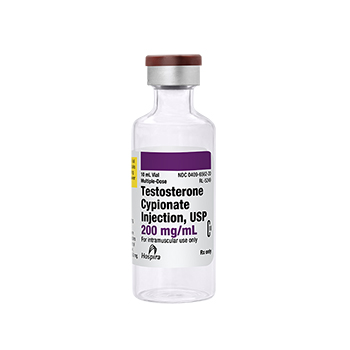




What you should know about TRT
It is a simpler, lower-cost way for men who are already on testosterone replacement therapy to keep getting their treatment. Instead of paying for a full managed programme, you upload your recent results and prescription, a prescriber confirms you are suitable, and you buy up to six months of your testosterone preparation in one go. We can supply the common licensed options used in the UK, including testosterone gels and injections, matched to what you already use where possible.
It is for men who already have a confirmed diagnosis of testosterone deficiency and are stable on TRT through another clinic or their GP. It is not a service for starting TRT from scratch, so if you have not yet been diagnosed you would need a full assessment first.
You upload a relevant recent blood test and your patient notes or prescription showing your current treatment, along with a recent blood pressure reading. One of our prescribers reviews these to confirm you are suitable before any testosterone is supplied.
The service is streamlined for people who are already diagnosed and stable, so it removes the repeat consultation fees and clinic overheads tied to a full managed programme. You pay for the prescriber review and the medicine itself, which keeps the cost down without skipping the safety checks.
Once a prescriber confirms you are suitable, you can purchase up to six months of your testosterone preparation in one go, which saves you ordering every few weeks.
You need a quick review before we can supply any more. That can be with your own doctor or clinic, or with one of our prescribers. The review checks your bloods, blood pressure and how you are feeling, so your treatment stays safe over the long term.
TRT needs regular blood tests, including your haematocrit, which is the main safety marker, along with PSA, testosterone level and blood pressure. These are usually checked before you start and then at intervals agreed with your prescriber. The six-month review is built around keeping these checks on track.
It needs careful tailoring rather than a simple yes or no. Standard testosterone replacement lowers the body’s own signals to the testes and reduces sperm production, so taking testosterone on its own is not the right approach if you are trying to conceive. However, fertility can often be preserved by adjusting the treatment plan, for example by using medicines such as human chorionic gonadotropin (hCG) or clomifene, either alongside or instead of testosterone, to keep the testes active. If you are hoping to have children now or in the future, tell your prescriber at the review stage so your treatment can be set up to protect your fertility, or so you can be referred for specialist fertility advice.
Because the pay-as-you-go service supplies testosterone to men already stabilised on it, anyone whose priority is fertility would usually need a tailored plan rather than a standard testosterone supply, so the prescriber may direct you to a fuller consultation.
Additional information
Testosterone replacement therapy (TRT)
Already on TRT? Get your testosterone the simple, affordable way
Pay-as-you-go TRT for existing patients, upload your recent results, buy six months of treatment, and skip the hassle, at a better price.
- For men already diagnosed and stabilised on TRT elsewhere, who want a simpler, cheaper way to continue
- Prescriber-reviewed for safety, with a quick review after six months, with your own clinic or ours
Testosterone replacement therapy, or TRT, changes lives for men with genuine testosterone deficiency, restoring energy, mood, libido, and wellbeing. But once you’re diagnosed and settled on a stable dose, the ongoing cost and admin of a full clinic can feel like overkill. At Courier Pharmacy, we believe healthcare should fit the person, not force the person to fit the system. So we’ve built a pay-as-you-go service that lets existing TRT patients continue their treatment simply, safely, and affordably, with a prescriber still checking it’s right for you. Healthcare that fits you, and your routine.

Our pay-as-you-go TRT service
Already diagnosed with testosterone deficiency and settled on treatment? You might get your TRT through the NHS or a private clinic. Either way, keeping your prescription going should be simple. You shouldn’t have to jump through hoops or pay high clinic prices. Our pay-as-you-go service gives you a straightforward, lower-cost way to continue the treatment you are already on.
How it works
- You upload the evidence that shows you’re an existing, diagnosed TRT patient. That means a relevant blood test and your patient notes or a previous prescription, plus a recent blood pressure reading.
- One of our prescribers reviews your information to check that continuing is safe and appropriate for you.
- Once approved, you can purchase up to six months of your testosterone preparation in one go, delivered discreetly.
- After six months, you’ll need a quick review, either with your own doctor or clinic, or with one of our prescribers, before you continue.
What you’ll need to upload
- A relevant recent blood test, showing your testosterone levels and the key safety markers
- Your patient notes, a clinic letter, or a previous prescription confirming your diagnosis and current regimen
- A recent blood pressure reading
Who it’s for, and who it isn’t
This service is for men who are already diagnosed with testosterone deficiency and established on a stable dose of TRT, and who simply want a simpler, more affordable way to continue. It is not a service for starting TRT from scratch, for self-diagnosis, or for anyone seeking testosterone without a genuine clinical need. If you think you might have low testosterone but haven’t been diagnosed, you need a proper assessment first, which we can also help arrange.
Why men choose it
- A simpler process, without repeated full clinic appointments
- A better price than many dedicated TRT clinics
- Up to six months of treatment supplied at once, delivered discreetly
- Still prescriber-reviewed, so safety isn’t sacrificed for convenience
- The flexibility to have your six-month review wherever suits you
We’ve kept the safety where it matters and stripped out the friction where it doesn’t. You stay in control, and a prescriber still has eyes on your treatment.

What is testosterone replacement therapy?
Testosterone replacement therapy is the treatment for testosterone deficiency, also called male hypogonadism, a condition where the body doesn’t produce enough testosterone and this causes troublesome symptoms. As the British Society for Sexual Medicine (BSSM) describes, TRT involves replacing testosterone to bring levels back into a healthy range, easing the symptoms of deficiency.
Testosterone is the main male sex hormone, and it does far more than drive libido. It supports energy, mood, concentration, muscle and bone strength, red blood cell production, and sexual function. When levels fall too low and cause symptoms, replacing it can make a substantial difference to how a man feels and functions.
Why is TRT needed, and what does the evidence show?
Testosterone deficiency is a genuine medical condition, not a lifestyle trend, and it has real health implications. As the BSSM guidelines describe, deficiency becomes more common with age and is strongly linked to conditions like obesity and type 2 diabetes, yet it remains underdiagnosed.
The evidence for treating it in the right men is solid. The BSSM and international guidelines agree on this. In men with genuine, symptomatic testosterone deficiency, TRT can improve several things:
- sexual desire
- erectile function
- mood
- energy
- body composition, with more muscle and less fat
<li>bone density
Large evidence reviews have also been reassuring on heart safety. This holds when TRT is used appropriately and monitored properly. One phrase matters most here: in the right men. TRT suits those with both symptoms and consistently low testosterone. Blood testing must confirm it. It is not for everyone who feels tired.
That is why diagnosis matters so much. Our pay-as-you-go service is built for men who have already been through that process. These are men who have shown they benefit.

What are the symptoms of low testosterone?
The symptoms of testosterone deficiency can be vague and easy to attribute to stress, age, or overwork, which is part of why it’s so often missed. As the BSSM describes, the three most common symptoms are a reduced sex drive, loss of early-morning erections, and erectile difficulties, but the picture is usually broader.
Common symptoms include:
- Low sex drive and reduced sexual satisfaction
- Erectile difficulties and fewer morning erections
- Persistent tiredness and low energy
- Low mood, irritability, or depression
- Difficulty concentrating, or brain fog
- Loss of muscle mass and strength
- Increased body fat, particularly around the middle
- Reduced motivation and general wellbeing
- Poor sleep, and sometimes hot flushes
As the guidelines note, no single symptom is specific to low testosterone, which is exactly why diagnosis combines symptoms with blood tests rather than relying on either alone.

How testosterone deficiency is diagnosed
A proper diagnosis is the foundation of safe TRT. As the BSSM guidelines describe, it requires both characteristic symptoms and consistently low testosterone, confirmed on at least two separate morning blood samples, since testosterone is highest in the morning and naturally fluctuates.
Diagnosis typically involves:
- Total testosterone, measured on two morning samples. Deficiency is generally considered likely below around 12 nmol/L, and clear below around 8 nmol/L
- Free testosterone, calculated using SHBG, which can be more informative when total testosterone is borderline
- Checks for the cause, including LH, FSH, and prolactin, to tell primary from secondary deficiency
- Baseline safety tests, including haematocrit, PSA, and a review of general and cardiovascular health
Validated symptom questionnaires, such as the ADAM or AMS scales, can support the picture. This thorough baseline is what every man on legitimate TRT will already have been through, and it’s what our service asks you to evidence.
The role of hormone testing, including the DUTCH test
Blood tests are the backbone of diagnosing and monitoring TRT, but some men and clinicians also use more detailed hormone mapping to understand the fuller picture. One example is the DUTCH test, which stands for Dried Urine Test for Comprehensive Hormones.
Unlike a single blood reading, the DUTCH test uses dried urine samples collected across a day and shows not just how much of a hormone you have, but how your body is processing it. For testosterone, it can map how you metabolise androgens, including the pathway that converts testosterone into the more potent DHT, and how much is moving down that route. It also looks at oestrogen and cortisol, your main stress hormone, which influence how you feel alongside testosterone.
It’s worth being clear that the DUTCH test complements rather than replaces the standard blood tests that guide TRT diagnosis and monitoring, and its results need expert interpretation. However, for men who want a deeper understanding of their hormonal picture, it can be a useful extra layer, and it’s something we can arrange and help interpret.

What are the treatment options for TRT?
Testosterone can be replaced in several forms, and the best choice depends on your preference, your response, and clinical factors. As the BSSM describes, the main options are:
- Topical gels, applied daily to the skin. These give steady levels and are easy to adjust, though care is needed to avoid transferring testosterone to others by skin contact
- Injections, given at intervals ranging from weekly to every few months depending on the preparation. Longer-acting injections are convenient, while shorter-acting ones allow finer control
- Other preparations, such as creams, are also used in some cases
There’s no single best option for everyone. Many men settle on a preparation that suits their lifestyle and gives them stable levels and good symptom control, which is exactly the established regimen our pay-as-you-go service is designed to continue.

Monitoring and safety: why it always matters
TRT is effective and, used properly, has a reassuring safety profile, but it is not a treatment to set and forget. As the BSSM guidelines and UK monitoring protocols describe, men on TRT need regular review to keep it safe and effective.
Monitoring typically includes:
- Testosterone levels, to confirm the dose is keeping you in the right range
- Haematocrit, the proportion of red cells in your blood, which is the single most important safety check, since testosterone can thicken the blood
- PSA and prostate health, particularly in older men
- Blood pressure, which is why we ask for a recent reading
- A review of symptoms, wellbeing, and any side effects
This is why our service, although streamlined, still involves a prescriber review before supply and a required review after six months. TRT also isn’t suitable for men who are actively trying to father children, as it can reduce fertility, or for those with certain prostate or breast cancers, which is part of what a prescriber checks. Convenience should never mean cutting corners on these safeguards, and with us, it doesn’t.

How Courier Pharmacy helps with TRT
We started Courier Pharmacy because too many people face care that’s either inconvenient, overpriced, or both. TRT is a perfect example. If you’re already diagnosed and stable, you deserve a simpler, more affordable way to continue, without losing the safety that proper prescribing provides. That balance is the heart of what we do.
Personalisation means we build the service around how established TRT patients actually live, cutting the admin, not the standards. Guidance means our prescribers review your treatment honestly and are here to answer your questions. Trust means we’re a UK-regulated pharmacy that insists on evidence of diagnosis, a blood pressure reading, and a six-month review, because your safety comes first. Community means we show up for men’s health, an area too often left in the shadows.
That spirit has a face in Dr Ada Jex-Cori, the voice of our approach, whose message is simple: you’re not broken, and you deserve healthcare that fits your life. For TRT, that means simple, affordable continuation with the safety kept firmly in place. Healthcare that fits you, not the other way round.
Frequently asked questions about TRT
What is your pay-as-you-go TRT service?
It’s a simpler, more affordable way for men already diagnosed and stabilised on TRT to continue their treatment. You upload evidence that you’re an existing TRT patient, a relevant blood test and your notes or a previous prescription, plus a recent blood pressure reading. A prescriber reviews it, and once approved you can buy up to six months of your testosterone preparation, with a quick review needed after six months.
Can I start TRT for the first time through this service?
No. This service is designed for men who have already been diagnosed with testosterone deficiency and are established on a stable dose elsewhere. Starting TRT requires a full diagnostic assessment, including symptoms and blood tests on two morning samples, to confirm it’s both needed and safe. If you haven’t been diagnosed but think you may have low testosterone, we can help you arrange a proper assessment first.
What do I need to upload to qualify?
Three things. A relevant recent blood test showing your testosterone and key safety markers; your patient notes, a clinic letter, or a previous prescription confirming your diagnosis and current regimen; and a recent blood pressure reading. This lets our prescriber confirm you’re an established patient and that continuing your treatment is safe and appropriate.
Why is it cheaper than a dedicated TRT clinic?
Because it’s built for continuation, not full clinic management. For men who are already diagnosed and stable, much of the intensive, ongoing clinic structure isn’t needed every month, so we strip out that cost and admin while keeping the essential safety checks, the prescriber review, the evidence requirements, and the six-month review. You get a simpler process at a better price, without sacrificing safety.
Is TRT safe?
For men with genuine testosterone deficiency, TRT is effective and, used properly with monitoring, has a reassuring safety profile. As the BSSM describes, the main things that need watching are your red blood cell level (haematocrit), prostate health and PSA, and blood pressure. That’s why monitoring is essential, and why our service still requires a prescriber review, a blood pressure reading, and a review after six months. It isn’t suitable for men trying to conceive, or with certain cancers.
Will TRT affect my fertility?
It can. Testosterone therapy can reduce sperm production and is not suitable for men who are actively trying to father a child. As the guidelines make clear, TRT does not improve fertility and may impair it. If fertility is a current priority for you, this should be discussed with a specialist before continuing, and it’s one of the things a prescriber will check.
What happens after six months?
You’ll need a quick review before continuing, which you can have either with your own doctor or clinic, or with one of our prescribers. This review is an essential safety step, a chance to check your levels and health markers, confirm the treatment is still working well for you, and make any adjustments. It keeps your TRT both safe and effective over the long term.
How can Courier Pharmacy help with TRT?
We offer a streamlined, affordable pay-as-you-go service for existing TRT patients, letting you continue your treatment simply once a prescriber has reviewed your evidence. We can also arrange blood tests and hormone testing, including the DUTCH test, and help you understand your results. For anything that needs a fuller assessment, we’ll guide you to the right care. It starts by uploading your details or speaking to a pharmacist.
Important disclaimer
This page is for general information and education. It isn’t medical advice, and it isn’t a substitute for a consultation with a qualified healthcare professional. This service is intended only for men already diagnosed with testosterone deficiency and established on TRT, and all supply is subject to prescriber review and eligibility, including evidence of diagnosis and a recent blood pressure reading. TRT is a prescription-only treatment that requires ongoing monitoring, including of haematocrit, PSA, and blood pressure, and is not suitable for everyone, including men seeking fertility or with certain cancers. A review is required after six months. Always keep your GP or specialist informed. Also speak to a prescriber or pharmacist before continuing, changing, or stopping treatment.
References
-
Ahsan, S. (2026) A comprehensive timeline: the development of testosterone replacement therapy, Courier Pharmacy. Available at: https://courierpharmacy.co.uk/a-comprehensive-timeline-the-development-of-testosterone-replacement-therapy/ (Accessed: 10 October 2026).
- Hackett, G. et al. (2023) ‘The British Society for Sexual Medicine Guidelines on Male Adult Testosterone Deficiency, with Statements for Practice’, World Journal of Men’s Health. Available at: https://bssm.org.uk/wp-content/uploads/2023/02/BSSM-Practical-Guide-High-Res-single-pp-view-final.pdf (Accessed: 10 October 2026).
- Bhasin, S. et al. (2018) ‘Testosterone Therapy in Men With Hypogonadism: An Endocrine Society Clinical Practice Guideline’, Journal of Clinical Endocrinology & Metabolism, 103(5), pp. 1715–1744. Available at: https://academic.oup.com/jcem/article/103/5/1715/4939465 (Accessed: 10 October 2026).


BSc Pharmacy, Independent Prescriber, PgDip Endocrinology, MSc Endocrinology, PgDip Infectious Diseases
Superintendant Pharmacist, Independent Prescriber

BSc Pharmacy
Compounding Pharmacist

