

Find the right urinary incontinence treatment for you
View All Products

What you should know about urinary incontinence treatments
The two most common are stress incontinence, where you leak when you cough, sneeze, laugh, or exercise, and urge incontinence, where a sudden strong urge makes you leak before reaching the toilet. Many people have a mix of both. Overflow incontinence, where the bladder doesn’t empty properly, is more common in men. As the NHS describes, knowing your type guides the right treatment.
No. As the NHS stresses, while incontinence becomes more common with age, it is not an inevitable part of ageing, and it’s not something you simply have to accept. It’s a treatable medical condition. Getting it assessed matters, both because it can usually be improved, and because it’s worth checking for any underlying cause.
Conservative measures, and they genuinely work. As NICE describes, pelvic floor muscle training is first-line for stress and mixed incontinence, done as a supervised programme over at least three months, while bladder training is first-line for urge incontinence and overactive bladder. Alongside lifestyle changes like reducing caffeine and losing excess weight, these help many people before any medication is needed.
Yes, when done properly and consistently. As NICE describes, a supervised pelvic floor programme is the proven first-line treatment for stress incontinence, and many people see real improvement. The key is correct technique and sticking with it for at least three months. A physiotherapist can check you’re doing them right, which makes a big difference.Weeping or oozing fluid
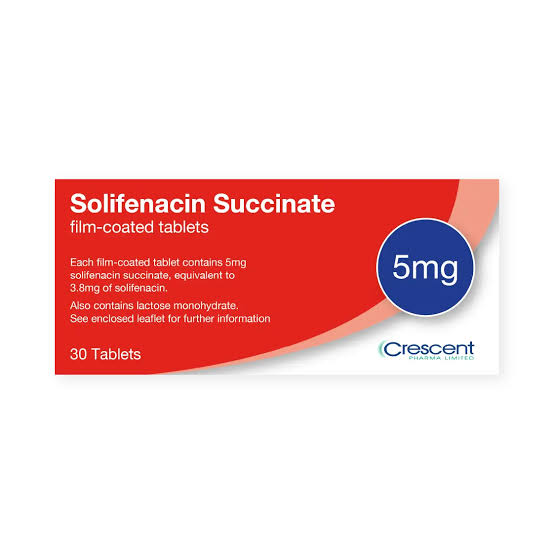
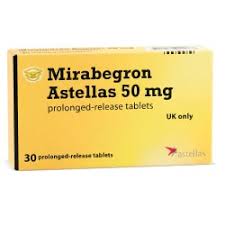
Where bladder training isn’t enough, medicines can calm an overactive bladder. As NICE describes, antimuscarinics such as solifenacin, tolterodine, or oxybutynin are usually tried first, and mirabegron is an alternative when those aren’t suitable or tolerated. They can have side effects, so a prescriber assesses you and reviews you after about four weeks. We can support this as part of your plan.
Yes, falling oestrogen at menopause can cause urgency, frequency, and leaking as part of genitourinary syndrome of menopause. As NICE advises, vaginal oestrogen can help women with overactive bladder symptoms and menopausal changes, and it’s a safe local treatment. Systemic HRT isn’t used to treat incontinence itself. This fits well with our wider menopause support.
Get checked promptly if you notice blood in your urine, pain passing urine, recurrent urine infections, a sudden change in bladder habits, or trouble passing urine, or if leaking comes with new weakness or numbness. As the NHS advises, these need proper assessment. For typical stress or urge symptoms, the focus is simply on effective treatment, which we can help you start.
We offer a confidential assessment to work out your type of incontinence, guidance on the proven first steps of pelvic floor and bladder training, and prescriber-led medication for overactive bladder or, for menopausal women, vaginal oestrogen, where appropriate. We’re honest about what helps, and we’ll point you to your GP or a physiotherapist when that’s the right move. It starts with a confidential consultation or a chat with a pharmacist.
Additional information
Urinary incontinence
Urinary incontinence, leaking urine when you don’t mean to, is one of the most common health problems there is, and one of the least talked about. If you’ve been planning your day around the nearest toilet, or dreading a cough or a laugh, you are far from alone, and you are far from out of options. At Courier Pharmacy, we believe healthcare should fit the person, not force the person to fit the system. So we help you find the cause, start with what genuinely works, and add prescriber-led treatment where it’s right, all without embarrassment. Healthcare that fits you, and your bladder. Leaking, rushing to the loo, or caught out by a cough? We can help you manage urinary incontinence.

Five key takeaways
- Urinary incontinence is very common, and treatable. As the NHS notes, millions of people are affected, and most can be helped.
- There’s more than one type. Stress and urge incontinence are the most common, and they need different treatment.
- Conservative treatment comes first. As NICE guidance describes, pelvic floor exercises and bladder training are the foundation.
- Medication can help too. Where exercises and lifestyle aren’t enough, prescriber-led options can make a real difference.
- It’s not just part of ageing. Leaking is common, but it isn’t something you simply have to accept, so it’s worth getting help.
How Courier Pharmacy helps with urinary incontinence
- A confidential assessment to work out the type and cause of your leaking
- Guidance on pelvic floor muscle training and bladder training, the proven first steps
- Prescriber-led medication for overactive bladder, where appropriate
- Vaginal oestrogen for menopausal women with bladder and genitourinary symptoms
- Honest advice on lifestyle changes, and when to see your GP or a physiotherapist
- Free fortnightly drop-in clinics in Derby, with no cost and no pressure
We work alongside your GP and continence services, never instead of them, so you get the right help for your type of incontinence.
What you should know about urinary incontinence treatment
Good care for urinary incontinence follows a clear, sensible path. First, work out which type you have, because stress and urge incontinence need different approaches. Second, start with the conservative treatments that genuinely work, like pelvic floor exercises and bladder training. Third, add medication where those aren’t enough. Fourth, personalise the plan and review how it’s going.
This is the approach NICE and the NHS take, and the one we support at Courier Pharmacy. As NICE guidance describes, pelvic floor muscle training and bladder training are first-line, with medication and specialist options added when needed. The goal isn’t just fewer accidents. It’s getting your freedom and confidence back.

Urinary incontinence overview
Urinary incontinence is the unintentional leaking of urine. As the NHS explains, it ranges from the occasional small leak when you cough or sneeze, to a sudden, urgent need to go that you can’t put off, to more frequent and unpredictable loss.
The impact is far bigger than the leaks themselves. People tell us they’ve stopped exercising, avoided socialising, mapped out every toilet before leaving home, or quietly withdrawn from things they love. As the continence literature notes, incontinence has a real effect on confidence, relationships, work, and mental wellbeing, yet many people wait years before seeking help, or never do.
The hopeful truth is that incontinence is very treatable. As the NHS notes, most people can be helped, often with simple measures, and cured or significantly improved. It is not an inevitable part of getting older, and it is nothing to be ashamed of.
Why does this matter? Because urinary incontinence is common, treatable, and hugely under-reported. Embarrassment keeps too many people suffering in silence. Understanding that it’s a recognised medical condition with effective treatments is the first, most freeing step.

What is urinary incontinence?
Urinary incontinence is any involuntary leakage of urine. As the NHS describes, it happens when the normal control over the bladder is disrupted, whether by weakened muscles, an overactive bladder, or a blockage.
Common signs include:
- Leaking urine when you cough, sneeze, laugh, or exercise
- A sudden, urgent need to pass urine that’s hard to hold
- Needing to pass urine more often than usual
- Getting up several times in the night to go
- Leaking on the way to the toilet
- Feeling your bladder doesn’t fully empty
As the continence literature notes, the pattern of your symptoms usually points to the type of incontinence, which is why describing exactly when and how you leak helps so much.

Types of urinary incontinence
Telling the types apart matters, because they’re treated differently. As the NHS and NICE describe, the main types are:
- Stress incontinence, where urine leaks when pressure is put on the bladder, such as coughing, sneezing, laughing, or exercising. It’s usually due to a weakened pelvic floor or bladder outlet, and is the most common type in women.
- Urge incontinence, linked to an overactive bladder, where you feel a sudden, intense urge to pass urine and leak before you can reach a toilet.
- Mixed incontinence, a combination of stress and urge symptoms, which is also very common.
- Overflow incontinence, where the bladder doesn’t empty properly and leaks or dribbles. It’s more common in men, often linked to an enlarged prostate.
Knowing your type shapes everything that follows, so a proper assessment is well worth it.
How common is urinary incontinence?
Urinary incontinence is extremely common. As the NHS reports, it’s thought to affect millions of people in the UK, and it becomes more common with age, though it’s certainly not confined to older people.
It affects women more often than men, largely because of pregnancy, childbirth, and the menopause, but men are affected too, particularly with prostate-related problems. Whatever your situation, you are in very large company, and there’s a well-established path to improvement.
What causes urinary incontinence?
Incontinence has many possible causes, often overlapping. The NHS and continence literature describe the main ones.
Pregnancy and childbirth
Pregnancy and vaginal birth can stretch and weaken the pelvic floor muscles that support the bladder, which is a leading cause of stress incontinence in women. The good news is that pelvic floor training genuinely helps.
The menopause
As oestrogen falls around the menopause, the tissues of the bladder and urethra can become thinner and less supported, contributing to urgency, frequency, and leaking. This is part of what’s called genitourinary syndrome of menopause, and it has specific, effective treatment.
Ageing and the pelvic floor
The muscles involved in bladder control naturally weaken with age, and the bladder can become more overactive over time. This is common, but it responds to treatment, so it should never be dismissed as just old age.
Weight
Carrying extra weight puts more pressure on the bladder and pelvic floor, which can cause or worsen leaking. As the NHS notes, losing even a modest amount of weight can improve symptoms.
Prostate problems in men
In men, an enlarged prostate can obstruct the flow of urine and lead to overflow incontinence or urgency. This needs its own assessment, as the treatment differs.
Other causes
Constipation, urinary infections, some medicines, neurological conditions, and lifestyle factors like caffeine and alcohol can all play a part. Identifying these is part of a good assessment, because some are easily reversible.

When to see a doctor
Most incontinence can be assessed and managed well, but some symptoms need prompt medical attention. This advice reflects NHS guidance.
See a doctor promptly if you have:
- Blood in your urine, which always needs checking
- Pain when passing urine, or ongoing pelvic or lower tummy pain
- Recurrent urinary infections
- A sudden change in your bladder habits, or difficulty passing urine at all
- Incontinence alongside new weakness, numbness, or problems with your bowels
As the NHS advises, these features can point to a cause that needs investigating rather than simply treating the leaking. For typical stress or urge symptoms, the focus is on effective treatment, which is where we can help.
Diagnosing urinary incontinence
Getting to the bottom of your symptoms usually starts with a conversation, not a procedure. As NICE guidance describes, understanding when and how you leak, your history, and your general health often points clearly to the type of incontinence.
A bladder diary, where you note what you drink and when you pass urine or leak over a few days, is one of the most useful tools there is. A simple urine test helps rule out infection, and an examination may be appropriate. As NICE advises, this assessment guides which treatment is likely to help.
This is where Courier Pharmacy can support you. We can assess your symptoms confidentially, help you use a bladder diary, and guide you towards the right first steps, arranging further help where it’s needed. Answers first, then a plan that fits.
Treating urinary incontinence
Treatment works best in a sensible order, matched to your type of incontinence. As NICE guidance describes, conservative measures come first, with medication and specialist options added where needed.
Lifestyle and self-care
Simple changes can make a real difference, and support every other treatment. As the NHS advises, cutting down on caffeine and alcohol, managing how much you drink, losing excess weight, treating constipation, and stopping smoking can all help. These sit alongside everything else.
Pelvic floor muscle training
For stress and mixed incontinence, pelvic floor muscle training is the proven first-line treatment. As NICE describes, a supervised programme of at least three months, doing sets of pelvic floor contractions several times a day, is recommended, and it genuinely works for many people. It takes commitment, but the results can be excellent, and a physiotherapist can help you get the technique right.
Bladder training
For urge incontinence and overactive bladder, bladder training is the first-line approach. As NICE describes, this involves gradually extending the time between toilet visits over at least six weeks, retraining your bladder to hold more and reducing that sudden urgency. It works best with support and a bit of patience.
Medication for overactive bladder
Where bladder training isn’t enough, medication can help calm an overactive bladder. As NICE describes, the usual first choice is a group of medicines called antimuscarinics, such as oxybutynin, solifenacin, or tolterodine, which relax the bladder muscle. They can cause side effects like a dry mouth, constipation, or blurred vision, and immediate-release oxybutynin is generally avoided in frailer older people. Where antimuscarinics aren’t suitable or aren’t tolerated, a different medicine called mirabegron, which works in another way, is an option, though it needs your blood pressure kept in mind. A prescriber chooses with you and reviews you after about four weeks.
Medication for stress incontinence
For stress incontinence, medication plays a smaller role, and the foundation is really pelvic floor training. As NICE describes, a medicine called duloxetine is not a first-line treatment, but it may be offered to women who would prefer a medication to surgery, or who aren’t suitable for surgery, usually after pelvic floor training and specialist advice. It can cause side effects such as nausea, so it’s discussed carefully first. A prescriber will talk you through whether it fits your situation.
Vaginal oestrogen for menopausal women
For women whose bladder symptoms come alongside vaginal dryness and other genitourinary changes of menopause, vaginal oestrogen can help. As NICE advises, it’s offered to women with overactive bladder symptoms and menopausal genitourinary changes, and it’s a safe, effective, local treatment. Note that systemic HRT isn’t used to treat incontinence itself. This ties in neatly with our wider menopause support.
When to consider specialist treatment
Where symptoms don’t settle with these measures, specialist options exist and work well. As NICE describes, these include bladder injections of botulinum toxin, nerve stimulation techniques, and surgery for stress incontinence, as well as specific treatment for men with prostate-related problems. We can help you understand these and get to the right service.
Patient experiences and challenges
Incontinence is one of the most isolating conditions we see, precisely because so few people talk about it. People tell us they felt embarrassed to raise it, even with a doctor, or assumed it was just an inevitable part of getting older or of having had children. Many had quietly reshaped their whole lives around it, avoiding exercise, travel, or intimacy.
Others tell us they’d been managing with pads for years, not realising that the underlying problem could often be treated and improved, not just contained.
Here’s what we want you to hear. Leaking is common, it is not your fault, and it is not something you simply have to live with. Urinary incontinence is a treatable medical condition, and seeking help is completely normal. You’re the one living with it, and you deserve to feel free and confident again. Our job is to help you get there, without a flicker of judgement.
Looking to the future: research and hope
The outlook is genuinely positive. As the continence literature describes, treatments continue to improve, from better-tolerated medicines to less invasive procedures and digital tools that support pelvic floor training at home. Awareness is slowly growing too, which helps more people come forward.
There’s real reason for optimism. Urinary incontinence is well understood and highly treatable, and most people who seek help see meaningful improvement. We won’t promise perfection. What we will say is that, with the right assessment and a plan that fits, life without constantly thinking about your bladder is a realistic goal.
How Courier Pharmacy helps with urinary incontinence
We started Courier Pharmacy because too many people feel dismissed or embarrassed by symptoms that deserve proper care. Incontinence is a clear example. Your type of leaking, your history, and your goals are unique, so your treatment should be too. That personalisation is the first of our four pillars.
The other pillars carry it through. Guidance means our pharmacists help you understand your type of incontinence, get started with pelvic floor and bladder training, and use any medication well. Trust means we’re a UK-regulated pharmacy that starts with what the evidence supports, is honest about what each option can do, and points you to your GP, a physiotherapist, or specialist services when that’s what you need. Community means we show up for people, even about the things they find hardest to mention.
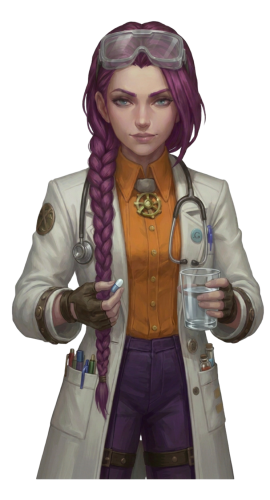
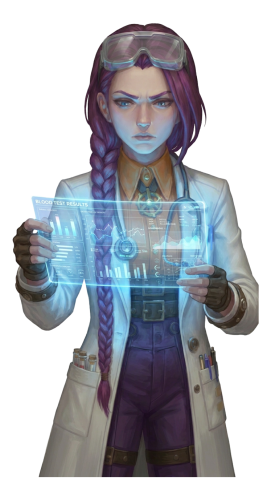
That spirit has a face in Dr Ada Jex-Cori, the voice of our approach, whose message is simple: you’re not broken, and you deserve healthcare that fits your life. For incontinence, that means effective treatment and zero embarrassment. Healthcare that fits you, not the other way round.
Frequently asked questions about urinary incontinence
What are the main types of urinary incontinence?
The two most common are stress incontinence, where you leak when you cough, sneeze, laugh, or exercise, and urge incontinence, where a sudden strong urge makes you leak before reaching the toilet. Many people have a mix of both. Overflow incontinence, where the bladder doesn’t empty properly, is more common in men. As the NHS describes, knowing your type guides the right treatment.
Is leaking urine just a normal part of getting older?
No. As the NHS stresses, while incontinence becomes more common with age, it is not an inevitable part of ageing, and it’s not something you simply have to accept. It’s a treatable medical condition. Getting it assessed matters, both because it can usually be improved, and because it’s worth checking for any underlying cause.
What’s the best first treatment for incontinence?
Conservative measures, and they genuinely work. As NICE describes, pelvic floor muscle training is first-line for stress and mixed incontinence, done as a supervised programme over at least three months, while bladder training is first-line for urge incontinence and overactive bladder. Alongside lifestyle changes like reducing caffeine and losing excess weight, these help many people before any medication is needed.
Do pelvic floor exercises really work?
Yes, when done properly and consistently. As NICE describes, a supervised pelvic floor programme is the proven first-line treatment for stress incontinence, and many people see real improvement. The key is correct technique and sticking with it for at least three months. A physiotherapist can check you’re doing them right, which makes a big difference.
What medication is available for an overactive bladder?
Where bladder training isn’t enough, medicines can calm an overactive bladder. As NICE describes, antimuscarinics such as solifenacin, tolterodine, or oxybutynin are usually tried first, and mirabegron is an alternative when those aren’t suitable or tolerated. They can have side effects, so a prescriber assesses you and reviews you after about four weeks. We can support this as part of your plan.
Can the menopause cause bladder problems, and does HRT help?
Yes, falling oestrogen at menopause can cause urgency, frequency, and leaking as part of genitourinary syndrome of menopause. As NICE advises, vaginal oestrogen can help women with overactive bladder symptoms and menopausal changes, and it’s a safe local treatment. Systemic HRT isn’t used to treat incontinence itself. This fits well with our wider menopause support.
When should I see a doctor about incontinence?
Get checked promptly if you notice blood in your urine, pain passing urine, recurrent urine infections, a sudden change in bladder habits, or trouble passing urine, or if leaking comes with new weakness or numbness. As the NHS advises, these need proper assessment. For typical stress or urge symptoms, the focus is simply on effective treatment, which we can help you start.
How can Courier Pharmacy help with urinary incontinence?
We offer a confidential assessment to work out your type of incontinence, guidance on the proven first steps of pelvic floor and bladder training, and prescriber-led medication for overactive bladder or, for menopausal women, vaginal oestrogen, where appropriate. We’re honest about what helps, and we’ll point you to your GP or a physiotherapist when that’s the right move. It starts with a confidential consultation or a chat with a pharmacist.
Important disclaimer
This page is for general information and education. It isn’t medical advice, and it isn’t a substitute for a consultation with a qualified healthcare professional. Medicines for incontinence and overactive bladder are prescription-only, require a clinical assessment, and aren’t suitable for everyone. Blood in the urine, pain, recurrent infections, or a sudden change in bladder habits should always be assessed by a doctor. Always speak to a prescriber or pharmacist before starting any treatment.
References
- National Health Service (2023) Urinary incontinence. Available at: https://www.nhs.uk/conditions/urinary-incontinence/ (Accessed: 27 July 2026).
- National Institute for Health and Care Excellence (2019) Urinary incontinence and pelvic organ prolapse in women: management (NG123). Available at: https://www.nice.org.uk/guidance/ng123 (Accessed: 27 July 2026).
- National Institute for Health and Care Excellence (2013) Mirabegron for treating symptoms of overactive bladder (TA290). Available at: https://www.nice.org.uk/guidance/ta290 (Accessed: 27 July 2026).
- National Institute for Health and Care Excellence (NICE) (no date) Lower urinary tract symptoms (LUTS) in men. NICE Clinical Knowledge Summaries. Available at: https://cks.nice.org.uk/topics/luts-in-men/ (Accessed: 5 September 2026).

BSc Pharmacy, Independent Prescriber, PgDip Endocrinology, MSc Endocrinology, PgDip Infectious Diseases
Superintendant Pharmacist, Independent Prescriber

BSc Pharmacy
Compounding Pharmacist

