


What you should know about LDN for fibromyalgia
No. LDN is not a cure, and it is not a licensed treatment for fibromyalgia. Some small studies and many personal accounts suggest it may reduce pain for some people, but the evidence is still limited. It is best seen as one option to explore alongside your usual care, with realistic expectations.
The research has mostly looked at pain, and that is where the early signal is strongest, with some people also reporting better sleep, mood or general function. There is no guarantee which symptoms, if any, will respond for you, because the studies are small. Your prescriber will set honest expectations before you start.
It is the same medicine at a much lower dose. Standard naltrexone is around 50mg and is used for opioid and alcohol dependence. Low dose naltrexone is typically 1.5mg to 4.5mg at night, and at this strength it is used off-label for conditions like fibromyalgia. Because these low doses are not available as a standard product, LDN is compounded to order by APC Labs.
Often yes, but it depends on what you take. LDN is not known to interact with common fibromyalgia medicines such as amitriptyline, duloxetine or pregabalin, but it must not be combined with opioid painkillers. Your prescriber will review your full medicine list before starting, so anything relevant can be checked.
People who respond usually notice gradual change over several weeks to a few months, not straight away, partly because the dose is increased slowly. Keeping a simple symptom diary helps you and your prescriber judge whether it is genuinely helping. If a fair trial brings no benefit, there is no reason to continue it.
For most people it is well tolerated, with mild early side effects such as vivid dreams. The most important safety point is that it must not be taken with opioids, and it needs caution in liver disease and is not recommended in pregnancy or breastfeeding without specialist advice. This is why it is prescriber-assessed.
Generally yes. LDN is not known to interact with common nerve pain medicines such as amitriptyline, gabapentin or pregabalin, and it is intended to sit alongside your existing pain management, not replace it. Your prescriber will still review your full medicine list, with particular attention to any opioids, before considering LDN.
The research has mostly looked at pain, and that is where the early signal is strongest, with some people also reporting better sleep, mood or general function. There is no guarantee which symptoms, if any, will respond for you, because the studies are small. Your prescriber will set honest expectations before you start.
Additional information
LDN for fibromyalgia
Fibromyalgia is real, and so are your options
Fibromyalgia means living with widespread pain, crushing fatigue and a fog that most people around you cannot see. It is real, it is common, and far too many people have been doubted along the way. At Courier Pharmacy, we believe healthcare should fit the person, not force the person to fit the system. So we work alongside your GP and any specialist, never instead of them, and where it is right for you, we offer low dose naltrexone, or LDN, as one option some people with fibromyalgia choose to explore. Of all the conditions LDN is used for, fibromyalgia has some of the most encouraging early research behind it. Healthcare that fits you, and your life with fibromyalgia.
- Low dose naltrexone as one option to explore for fibromyalgia pain, with some of the most encouraging research of any LDN use
- Prescriber-assessed and compounded by APC Labs, used alongside your usual care, never instead of it
Five key takeaways
- Fibromyalgia is a long-term condition of widespread pain, fatigue and poor sleep, linked to how the nervous system processes pain, as the NHS describes.
- It is a genuine condition, not imagined, and it deserves to be taken seriously and assessed properly.
- Care is personalised. Exercise, pacing, talking therapies and certain medicines are the recognised mainstays.
- Low dose naltrexone is an option some explore. Fibromyalgia has more research behind LDN than most conditions, though the evidence is still limited.
- LDN sits alongside your care. It never replaces your GP, specialist or standard treatment, and it is prescriber-assessed for safety.

How Courier Pharmacy helps
- Honest, personalised guidance on living with fibromyalgia and your options
- Low dose naltrexone through a prescriber consultation, where it is appropriate for you
- A clear, evidence-based explanation of what LDN can and cannot do in fibromyalgia
- Compounded LDN prepared to order by APC Labs, our specials partner
- Support that works alongside your GP and specialist team, never instead of them
Fibromyalgia deserves proper, respectful care. We complement that care, we do not replace it, and we will always encourage you to stay under your GP or specialist.
What is fibromyalgia?
Fibromyalgia is a long-term condition that causes pain felt across the body. As the NHS explains, alongside widespread pain it brings extreme tiredness, poor sleep, and problems with memory and concentration that many people call fibro fog. It is thought to involve the way the nervous system processes pain, rather than damage to the joints or muscles themselves.
Fibromyalgia is genuine, and it is not caused by laziness or imagination. As the NHS and research describe, it is a recognised condition that can be seriously disabling, affecting work, relationships and daily life. Its impact is often invisible, which is part of why so many people feel doubted before they are believed.
Normal test results do not mean nothing is wrong. In fibromyalgia, blood tests and scans are usually normal, because the problem lies in how pain signals are processed, not in something a routine test can show. Understanding this is often an important turning point.

What are the symptoms of fibromyalgia?
Fibromyalgia affects far more than pain alone. As the NHS and research literature describe, common symptoms include:
- widespread pain, often described as aching, burning or throbbing
- heightened sensitivity, where even light pressure hurts
- extreme fatigue that is not relieved by rest
- unrefreshing or disturbed sleep
- problems with memory and concentration, often called fibro fog
- headaches and migraines
- irritable bowel symptoms
- low mood, anxiety and sensitivity to light, sound or temperature
The pattern varies from person to person, and symptoms can flare and settle, often set off by stress, poor sleep, overexertion or changes in the weather. Few people experience every symptom, and the picture is personal to each individual.
What happens in the body with fibromyalgia?
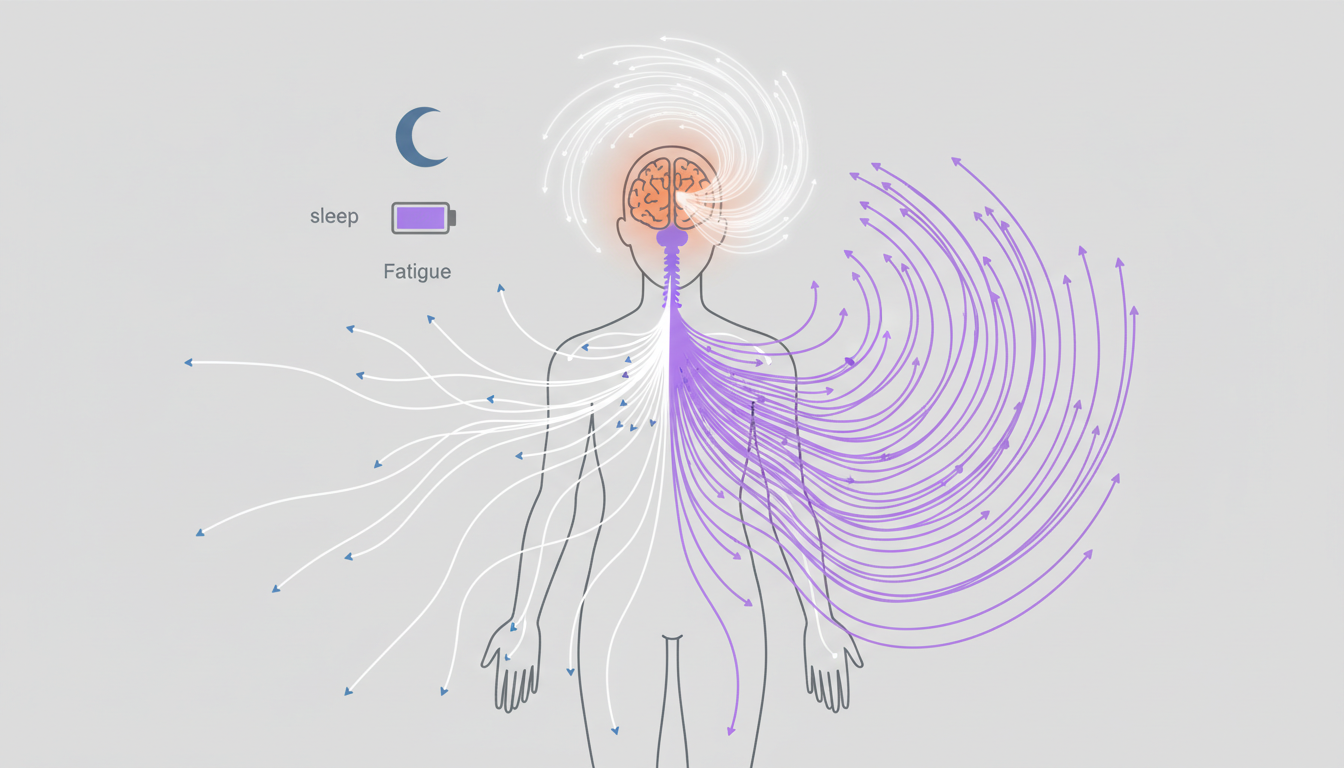
Fibromyalgia is understood largely as a condition of amplified pain processing. As the research literature describes, the nervous system appears to turn up pain signals, so that pain is felt more intensely and more widely than the situation would normally cause. This is sometimes called central sensitisation.
Alongside this, changes in sleep, in the body’s stress responses and in certain brain chemicals that influence pain and mood are thought to play a part. What this means in practice is that the pain system becomes overactive and oversensitive, out of step with any injury. That is part of why treatments that aim to calm nerve activity, including options like LDN, have attracted interest, and why pacing, sleep and gentle activity matter so much.
How is fibromyalgia diagnosed?
Fibromyalgia is diagnosed from your symptoms and examination rather than a single test. As the NHS describes, doctors look for widespread pain lasting several months alongside the other typical features, and they carry out tests mainly to rule out other conditions, such as thyroid problems or inflammatory arthritis, that can cause similar symptoms.
This careful approach matters because getting the right diagnosis guides the right treatment, and because being believed and named is itself important for many people. If you think you may have fibromyalgia, your GP is the first step. Courier Pharmacy does not diagnose fibromyalgia. What we can do is support you alongside your GP and any specialist once you are under their care.
What are the standard approaches for fibromyalgia?
There is no cure for fibromyalgia, so care focuses on reducing symptoms and improving quality of life, and standard approaches come first. As NICE and the NHS describe, the recognised options include:
Exercise and movement
Supervised, gradually built physical activity is a cornerstone of fibromyalgia care, and NICE recommends it for chronic primary pain. It needs to be paced carefully so it helps rather than triggers a flare.
Pacing and self-management
Balancing activity and rest, protecting sleep, and managing stress all help reduce flares and keep you functioning. Pacing is central to living well with fibromyalgia.
Talking therapies
Approaches such as cognitive behavioural therapy and acceptance and commitment therapy can help people manage pain, mood and the impact on daily life, and are recommended options.
Medicines
Some medicines are used for fibromyalgia, usually to help pain, sleep or mood. These include certain antidepressants such as amitriptyline or duloxetine. NICE advises against routine use of most painkillers, including opioids, for chronic primary pain, because the evidence does not support them and they carry risks.
These standard approaches are the backbone of managing fibromyalgia. Anything else, including low dose naltrexone, is considered alongside them, not instead of them.
Low dose naltrexone (LDN) and fibromyalgia
Many people with fibromyalgia come across low dose naltrexone and ask whether it could help. Because it is an option we can offer, and one that generates a lot of interest, we want to explain it clearly and honestly, including its limits.
What is LDN?
Naltrexone is a medicine licensed to treat opioid and alcohol dependence, at a dose of around 50mg. Low dose naltrexone uses a much smaller dose, typically between about 1.5mg and 4.5mg, taken at night. At this low dose it is used off-label, meaning outside its licensed purpose, for a range of conditions where pain processing and inflammation are thought to play a part. Because these low strengths are not available off the shelf, LDN is prepared as a compounded medicine, which for us is made by APC Labs, our compounding pharmacy partner.

The theory in fibromyalgia
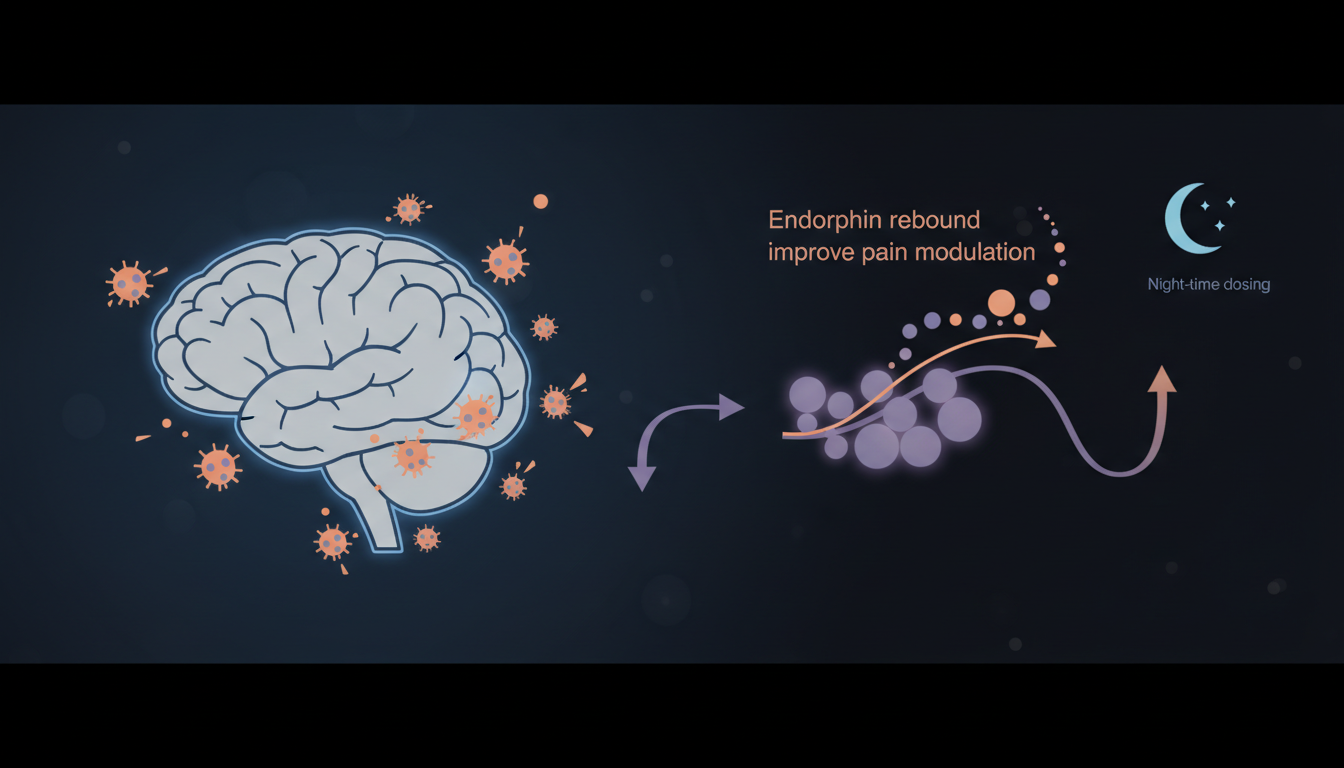
The idea behind LDN is interesting. As the research literature describes, a brief, low dose of naltrexone is thought to cause a rebound rise in the body’s own endorphins, and to calm certain immune cells in the nervous system, called glial cells, that are involved in amplifying pain. Because fibromyalgia involves an overactive, sensitised pain system, the theory is that LDN may help turn down that amplification. These mechanisms are plausible and are why LDN has been studied in fibromyalgia, but they remain theoretical.
What the evidence actually shows
Here is the honest picture, because you deserve it. Fibromyalgia has more research behind LDN than most conditions it is used for, including small clinical trials from Stanford that reported reductions in pain for some people, with few side effects. However, these studies are small, and reviews have concluded that the overall evidence is still limited and not yet strong enough for LDN to be recommended as a standard treatment. Major guidelines do not currently recommend it as a routine option. So while the signal is genuinely encouraging, we cannot promise it will work for you, and LDN remains an experimental, off-label choice to explore alongside proper care.
What LDN is not
This is the most important part. LDN is not a cure for fibromyalgia, and it is not a replacement for exercise, pacing, talking therapies or your medical care. Those recognised approaches remain the foundation. If you choose to explore LDN, it should sit alongside that proper care, never instead of it, and your GP or specialist should stay informed.
Safety, and who might consider it
LDN is generally well tolerated, and side effects are usually mild, such as vivid dreams or sleep disturbance early on, and occasionally headache or stomach upset. But there are firm safety points. LDN must not be taken by anyone using opioid medicines, including many strong painkillers, because it blocks them and can trigger sudden withdrawal or stop pain relief working. This matters in fibromyalgia, where painkillers are sometimes used, so tell your prescriber about everything you take. LDN also needs caution in liver disease, and it is not recommended in pregnancy or breastfeeding without specialist advice. This is exactly why LDN is prescriber-assessed, so we can check it is safe and appropriate for you, and coordinate with your wider care.

Monitoring and ongoing care
If you and your prescriber decide LDN is worth trying, it is usually started at a low dose and increased slowly, which helps your body adjust and makes any reaction easier to spot. You will be asked how you are getting on, and whether your pain, sleep and daily function are changing. Because fibromyalgia care often involves your GP or a specialist, we encourage you to keep them updated, so everyone caring for you has the full picture. If LDN does not help after a fair trial, there is no benefit in continuing it.
Patient experiences and challenges
Living with fibromyalgia can be a daily exercise in endurance. People tell us about pain that moves around and never fully lifts, the exhaustion that sleep does not fix, and the frustration of being doubted when they look well. That is a lot to carry.
Many also tell us they have spent hours researching every possible option, including LDN, and found it hard to get a straight, honest answer, caught between overblown promises and blanket dismissal. That gap is exactly what we try to fill. Your pain is real, and you are not giving up by staying under your GP while exploring your options. Both can be true at once.
How Courier Pharmacy helps with fibromyalgia
We started Courier Pharmacy because too many people feel either dismissed or oversold, especially when they are living with a condition that others struggle to see. Fibromyalgia is a clear example. Your pain, your limits and your goals are unique, so your support should be too. That personalisation is the first of our four pillars.
The other pillars carry it through. Guidance means we give you honest, evidence-based information, including the real limits of options like LDN, so you can decide with clear eyes. Trust means we are a UK-regulated pharmacy that will always tell you when something is not a substitute for proper care. Community means we show up for people, even when there is nothing to sell.
That spirit has a face in Dr Ada Jex-Cori, the voice of our approach, whose message is simple: you are not broken, and you deserve healthcare that fits your life. For fibromyalgia, that means honest support, real options, and respect for you and your care team. Healthcare that fits you, not the other way round.

Frequently asked questions about LDN for fibromyalgia
Does LDN cure fibromyalgia?
No. LDN is not a cure, and it is not a licensed treatment for fibromyalgia. Some small studies and many personal accounts suggest it may reduce pain for some people, but the evidence is still limited. It is best seen as one option to explore alongside your usual care, with realistic expectations.
Which fibromyalgia symptoms might LDN help with?
The research has mostly looked at pain, and that is where the early signal is strongest, with some people also reporting better sleep, mood or general function. There is no guarantee which symptoms, if any, will respond for you, because the studies are small. Your prescriber will set honest expectations before you start.
How is LDN for fibromyalgia different from normal naltrexone?
It is the same medicine at a much lower dose. Standard naltrexone is around 50mg and is used for opioid and alcohol dependence. Low dose naltrexone is typically 1.5mg to 4.5mg at night, and at this strength it is used off-label for conditions like fibromyalgia. Because these low doses are not available as a standard product, LDN is compounded to order by APC Labs.
Can I take LDN with my other fibromyalgia medicines?
Often yes, but it depends on what you take. LDN is not known to interact with common fibromyalgia medicines such as amitriptyline, duloxetine or pregabalin, but it must not be combined with opioid painkillers. Your prescriber will review your full medicine list before starting, so anything relevant can be checked.
How long before I know if it is working?
People who respond usually notice gradual change over several weeks to a few months, not straight away, partly because the dose is increased slowly. Keeping a simple symptom diary helps you and your prescriber judge whether it is genuinely helping. If a fair trial brings no benefit, there is no reason to continue it.
Do I need any tests or monitoring while taking LDN?
LDN does not require intensive monitoring, but your prescriber will check it is safe for you first, including your other medicines and your liver health where relevant. After that, the main thing tracked is how your pain, sleep and function respond. If anything changes or concerns you, your prescriber can review it.
Is LDN available on the NHS for fibromyalgia?
No. LDN is not a licensed or routine NHS treatment for fibromyalgia. It is used off-label and is usually accessed privately through a prescriber and a compounding pharmacy, which is how we provide it.
Is LDN safe?
For most people it is well tolerated, with mild early side effects such as vivid dreams. The most important safety point is that it must not be taken with opioids, and it needs caution in liver disease and is not recommended in pregnancy or breastfeeding without specialist advice. This is why it is prescriber-assessed.

Important disclaimer
This page is for general information and education. It is not medical advice, and it is not a substitute for a consultation with a qualified healthcare professional.
Fibromyalgia should be assessed and managed by your GP or a specialist, and exercise, pacing, talking therapies and certain medicines are the recognised approaches.
Low dose naltrexone is an off-label, experimental option with limited evidence in fibromyalgia, though more than in many conditions. It is not a cure, and it must never replace proper care or prescribed treatment. LDN must not be taken with opioid medicines.
Always speak to your GP, specialist, prescriber or pharmacist before starting, stopping or changing any treatments.
References
- Courier Pharmacy (no date) LDN for fibromyalgia: a UK patient’s guide. Available at: https://courierpharmacy.co.uk/ldn-for-fibromyalgia-a-uk-patients-guide/ (Accessed: 18 October 2026).
- National Health Service (no date) Fibromyalgia. Available at: https://www.nhs.uk/conditions/fibromyalgia/ (Accessed: 18 October 2026).
- Vatvani, A.D., Patel, P., Hariyanto, T.I. and Yanto, T.A., 2024. Efficacy and safety of low-dose naltrexone for the management of fibromyalgia: a systematic review and meta-analysis of randomized controlled trials with trial sequential analysis. The Korean Journal of Pain, 37(4), pp.367-37
- Younger, J. and Mackey, S. (2009) ‘Fibromyalgia symptoms are reduced by low-dose naltrexone: a pilot study’, Pain Medicine, 10(4), pp. 663-672. Available at: [EDITOR: insert verified URL] (Accessed: 18 October 2026).
- Younger, J., Noor, N., McCue, R. and Mackey, S. (2013) ‘Low-dose naltrexone for the treatment of fibromyalgia: findings of a small, randomized, double-blind, placebo-controlled, counterbalanced, crossover trial’, Arthritis & Rheumatism, 65(2), pp. 529-538. Available at: [EDITOR: insert verified URL] (Accessed: 18 October 2026).


BSc Pharmacy, Independent Prescriber, PgDip Endocrinology, MSc Endocrinology, PgDip Infectious Diseases
Superintendant Pharmacist, Independent Prescriber

BSc Pharmacy
Compounding Pharmacist

