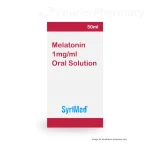
Sleep problems in children with ADHD, autism, or other neurodevelopmental conditions are genuinely difficult. After all, the impact ripples through the whole household — exhausted children, exhausted parents, missed school, behavioural difficulties, and ongoing stress. So melatonin oral solution provides a treatment option that works with the body’s natural sleep biology rather than against it.
For adults, the picture is different. Specifically, melatonin is licensed for jet lag and (in younger adults up to 25) delayed sleep wake phase disorder. For routine adult insomnia, prolonged-release tablets (Circadin) are usually the appropriate licensed option, not the 1mg/ml liquid.
Where melatonin fits in UK sleep management
The UK approach to children’s sleep problems follows a stepped path:
Step 1: Sleep hygiene — consistent bedtime routine, dark room, no screens 1-2 hours before bed, regular wake time, daytime physical activity
Slenyto releases melatonin over several hours, mimicking the natural overnight melatonin pattern
Liquid melatonin acts more quickly and clears faster — useful for sleep onset rather than maintenance
Many specialists try liquid first, then move to Slenyto for children who need overnight sleep maintenance
Melatonin 1mg/ml oral solution vs Adaflex
Adaflex is the licensed immediate-release tablet form:
Adaflex: tablets (1mg, 2mg, 3mg, 4mg, 5mg), licensed for ADHD-related sleep onset insomnia in 6-17 year olds
Melatonin 1mg/ml oral solution: liquid form for the same indication and others
Adaflex tablets can be crushed and dispersed in water if swallowing is difficult
Liquid suits very young children or those with severe swallowing difficulties
Cost considerations sometimes favour Adaflex over the liquid
In short, liquid is reserved for situations where tablets genuinely don’t fit. After all, prescribing the right form matters — both for clinical reasons and for NHS cost considerations.
Melatonin 1mg/ml oral solution vs Circadin
Circadin is the licensed adult melatonin product:
Circadin: prolonged-release tablets (2mg), licensed for short-term primary insomnia in adults aged 55+
Melatonin 1mg/ml oral solution: immediate-release liquid, mainly used in children or for jet lag in adults
Different patient populations and clinical situations
Melatonin oral solution vs other sleep medicines
Compared to other sleep medicines:
Benzodiazepines (diazepam, temazepam): strong sedatives with dependence risk; not used in children for sleep
Z-drugs (zopiclone, zolpidem): adult sleep medicines; not licensed for under-18s
Antihistamines (promethazine, diphenhydramine): cause sedation but with hangover effects and tolerance
Mirtazapine (off-label for sleep): adult use; not first-line in children
Clonidine (off-label): specialist use for some children with severe sleep difficulties
Melatonin: works with natural sleep biology; no dependence risk; the preferred option in children
In short, melatonin is widely preferred as a paediatric sleep medicine because of its safety profile. After all, the alternatives have more significant risks for children’s developing brains.
Who melatonin oral solution suits well
This product may suit:
Children aged 6-17 with ADHD whose sleep onset insomnia hasn’t settled with sleep routines
Children with autism spectrum disorder who have ongoing sleep onset difficulties
Children with neurodevelopmental conditions causing disrupted sleep timing
Young people up to 25 with delayed sleep wake phase disorder
Adults with significant jet lag from travel across multiple time zones
Children who can’t swallow tablets and need a liquid form
People needing flexible, precise dosing (titration from 1mg upwards)
Anyone whose treatment has been initiated and stabilised by a specialist
Who might suit other options better
Other options may work better for:
Adults aged 55+ with primary insomnia — Circadin (prolonged-release) is the licensed option
Children with autism aged 2-18 needing sleep maintenance — Slenyto (prolonged-release) is licensed for this
Children under 6 — safety in this group isn’t established; specialist input essential
People with sleep maintenance problems (waking through the night) rather than sleep onset difficulties
People with untreated obstructive sleep apnoea — needs CPAP or other targeted treatment first
Pregnant or breastfeeding women — melatonin isn’t recommended
People with autoimmune disease — caution applies; specialist input matters
People with epilepsy — melatonin may affect seizure frequency in some
Adults with routine insomnia where sleep hygiene improvements would help more
Courier Pharmacy supply
Melatonin 1mg/ml oral solution is a UK Prescription-Only Medicine (POM). So supply only happens after our UK-qualified prescriber reviews your situation. For paediatric patients, our prescriber will typically need evidence of specialist initiation (paediatrician, CAMHS, sleep clinic) before issuing ongoing supply.
Key features and specs
Active ingredient: melatonin 1mg per 1ml
Form: clear, colourless to slightly yellow oral solution
Pack size: 150ml bottle (specials pack — standard licensed bottles are 100ml)
Includes: oral dosing syringe (typically 10ml with 0.5ml graduations)
Includes: “Press-In” Bottle Adapter (PIBA) for accurate measuring
Age range: children from 6 years and adults (younger children only under specialist supervision)
Typical dose: 1-5mg taken 30-60 minutes before bedtime
Maximum daily dose: 5mg (10mg under specialist guidance for some indications)
Pregnancy: not recommended
Breastfeeding: not recommended
Storage: below 25°C; protect from light; use within 2 months after opening
Legal status: Prescription-Only Medicine (POM)
MOJO WISDOM
Take control of your health by understanding your condition and what this medication is doing for you.
READ:
More information about this treatment.
UK-based doctors and pharmacists
Discreet and Confidential
UK-based doctors and pharmacists
Free, Expert Advice
No video link provided.
No video link provided.
UK-based doctors and pharmacists
Free, expert advice
Discrete and confidential
Fast delivery
Giving you trusted clinical advice for over 40 conditions
A UK regulated pharmacy providing safe, effective treatments online since 2014
Melatonin 1mg/ml Oral Solution 150ml — For Sleep Onset Disorders
Melatonin 1mg/ml oral solution is a UK Prescription-Only Medicine for sleep onset disorders. So it’s commonly prescribed for children and adolescents with ADHD or autism whose sleep doesn’t settle with good sleep routines alone. Adults use it for jet lag and delayed sleep wake phase disorder. The 1mg/ml strength allows flexible dosing for people who can’t swallow tablets — particularly young children. Two licensed brands exist at this strength (Colonis and Ceyesto), and unlicensed specials are also used. Important: paediatric use typically needs specialist initiation, and the timing of each dose matters as much as the dose itself.
At Courier Pharmacy, we believe in treatment that fits the person.
This page covers what melatonin oral solution is, who it’s right for, the timing detail that often gets missed, and how it compares to other sleep options.
Five key takeaways
Melatonin 1mg/ml oral solution is a UK Prescription-Only Medicine (POM). So supply only happens after our UK-qualified prescriber reviews your situation. For children, treatment is usually initiated by a paediatrician, CAMHS, or sleep specialist before our service takes on supply
The active is melatonin — a hormone the body produces naturally to regulate the sleep-wake cycle. So this isn’t a sedative in the traditional sense; it works with the body’s natural sleep biology rather than knocking you out
Common indications include sleep onset insomnia in children 6-17 with ADHD, sleep difficulties in children/adolescents with autism, delayed sleep wake phase disorder (DSWPD) in adolescents and young adults, and jet lag in adults
Timing is critical. So the dose needs to be taken 30-60 minutes before the desired bedtime. Taking it too early can disrupt the sleep cycle, while taking it too late may have little effect or even reverse benefit
Standard licensed brands at this strength come in 100ml bottles (Colonis and Ceyesto). The 150ml pack size is typically supplied as an unlicensed special when a larger quantity is needed for ongoing treatment, particularly for paediatric patients on long-term use
Why choose Courier Pharmacy for melatonin oral solution
At Courier Pharmacy, our approach starts with a simple idea: treatment should fit the person, not force the person to fit the system.
Dr Ada Jex-Cori
Our service is shaped by the philosophy of Dr Ada Jex-Cori, our brand pharmacist.
Dr Ada represents the spirit of the pharmacy: evidence-led, community-rooted, and willing to challenge the one-size-fits-all approach to medicine. She is named in honour of three pioneering women in science: Ada Lovelace, the mathematician and visionary; Sophia Jex-Blake, the first female doctor in the UK who fought the medical establishment; and Gerty Cori, the biochemist and Nobel Prize winner.
In our fictional world of Etherwell, Dr Ada fights against pharma’s standardised approach to medicine. In the real world, she represents what we stand for. Her view is straightforward: you are not broken. The system is. And we are here to change that.
Sleep difficulties deserve serious attention
Children’s sleep problems often get dismissed as parenting issues or behavioural difficulties. Courier Pharmacy is different. So we recognise that:
Children with ADHD or autism often have biological sleep timing differences
Sleep hygiene matters, but it isn’t always enough
The whole family suffers when a child’s sleep is broken
Untreated sleep difficulties affect school, mood, and family functioning
Melatonin can be a meaningful part of the solution, not the whole solution
After all, addressing sleep in these children often improves daytime functioning across the board. So our pharmacist takes paediatric sleep difficulties seriously, not as a minor concern.
Honest framing about specialist initiation
Most paediatric melatonin treatment starts with a specialist, not a GP or online pharmacy. So:
Paediatricians, CAMHS, or sleep specialists usually initiate treatment
They identify the specific sleep pattern (onset issues vs maintenance issues)
They rule out other causes (sleep apnoea, restless legs, behavioural issues, mental health)
They establish the right dose and timing
Online prescribers (including ours) typically take over stable supply rather than starting from scratch
If you don’t yet have specialist input, we’ll suggest seeing your GP for referral first
Sleep difficulties and the bigger picture
Sleep problems often connect to wider patterns. So our pharmacist can discuss:
Sleep in children with autism, ADHD, or neurodevelopmental conditions
The role of sleep hygiene alongside medication
Sensory processing and sleep environment
Anxiety, mood, and sleep onset
Mast cell activation syndrome (MCAS) and sleep disruption
Hormonal changes and sleep (perimenopause, menopause)
Delayed sleep wake phase disorder in teenagers
Restless legs, periodic limb movements, and night-time disturbance
Sometimes the sleep problem is the visible part of a wider story — and that’s worth talking through.
Pharmacist support before and after purchase
Our pharmacist is here to discuss:
Whether melatonin liquid is the right product for your situation
How to use it correctly — particularly the timing detail
The dosing syringe and how to use it accurately
Brand considerations (excipient differences matter for young children)
How to handle the annual treatment break
When to ask for specialist review
This is free and on hand before and after purchase.
Trust earned, not claimed
We are GPhC-regulated, and our content is grounded in the BNF, BNFc (BNF for children), NICE clinical knowledge summaries on insomnia, NHS guidance, and the real experience of families managing paediatric sleep difficulties.
If melatonin oral solution isn’t the right answer for your situation, we’ll tell you honestly. After all, prescribing the right treatment matters more than fulfilling a request.
How to buy melatonin oral solution from Courier Pharmacy
Melatonin 1mg/ml oral solution is a UK Prescription-Only Medicine (POM). So supply needs a prescription, which our prescriber issues after an online consultation.
How our service works
Add the product to your basket and complete the online consultation
The consultation covers your sleep history, prior treatments tried, specialist input (for paediatric use), current medicines, allergies, and relevant medical history
For paediatric patients, you’ll typically need to provide evidence of specialist initiation (paediatrician letter, CAMHS treatment plan, or hospital prescription)
Our UK-qualified prescriber reviews your answers to confirm suitability
Once approved, your prescription is dispensed and sent out in plain, unbranded packaging
Free pharmacist and prescriber support is on hand before and after your purchase
When other options might suit better
If melatonin oral solution isn’t right, we’ll explain why. Other options may include:
Adaflex tablets: licensed immediate-release option if swallowing tablets is possible
Circadin 2mg prolonged-release: licensed for primary insomnia in adults 55+
Slenyto prolonged-release: licensed for autism-related insomnia ages 2-18
Sleep hygiene and behavioural sleep approaches: usually the right first step
GP referral to CAMHS or paediatric sleep specialist: for unassessed paediatric sleep difficulties
Sleep clinic referral: for adults with complex sleep issues
Treatment of obstructive sleep apnoea: if breathing-related sleep disruption is present
Mental health support: where anxiety or low mood is driving sleep difficulty
Our community service
Our free fortnightly drop-in clinics at Insomnia, Derby run every other week from 10am to 12pm.
Healthcare shouldn’t only happen when you’re paying for it. So we show up, even when it’s free.
We cover sleep difficulties, ADHD, autism support, MCAS, CFS, fibromyalgia, dermatology, eczema, allergies, asthma, hair loss, men’s and women’s health, digestive health, weight management, and whatever else people bring through the door. No appointment needed, no charge, no pressure.
Active ingredient
Each 1ml of solution contains:
Melatonin 1mg: a hormone naturally produced by the pineal gland that regulates the sleep-wake cycle
Why melatonin
Melatonin is unusual among sleep medicines. So it's worth understanding what makes it different:
It's a natural hormone, not a synthetic drug — the molecule given as medicine is identical to the body's own melatonin
It works through specific MT1 and MT2 receptors in the brain (mainly in the suprachiasmatic nucleus, the body's master clock)
It signals "time to sleep" rather than forcing sleep through brain-wide sedation
It doesn't cause the cognitive effects, dependence, or rebound insomnia of benzodiazepines (Diazepam, Temazepam) or Z-drugs (Zolpidem, Zopiclone)
Tolerance and addiction haven't been demonstrated with regular use
Particularly useful in children where stronger sedatives aren't appropriate
In short, melatonin is the body's natural sleep signal in medicine form. After all, the goal is to support a more typical sleep pattern, not override the body's natural sleep biology.
Why the 1mg/ml liquid form
Liquid form has specific advantages:
Allows precise dosing in small increments (1mg, 1.5mg, 2mg, 2.5mg) — particularly important for paediatric titration
Suits young children who can't swallow tablets
Suits people with neurodevelopmental conditions who struggle with tablets
Suits people using feeding tubes (although check brand suitability — propylene glycol-containing brands need caution)
Faster absorption than prolonged-release tablets
Easier to start at a low dose and increase gradually
Licensed brands at 1mg/ml
Two licensed UK brands exist at this strength:
Colonis Melatonin 1mg/ml: licensed for ADHD-related sleep onset insomnia in 6-17 year olds; contains propylene glycol (not recommended under 6 years)
Ceyesto 1mg/ml (Alturix): broader licensed indications including DSWPD in 6-25 year olds, autism-related sleep difficulties, and short-term sedation for diagnostic procedures; uses a different excipient profile
In addition, unlicensed specials brands exist (KidMel, Martindale, others) for situations where a specific formulation or pack size is needed. So our prescriber will recommend the brand that fits your clinical situation.
Why the 150ml pack size
Standard licensed bottles are 100ml. So the 150ml format is typically supplied through a UK specials manufacturer for situations needing more than the standard bottle:
Long-term paediatric treatment where prescriptions cover several weeks at a time
Reducing repeat-prescription frequency for stable patients
Lower per-millilitre cost in larger packs
Higher daily doses where 100ml runs out quickly
Importantly, 150ml supplies are usually unlicensed specials. After all, the standard licensed pack is 100ml, and larger sizes are pharmacist-compounded under a Manufacturer's Specials Licence.
Other ingredients
Ingredients vary by brand. For example, Ceyesto 1mg/ml contains:
Methyl parahydroxybenzoate (E218) — preservative
Potassium sorbate (E202) — preservative
Hydrochloric acid (E507) — pH adjuster
Glycerol (E422) — solvent
Purified water
Colonis contains different excipients including sorbitol and propylene glycol. So the brand matters when it comes to excipient considerations — particularly for young children, where propylene glycol intake is restricted. Our prescriber and pharmacist will discuss which brand fits.
Maker
Licensed melatonin 1mg/ml is made by Colonis Pharma Ltd or Alturix Limited (Ceyesto). Unlicensed specials may be compounded by various UK specials manufacturers, including Special Products Ltd, Quantum Pharmaceutical, and others, all operating under MHRA Manufacturer's Specials Licences. Our prescription will specify the brand or specials supplier where this matters.
What is melatonin oral solution for?
Melatonin oral solution is for specific sleep onset disorders — that is, difficulty falling asleep at the appropriate time, rather than waking too early or struggling to stay asleep. So it's particularly useful where the body's natural day-night rhythm isn't working as expected, or where sleep timing has drifted out of step with normal life.
Who is it for?
Common situations where melatonin oral solution is prescribed:
Children and adolescents aged 6-17 with ADHD where sleep onset insomnia persists despite good sleep routines
Children with autism spectrum disorder (ASD) who have ongoing sleep difficulties
Children and young adults (up to 25) with delayed sleep wake phase disorder
Adults with jet lag from significant time zone changes
Children needing sedation for diagnostic procedures (EEG, MRI) under hospital supervision
Young children who can't swallow tablets and need a liquid form
What does it do?
Melatonin signals to the brain that it's time to sleep. So during normal night-time, the pineal gland in the brain naturally releases melatonin as light levels drop. This melatonin binds to receptors in the brain that promote sleep onset and shift the body clock. Taking melatonin as a medicine adds to or replaces this natural signal, particularly useful when the body's own melatonin timing is out of sync.
What it doesn't do
Melatonin doesn't "knock you out" the way sedatives do. So it doesn't typically cause heavy sedation, hangover effects, or dependence. It also doesn't help you stay asleep through the night — its main effect is on falling asleep. In addition, melatonin isn't designed for treating depression, anxiety, or chronic insomnia without a clear sleep timing issue. It also isn't a cure for ADHD, autism, or any underlying condition affecting sleep.
How melatonin works
Melatonin works through specific receptors in the brain that control the body's sleep-wake cycle. So the mechanism is biological rather than pharmacological in the traditional sleeping pill sense.
The circadian rhythm mechanism
Your body has a master clock in the brain called the suprachiasmatic nucleus (SCN). Specifically:
The SCN runs on roughly a 24-hour cycle (the circadian rhythm)
Light entering the eyes signals the SCN that it's daytime, suppressing melatonin release
As darkness falls, the SCN signals the pineal gland to start releasing melatonin
Melatonin levels rise through the evening, signalling "time to sleep"
Levels peak in the middle of the night, then fall as morning approaches
This natural rhythm coordinates with the sleep-wake cycle
Taking melatonin as a medicine adds to this natural signal — particularly useful when the natural signal isn't strong enough or isn't timed correctly.
Why timing matters so much
This is the single most important practical point with melatonin. So:
Taken 30-60 minutes before desired bedtime: shifts sleep onset earlier
Taken at the right time, melatonin reinforces the natural sleep signal
Taken too early in the evening: can actually delay sleep onset
Taken too late: may have little effect
Taken in the morning: can disrupt circadian rhythm and worsen sleep
Consistency matters — same time each night helps reset the body clock
After all, melatonin works as a timing signal, not a sedative. So the time you take it is as important as the dose itself.
Why melatonin suits children with ADHD or autism
Specific biology helps explain this:
Children with ADHD often have delayed melatonin onset (their evening melatonin rise starts later)
Children with autism may have lower overall melatonin levels and altered timing
Adding melatonin earlier than the body's natural release can advance sleep onset
This addresses the biological sleep issue, not just the behavioural one
It's why sleep hygiene alone often isn't enough in these children
Why melatonin works for jet lag
Jet lag is essentially a circadian rhythm mismatch:
Your body clock is set to your home time zone
Travel suddenly puts you in a different light-dark cycle
The body clock takes days to adjust naturally
Taking melatonin at the new local bedtime helps shift the body clock faster
Most useful for eastward travel (where you need to fall asleep earlier than your body wants)
Less useful for westward travel (where you need to stay awake longer)
How to use melatonin oral solution
This summary is for reference only. The definitive guide is the patient information leaflet supplied with your dispensed product. So if anything isn't clear, contact our pharmacist or prescriber.
Standard application — paediatric ADHD-related sleep onset insomnia
For children aged 6-17 with ADHD:
Starting dose: 1-2mg (1-2ml), 30-60 minutes before bedtime
If no improvement after 1-2 weeks, the dose can be increased by 1mg (1ml) each week
Maximum daily dose: 5mg (5ml)
Find the lowest effective dose and stick with it
Review treatment effect after 3 months — stop if no benefit
Regular review every 6 months while continuing
Annual treatment break to assess whether melatonin is still needed
Adult use — jet lag
For jet lag in adults:
Standard dose: 3mg daily for up to 5 days
Increase to 6mg if 3mg doesn't help
Take first dose at habitual bedtime on arrival at destination
Don't take before 20:00 or after 04:00 local time at destination
Maximum: 16 treatment periods per year
Using the dosing syringe
Precise dosing matters with this liquid:
Open the bottle and insert the Press-In Bottle Adapter (PIBA) on first use
Insert the dosing syringe into the bottle adapter
Turn the bottle upside down
Pull the plunger back to draw up the required dose
Each 1ml mark on the syringe equals 1mg of melatonin
Turn the bottle the right way up
Remove the syringe
Squirt the dose directly into the mouth, or into a small amount of water
Rinse the syringe with clean water after use
Important timing rules
Get this right or the treatment won't work:
Take 30-60 minutes before desired bedtime — not before
Take at the same time each night for consistency
Don't take with food — fatty meals may slow absorption
Don't take with alcohol — alcohol disrupts sleep and reduces melatonin's effect
Don't take if you'll be exposed to bright light (TV, phones, tablets) for the next 30 minutes — light suppresses melatonin's action
Don't change the timing without prescriber advice
What if you miss a dose?
Skip it. So:
Don't take a missed dose later in the night — it can disrupt circadian rhythm
Don't take it in the morning to "catch up"
Just resume the normal schedule the following night
One missed dose won't undo accumulated benefit
Stopping treatment
Stopping is generally straightforward:
No tapering or gradual reduction needed
Annual treatment breaks are recommended to assess ongoing need
Sleep difficulties may return after stopping — this is normal
Some people use melatonin for years; others use it for shorter periods
Discuss long-term use with prescriber periodically
Food, drink, and lifestyle
Several factors affect how well melatonin works:
Avoid alcohol — it disrupts sleep and reduces melatonin's effect
Avoid caffeine in the late afternoon and evening
Reduce screen time and bright light 1-2 hours before bedtime
Maintain consistent sleep and wake times, including at weekends
Keep a sleep diary if your prescriber requests one
Storage
Store below 25°C
Keep in the original package to protect from light
Use within 2 months of opening
Replace the cap securely after use
Keep out of sight and reach of children
Don't use after the expiry date
Warnings and precautions
Don't use melatonin oral solution if you
Don't use melatonin if you:
Have a known allergy to melatonin or any other ingredient
Are pregnant — melatonin crosses the placenta and pregnancy safety isn't established
Are breastfeeding — melatonin is excreted in breast milk
Are a woman of childbearing potential not using effective contraception
Use with care if you
Talk to our prescriber before using if you:
Have an autoimmune disease (rheumatoid arthritis, lupus, multiple sclerosis) — melatonin may affect immune function
Have epilepsy or a history of seizures — melatonin may affect seizure frequency in some people
Have asthma — limited data; specialist guidance may be needed
Have severe liver problems — clearance is reduced and effects may be prolonged
Have kidney problems — limited data on use in significant renal impairment
Take fluvoxamine (an SSRI antidepressant) — significantly raises melatonin levels
Take warfarin or other anticoagulants — melatonin may potentiate effects
Take diabetes medicines — melatonin may affect blood glucose
Are a smoker — smoking reduces melatonin levels
Obstructive sleep apnoea
Important consideration:
If sleep problems include loud snoring, gasping, or breathing pauses during sleep, this could be obstructive sleep apnoea
OSA needs targeted treatment (CPAP, weight loss, surgery) rather than melatonin
Melatonin in untreated OSA can mask the underlying problem
Our prescriber will ask about snoring and breathing pauses to screen for OSA
Driving and machinery
Melatonin may cause drowsiness, especially in the hours after dosing:
Don't drive immediately after taking melatonin
Avoid driving and operating machinery within several hours of taking the dose
This typically isn't an issue since melatonin is taken before bed
If morning drowsiness persists, talk to your prescriber
Use in children
Specific considerations:
Not licensed for under-6s; specialist input essential if used in this age group
Some brands (Colonis, propylene glycol-containing) aren't suitable for very young children
Specialist initiation usually required (paediatrician, CAMHS, sleep clinic)
Regular review every 3-6 months while on treatment
Annual treatment break to reassess need
Sleep hygiene measures should continue alongside medication
Use in older adults
Older adults can use melatonin with some considerations:
Natural melatonin levels decline with age, which may explain why older adults sometimes have sleep difficulties
Circadin (prolonged-release) is the licensed option for adults 55+ with primary insomnia
The liquid form is less common in older adults — usually reserved for those who can't swallow tablets
Drug interactions matter more in older adults on multiple medicines
Use in pregnancy and breastfeeding
Not recommended:
Pregnancy: melatonin crosses the placenta; the risk to the unborn child isn't fully known
Breastfeeding: melatonin is excreted in breast milk; the risk to the breastfeeding child can't be excluded
If you become pregnant during melatonin treatment, stop and contact your prescriber
Women of childbearing potential should use effective contraception during treatment
Side effects
Melatonin is generally well-tolerated. So most people don't experience significant side effects. When they do happen, they're usually mild and self-limiting.
Common side effects
Drowsiness or sleepiness during the day
Headache
Dizziness
Nausea
Less common side effects
Vivid dreams or nightmares
Irritability or mood changes
Increased sweating
Stomach upset or abdominal pain
Skin rash
Hyperactivity or restlessness (especially in children)
Rare but serious side effects
Severe allergic reactions (swelling of face, lips, tongue, throat; breathing difficulty) — medical emergency
Significant mood changes including depression
Increased seizure frequency in those with epilepsy
Worsening of autoimmune disease symptoms
Stop and seek urgent medical advice if
You develop signs of severe allergic reaction
New seizures occur or seizure frequency increases
Significant mood changes develop
Autoimmune disease symptoms worsen
Severe persistent headache or visual changes develop
Yellow Card reporting
If you notice any side effects, please report them through the MHRA Yellow Card scheme at https://yellowcard.mhra.gov.uk/, or talk to our pharmacist.
Drug interactions
Several medicines can interact with melatonin. So our prescriber will review your medicines list before issuing a prescription.
Important interactions
Tell our prescriber if you take:
Fluvoxamine — strongly raises melatonin levels (combination usually avoided)
Psoralens (for psoriasis treatment) — may raise melatonin levels
Cimetidine (for stomach ulcers) — may raise melatonin levels
Oestrogens (in contraceptives or HRT) — may raise melatonin levels
Quinolone antibiotics (ciprofloxacin, levofloxacin) — may raise melatonin levels
Warfarin and other anticoagulants — melatonin may potentiate effects
Benzodiazepines and Z-drugs (sleeping pills) — additive sedation
Antidepressants — various interactions possible
Sodium valproate and other GABA-related antiepileptics — may reduce melatonin levels
Less significant considerations
Generally less concerning but worth flagging:
Caffeine — reduces melatonin effect; avoid in evening
Alcohol — disrupts sleep and reduces melatonin's benefit
Nicotine — reduces melatonin levels
Calcium channel blockers (nifedipine) — melatonin may reduce effectiveness
Frequently asked questions
Is melatonin available over the counter in the UK?
Generally no, although some changes have happened. So:
Melatonin is classified as a medicine in the UK, not a food supplement (unlike the US)
Most melatonin products are POM (prescription-only)
Some specific low-dose products may be available with pharmacist consultation
Most clinical use still requires prescription
The 1mg/ml oral solution is POM-only
How quickly does it work?
Melatonin builds up effect over days to weeks:
First doses: some sleep onset benefit possible within 30-60 minutes
Week 1: timing effect starts to establish
Weeks 2-4: full benefit becomes apparent
If no improvement after 4-6 weeks, talk to your prescriber
Why does timing matter so much?
Because melatonin is a timing signal, not a sedative:
Taken at the right time, it reinforces the natural sleep signal
Taken too early, it can confuse the body clock
Taken too late, it has little effect
30-60 minutes before bedtime is the standard timing
Same time every night helps establish a consistent rhythm
My child can't swallow tablets — is liquid the only option?
Not necessarily. So consider:
Adaflex tablets can be crushed and dispersed in water — this is a licensed use
Crushed Adaflex is often more cost-effective than liquid
Liquid is reserved for children who can't tolerate any tablet form
Discuss with your prescriber which form best fits your child
Are there differences between brands?
Yes — particularly in excipients:
Colonis: contains propylene glycol, not recommended for under-6s
Ceyesto: different excipient profile, more flexible across age groups
Unlicensed specials (KidMel, Martindale): various formulations
Always specify brand on prescription for safety
Don't switch brands without prescriber advice
Will my child become dependent on melatonin?
No. Specifically:
Tolerance hasn't been demonstrated with melatonin
Dependence hasn't been demonstrated either
This is one of the main reasons melatonin is preferred over benzodiazepines in children
Sleep difficulties may return after stopping — but this reflects the underlying issue, not withdrawal
Can I drink alcohol with melatonin?
Avoid alcohol while taking melatonin. So:
Alcohol disrupts the sleep cycle
Reduces melatonin's effect on sleep onset
Can worsen morning grogginess if used together
This is one of the main reasons for the recommendation to avoid alcohol during melatonin treatment
How long should my child take melatonin?
As long as it's helping and being prescribed:
Review every 3-6 months while on treatment
Annual treatment break to assess ongoing need
Some children use it for years; others use it for shorter periods
Children may grow out of needing melatonin as they mature
Decision to continue or stop is individual and ongoing
Can adults use this 1mg/ml liquid for routine insomnia?
Usually not. So:
For adults 55+ with primary insomnia, Circadin 2mg prolonged-release is the licensed option
For routine adult insomnia outside this age group, melatonin isn't first-line
The 1mg/ml liquid is mainly for paediatric use, jet lag, or DSWPD
Sleep hygiene and behavioural changes usually suit routine adult insomnia better
Is melatonin safe long-term?
Available evidence supports reasonable long-term safety:
Clinical use in children with ADHD/ASD has been ongoing for many years
Tolerance and dependence haven't been demonstrated
Long-term safety data extends to several years
Some open questions about effects on puberty in children
Regular review supports ongoing safety assessment
What if my child has a bad reaction?
Stop treatment and contact our prescriber or GP. Specifically:
Mild side effects (headache, drowsiness, nausea) often settle with continued use or dose reduction
Significant mood changes or behaviour issues warrant prescriber review
Allergic reactions need urgent medical attention
Seizure issues in epileptic children need immediate specialist input
Can I give melatonin to my baby?
No — melatonin isn't licensed for under-6s, and safety in this age group isn't established. So if your baby or young child has sleep difficulties, see a health visitor or GP for assessment. Many baby and toddler sleep issues respond to behavioural approaches rather than medication.
Can I use it for jet lag without a prescription?
No — UK melatonin remains POM. So you need a prescription even for short-term jet lag use. Our online service can provide rapid prescriber consultation for adults travelling internationally. After all, the alternative is unlicensed melatonin from overseas, which has quality concerns.
How should I store it?
Storage:
Below 25°C
Keep in original package to protect from light
Use within 2 months of opening
Replace cap securely after use
Keep out of sight and reach of children
Don't share between household members
How do I order from Courier Pharmacy?
Add melatonin oral solution to your basket on courierpharmacy.co.uk and complete the online consultation. For paediatric use, our prescriber will need evidence of specialist initiation. Your order goes out in plain, unbranded packaging.
More than a prescription: our community
Healthcare shouldn't only happen when you're paying for it.
Every fortnight we run free drop-in talks and clinics at Insomnia, Derby, from 10am to 12pm. So we show up, even when it's free.
Bring a question, bring a friend, bring a stack of bewildering letters from another clinic. We'll sit with you.
We cover sleep difficulties, ADHD, autism support, MCAS, CFS, fibromyalgia, dermatology, eczema, allergies, asthma, hair loss, men's and women's health, digestive health, weight management, and whatever else people bring through the door. No appointment. No cost. No pressure. Just real support and treatment that fits.
This article is for information only and isn't a substitute for personal medical advice. Always speak to a qualified prescriber before starting or changing treatment. Paediatric melatonin use typically requires specialist initiation by a paediatrician, CAMHS, or sleep specialist before ongoing supply from online services.
How this content was created
Written by the Courier Pharmacy editorial team and reviewed by a GPhC-registered pharmacist.
The content is grounded in the EMC Summaries of Product Characteristics for Colonis and Ceyesto melatonin 1mg/ml oral solutions, the BNF for Children (BNFc), NICE Clinical Knowledge Summary on insomnia, NHS guidance, and various UK NHS shared care protocols for paediatric melatonin use. In addition, it draws on the real questions families bring to our drop-in clinics in Derby.