Vaginal dryness
Is vaginal dryness causing soreness, itching, or discomfort during sex? Take control with our personalised range of treatments.
Moisturisers and lubricants for everyday comfort and easier, more comfortable intimacy.
Vaginal oestrogen creams, pessaries, and tablets to restore the tissue where dryness is linked to the menopause, assessed by a prescriber where needed.
Find the right vaginal dryness treatment for you
View All Products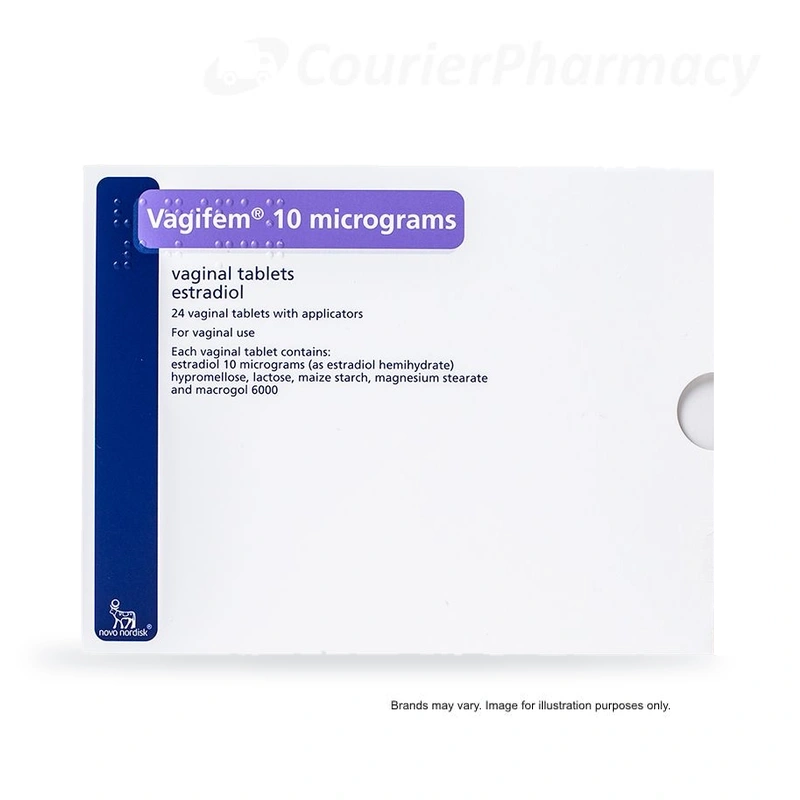

What you should know about vaginal dryness treatments
It’s common with age, but that doesn’t mean you have to put up with it. As the NHS explains, vaginal dryness is very treatable at any age. Unlike some menopause symptoms that fade over time, dryness tends to persist or worsen without treatment, so getting help is worthwhile rather than simply waiting it out.
It depends on the cause. For everyday comfort, regular vaginal moisturisers help, with lubricants for sex. For menopause-related dryness, NICE recommends vaginal oestrogen, which is very effective and comes in several forms. Many women use a combination, and a pharmacist can help you find the right mix for you.
They do different jobs. A vaginal moisturiser is used regularly to rehydrate the tissue and keep it comfortable day to day. A lubricant is used during sex to reduce friction and discomfort. As menopause guidance notes, the two work well together, and water-based lubricants tend to be the gentlest, especially if you’re prone to thrush.
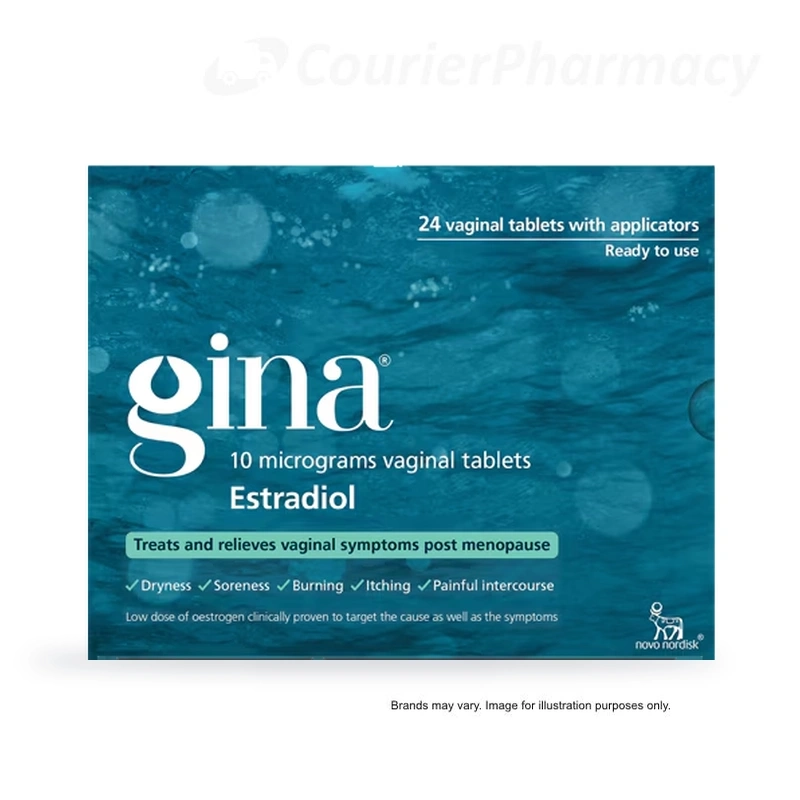
Sometimes, yes. As the NHS confirms, the brands Gina, a vaginal tablet, and Ovesse, a cream, can now be bought from a pharmacy after a suitability check. Gina is for postmenopausal women aged 50 and over who haven’t had a period for at least a year. Otherwise, a prescriber can help, which we can arrange online.
For most women, yes. As the NHS explains, vaginal oestrogen works mainly where it’s applied, with very little reaching the rest of the body. That means it doesn’t carry the same considerations as systemic HRT, and you don’t need a progestogen alongside it. A prescriber or pharmacist will check it’s suitable for you first.
Absolutely. While it’s most common around the menopause, vaginal dryness affects younger women too. As the NHS notes, causes include breastfeeding, certain contraceptives and medications, some medical conditions like Sjögren’s syndrome, and cancer treatments. If you’re affected, it’s worth getting advice whatever your age.
See a doctor if you have any bleeding after the menopause, bleeding after sex, an unusual or smelly discharge, a lump or persistent skin change on the vulva, or symptoms that don’t improve with treatment. As menopause guidance notes, these can signal other conditions, so they deserve a proper check. It’s a sensible step, not an alarming one.
Discreetly and personally. We can assess your suitability for vaginal oestrogen online and supply it where appropriate, offer moisturisers, lubricants, and compounded options for sensitive skin, and arrange blood tests where useful. Our pharmacists are here for judgement-free advice. It starts with a private chat or a quick online consultation.
Additional information
Vaginal dryness
Vaginal dryness is one of the most common things women experience, and one of the least talked about. If sex has become uncomfortable, or you feel sore, itchy, or irritated day to day, you’re far from alone, and you don’t have to just put up with it. At Courier Pharmacy, we believe healthcare should fit the person, not force the person to fit the system. So we build support around you, with discreet, personalised treatment, honest guidance from real pharmacists, a community that gets it, and care you can trust. Women’s health is taken seriously, the way it should be. Dryness, soreness, or discomfort during sex? We can help you treat vaginal dryness.
Five key takeaways
- Vaginal dryness is very common and very treatable. As the NHS explains, it affects women of all ages and is nothing to be embarrassed about.
- It’s often linked to oestrogen. Falling oestrogen around the menopause is the most common cause, though it isn’t the only one, as NICE guidance describes.
- It tends to persist without treatment. Unlike hot flushes, the genitourinary changes behind dryness usually continue rather than settling on their own, as the menopause literature notes.
- There’s a treatment for everyone. Moisturisers, lubricants, and vaginal oestrogen all help, and they can be used alone or together, as NICE recommends.
- You no longer always need a prescription. As the NHS confirms, some vaginal oestrogen is now available directly from pharmacies after a quick check.
How Courier Pharmacy helps with vaginal dryness
- Online consultations for vaginal oestrogen, reviewed by a prescriber where suitable
- Vaginal moisturisers and lubricants, with guidance on what suits you
- Personalised and compounded options for sensitive or reactive skin
- Blood tests to help understand your hormones where useful
- Discreet, convenient delivery to your door
- Free fortnightly drop-in clinics in Derby, with no cost and no pressure

What you should know about vaginal dryness treatments
Good care for vaginal dryness follows a simple, sensible path. First, understand the cause, because it shapes the best treatment. Second, ease off anything that’s irritating the area, like perfumed soaps. Third, use treatments that genuinely have evidence behind them, from moisturisers to vaginal oestrogen. Fourth, tailor that plan to you and review it over time.
This is the approach the NHS and NICE take, and the one we support at Courier Pharmacy. As NICE guideline on the menopause makes clear, effective treatments exist for every level of symptom, and they work best when matched to you. The goal isn’t to grit your teeth and cope. It’s comfort, confidence, and feeling like yourself again.
Vaginal dryness overview
Vaginal dryness happens when the tissues of the vagina and vulva lose their natural moisture and become thinner and less supple. As the NHS describes, it’s a common symptom that can cause soreness, itching, and discomfort, particularly during sex.
The impact reaches well beyond the physical. Dryness can affect intimacy, confidence, and relationships, and many women quietly assume it’s just something to live with. It isn’t. As the menopause literature notes, these changes can have a real effect on quality of life, which is exactly why they deserve proper attention rather than silence.
When dryness is linked to falling oestrogen, doctors often group it under the term genitourinary syndrome of the menopause, or GSM. As the peer-reviewed overview by Angelou and colleagues explains, this covers a range of vaginal and urinary symptoms caused by lower oestrogen. Importantly, unlike hot flushes, these symptoms tend to persist or worsen over time without treatment.
Why does this matter? Because vaginal dryness is common, treatable, and far too often suffered in silence. With the right approach, most women get real relief. The first step is simply knowing that help exists, and that asking for it is completely normal.

What is vaginal dryness?
Vaginal dryness is a lack of the natural lubrication that normally keeps the vagina and vulva comfortable. As the NHS explains, it can affect women at any age, though it’s most common around and after the menopause.
Common symptoms include:
- Soreness, itching, or burning around the vagina and vulva
- Discomfort or pain during sex, known medically as dyspareunia
- A feeling of tightness or lack of lubrication
- Light bleeding or spotting after sex
- Needing to urinate more often, or recurrent urinary infections
- General irritation that makes daily activities uncomfortable
As the menopause literature notes, these symptoms often come together because the same tissues, including the vagina, vulva, and urinary tract, all rely on oestrogen to stay healthy.

How common is vaginal dryness?
Vaginal dryness is one of the most common symptoms women experience, especially during and after the menopause. The peer-reviewed overview by Angelou and colleagues reports that a large majority of menopausal women have symptoms of genitourinary syndrome of the menopause, with dryness among the most frequent.
It’s common at other life stages too, just less talked about. As NICE notes, even some women using systemic HRT still get genitourinary symptoms. Add in causes like breastfeeding, certain medications, and some medical conditions, and it’s clear that vaginal dryness touches a huge number of women across their lives. If it’s affecting you, you’re in very large company.
What causes vaginal dryness?
There’s often a clear cause, and finding it guides treatment. The NHS and NICE describe several common ones.
Menopause and perimenopause
This is the most common cause. As oestrogen falls during the menopause transition, the vaginal tissues thin and produce less moisture, as NICE describes. This is why dryness so often appears in your 40s and 50s and beyond.
Breastfeeding and after childbirth
Oestrogen levels dip while breastfeeding, which can cause temporary dryness. As the NHS notes, this usually improves once breastfeeding stops and hormone levels recover.
Contraception and medications
Some contraceptives and medicines can contribute, including certain pills, antihistamines, decongestants, and some antidepressants. If dryness started after a new medicine, it’s worth raising with a pharmacist rather than stopping it yourself.
Cancer treatment
Treatments that lower oestrogen, including some breast cancer therapies and chemotherapy, commonly cause dryness. As the menopause literature notes, these women need carefully chosen options, often non-hormonal ones, ideally with specialist input.
Medical conditions
Conditions such as Sjögren’s syndrome, which affects the body’s moisture-producing glands, can cause dryness. Certain skin conditions of the vulva can also cause similar symptoms, which is one reason a proper look matters.
Lifestyle and irritants
Perfumed soaps, washes, and douches can strip natural moisture and irritate sensitive skin. Smoking and lack of arousal during sex can play a part too. Small changes here often help.
What happens in the body with vaginal dryness?
Oestrogen is what keeps vaginal and vulval tissues thick, elastic, and well lubricated. As the menopause literature explains, when oestrogen falls, the lining thins, produces less moisture, and becomes more fragile. The natural acidity of the vagina also changes, which can make irritation and infections more likely.
This is why dryness rarely travels alone. The same hormonal shift can affect the bladder and urethra, leading to urinary symptoms and recurrent infections, as the peer-reviewed overview by Angelou and colleagues describes. It’s all part of the same picture.
It also explains how treatments work. Moisturisers and lubricants add moisture from the outside, while vaginal oestrogen restores the tissue itself by topping up the hormone locally. Crucially, as the NHS notes, vaginal oestrogen works mainly where it’s applied, with very little reaching the rest of the body.
When to see a doctor
Most vaginal dryness is straightforward, but a few symptoms always need checking, because they can point to something other than dryness. This advice reflects NHS guidance and the pharmacy safety checks used for vaginal oestrogen.
See a doctor promptly if you have:
- Any vaginal bleeding after the menopause, or bleeding between periods
- Bleeding after sex that’s new or unexplained
- An unusual or smelly discharge
- A lump, sore, or persistent skin change on the vulva
- Symptoms that don’t improve with treatment, or keep coming back
As the menopause literature notes, some conditions can mimic dryness, so these signs deserve a proper assessment. Getting checked is sensible, not alarmist, and usually brings reassurance.
Treating vaginal dryness: current options
The good news is that there’s a lot that helps, and most women find real relief. NICE guideline NG23 supports a range of options, used alone or together.
Vaginal moisturisers
These are a first-line option for everyday comfort. Used regularly, not just before sex, they rehydrate the tissue and keep it comfortable over time. As menopause guidance notes, they suit women who prefer a non-hormonal approach, and they can be combined with other treatments.
Lubricants
Lubricants are designed for use during sex to reduce friction and discomfort. Water-based ones tend to be the least irritating and are a good choice if you’re prone to thrush. They work well alongside moisturisers, which do the longer-term job.
Vaginal oestrogen
For dryness linked to the menopause, vaginal oestrogen is highly effective. As NICE recommends, it can be offered to anyone with genitourinary menopause symptoms, including those already on systemic HRT. It comes as a cream, gel, pessary, tablet, or ring. As the NHS explains, only a little is absorbed into the body, so it doesn’t carry the same considerations as tablets or patches, and you don’t need to take a progestogen alongside it.
Getting vaginal oestrogen: pharmacy and prescription options
Access has improved. As the NHS confirms, most vaginal oestrogen is prescription-only, but the brands Gina, a vaginal tablet, and Ovesse, a vaginal cream, can now be bought from a pharmacy after a short suitability check. Following the MHRA reclassification, Gina is available to postmenopausal women aged 50 and over who haven’t had a period for at least a year. For everyone else, a prescriber can help, which is something we can arrange online.

Other treatments
If those aren’t enough or aren’t suitable, other options exist. As NICE and menopause guidance describe, these include vaginal DHEA (prasterone), the oral medicine ospemifene, and systemic HRT for women who also have other menopause symptoms. The right choice depends on your symptoms, health, and preferences.
Options if you can’t use oestrogen
Not everyone can use hormones, including some women who’ve had hormone-sensitive cancers. As menopause guidance notes, regular vaginal moisturisers and lubricants can still provide good relief, ideally with input from your specialist where relevant.
Lifestyle and self-care
Small changes help. Switching to plain water or gentle, unperfumed products for washing, avoiding douches, and stopping smoking all support healthier tissue. These sit alongside treatment rather than replacing it.

Patient experiences and challenges
If you’ve ever felt too embarrassed to mention vaginal dryness, even to a doctor, you’re not alone. It’s one of the most under-reported symptoms we come across. Many women tell us they assumed it was just an inevitable part of ageing and quietly accepted it.
Others describe the strain it can put on intimacy and confidence, or the frustration of trying product after product without the right guidance. As the peer-reviewed overview by Angelou and colleagues highlights, dryness can significantly affect quality of life, yet it remains widely undertreated, often simply because it isn’t discussed.
Here’s what we want you to hear. You’re not making a fuss, and you’re not past caring about comfort or intimacy. Vaginal dryness is common, treatable, and absolutely worth addressing. You’re the one living in your body, and you get to decide what feeling comfortable looks like. Our job is to make getting help easy and discreet.
Innovative and new treatments for vaginal dryness
Care for vaginal dryness keeps improving, and access is getting easier too. As always, we’d weigh the evidence over the hype.
The biggest recent shift is access itself. As the NHS confirms, vaginal oestrogen is now available from pharmacies for the first time, which removes a major barrier for many women. Vaginal DHEA offers another option, and personalised, compounded preparations can help women who react to certain ingredients. Vaginal laser treatments are being studied, though the menopause literature notes more research is needed before they become routine.
At Courier Pharmacy, our role here is honest guidance. We’ll help you understand which options genuinely fit your situation, so you can choose calmly and confidently rather than guess.
Looking to the future: research and hope
The direction of travel is encouraging. Wider conversations about the menopause, easier access to treatment, and growing research are all helping women get the support they deserve. The peer-reviewed literature points to a future with more options and more personalised care.
There’s every reason for optimism. Vaginal dryness is common, well understood, and very treatable, and the stigma around it is slowly lifting. We won’t pretend one product suits everyone. What we will say is that, with the right plan, the large majority of women get genuine, lasting relief.
How Courier Pharmacy helps with vaginal dryness
We started Courier Pharmacy because too many people, and especially women, feel dismissed or rushed. Vaginal dryness is a perfect example. Your body, your history, and your preferences are unique, so your treatment should be too. That personalisation is the first of our four pillars, and it’s why we offer everything from moisturisers to compounded options for sensitive skin.
The other pillars carry it through. Guidance means our pharmacists can talk you through your options discreetly, help you choose, and check anything won’t clash with your other medicines. Trust means we’re a UK-regulated pharmacy, and where vaginal oestrogen is suitable, it’s assessed properly through an online consultation. Community means we show up for people, even when there’s nothing to buy, and we treat women’s health as the priority it is.
That spirit has a face in Dr Ada Jex-Cori, the voice of our approach, whose message is simple: you’re not broken, and you deserve healthcare that fits your life. With vaginal dryness, that means discreet, judgement-free support and treatment that actually works. Women’s health, taken seriously, and care that fits you.

Frequently asked questions about vaginal dryness
Is vaginal dryness just a normal part of getting older?
It’s common with age, but that doesn’t mean you have to put up with it. As the NHS explains, vaginal dryness is very treatable at any age. Unlike some menopause symptoms that fade, dryness tends to persist without treatment, so getting help is worthwhile rather than simply waiting it out.
What’s the best treatment for vaginal dryness?
It depends on the cause. For everyday comfort, regular vaginal moisturisers help, with lubricants for sex. For menopause-related dryness, NICE recommends vaginal oestrogen, which is very effective and comes in several forms. Many women use a combination. A pharmacist can help you find the right mix for you.
What’s the difference between a moisturiser and a lubricant?
They do different jobs. A vaginal moisturiser is used regularly to rehydrate the tissue and keep it comfortable day to day. A lubricant is used during sex to reduce friction and discomfort. As menopause guidance notes, the two work well together, and water-based lubricants tend to be the gentlest.
Can I buy vaginal oestrogen without a prescription?
Sometimes, yes. As the NHS confirms, the brands Gina, a vaginal tablet, and Ovesse, a cream, can be bought from a pharmacy after a suitability check. Gina is for postmenopausal women aged 50 and over who haven’t had a period for at least a year. Otherwise, a prescriber can help, which we can arrange online.
Is vaginal oestrogen safe?
For most women, yes. As the NHS explains, vaginal oestrogen works mainly where it’s applied, with very little reaching the rest of the body, so it doesn’t carry the same considerations as systemic HRT, and you don’t need a progestogen alongside it. A prescriber or pharmacist will check it’s suitable for you first.
Can younger women get vaginal dryness?
Absolutely. While it’s most common around the menopause, vaginal dryness affects younger women too. As the NHS notes, causes include breastfeeding, certain contraceptives and medications, some medical conditions, and cancer treatments. If you’re affected, it’s worth getting advice whatever your age.
When should I see a doctor about vaginal dryness?
See a doctor if you have any bleeding after the menopause, bleeding after sex, an unusual discharge, a lump or persistent skin change, or symptoms that don’t improve with treatment. As menopause guidance notes, these can signal other conditions, so they deserve a proper check. It’s a sensible step, not an alarming one.
How can Courier Pharmacy help with vaginal dryness?
Discreetly and personally. We can assess your suitability for vaginal oestrogen online and supply it where appropriate, offer moisturisers, lubricants, and compounded options, and arrange blood tests where useful. Our pharmacists are here for judgement-free advice. It starts with a private chat or a quick online consultation.
More than a condition: our community
Talking about intimate health can feel daunting, especially when it’s wrapped in stigma. So we made a space where it isn’t awkward. Every fortnight, we run free drop-in clinics and talks at Insomnia in Derby, from 12 to 1pm. No cost. No pressure. Just real support, honest answers, and people who understand.
Come with a question, come to listen, or come for a brew and a chat. You’re welcome either way.
How this content was created
Written by the Courier Pharmacy editorial team and reviewed by a GPhC-registered pharmacist. Grounded in the latest NHS, NICE, BNF and EMC guidance, peer-reviewed studies, and the real questions patients bring to our drop-in clinics in Derby.
By the Courier Pharmacy editorial team. Medically reviewed by a GPhC-registered pharmacist. Last reviewed: June 2026.
Important disclaimer
This page is for general information and education. It isn’t medical advice, and it isn’t a substitute for a consultation with a qualified healthcare professional. Vaginal oestrogen and other treatments may not be suitable for everyone. Some symptoms, including any bleeding after the menopause, need prompt medical assessment. Always speak to a prescriber or pharmacist before starting any treatment.
References
[1] National Health Service (2023) Vaginal dryness. Available at: https://www.nhs.uk/conditions/vaginal-dryness/ (Accessed: 22 June 2026).
[2] National Health Service (no date) About vaginal oestrogen. Available at: https://www.nhs.uk/medicines/hormone-replacement-therapy-hrt/vaginal-oestrogen/about-vaginal-oestrogen/ (Accessed: 22 June 2026).
[3] National Institute for Health and Care Excellence (2015, updated 2024) Menopause: identification and management (NG23). Available at: https://www.nice.org.uk/guidance/ng23 (Accessed: 22 June 2026).
[4] Medicines and Healthcare products Regulatory Agency (2022) Gina 10 microgram vaginal tablets (estradiol) reclassified for pharmacy availability. Available at: https://www.medicines.org.uk/emc/product/13930/smpc (Accessed: 22 June 2026).
[5] Angelou, K., Grigoriadis, T., Diakosavvas, M., Zacharakis, D. and Athanasiou, S. (2020) ‘The Genitourinary Syndrome of the Menopause: An Overview of the Recent Data’, Cureus, 12(4). Available at: https://www.ncbi.nlm.nih.gov/pmc/articles/PMC7212735/ (Accessed: 22 June 2026).

BSc Pharmacy, Independent Prescriber, PgDip Endocrinology, MSc Endocrinology, PgDip Infectious Diseases
Superintendant Pharmacist, Independent Prescriber

BSc Pharmacy
Compounding Pharmacist