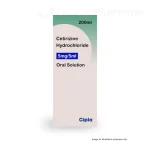
Cetirizine 5mg/5ml Oral Solution is a UK Pharmacy (P) medicine for allergy symptoms. It contains cetirizine hydrochloride, a second?generation (usually non?drowsy) antihistamine, at 1mg per ml (so 5mg per 5ml). Cetirizine has been used in the UK for decades. Because of that, clinicians and patients know it well. It also comes in several formats, including tablets and liquids.
Why the oral solution format matters
Tablets work well for many adults. However, a liquid can be a better fit when swallowing tablets is hard, or when you need flexible dosing.
Cetirizine oral solution can help:
young children who cannot swallow tablets reliably
older adults with swallowing problems (dysphagia)
people who use feeding tubes (such as NG or PEG tubes)
anyone who feels sick and finds liquids easier than tablets
adults who simply prefer a liquid
families who want one product that can suit different ages (with the right dose)
It also has a banana flavour, which can make it easier for children to take. As a result, it may improve consistency during hay fever season.
How cetirizine compares to other antihistamines
Cetirizine sits in the same “newer” antihistamine group as loratadine, fexofenadine, bilastine, desloratadine, levocetirizine, and rupatadine. These options usually cause less drowsiness than older antihistamines.
That said, cetirizine can still cause some drowsiness in a minority of people. So, if you feel sleepy, switch to taking it in the evening or ask a pharmacist about alternatives.
Cetirizine also:
tends to work within 30 to 60 minutes
often lasts 24 hours in adults with once?daily dosing
has few drug interactions, because the body does not heavily process it through CYP liver enzymes
leaves the body mainly through the kidneys, so clinicians may adjust the dose in significant kidney disease
In contrast, first?generation antihistamines (like chlorphenamine or promethazine) often cause much more drowsiness. They can also cause dry mouth, constipation, and blurred vision. Therefore, most people now use them only in specific situations.
What cetirizine treats well
Cetirizine can help with common allergy symptoms, including:
hay fever (seasonal allergic rhinitis): sneezing, itchy nose, runny nose, and itchy or watery eyes
year?round allergic rhinitis: symptoms triggered by allergens such as dust mites, pets, or mould
hives (urticaria): itchy, raised wheals that come and go
mild to moderate allergic reactions: for example, mild reactions to foods or bites (severe reactions need urgent care)
allergic conjunctivitis: itchy, red, watery eyes
physical urticarias and dermatographism: as part of a wider plan
itch from eczema (atopic dermatitis): as an add?on, especially if itching disrupts sleep
Where the oral solution is especially useful
The liquid format is often helpful for:
children from age 2 with hay fever (where licensed)
school?age children whose symptoms affect sleep or concentration
families managing hay fever across different ages
adults who struggle with tablets or want easier dose measuring
Cetirizine oral solution from Courier Pharmacy
Courier Pharmacy supplies Cetirizine Oral Solution from a UK?registered pharmacy under pharmacist supervision. We check that it suits the intended patient. We also confirm age, weight where relevant, and any medical conditions. Then we provide clear dose guidance for your household.
Key features and specifications
Active ingredient: cetirizine hydrochloride 5mg per 5ml (1mg per ml)
Form: clear, colourless oral solution with banana taste and odour
Pack size: 200ml bottle (around 40 adult doses at 10ml)
Licensed indications:
seasonal allergic rhinitis in adults and children from age 2
perennial allergic rhinitis and chronic idiopathic urticaria in adults and children from age 6
Adult and child 12+ dose: 10ml (10mg) once daily
Children 6 to 11 years: 5ml (5mg) twice daily or 10ml (10mg) once daily
Children 2 to 5 years: 2.5ml (2.5mg) twice daily (hay fever only)
Onset: 30 to 60 minutes (full effect often within 1 to 2 hours)
Duration: up to 24 hours in adults
Legal category: Pharmacy (P) medicine
Supplied by: Courier Pharmacy (UK GPhC?registered) with pharmacist support
Additional information
Quantity
1 x 200ml, 2 x 300ml, 3 x 200ml
MOJO WISDOM
Take control of your health by understanding your condition and what this medication is doing for you.
READ:
More information about this treatment.
UK-based doctors and pharmacists
Discreet and Confidential
UK-based doctors and pharmacists
Free, Expert Advice
No video link provided.
No video link provided.
UK-based doctors and pharmacists
Free, expert advice
Discrete and confidential
Fast delivery
Giving you trusted clinical advice for over 40 conditions
A UK regulated pharmacy providing safe, effective treatments online since 2014
Cetirizine Allergy and Hayfever Relief 5mg/5ml Oral Solution (200ml)
When tablets aren’t practical, particularly for children, older patients, or anyone who struggles with swallowing, an oral solution is often the better antihistamine format. Cetirizine 5mg/5ml Oral Solution provides the same evidence-based non-sedating antihistamine in a liquid that’s easier to give to children and adjust to individual doses. The 200ml bottle is licensed for hayfever in children from age 2 and for the wider range of allergic conditions in adults and children from age 6, making it one of the most versatile single products for family allergy care.
At Courier Pharmacy, we believe treatment that fits the person, not the marketing budget. For families managing children’s hayfever or for households with mixed-age allergic conditions, a single licensed oral solution covering both adults and children is often the practical answer. This page covers what Cetirizine Oral Solution is, how it compares to tablets and other antihistamine formats, who it suits, and how to use it correctly across the age range.
Five key takeaways
Cetirizine Allergy and Hayfever Relief 5mg/5ml Oral Solution is a UK Pharmacy (P) medicine containing cetirizine hydrochloride 5mg per 5ml (1mg/ml). It’s a non-sedating second-generation antihistamine, licensed for seasonal allergic rhinitis (hayfever) in adults and children from age 2, and for perennial allergic rhinitis and chronic idiopathic urticaria in adults and children from age 6
The oral solution format is particularly useful for children, older patients with swallowing difficulties, and anyone who prefers a liquid antihistamine. The banana flavour makes it more acceptable to children than the bitter taste of pure cetirizine
Standard dosing: adults and children 12 and over take 10ml (10mg) once daily. Children 6 to 11 years take 5ml (5mg) twice daily or 10ml (10mg) once daily. Children 2 to 5 years take 2.5ml (2.5mg) twice daily for hayfever (the only licensed indication in this age group)
Cetirizine has a modest sedating profile compared to first-generation antihistamines (cyproheptadine, chlorphenamine), but is notably more sedating than some other second-generation antihistamines like loratadine, fexofenadine, and bilastine. Around 1 in 10 users report some drowsiness; this is dose-related
The 200ml bottle provides extensive supply: at the standard adult dose (10ml daily), it lasts 20 days; at child dosing (2.5ml twice daily for ages 2 to 5), it lasts 40 days. Multiple children in one family can share a single bottle through appropriate weight-based dosing
Cetirizine 5mg/5ml Oral Solution is a UK Pharmacy (P) medicine containing the non-sedating second-generation antihistamine cetirizine hydrochloride at a concentration of 1mg per ml (5mg per 5ml). Cetirizine has been on the UK market since 1987, making it one of the longest-established second-generation antihistamines in pharmacy. It is one of the most widely used antihistamines in the UK, available across multiple formats (tablets, oral solutions, oral drops) and multiple brand names alongside generic equivalents.
Why an oral solution format matters
Most antihistamine products are tablets, which work well for adults and older children who can swallow tablets reliably. Oral solutions matter for specific patient groups:
Young children (ages 2 to 11): who often cannot swallow tablets reliably and need liquid medicine with measured doses
Older patients: with swallowing difficulties (dysphagia) from age, neurological conditions (stroke, Parkinson’s disease, dementia), or other causes
Patients with feeding tubes (nasogastric, PEG): where liquid medicines can be given through the tube
Patients with severe nausea or vomiting: where smaller liquid volumes are sometimes easier to keep down than tablets
Patients who simply prefer liquid over tablets: a real preference for many adults that’s worth respecting
Families with multiple ages: one bottle can serve adults and children with appropriate dose adjustment, simplifying the medicine cupboard
The banana flavouring is specifically formulated to improve palatability for paediatric use, where the bitter taste of pure cetirizine can be a barrier to compliance.
How cetirizine compares to other antihistamines
Cetirizine sits within the second-generation non-sedating antihistamine class, alongside loratadine, fexofenadine, bilastine, desloratadine, levocetirizine, and rupatadine. Within this class, there are subtle but real differences:
Sedation profile: cetirizine has slightly more sedating potential than loratadine, fexofenadine, or bilastine. Around 1 in 10 users report some drowsiness, compared to closer to 1 in 50 for the least-sedating options. For most patients this is mild; for some, it limits use during the day
Onset of action: cetirizine works within 30 to 60 minutes, similar to other second-generation antihistamines
Duration of effect: cetirizine provides 24-hour coverage with once-daily dosing in adults
Paediatric licensing: cetirizine has solid paediatric licensing from age 2 (for hayfever), making it one of the more flexible options for family use. Loratadine is similarly licensed from age 2; fexofenadine is licensed from age 6; bilastine is licensed from age 6
Renal excretion: cetirizine is primarily eliminated through the kidneys, requiring dose reduction in significant renal impairment. Fexofenadine, bilastine, and desloratadine have similar considerations; loratadine is more hepatically metabolised
Drug interactions: cetirizine has a very low drug interaction profile because it isn’t significantly metabolised by CYP enzymes. Loratadine has more theoretical CYP3A4 interactions; bilastine has notable food interactions
Compared to first-generation sedating antihistamines (cyproheptadine, chlorphenamine, promethazine, hydroxyzine):
Far less sedation: cetirizine sedates around 1 in 10 users versus the substantial sedation expected with first-generation agents
Far less anticholinergic effect: cetirizine has minimal dry mouth, urinary retention, blurred vision, or constipation
Once-daily dosing: cetirizine provides 24-hour coverage with one dose versus the three-times-daily dosing typical for first-generation agents
Better safety in older patients: cetirizine is appropriate for use in older adults where first-generation antihistamines are generally avoided because of fall risk and cognitive effects
No driving restrictions for most patients: where first-generation antihistamines impair driving significantly
What cetirizine treats well
Cetirizine is effective for:
Seasonal allergic rhinitis (hayfever): sneezing, itchy nose, watery rhinorrhoea, itchy or watery eyes, and to a lesser extent nasal congestion
Perennial allergic rhinitis: same symptom profile but driven by year-round allergens like house dust mite, animal dander, indoor moulds
Chronic idiopathic urticaria (hives): persistent or recurrent itchy raised wheals on the skin where no specific allergen trigger can be identified
Acute allergic reactions: histamine-mediated reactions to food, insect stings, medications (mild to moderate; severe reactions need adrenaline and emergency care)
Allergic conjunctivitis: itching, redness, watering of the eyes alongside rhinitis
Dermatographism and physical urticarias: alongside other treatments for these specific conditions
Atopic dermatitis itching: as an adjunct, particularly when nocturnal itching disrupts sleep (though the modest sedation of cetirizine helps here in some patients)
Where the oral solution is particularly useful
Paediatric hayfever from age 2: cetirizine is one of the few licensed antihistamine options for this age group in the UK
School-age children with hayfever: where seasonal symptoms affect concentration, school performance, and outdoor activities
Children with chronic urticaria from age 6: where ongoing antihistamine treatment is needed
Older patients with swallowing difficulties who develop allergic conditions
Families managing seasonal hayfever across multiple ages: one bottle can serve everyone
Patients with general preference for liquid over tablet medicines
We at Courier Pharmacy supply Cetirizine Oral Solution from a UK-registered pharmacy under pharmacist supervision. Our pharmacist will confirm the supply is appropriate for the intended patient (with particular attention to age, weight, and any specific medical considerations) and provide dose guidance for the relevant age groups in your household.
Key features and specifications
Active ingredient: cetirizine hydrochloride 5mg per 5ml (1mg per ml)
Form: clear or almost clear, colourless oral solution with banana taste and odour
Pack size: 200ml bottle (approximately 40 doses at the standard adult 10ml dose)
Licensed indications: seasonal allergic rhinitis (hayfever) in adults and children from age 2; perennial allergic rhinitis and chronic idiopathic urticaria in adults and children from age 6
Adult and child 12+ dose: 10ml (10mg) once daily
Children 6 to 11 years dose: 5ml (5mg) twice daily or 10ml (10mg) once daily
Children 2 to 5 years dose: 2.5ml (2.5mg) twice daily (hayfever only)
Onset of action: 30 to 60 minutes; full effect within 1 to 2 hours
Duration of effect: 24 hours with once-daily dosing in adults
Legal category: Pharmacy (P) medicine
Supplied by: Courier Pharmacy, UK GPhC-registered, with pharmacist support
Why choose Courier Pharmacy for Cetirizine Oral Solution
At Courier Pharmacy, our whole approach is built on a simple idea: treatment that fits the person, not force the person to fit the system. For families managing allergic conditions across different ages, that means finding the format and approach that works for your household, rather than assuming everyone needs the same product.
Our service is shaped by the philosophy of Dr Ada Jex-Cori, our brand pharmacist. Dr Ada represents the spirit of the pharmacy: evidence-led, community-rooted, and willing to challenge the one-size-fits-all approach to medicine. She is named in honour of three pioneering women in science: Ada Lovelace, the mathematician and visionary; Sophia Jex-Blake, the first female doctor in the UK who fought the medical establishment; and Gerty Cori, the biochemist and Nobel Prize winner. In our fictional world of Ethrewell, Dr Ada fights against pharma’s standardised approach to medicine. In the real world, she represents what we stand for. Her view is straightforward: you are not broken. The system is. And we are here to change that.
Honest framing of where cetirizine fits
Cetirizine is a well-established, generally well-tolerated, evidence-based first-line option for allergic rhinitis and urticaria. It’s not the only option, and for some patients another antihistamine would suit better:
If you specifically need the least-sedating option: loratadine, fexofenadine, or bilastine may suit better for daytime use
If you have significant renal impairment: loratadine (hepatically metabolised) may be a better choice
If you need maximum potency for refractory urticaria: levocetirizine (the active enantiomer of cetirizine) or higher-dose options under prescriber guidance
If you have significant nasal congestion as the dominant symptom: intranasal corticosteroid (Beconase, Nasacort, Benacort, mometasone, fluticasone) is more effective for this specifically
For most patients with allergic rhinitis or urticaria, cetirizine works well, particularly in the convenient oral solution format for families with mixed ages.
Treatment that fits, not one-size-fits-all
Most online pharmacies supply cetirizine without thinking through whether it’s the right antihistamine for the specific situation. Courier Pharmacy is different. We think through your situation: what symptoms you have, who in your household needs treatment, what ages and weights you’re dealing with, what you’ve already tried, and what fits with your wider life. The oral solution may be perfect for your family situation; tablets may be more convenient if you don’t have young children; a different antihistamine may suit better if cetirizine has been making you drowsy.
Family-friendly allergy care
We particularly support families managing allergic conditions across multiple ages. The 200ml oral solution format is one of the most practical options for households where:
Children of different ages all need antihistamine treatment for seasonal hayfever
Adults and children share the same bottle with appropriate dose adjustment
Younger children can’t swallow tablets reliably
Multiple seasonal medicines need managing through the pollen season
Our pharmacist can talk through age-appropriate dosing for your household, when to start treatment ahead of the pollen season, how to combine with intranasal corticosteroids for moderate to severe symptoms, and any specific considerations for children with comorbid conditions.
Pharmacist support before and after purchase
Our pharmacist is available to discuss:
Whether cetirizine oral solution is the right option for your situation, or whether a tablet format, a different antihistamine, or a different format would suit you better
Age-appropriate dosing for children in your household
When to start treatment ahead of the hayfever season
How to combine with intranasal corticosteroids and other treatments for moderate to severe symptoms
Managing side effects, particularly any drowsiness or paradoxical agitation in children
Whether your situation warrants GP review, allergy testing, or specialist referral
Coordination with your GP if your child has comorbid conditions like asthma or eczema
This is free and available before and after purchase. Get in touch if you have any questions.
Care for specific patient groups
We are happy to provide tailored support for:
Families managing childhood hayfever and seasonal allergies
Children with chronic urticaria where ongoing antihistamine treatment is needed
Children with allergic rhinitis alongside asthma (the “united airway” pattern) where treating the rhinitis often improves asthma control
Older patients with allergic conditions where avoiding first-generation antihistamines is important
Older patients with swallowing difficulties from age, neurological conditions, or other causes
Adults preferring liquid medicine format over tablets
Patients with MCAS, CFS, fibromyalgia, or other long-term conditions where allergic symptoms overlap with the broader picture and personalised care matters
Patients with multiple comorbidities and medicines where cetirizine’s low interaction profile is advantageous
Coordination with your GP and other care
If you have a GP, paediatrician, allergist, or other healthcare professional involved in your or your child’s care, we are happy to coordinate. For families with multiple allergic conditions, joined-up care across primary care, pharmacy, and specialist services produces better outcomes than fragmented care.
Trust earned, not claimed
We are GPhC-regulated, we ground our content in NHS, NICE, BNF, EMC, and BSACI guidance, and we will tell you honestly if cetirizine oral solution isn’t the right answer for your situation. We’d rather give you the right advice than a quick sale.
How to buy Cetirizine Oral Solution from Courier Pharmacy
Cetirizine 5mg/5ml Oral Solution 200ml is a UK Pharmacy (P) medicine supplied through Courier Pharmacy under pharmacist supervision. The supply does not require a prescription, but the pharmacist will check that the use is appropriate for your situation.
Here is how our service works:
Add Cetirizine Oral Solution to your basket and complete a quick questionnaire about who the medicine is for (adult, child, ages), any allergic conditions being treated, what you’ve already tried, any current medicines, and any relevant medical conditions
Our pharmacist reviews your answers to confirm cetirizine oral solution is suitable for the intended patient(s). For paediatric use, we’ll pay particular attention to age-appropriate dosing
Once approved, your order is prepared and dispatched discreetly to your door
Free pharmacist support is available before and after your purchase for any questions
If cetirizine oral solution isn’t the right product for your situation, we will explain why and suggest alternatives. That might be:
Cetirizine tablets (10mg, available over the counter in many pharmacies) if you only need treatment for adults or older children comfortable with tablets, and want a more cost-effective format
Loratadine 10mg tablets or syrup, fexofenadine 180mg tablets, or bilastine 20mg tablets as alternative non-sedating antihistamines if cetirizine’s mild sedating profile is a concern
Desloratadine 5mg or levocetirizine 5mg (active metabolites of loratadine and cetirizine respectively) for patients wanting these specific options
Rupatadine 10mg tablets as a prescription option with additional anti-platelet-activating-factor activity
Intranasal corticosteroids (Beconase, Nasacort, Benacort, mometasone, fluticasone) added for moderate to severe allergic rhinitis with significant nasal symptoms
Dymista combination intranasal spray for severe allergic rhinitis
Combined H1 plus H2 antagonist treatment (cetirizine plus famotidine) for refractory chronic urticaria
Allergen-specific immunotherapy (Grazax for grass pollen, Acarizax for house dust mite, Itulazax for tree pollen) for severe disease driven by specific allergens
Adrenaline autoinjectors (EpiPen, Jext, Eurneffy) for patients with severe allergic reactions or anaphylaxis risk; cetirizine treats mild histamine-mediated symptoms but cannot replace adrenaline for severe reactions
Referral to an allergist, immunologist, or paediatric specialist if symptoms are severe, complex, or have features warranting specialist input
GP appointment for children under 2 with allergic symptoms, or any patient with features warranting medical assessment
Our free fortnightly drop-in clinics at Insomnia, Derby run every other week from 10am to 12pm. Healthcare shouldn’t only happen when you’re paying for it. We show up, even when it’s free. We cover allergies, hay fever, chronic urticaria, asthma, MCAS, CFS, fibromyalgia, anaphylaxis, immunotherapy, hair loss, men’s health, weight management, paediatric allergic conditions, and whatever else people bring through the door. No appointment needed, no charge, no pressure.
Active ingredients
Each 5ml spoonful of Cetirizine Oral Solution contains:
Cetirizine hydrochloride 5mg (active ingredient): a second-generation H1-receptor antagonist antihistamine. Cetirizine is the active human metabolite of hydroxyzine and was developed in the 1980s as a non-sedating alternative to first-generation antihistamines. It blocks the action of histamine at H1 receptors throughout the body, reducing the typical histamine-mediated symptoms of allergic reactions including sneezing, itching, watery eyes, rhinorrhoea, urticaria, and angioedema. Cetirizine has substantially less central nervous system penetration than first-generation antihistamines, producing far less drowsiness and far fewer anticholinergic effects, while retaining full peripheral histamine blockade
Excipients commonly include: glycerol, propylene glycol, saccharin sodium, sodium acetate, acetic acid, methyl parahydroxybenzoate (E218), propyl parahydroxybenzoate (E216), banana flavouring, and purified water. The exact excipient list varies slightly between generic manufacturers; check the patient information leaflet supplied with the specific pack.
The clear or almost clear, colourless solution has a banana taste and odour to improve palatability, particularly for paediatric use. The solution typically contains maltose or similar sweeteners; patients with severe diabetes or specific carbohydrate intolerances should check the patient information leaflet supplied. The parahydroxybenzoate preservatives can occasionally cause allergic reactions in sensitive individuals.
The 200ml bottle supplied is typically in amber glass or polyethylene terephthalate (PET) and provides a substantial supply: 40 doses at the standard adult 10ml dose, 80 doses at the 5ml children's dose, or 80 doses at the 2.5ml young children's dose. A measuring spoon, cup, or oral syringe should be provided with the pack to ensure accurate dosing.
Where Cetirizine Oral Solution fits in allergic conditions treatment
Allergic conditions are among the most common reasons UK patients and families seek treatment. The conditions covered by Cetirizine Oral Solution's licensed indications span several distinct presentations across different ages.
Allergic rhinitis (hayfever and perennial)
Symptoms of sneezing, itchy nose, watery rhinorrhoea, often nasal congestion, and often ocular itching:
Seasonal allergic rhinitis (hayfever): triggered by tree pollens (March to May), grass pollens (May to August, the most common UK trigger), or weed pollens (July to September). Affects around 20 to 25% of UK adults and a substantial proportion of children
Perennial allergic rhinitis: triggered by year-round indoor allergens like house dust mite, animal dander, indoor moulds
Cetirizine is one of the first-line treatments for both presentations across adults and children. For mild to moderate symptoms, cetirizine alone is often sufficient. For moderate to severe symptoms, the combination with an intranasal corticosteroid (Beconase, Nasacort, Benacort for adults; Avamys, prescription Beconase Aqueous, or mometasone for children) is standard practice.
Chronic idiopathic urticaria
Persistent or recurrent itchy raised wheals on the skin without identifiable trigger, affecting around 1% of UK adults at some point and a smaller proportion of children. Standard first-line treatment is non-sedating antihistamine at standard or up to fourfold standard dose. Cetirizine is one of the most-used antihistamines for chronic urticaria; the oral solution format is particularly useful for paediatric chronic urticaria and for adults preferring liquid format.
Allergic conjunctivitis
Itchy, red, watery eyes alongside or instead of nasal symptoms. Cetirizine taken systemically often produces useful ocular benefit. For prominent ocular symptoms not fully controlled by oral antihistamine, topical ocular antihistamines (olopatadine, ketotifen, sodium cromoglicate) can be added.
Dermatographism and physical urticarias
Wheal formation in response to skin stimulation (dermatographism), cold (cold urticaria), heat (cholinergic urticaria), pressure, water, exercise, or sun. Cetirizine at standard or higher doses is one of the antihistamines used for these specific conditions, often alongside specific trigger avoidance.
Acute allergic reactions
Mild to moderate allergic reactions to food, insect stings, medications, or other triggers. Cetirizine helps with itching, hives, and angioedema (when histamine-mediated). For severe reactions including anaphylaxis, intramuscular adrenaline (EpiPen, Jext, Eurneffy) is the first-line life-saving treatment; antihistamines are supportive only and should never delay adrenaline.
The stepped approach to allergic rhinitis
Modern UK practice approaches allergic rhinitis in stages, with cetirizine commonly used at the first level:
Mild intermittent symptoms: trigger avoidance plus cetirizine (or other non-sedating antihistamine) as needed
Severe or refractory symptoms: combination intranasal spray (Dymista), higher-dose antihistamine, or addition of leukotriene receptor antagonist (montelukast, with appropriate caution per MHRA 2019 and 2024 neuropsychiatric warnings)
Specialist treatment: allergen-specific immunotherapy (Grazax for grass pollen, Acarizax for house dust mite, Itulazax for tree pollen) for severe disease driven by specific allergens
Family use across ages
One of the practical advantages of Cetirizine Oral Solution is its versatility across ages within a family:
Toddler aged 3 with hayfever: 2.5ml twice daily
School-age child aged 8 with seasonal allergic rhinitis: 5ml twice daily or 10ml once daily
Teenager aged 14 with chronic urticaria: 10ml once daily
Adult with perennial allergic rhinitis from house dust mite: 10ml once daily
Older grandparent with allergic conjunctivitis: 10ml once daily (cetirizine is appropriate in older patients, unlike sedating first-generation alternatives)
A single 200ml bottle can serve multiple family members, simplifying allergy management during the hayfever season.
How cetirizine works
Cetirizine hydrochloride is a second-generation H1-receptor antagonist antihistamine. It works primarily by blocking the action of histamine at H1 receptors on peripheral tissues, with minimal effect on central nervous system H1 receptors compared to first-generation antihistamines.
Histamine and allergic reactions
When the immune system encounters an allergen (pollen, dust mite, animal dander, certain foods), mast cells and basophils release histamine and other inflammatory mediators. Histamine then binds to H1 receptors on:
Vascular endothelium: causing capillary leak, oedema, and the redness of allergic reactions
Smooth muscle: causing bronchoconstriction (in asthma) and gut spasm
Sensory nerves: causing the itching that is characteristic of allergic reactions
Mucous glands: causing rhinorrhoea and lacrimation
How cetirizine blocks histamine
Cetirizine competitively binds to H1 receptors without activating them, preventing histamine from binding and triggering its effects. This produces:
Reduced sneezing and itching
Reduced rhinorrhoea and lacrimation
Reduced capillary leak (so less hives and angioedema)
Some reduction in nasal congestion (though less than intranasal corticosteroids)
Reduced ocular itching
Why cetirizine causes less sedation than first-generation antihistamines
First-generation antihistamines (cyproheptadine, chlorphenamine, promethazine, hydroxyzine) cross the blood-brain barrier readily and bind to central H1 receptors in the brain, producing sedation, cognitive impairment, and impaired alertness. Cetirizine has substantially less central nervous system penetration because of:
Different molecular structure that crosses the blood-brain barrier less readily
Higher polarity than first-generation antihistamines
Active efflux from the brain by P-glycoprotein
The result is full peripheral histamine blockade with far less sedation. Cetirizine retains some sedating potential (around 1 in 10 users report some drowsiness, particularly at the start of treatment), but this is substantially less than first-generation antihistamines and similar to most other second-generation antihistamines, though slightly more than loratadine, fexofenadine, or bilastine.
Pharmacokinetics
After oral administration, cetirizine is well-absorbed from the GI tract. Peak plasma concentrations occur 30 to 60 minutes after dosing. The half-life is around 10 hours, supporting once-daily dosing in adults. The half-life is shorter in children (around 5 to 6 hours in children aged 6 to 12, requiring twice-daily dosing for the 5mg dose) and longer in older patients with reduced renal function.
Cetirizine is primarily eliminated through the kidneys, with around 70% of the dose excreted unchanged in urine and a smaller proportion as inactive metabolites. This renal excretion route means dose adjustment is needed in patients with significant renal impairment (creatinine clearance under 30 ml/min); the elderly with age-related renal decline may also benefit from lower doses or longer dose intervals.
How to take Cetirizine Oral Solution
The information below is a summary for reference. The definitive guide is the patient information leaflet supplied with the product. If you are unsure about any aspect of dosing, particularly for paediatric use, contact our pharmacist for support.
Dosing
Adults and children aged 12 years and over:
10ml (10mg cetirizine) once daily
Children aged 6 to 11 years:
5ml (5mg cetirizine) twice daily, OR
10ml (10mg cetirizine) once daily
For most children in this age group, the once-daily 10ml dose is more convenient and supports better adherence; the twice-daily 5ml option can be used where preferred
Children aged 2 to 5 years (hayfever only):
5ml (2.5mg cetirizine) twice daily
Note: in this younger age group, cetirizine is only licensed for hayfever (seasonal allergic rhinitis), not for perennial allergic rhinitis or chronic urticaria. These indications start from age 6
Children under 2 years:
Cetirizine is not recommended for children under 2 years of age. Insufficient clinical data is available to support paediatric use in this age group. Paediatric allergic conditions in this age group should be assessed by a GP or paediatrician
Older patients (over 65):
Standard adult dose (10ml once daily) is appropriate if renal function is normal
Reduced doses may be needed in older patients with significant renal impairment
Patients with renal impairment:
Mild renal impairment (creatinine clearance 50 to 79 ml/min): standard adult dose
Moderate renal impairment (30 to 49 ml/min): 5ml (5mg) once daily
Severe renal impairment (under 30 ml/min): 5ml (5mg) every other day
End-stage renal disease (creatinine clearance under 10 ml/min): not recommended, use alternative antihistamine
Patients with hepatic impairment:
Standard dosing usually appropriate (cetirizine is minimally metabolised); reduce dose if there's combined renal impairment
How to take
Measure the dose carefully using the measuring spoon, cup, or oral syringe supplied with the pack. Do not use a kitchen teaspoon, which is an unreliable measure
The solution can be swallowed directly or mixed with a small amount of water if preferred
Can be taken with or without food; food doesn't significantly affect absorption
Take at roughly the same time each day for consistent symptom control
Once-daily dosing in adults is most often taken in the evening, which can help with nocturnal symptoms; morning dosing also works
When to expect results
Effect on allergic symptoms typically begins within 30 to 60 minutes, with full effect within 1 to 2 hours. Duration of effect is around 24 hours with the standard adult once-daily dose. For chronic allergic conditions like perennial allergic rhinitis or chronic urticaria, regular daily dosing produces sustained control.
How long to take
Duration depends on the condition:
Acute allergic reactions: short course of a few days until symptoms resolve
Seasonal hayfever: through the dominant pollen season, typically 2 to 4 months per year. Starting 1 to 2 weeks before the expected pollen season and using regularly through the season produces better control than intermittent use
Perennial allergic rhinitis: longer-term use under prescriber review
Chronic urticaria: longer-term use; periodic prescriber review to confirm ongoing need
If symptoms have not improved after a reasonable trial, consider whether the dose needs increasing (under prescriber guidance, sometimes up to fourfold standard dose for refractory urticaria), whether an intranasal corticosteroid should be added for nasal symptoms, or whether further allergy assessment is warranted.
Missing a dose
If you miss a dose, take it as soon as you remember unless it's nearly time for the next dose. Don't double-dose to catch up. For once-daily dosing, missing the occasional dose is unlikely to significantly affect overall control.
Stopping cetirizine
Cetirizine can be stopped without a taper. There is no withdrawal effect from stopping standard antihistamines. Some patients with chronic urticaria experience return or temporary worsening of itching when cetirizine is stopped after long-term use; if this occurs, the symptoms usually settle when treatment is restarted. Symptoms of the underlying allergic condition will return if the medicine was effectively controlling them.
Storage
Store at room temperature, below 25°C, in the original bottle. Keep the bottle upright. Do not freeze. Keep out of sight and reach of children. After first opening, the solution should be used within the period stated in the patient information leaflet (often 3 to 6 months).
Warnings and precautions for Cetirizine Oral Solution
When not to use Cetirizine Oral Solution
Cetirizine Oral Solution should not be used in:
Patients with known hypersensitivity to cetirizine, hydroxyzine (the parent compound), piperazine derivatives, or any excipient in the solution
Patients with severe renal impairment (creatinine clearance under 10 ml/min); use an alternative antihistamine
Children under 2 years of age (insufficient clinical data)
Children aged 2 to 5 years for indications other than hayfever (perennial allergic rhinitis and chronic urticaria are licensed only from age 6)
When to seek prescriber discussion before use
Several situations warrant prescriber discussion before starting cetirizine:
Significant renal impairment (any creatinine clearance under 50 ml/min, including the age-related renal decline common in older patients)
Significant hepatic impairment
Epilepsy or history of seizures (antihistamines can theoretically lower seizure threshold, although the clinical significance is low for cetirizine)
Prostate enlargement or other conditions predisposing to urinary retention (cetirizine has much less anticholinergic effect than first-generation antihistamines, but a small risk remains in susceptible patients)
Allergy testing planned (cetirizine should be stopped at least 3 days before allergy skin prick tests because it can produce false-negative results)
Pregnancy or breastfeeding
Patients driving for work where any sedating effect would be problematic (small minority of cetirizine users)
Combined use with significant CNS depressants (alcohol, benzodiazepines, opioids)
Driving and operating machinery
Cetirizine has a low sedating profile compared to first-generation antihistamines, but around 1 in 10 users experience some drowsiness, particularly when starting treatment. Patients should:
Try the first dose at a time when they don't need to drive or operate machinery, to assess their personal response
Avoid driving or operating machinery if they experience any drowsiness, slowed reactions, or impaired concentration
Be aware that combined effect with alcohol, benzodiazepines, opioids, or other sedating medicines can be more pronounced than cetirizine alone
Most patients can drive normally on cetirizine; for those who experience daytime drowsiness, evening dosing may help, or a less-sedating alternative like loratadine, fexofenadine, or bilastine may suit better.
Pregnancy and breastfeeding
Pregnancy: cetirizine has been used in pregnancy with no clear evidence of harm in extensive observational data. The manufacturer typically advises caution and use only if clearly needed. For pregnant women with allergic conditions needing antihistamine treatment, cetirizine and loratadine have the most extensive safety data and are generally considered acceptable when clinically needed.
Breastfeeding: cetirizine is excreted in breast milk in small amounts. Manufacturer advice typically advises caution. Loratadine has slightly more extensive breastfeeding safety data; both are commonly used clinically when antihistamine treatment is needed during breastfeeding.
Older patients
Cetirizine is generally appropriate for older patients with allergic conditions, in marked contrast to first-generation antihistamines which the MHRA and Beers Criteria advise against. Cetirizine has:
Much less sedation, reducing fall risk and cognitive effects
Much less anticholinergic effect, reducing urinary retention and confusion risk
No significant impact on driving in most older patients
Standard adult dose is appropriate for older patients with normal renal function. For older patients with age-related renal decline (very common over 65), dose reduction may be needed. Other antihistamines with no renal excretion concerns (loratadine, hepatically metabolised) may suit better in significant renal impairment.
Paediatric use
Cetirizine is well-established in paediatric allergic conditions:
From age 2: licensed for hayfever (seasonal allergic rhinitis)
From age 6: licensed for perennial allergic rhinitis and chronic urticaria
Twice-daily dosing in children 6 to 11 reflects the shorter half-life in this age group, although once-daily 10ml is licensed and convenient where preferred
Common paediatric considerations: paradoxical agitation or restlessness (more common in children than adults), which usually settles or can be addressed with dose adjustment
The banana flavour generally improves paediatric acceptance, although some children find any flavour unappealing
Sweetener and preservative considerations
Maltose content: although small, may be relevant for patients with diabetes wanting to track carbohydrate intake. The amounts in standard antihistamine doses are usually clinically insignificant
Parabens (methyl and propyl parahydroxybenzoate): may cause delayed allergic reactions (contact dermatitis) and rarely immediate hypersensitivity in sensitive individuals
Saccharin sodium: an artificial sweetener; safe in standard doses but worth flagging for patients avoiding artificial sweeteners
Propylene glycol: can cause issues in very high doses, particularly in young infants; standard cetirizine solution amounts are safe in licensed paediatric use
Combining with other medicines
Avoid combining with sedating antihistamines (cyproheptadine, chlorphenamine, promethazine, hydroxyzine, diphenhydramine) because of additive sedation, even though cetirizine alone has low sedating profile
Caution with alcohol and other CNS depressants because of additive sedation in susceptible patients
Generally compatible with intranasal corticosteroids (Beconase, Nasacort, Benacort, mometasone, fluticasone) which are commonly co-prescribed for moderate to severe allergic rhinitis
Compatible with H2 antagonists (famotidine) which can be added for refractory chronic urticaria
Compatible with most other medicines because of cetirizine's low metabolic interaction profile
Side effects of Cetirizine Oral Solution
Cetirizine is generally well-tolerated. Most side effects are mild and dose-related.
Common side effects (up to 1 in 10 patients)
Drowsiness or somnolence (mild and usually settling with continued use)
Headache
Dry mouth
Fatigue
Dizziness
Nausea or stomach discomfort
Less common side effects
Agitation or restlessness (more commonly reported in children than adults)
Paraesthesia (tingling sensations)
Diarrhoea
Skin rash or itching (uncommon)
Insomnia (paradoxical, particularly in children)
Rare but more significant side effects
Severe hypersensitivity reactions including anaphylaxis (very rare)
Significant skin reactions including Stevens-Johnson syndrome and toxic epidermal necrolysis (very rare)
Hepatic dysfunction with abnormal liver function tests
Blood dyscrasias (rare reports)
Seizures (very rare)
Significant cardiovascular effects (rare)
Severe rebound pruritus and urticaria when cetirizine is stopped after long-term use (sometimes intense, usually settling when treatment is restarted)
Stop and seek advice if
You develop signs of severe allergic reaction (significant swelling, difficulty breathing, severe rash)
You develop persistent significant skin reactions (significant blistering, peeling, mucous membrane involvement; could indicate Stevens-Johnson syndrome)
You develop jaundice (yellowing of skin or eyes), persistent significant nausea, or right upper abdominal pain
You develop unexplained bruising, bleeding, or frequent infections (possible blood dyscrasia, very rare)
You develop significant drowsiness affecting safety or daily functioning
You develop persistent agitation, particularly in a child
You develop severe rebound itching or urticaria after stopping long-term cetirizine
Yellow Card reporting
Suspected adverse drug reactions can be reported to the MHRA via the Yellow Card scheme at yellowcard.mhra.gov.uk. Reporting helps build the safety picture for everyone, including for paediatric use where reporting is particularly valuable.
Drug interactions with Cetirizine Oral Solution
Cetirizine has a very low drug interaction profile because it is minimally metabolised by cytochrome P450 enzymes (primarily eliminated unchanged through the kidneys).
Significant interactions
Alcohol: additive sedation; avoid heavy alcohol use while on cetirizine. Moderate alcohol is usually fine for most patients but can compound any drowsiness
Other sedating medicines: benzodiazepines (diazepam, lorazepam), Z-drugs (zopiclone, zolpidem), opioids (codeine, tramadol, morphine), sedating antidepressants (amitriptyline, mirtazapine), antipsychotics. Combination produces additive sedation; use cautiously, particularly in older patients
Other antihistamines, particularly sedating first-generation antihistamines (cyproheptadine, chlorphenamine, promethazine, hydroxyzine): avoid combining because of additive sedation and anticholinergic effects
Allergy testing (skin prick tests, intradermal tests): stop cetirizine at least 3 days before testing to avoid false-negative results
Less significant interactions
Theophylline (used in asthma): theoretical interaction at high theophylline doses; usually not clinically significant
CNS depressants in general: combined sedation possible but usually mild with cetirizine
Not significant interactions
Most blood pressure medicines, statins, hormonal contraceptives, most antibiotics, most antidepressants (apart from sedating tricyclic antidepressants): no significant interaction
Intranasal corticosteroids: compatible; combination is standard practice for moderate to severe allergic rhinitis
H2 antagonists (famotidine): compatible; combination useful for refractory chronic urticaria
Most other medicines: cetirizine has one of the lowest drug interaction profiles among antihistamines because of minimal CYP metabolism
For patients on multiple medicines, our pharmacist will check the picture during your consultation, but cetirizine is generally one of the easier antihistamines to use safely alongside other treatments.
Frequently asked questions about Cetirizine Oral Solution
What is Cetirizine Oral Solution used for?
Cetirizine 5mg/5ml Oral Solution is licensed in the UK for the treatment of seasonal allergic rhinitis (hayfever) in adults and children from age 2, and for perennial allergic rhinitis and chronic idiopathic urticaria (chronic hives) in adults and children from age 6. It's an effective non-sedating second-generation antihistamine.
From what age can children take Cetirizine Oral Solution?
From age 2 for hayfever (seasonal allergic rhinitis). From age 6 for perennial allergic rhinitis and chronic urticaria. Cetirizine is not recommended for children under 2 because of insufficient clinical data; paediatric allergic conditions in this age group should be assessed by a GP or paediatrician.
What's the right dose for a child?
Children aged 2 to 5 years (hayfever only): 2.5ml twice daily. Children aged 6 to 11 years: 5ml twice daily or 10ml once daily. Children aged 12 and over: 10ml once daily (same as adults). Always use the measuring spoon, cup, or oral syringe supplied with the product for accurate dosing.
Why is the dose different in younger children?
Younger children metabolise cetirizine more rapidly than adults, with a shorter half-life. Twice-daily dosing maintains effective levels through the day. Older children and adults have longer half-life, allowing once-daily dosing.
Can I give my child cetirizine every day during hayfever season?
Yes. Daily use through the hayfever season is appropriate and recommended for children with significant seasonal symptoms. Starting 1 to 2 weeks before the expected pollen season and using regularly produces better control than as-needed use.
How is cetirizine different from loratadine or fexofenadine?
All three are non-sedating second-generation antihistamines with similar overall efficacy for allergic conditions. The differences: cetirizine has slightly more sedating potential (around 1 in 10 users experience some drowsiness) compared to loratadine or fexofenadine (closer to 1 in 50). Cetirizine has fastest onset (30 to 60 minutes). Loratadine is hepatically metabolised (safer in renal impairment). Fexofenadine has the least drowsiness and no significant food interactions. Choice often comes down to individual response and tolerance.
How is cetirizine different from sedating antihistamines like Piriton or Phenergan?
First-generation antihistamines (chlorphenamine in Piriton, promethazine in Phenergan, cyproheptadine in Periactin, hydroxyzine in Atarax) cross into the brain and cause significant sedation, cognitive impairment, and anticholinergic effects. Cetirizine has much less brain penetration, producing far less sedation and far fewer anticholinergic effects. For routine allergy treatment, cetirizine is generally preferred; first-generation antihistamines are now reserved for specific situations where sedation is wanted (sleep-disrupting allergic symptoms) or where non-sedating options haven't been enough.
Does cetirizine cause drowsiness?
Cetirizine has a low sedating profile compared to first-generation antihistamines, but around 1 in 10 users experience some drowsiness, particularly when starting treatment. For most patients this is mild and settles. If daytime drowsiness is a problem, try taking cetirizine in the evening, or consider switching to loratadine, fexofenadine, or bilastine which have even lower sedating profiles.
Can I drive after taking cetirizine?
Most patients can drive normally on cetirizine. However, if you experience any drowsiness, slowed reactions, or impaired concentration, don't drive. Try your first dose at a time when you don't need to drive to assess your personal response.
Can I drink alcohol with cetirizine?
Moderate alcohol is usually fine for most patients on cetirizine. Heavy alcohol use can compound any drowsiness and is best avoided. The combination is much less problematic than alcohol with sedating first-generation antihistamines.
Can older patients take cetirizine?
Yes. Cetirizine is generally appropriate for older patients with allergic conditions, in marked contrast to first-generation antihistamines which are best avoided in this age group. Standard adult dose is appropriate for older patients with normal renal function; dose reduction may be needed in significant renal impairment, which is common with age.
Can I take cetirizine during pregnancy?
Cetirizine has been used in pregnancy with no clear evidence of harm in extensive observational data. Manufacturer advice typically advises caution and use only if clearly needed. Cetirizine and loratadine have the most extensive pregnancy safety data and are generally considered acceptable for pregnant patients with allergic conditions needing antihistamine treatment. Discuss with your GP or midwife if you become pregnant while using cetirizine.
Can I take cetirizine while breastfeeding?
Cetirizine is excreted in breast milk in small amounts. Manufacturer advice typically advises caution. Both cetirizine and loratadine are commonly used clinically during breastfeeding when antihistamine treatment is needed. Discuss with your prescriber if you have concerns.
How quickly does cetirizine work?
Effect typically begins within 30 to 60 minutes after the dose, with full effect within 1 to 2 hours. Duration is around 24 hours with the standard adult once-daily dose.
Can I take cetirizine with my child's asthma inhaler?
Yes. Cetirizine is compatible with all standard asthma medicines including inhaled corticosteroids, combination inhalers, and short-acting bronchodilators. Many children with allergic rhinitis also have asthma; treating the allergic rhinitis effectively often improves asthma control.
Can I take cetirizine with nasal sprays?
Yes. Cetirizine is compatible with intranasal corticosteroids (Beconase, Nasacort, Benacort, mometasone, fluticasone), intranasal antihistamines (azelastine, Dymista), and nasal saline rinses. Combination of oral cetirizine plus intranasal corticosteroid is standard practice for moderate to severe allergic rhinitis.
What if cetirizine doesn't work?
Several options: confirm correct dosing and timing, consider whether the patient might need a different antihistamine (loratadine, fexofenadine, bilastine, desloratadine, levocetirizine), add an intranasal corticosteroid for nasal symptoms, consider higher-dose cetirizine for refractory urticaria (under prescriber guidance, sometimes up to fourfold standard dose), or pursue further allergy assessment. Our pharmacist or prescriber can advise.
Why has the banana taste sometimes been a problem?
Most children accept the banana flavour, but some find any medicine taste unappealing. Options: mix the dose with a small amount of juice or squash (check first that this doesn't affect the medicine's stability), give cold (some children prefer cold liquid medicine), or follow the dose with a preferred drink. If banana taste is a persistent issue, alternative antihistamine syrups with different flavours may suit better.
Can I stop cetirizine suddenly?
Yes. Standard antihistamines don't require a taper. However, some patients on long-term cetirizine for chronic urticaria experience rebound itching or urticaria when treatment is stopped suddenly; if this occurs, restart the treatment and discuss tapering with the prescriber.
How should I store Cetirizine Oral Solution?
Store at room temperature, below 25°C, in the original bottle. Keep the bottle upright. Do not freeze. Keep out of sight and reach of children. After first opening, use within the period stated in the patient information leaflet (often 3 to 6 months).
How do I order Cetirizine Oral Solution from Courier Pharmacy?
Add the product to your basket on courierpharmacy.co.uk and complete the brief questionnaire indicating who the medicine is for. Our pharmacist will review your answers and confirm suitability. Free pharmacist support is available before and after your order.
More than a prescription: our community
Healthcare shouldn't only happen when you're paying for it. Every fortnight we run free drop-in talks and clinics at Insomnia, Derby, from 10am to 12pm. We show up, even when it's free. Bring a question, bring a friend, bring a stack of bewildering letters from another clinic; we'll sit with you. We cover allergies, hay fever, paediatric allergic conditions, chronic urticaria, asthma, MCAS, CFS, fibromyalgia, anaphylaxis, immunotherapy, hair loss, men's health, weight management, and whatever else people bring through the door. No appointment. No cost. No pressure. Just real support and treatment that fits.
Disclaimer: This article is for information only and isn't a substitute for personal medical advice. Always speak to a qualified prescriber before starting or changing treatment, particularly for paediatric use. For children with allergic symptoms, GP or paediatric assessment is appropriate where the diagnosis isn't clear or where standard treatment isn't enough.
How this content was created
Written by the Courier Pharmacy editorial team and reviewed by a GPhC-registered pharmacist. Grounded in the latest NHS, BNF, and EMC guidance, and the real questions families bring to our drop-in clinics in Derby.
References
[1] Electronic Medicines Compendium (emc) (2025) Cetirizine Hydrochloride 5 mg/5 ml Oral Solution — Summary of Product Characteristics (SmPC). Available at: https://www.medicines.org.uk/emc/product/4568/smpc