

If you’ve come across the Sinclair Method online, you’ve probably read accounts that sound almost too good to be true. A medication taken before drinking that gradually reduces the urge to drink until, for many people, alcohol simply loses its grip. It’s a compelling idea. However, a fair question is exactly how the Sinclair Method works and whether the science behind it is solid enough to act on. This article answers both questions directly.
The Sinclair Method, often abbreviated to TSM, is a medication-assisted treatment for alcohol use disorder. It uses naltrexone, a licensed opioid receptor blocker, taken about an hour before drinking. Rather than requiring abstinence upfront, it works by progressively weakening the brain’s reward response to alcohol over months of consistent use. The result, for many patients, is a natural reduction in how much they drink, how often they drink, and how strongly they crave a drink.
This article covers the biological mechanism, the practical protocol, the quality of the evidence, side effects to know about, and how to access TSM support in the UK. If you’re based in the UK and want to explore this approach, Courier Pharmacy offers consultations with UK-licensed prescribers who understand the TSM protocol, without the need for a lengthy NHS referral.

Compounding at Courier
When the standard option isn’t the right fit, we can make one to order
Courier is a compounding pharmacy. Where a prescriber decides it’s appropriate for you, we can prepare bespoke, made-to-order preparations — tailored to the individual, under full clinical governance. It’s the same principle that runs through everything we do.
The idea behind pharmacological extinction
In behavioural science, extinction refers to the gradual weakening of a learned response when the trigger is repeatedly presented without the expected reward. Think of it as the brain recalibrating. If a behaviour stops producing the outcome it once did, the compulsion to repeat that behaviour fades over time. This is not willpower. It is learning, driven by biology.
A learned behaviour
Drinking alcohol is, in part, a learned behaviour maintained by the brain’s reward circuitry. Every drink delivers a reinforcing signal that tells the brain. This was worth doing, do it again. TSM uses pharmacological extinction to interrupt that signal. By blocking the reward response each time a person drinks, the method allows the brain to gradually unlearn the association between alcohol and pleasure. Session by session, over months.
Why the Sinclair Method is different
What makes TSM genuinely different from most other approaches to alcohol use disorder is that it does not require patients to stop drinking before treatment begins. In fact, the opposite is true. The extinction process only works when the blocked reward response is triggered repeatedly. Patients continue drinking while on naltrexone, and the reduction in drinking emerges naturally from that process, rather than being demanded upfront.
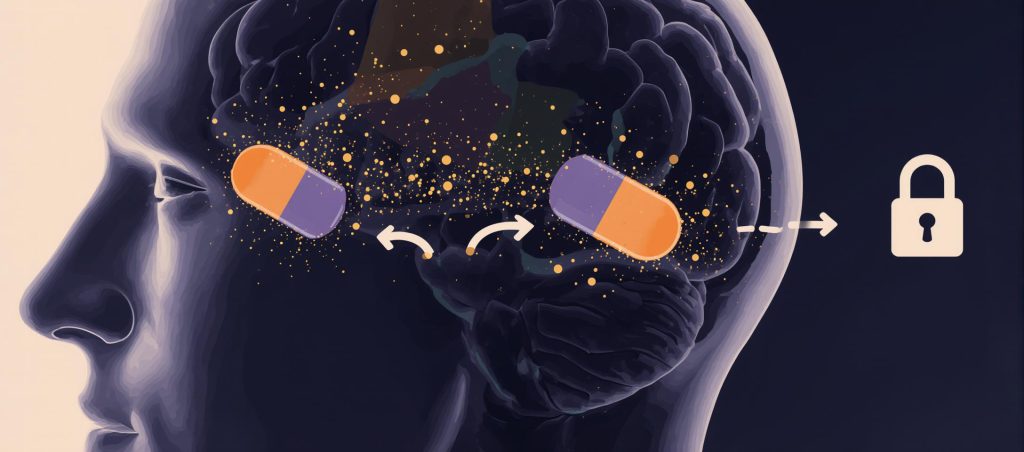
How naltrexone blocks alcohol’s reward in the brain
When you drink alcohol, it triggers the release of endogenous opioids, the brain’s own morphine-like chemicals. These bind to mu-opioid receptors and stimulate a downstream surge of dopamine in the mesolimbic reward pathway, a circuit that runs through the nucleus accumbens and ventral striatum. That dopamine surge is the biological basis of alcohol’s pleasurable, reinforcing effect. It is what makes you want another drink.
Opioid receptor blocker
Naltrexone is a mu-opioid receptor antagonist. It occupies those receptors without activating them. So when alcohol triggers opioid release, the signal is blocked before it reaches the dopamine system. Alcohol produces noticeably less euphoria, and drinks feel flatter. The urge to have another is reduced. This is because the neurological reward that would normally drive that urge simply does not arrive in the same way.
Naltrexone weakens the reward reinforcement
Over repeated drinking sessions, this targeted opioid receptor blockade gradually weakens the brain’s association between drinking and reward. Cue-triggered craving, the pull you feel when you pass a pub or smell a glass of wine, also decreases over time as the extinction process takes hold. This is why TSM produces gradual rather than immediate change. The brain is being retrained through experience, and that takes time.
How does the Sinclair Method work in practice: the TSM protocol
Dose and timing
The standard dose is 50 mg oral naltrexone, taken approximately one hour before the first drink. Some clinicians recommend a two-hour window during the first month to ensure full receptor occupancy before drinking begins. For tolerability, a starting dose of naltrexone 25 mg for the first few days is sometimes used before stepping up to the full 50 mg.
When to take naltrexone
On non-drinking days, no tablets or capsules are needed. Naltrexone is taken only on days when the patient plans to drink. This targeted, as-needed approach is a defining feature of TSM and sets it apart from the daily naltrexone regimens supported by current treatment guidelines. It is also worth noting that TSM represents an off-label, targeted use of naltrexone. While naltrexone itself is a licensed medication for alcohol dependence, the specific pre-drinking TSM protocol is not yet listed as a formally recommended first-line regimen in NICE guidance. The medication is tied directly to the behaviour being treated. This also means patients are not managing a daily tablet as part of their routine.
What to expect over time
There is no requirement to cut down immediately or set a target date to stop. The reduction in drinking emerges naturally as the extinction process accumulates. Patients should expect the early weeks to feel unremarkable. The mechanism works quietly in the background. The change builds with each session over months rather than days.
How long does the treatment last?
Most clinicians recommend a minimum of four to six months on the protocol. However, many patients continue for a year or longer, depending on their response. Recommended durations are largely practice-based and vary between clinicians. The goal is not rapid abstinence but a gradual shift. This is often described as reaching “extinction.” This describes a time where drinking either stops naturally or reduces to a level that the patient and their prescriber consider safe and manageable.
What the research says about how well TSM works
Large systematic reviews confirm that oral naltrexone 50 mg reduces heavy drinking episodes and the likelihood of returning to heavy use compared with placebo. One meta-analytic review found an overall effect in alcohol consumption. The effect is real, but it is modest rather than transformative on the population data alone.
It is worth being clear about what most of this evidence actually covers. The majority of clinical trials and reviews examine naltrexone broadly, including daily dosing regimens, rather than TSM specifically as a standalone targeted protocol. Large dedicated randomised controlled trials testing TSM as a distinct method are limited, and current clinical guidelines, including those from NICE, do not yet list TSM as a formally recommended first-line regimen for alcohol use disorder.
78% success rate?
A success rate of around 78% is frequently cited in discussions of TSM. This figure is based on Sinclair’s own programme reports and subsequent Finnish observational follow-up data and refers to participants who achieved a substantial reduction in drinking or reached extinction. It is an encouraging number, but it should be understood alongside the reality that “success” definitions vary between studies and that observational data carry limitations. The honest picture is this: the evidence for naltrexone reducing heavy drinking is solid. The evidence for TSM as a specific protocol is promising but still maturing.
Side effects, contraindications, and who should not use naltrexone
Nausea is the most frequently reported side effect, particularly in the first week of treatment. Taking the tablet with food, or starting on naltrexone 25 mg before moving to the full 50 mg, tends to reduce this significantly. Other common effects include headache, dizziness, fatigue, abdominal discomfort, changes to sleep, and reduced appetite. Most of these are mild and settle within the first few weeks as the body adjusts to the medication.
Mood changes
Mood changes, including low mood or increased anxiety, are less commonly reported. In clinical studies, these effects were present in a small proportion of patients. Serious adverse reactions are rare. However, any significant change in mood or mental health during treatment warrants a prompt conversation with your prescriber.
Opioid use and naltrexone
The most important contraindication for naltrexone is current opioid use. This includes prescription painkillers containing opioids, opioid-based cough medicines, and illicit opioids. Taking naltrexone while opioids are still active in the body can precipitate acute opioid withdrawal, which is a medical emergency. Patients must be fully opioid-free before starting. Standard guidance recommends a minimum of seven to ten days free of opioids.
Naltrexone and the liver
Naltrexone is also contraindicated in acute hepatitis or severe liver failure. A baseline liver function check may be requested before starting treatment. Anyone with known liver disease should discuss this explicitly with their prescriber before proceeding. If you are likely to need opioid-based pain relief in the near future, for surgery or a dental procedure, for example, your prescriber needs to know. This is because naltrexone’s receptor blockade will interfere with opioid analgesia.
Accessing TSM in the UK
NHS access to the Sinclair Method is inconsistent across the country. Naltrexone is a licensed medication available on the NHS for alcohol dependence, but TSM, as a specific targeted protocol, is not usually offered through NHS alcohol services. Patients referred to NHS drug and alcohol services may be offered daily naltrexone or alternative medications such as acamprosate. Whether you can access the targeted, pre-drinking TSM approach depends entirely on whether the service in your area includes a prescriber familiar with, and willing to support, this specific protocol. Provision varies by locality, and TSM is not a standard component of most NHS alcohol treatment pathways.
NHS route
Waiting times for NHS alcohol service assessments also vary considerably by region, which leads many patients to explore private routes. For those who want to begin the process without a referral, private online consultations with UK-licensed prescribers are a practical alternative.
Courier Pharmacy and TSM
Courier Pharmacy is a UK-registered online pharmacy that supports patients through the Sinclair Method as part of its clinical services. The process starts with an online consultation reviewed by a UK-licensed prescriber familiar with the TSM protocol. The prescriber assesses your suitability, checks for contraindications including opioid use and liver health, and can prescribe naltrexone directly, with medication delivered to your home. Ongoing clinical support is available throughout treatment so you are not navigating the process alone.
If you would like to explore whether TSM is appropriate for you, you can begin an online consultation with Courier Pharmacy today.


Taking the first step: understanding how the Sinclair Method works
The mechanism is established: naltrexone blocks the opioid-reward pathway each time you drink. As a result, the neurological reinforcement fades, and the learned compulsion to drink weakens over months of consistent use. The evidence base for naltrexone in reducing heavy drinking is solid. The TSM-specific research, while still maturing, adds a compelling layer of real-world support to that foundation.
Patience is required
TSM is not an overnight fix. It asks for patience, consistency, and clinical support. But for people who are not ready for or interested in immediate abstinence, its targeted protocol offers a genuinely different path. A path that works with the brain’s own learning mechanisms rather than relying on willpower alone.
Ready to start your TSM journey?
If you are still asking how does the Sinclair Method work in your specific situation, a clinical consultation is the right next step. Courier Pharmacy’s prescribers can assess whether naltrexone is appropriate for you, guide you through the protocol from the outset, and provide the follow-up support that makes a real difference to outcomes. You can begin your online consultation today and have your case reviewed by a UK-licensed prescriber without leaving your home.

Frequently asked questions about the Sinclair Method
How quickly does the Sinclair Method work?
Most patients do not notice significant changes in the first few weeks. The extinction process is cumulative. Meaningful reductions in craving and drinking typically begin to emerge after one to three months of consistent use. Full extinction, where drinking reduces substantially or stops altogether, generally takes between four and twelve months. However, these times vary between individuals.
Is naltrexone safe to take long-term?
Naltrexone has a well-established safety profile when used at the standard 50 mg dose. Liver function monitoring is commonly carried out, particularly at baseline and periodically during treatment. Serious adverse events are rare. Your prescriber will review your health history and any relevant test results before recommending naltrexone and will advise on appropriate monitoring throughout.
Can I take opioid pain relief while on naltrexone?
No. Naltrexone blocks opioid receptors, meaning opioid-based pain medications will not work effectively while it is active. If you need surgery, dental work, or other procedures where opioid analgesia may be used, you must inform both your prescriber and the clinical team treating you well in advance so that appropriate arrangements can be made.
Is the Sinclair Method the same as daily naltrexone?
No. Daily naltrexone is the regimen most commonly examined in clinical trials and supported by current guidelines. TSM is a targeted, as-needed protocol in which naltrexone is taken only before drinking. This distinction matters both practically and evidentially: TSM-specific RCT data are more limited than the broader naltrexone evidence base, and TSM is not currently listed as a first-line treatment in NICE guidance.
References:
- National Health Service (2024) Alcohol misuse. Available at: https://www.nhs.uk/conditions/alcohol-misuse/ (Accessed: 27 July 2026).
- National Institute for Health and Care Excellence (2011, updated) Alcohol-use disorders: diagnosis, assessment and management of harmful drinking and alcohol dependence (CG115). Available at: https://www.nice.org.uk/guidance/cg115 (Accessed: 27 July 2026).
- World Health Organization (2001) AUDIT: The Alcohol Use Disorders Identification Test, Guidelines for Use in Primary Care. Available at: https://www.who.int/publications/i/item/audit-the-alcohol-use-disorders-identification-test-guidelines-for-use-in-primary-care (Accessed: 27 July 2026).
- Bush, K. et al. (1998) ‘The AUDIT alcohol consumption questions (AUDIT-C): an effective brief screening test for problem drinking’, Archives of Internal Medicine, 158(16), pp. 1789–1795. Available at: https://jamanetwork.com/journals/jamainternalmedicine/fullarticle/208954 (Accessed: 27 July 2026).
- Sinclair, J.D. (2001) ‘Evidence about the use of naltrexone and for different ways of using it in the treatment of alcoholism’, Alcohol and Alcoholism, 36(1), pp. 2–10. Available at: https://pubmed.ncbi.nlm.nih.gov/11139409/ (Accessed: 27 July 2026).
- British National Formulary (no date) Naltrexone hydrochloride. Available at: https://bnf.nice.org.uk/ (Accessed: 27 July 2026).
- Courier Pharmacy (2026) The Sinclair Method: Blocking Endorphin-Driven Reward. Courier Pharmacy. Available at: https://courierpharmacy.co.uk/the-sinclair-method-blocking-endorphin-driven-reward/ (Accessed: 27 July 2026).
- Courier Pharmacy (2026) The Sinclair Method for alcoholism: a UK guide. Available at: https://courierpharmacy.co.uk/the-sinclair-method-for-alcoholism-a-uk-guide/ (Accessed: 31 July 2026).
- Mayo Clinic (n.d.) Naltrexone (oral route): description. Available at: https://www.mayoclinic.org/drugs-supplements/naltrexone-oral-route/description/drg-20068408 (Accessed: 31 July 2026).
- O’Malley, S.S. and O’Brien, C.P. (2018) Naltrexone for the treatment of alcoholism: clinical findings, mechanisms of action, and pharmacogenetics. Available at: https://sites.lifesci.ucla.edu/psych-addictions/wp-content/uploads/sites/160/2018/01/Naltrexone-for-the-treatment-of-alcoholism-clinical-findings-mechanisms-of-action-and-pharmacogenetics..pdf (Accessed: 31 July 2026).
- Garbutt, J.C. (2009) ‘The state of pharmacotherapy for the treatment of alcohol dependence’, Journal of Substance Abuse Treatment, 36(1), pp. 15–23. Available at: https://pmc.ncbi.nlm.nih.gov/articles/PMC2565602/ (Accessed: 31 July 2026).
- National Center for Biotechnology Information (NCBI) (2024) Naltrexone. In: StatPearls [Internet]. Treasure Island (FL): StatPearls Publishing. Available at: https://www.ncbi.nlm.nih.gov/books/NBK534811/ (Accessed: 31 July 2026).