Home » Treatment » Periactin 4mg Tablets (30-tablet pack)
Periactin 4mg Tablets (30-tablet pack)
from£10.99
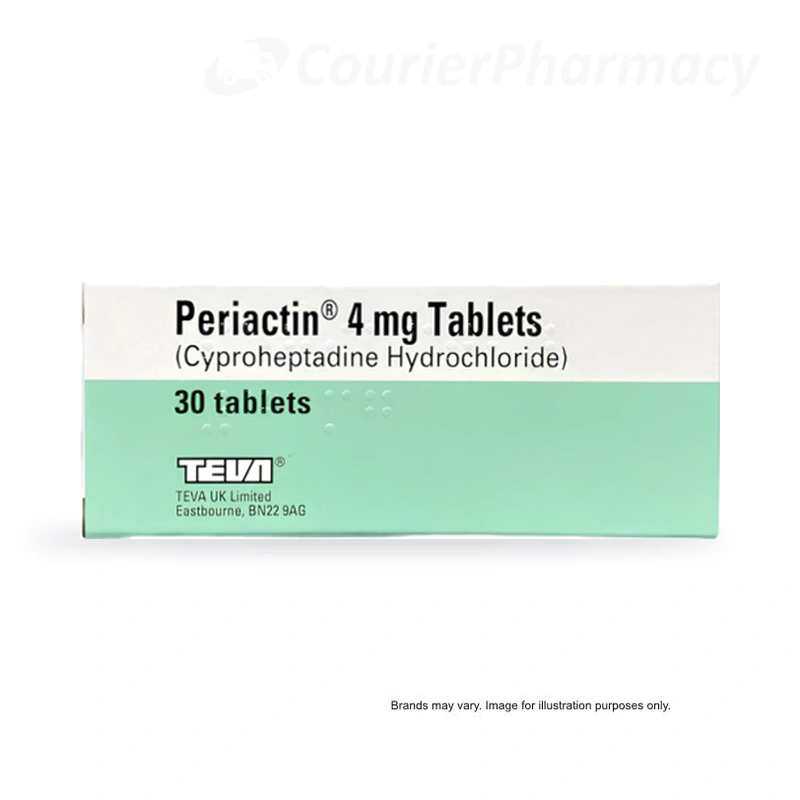
Periactin is a UK prescription-only medicine containing cyproheptadine hydrochloride 4mg per tablet, a first-generation sedating antihistamine licensed for allergic rhinitis, urticaria, angioedema, allergic conjunctivitis, dermatographism, food and drug allergies, and as an adjunct in the treatment of anaphylactic reactions.
Periactin retains a place where sedation is wanted (allergic symptoms disrupting sleep), where non-sedating alternatives haven’t been enough, or for specific conditions like dermatographism and physical urticarias.
Available from Courier Pharmacy with prescriber support and treatment that fits your situation.
Periactin is a long?established antihistamine used in the UK since the 1960s. It contains cyproheptadine hydrochloride 4mg, a first?generation (sedating) antihistamine. It also has anti?serotonin effects, which gives it a slightly different profile from newer options.
Today, most people start with a non?drowsy antihistamine. However, Periactin still has a place when its sedating effect helps, or when other antihistamines have not worked well.
First?generation vs second?generation antihistamines
Antihistamines now come in two main groups.
First?generation antihistamines (like cyproheptadine) can enter the brain more easily. As a result, they may cause:
drowsiness and slower reaction time
reduced concentration (so driving can be unsafe)
dry mouth, constipation, blurred vision, and urinary retention
Second?generation antihistamines (like cetirizine, loratadine, and fexofenadine) usually cause much less drowsiness. Therefore, they are the first choice for many people with hay fever or hives.
Where Periactin still fits
Periactin can help in specific situations, especially when symptoms affect sleep or feel hard to control. For example, it may suit:
night?time itching from urticaria or eczema flares, when sedation is helpful
persistent urticaria that has not responded well to non?sedating options
dermatographism (hives triggered by scratching or stroking the skin)
some physical urticarias, such as cold or cholinergic urticaria, when standard options have not been enough
On the other hand, for routine hay fever or mild hives in the daytime, a non?sedating antihistamine is often a better fit.
How Periactin compares with other allergy treatments
In UK practice, clinicians often choose treatments in steps. For instance:
Other add?ons in selected cases: intranasal antihistamines, H2 blockers for refractory urticaria, montelukast (with MHRA neuropsychiatric cautions), or allergen immunotherapy for severe specific allergies
So, Periactin sits in the “use with a reason” category, not the everyday first choice.
Who should use extra caution
Because Periactin can cause sedation and anticholinergic side effects, some people need extra care. In particular, caution applies if you:
are over 65, or have memory problems or confusion
have prostate enlargement or trouble passing urine
have glaucoma (especially narrow?angle)
take other sedating medicines (or drink alcohol), because sedation can add up
drive, cycle, or use machinery, since reaction time may slow
If any of these apply, a non?sedating option may be safer. However, your prescriber can advise based on your history.
Periactin from Courier Pharmacy
Courier Pharmacy supplies Periactin as a Prescription?Only Medicine (POM) with prescriber and pharmacist support. We check your consultation carefully first. That way, we can confirm it fits your symptoms and safety profile.
Key features and specifications
Active ingredient: cyproheptadine hydrochloride 4mg per tablet
Form: round white scored tablet (can be split if needed)
Pack size: 30 tablets
Licensed indications: allergic rhinitis, vasomotor rhinitis, allergic conjunctivitis, urticaria, angioedema, dermatographism, food and drug allergies, and as an adjunct in anaphylactic reactions
Standard adult dose: 4mg to 8mg three times daily (maximum 32mg per day)
Onset: usually 30–60 minutes; peak effect in 1–2 hours; lasts around 4–6 hours
Legal category: POM
Supplied by: Courier Pharmacy (UK GPhC?registered) with prescriber and pharmacist support
MOJO WISDOM
Take control of your health by understanding your condition and what this medication is doing for you.
READ:
More information about this treatment.
UK-based doctors and pharmacists
Discreet and Confidential
UK-based doctors and pharmacists
Free, Expert Advice
No video link provided.
No video link provided.
UK-based doctors and pharmacists
Free, expert advice
Discrete and confidential
Fast delivery
Giving you trusted clinical advice for over 40 conditions
A UK regulated pharmacy providing safe, effective treatments online since 2014
Periactin is one of the longest-established antihistamines in UK pharmacy, containing cyproheptadine hydrochloride 4mg per tablet. It’s a first-generation sedating antihistamine licensed for a range of allergic conditions including allergic rhinitis, urticaria, angioedema, allergic conjunctivitis, food and drug allergies, and dermatographism. For most patients in 2026, non-sedating second-generation antihistamines (cetirizine, loratadine, fexofenadine, bilastine) are the preferred first choice for allergic symptoms because they don’t cause drowsiness. Periactin still has a useful place in specific clinical situations: where sedation is wanted (allergic symptoms disrupting sleep), where the patient hasn’t responded adequately to non-sedating options, or where the additional pharmacological effects of cyproheptadine make it preferable to a standard antihistamine.
At Courier Pharmacy, we believe treatment that fits the person, not the marketing budget. That means being honest about where Periactin sits in modern allergy treatment, when it’s the right answer, and when a different antihistamine would suit you better. This page covers what Periactin is, what it’s licensed for, how it compares to modern non-sedating alternatives, who it might genuinely suit, and how to get the best from it.
Five key takeaways
Periactin contains cyproheptadine hydrochloride 4mg per tablet, a first-generation sedating antihistamine licensed in the UK for allergic rhinitis (perennial and seasonal), vasomotor rhinitis, allergic conjunctivitis, urticaria, angioedema, dermatographism, food and drug allergies, and as an adjunct in the treatment of anaphylactic reactions
Most patients with routine allergic conditions are better served by non-sedating second-generation antihistamines (cetirizine, loratadine, fexofenadine, bilastine, desloratadine, levocetirizine, rupatadine) which work equally well for histamine-mediated symptoms without causing drowsiness, impaired concentration, or driving restrictions
Periactin’s continuing role in modern UK practice is in specific situations: patients with allergic symptoms disrupting sleep where the sedation is genuinely useful, patients who haven’t responded adequately to non-sedating alternatives, patients who tolerate sedation poorly with newer agents, and certain niche clinical contexts under prescriber guidance
Standard adult dose is one to two 4mg tablets three times daily, with maximum 32mg (8 tablets) per day. The sedation is dose-related and most marked in the first few days of treatment, often improving with continued use. Significant precautions apply for driving, operating machinery, and combination with alcohol or other sedating medicines
Periactin has more anticholinergic side effects (dry mouth, urinary retention, blurred vision, constipation) than newer antihistamines, making it less suitable for older patients, patients with prostate enlargement or glaucoma, and patients taking other anticholinergic medicines. The MHRA generally cautions against routine use of sedating antihistamines in older patients where alternatives exist.
Product description: Periactin 4mg Tablets
Periactin is one of the longest-established antihistamines in UK pharmacy, on the market since the 1960s. The active ingredient cyproheptadine hydrochloride was developed by Merck in the 1950s as a first-generation antihistamine with additional anti-serotonergic effects. It became widely used through the second half of the 20th century for allergic conditions, and although it has been substantially superseded by non-sedating second-generation antihistamines for routine allergy care, it retains specific clinical roles where its particular profile is preferred.
The clinical position of Periactin in modern UK allergic care reflects the evolution of antihistamine treatment over the past 30 years.
The shift from first-generation to second-generation antihistamines
First-generation antihistamines (cyproheptadine, chlorphenamine, promethazine, hydroxyzine, diphenhydramine) cross the blood-brain barrier readily and produce significant central nervous system effects:
Sedation, drowsiness, and impaired concentration
Slowed reaction time affecting driving and operating machinery
Cognitive effects including memory and learning impairment
Second-generation antihistamines (cetirizine, loratadine, fexofenadine, bilastine, desloratadine, levocetirizine, rupatadine) were developed to retain the histamine-blocking efficacy of first-generation drugs while substantially reducing CNS penetration. The result: equally effective allergy symptom control, with much less drowsiness and far fewer anticholinergic effects.
For most UK patients with allergic rhinitis, urticaria, or other allergic conditions in 2026, the first-line antihistamine choice is a non-sedating second-generation agent. NHS, NICE, and BSACI guidance reflect this. The MHRA has issued multiple statements over the years recommending careful consideration before using first-generation sedating antihistamines, particularly in older patients and in any patient where alternatives exist.
Where Periactin still fits
Periactin retains a place in modern UK practice for specific clinical situations:
Allergic symptoms disrupting sleep where sedation is wanted: patients with significant nocturnal itching from urticaria, allergic eczema flare, or severe allergic rhinitis may benefit from the dual antihistamine effect plus useful sedation taken at bedtime
Patients not responding adequately to non-sedating antihistamines: some patients with refractory urticaria or persistent allergic symptoms benefit from switching to or adding a first-generation antihistamine, often at night
Patients who tolerate non-sedating antihistamines poorly: a small minority of patients have side effects from second-generation agents or prefer the sedating profile
Allergic skin conditions with prominent itching: the combination of histamine blockade plus mild anti-serotonergic effect plus sedation can be particularly useful for severe pruritus from urticaria, dermatographism, or allergic dermatitis
Patients with dermatographism (physical urticaria from skin stroking): cyproheptadine has a long track record for this specific condition
Cold urticaria, cholinergic urticaria, and other physical urticarias: where the standard non-sedating antihistamines haven’t fully controlled symptoms
Severe acute allergic reactions: as an adjunct in the treatment of allergic conditions where stronger antihistamine effect plus sedation is wanted (typically used alongside other treatments rather than as monotherapy for severe reactions)
For routine seasonal hay fever, mild allergic rhinitis, mild urticaria, or other straightforward allergic conditions in patients without sleep disturbance, a non-sedating second-generation antihistamine is usually a better choice.
How Periactin compares to other antihistamines
The UK antihistamine landscape in 2026 includes a range of options at different positions in the treatment ladder:
Second-generation non-sedating (first-line for most patients): loratadine 10mg, cetirizine 10mg, fexofenadine 180mg, bilastine 20mg, desloratadine 5mg, levocetirizine 5mg, rupatadine 10mg. Available over the counter or on prescription depending on agent. Once-daily dosing, minimal sedation, minimal anticholinergic effects, no significant interactions for most patients
First-generation sedating (specific situations): cyproheptadine (Periactin), chlorphenamine (Piriton), promethazine (Phenergan), hydroxyzine (Atarax), diphenhydramine (Nytol original). Used where sedation is wanted or where non-sedating options haven’t been enough
Intranasal antihistamines: azelastine (alone or as Dymista with fluticasone propionate), levocabastine. Useful for localised nasal allergic symptoms with faster onset than oral antihistamines
H2 antagonists used in allergic contexts: famotidine, ranitidine (withdrawn), nizatidine. Can be combined with H1 antihistamines for refractory urticaria
Intranasal corticosteroids: fluticasone, mometasone, beclometasone, budesonide, triamcinolone. Address the inflammatory component rather than blocking histamine
Leukotriene receptor antagonists: montelukast. With appropriate caution per MHRA 2019 and 2024 neuropsychiatric warnings
Allergen-specific immunotherapy: Grazax (grass pollen), Acarizax (house dust mite), Itulazax (tree pollen) for severe disease driven by specific allergens
Periactin’s specific profile (sedation, anti-serotonergic effect, anticholinergic effect, established track record) places it within the first-generation sedating category for selected patients, not as a first-line option for routine allergic conditions.
Patient groups where Periactin warrants extra caution
Several patient groups should generally avoid sedating antihistamines including Periactin, or use them with particular caution:
Older patients (typically over 65): MHRA guidance and the Beers Criteria caution against routine sedating antihistamine use because of increased fall risk, cognitive impairment, urinary retention, and anticholinergic burden. Non-sedating alternatives are strongly preferred
Patients with prostate enlargement (benign prostatic hyperplasia): risk of urinary retention from the anticholinergic effects
Patients with glaucoma (particularly narrow-angle glaucoma): anticholinergic effects can precipitate acute angle-closure
Patients taking other sedating medicines: alcohol, benzodiazepines, opioid analgesics, sedating antidepressants, sleep medicines. Cumulative sedation effects can be significant
Patients taking other anticholinergic medicines: amitriptyline, oxybutynin, hyoscine, some Parkinson’s disease medicines. Cumulative anticholinergic burden can produce significant effects
Patients with cognitive impairment, dementia, or delirium: sedating antihistamines can worsen cognitive function
Patients with epilepsy: theoretically lowers seizure threshold (rare clinical concern at standard doses)
Patients with significant cardiovascular disease, asthma, peptic ulcer disease, hepatic impairment, or hyperthyroidism: warrants prescriber assessment before use
We at Courier Pharmacy supply Periactin under pharmacist supervision. Our pharmacist will check the picture during your consultation to ensure Periactin is appropriate for your situation, rather than supplying it routinely without consideration of whether a non-sedating alternative would suit you better.
Key features and specifications
Active ingredient: cyproheptadine hydrochloride 4mg per tablet
Form: round white tablet, scored, suitable for splitting if half-dose needed
Pack size: 30 tablets (approximately 5 to 10 days of treatment at standard adult doses)
Licensed indications: allergic rhinitis (perennial and seasonal), vasomotor rhinitis, allergic conjunctivitis, urticaria, angioedema, dermatographism, food and drug allergies, and as an adjunct in the treatment of anaphylactic reactions
Standard adult dose: 4mg to 8mg three times daily, with maximum 32mg per day
Onset of action: 30 to 60 minutes; peak effect within 1 to 2 hours; duration of effect 4 to 6 hours
Legal category: Prescription-Only Medicine (POM)
Supplied by: Courier Pharmacy, UK GPhC-registered, with prescriber and pharmacist support
Why choose Courier Pharmacy for Periactin
At Courier Pharmacy, our whole approach is built on a simple idea: treatment that fits the person, not force the person to fit the system. For Periactin specifically, that means honest framing of where it sits in modern allergy treatment, when it’s the right answer, and when a different antihistamine would suit you better.
Our service is shaped by the philosophy of Dr Ada Jex-Cori, our brand pharmacist. Dr Ada represents the spirit of the pharmacy: evidence-led, community-rooted, and willing to challenge the one-size-fits-all approach to medicine. She is named in honour of three pioneering women in science: Ada Lovelace, the mathematician and visionary; Sophia Jex-Blake, the first female doctor in the UK who fought the medical establishment; and Gerty Cori, the biochemist and Nobel Prize winner. In our fictional world of Ethrewell, Dr Ada fights against pharma’s standardised approach to medicine. In the real world, she represents what we stand for. Her view is straightforward: you are not broken. The system is. And we are here to change that.
Honest framing of where Periactin fits
We won’t supply Periactin routinely without consideration of whether it’s the right choice for you. For most patients with allergic rhinitis, urticaria, or other allergic conditions, a non-sedating second-generation antihistamine (cetirizine, loratadine, fexofenadine, bilastine) is a better first choice. Periactin is appropriate for specific situations:
Allergic symptoms disrupting your sleep, where the sedation is genuinely useful at bedtime
Patients who haven’t responded adequately to non-sedating antihistamines, including those tried at fourfold standard doses for refractory urticaria
Specific conditions like dermatographism and physical urticarias where cyproheptadine has a particularly good track record
Patients who tolerate non-sedating antihistamines poorly or who specifically prefer the sedating profile for clinical reasons
Our prescriber will discuss your situation honestly. If a non-sedating alternative would suit you better, we’ll say so.
Treatment that fits, not one-size-fits-all
Most online pharmacies supply Periactin without thinking through the wider picture. Courier Pharmacy is different. We think through your situation: what symptoms you have, what you’ve already tried, what you tolerate well, what fits with your wider life including driving and work safety, and what your wider clinical picture looks like. Periactin may be the right answer for you; a non-sedating antihistamine may suit better; a combination approach with intranasal corticosteroid may be needed; or specialist allergy assessment may be what’s really worth considering. We’ll think through this with you honestly.
Careful screening for safety
Our prescriber screens carefully for the patient groups where Periactin warrants extra caution:
Older patients (over 65) where non-sedating alternatives are strongly preferred
Patients with prostate enlargement or symptoms of bladder outflow obstruction
Patients with glaucoma or family history of glaucoma
Patients on other sedating or anticholinergic medicines
Patients who drive for work or operate machinery
Patients with significant medical conditions warranting prescriber assessment
If any of these apply, we’ll discuss the trade-offs and consider alternatives before supplying.
Pharmacist support before and after purchase
Our pharmacist is available to discuss:
Whether Periactin is the right antihistamine for your situation, or whether a non-sedating alternative would suit you better
How to take Periactin for best effect, including dosing timing to minimise daytime sedation
Managing side effects, particularly daytime drowsiness and dry mouth
Combining Periactin with other treatments like intranasal corticosteroids or H2 antagonists for refractory urticaria
Drug interactions and what to be aware of
When your situation warrants GP review, allergy testing, or specialist referral
This is free and available before and after purchase. Get in touch if you have any questions.
Care for specific patient groups
We are happy to provide tailored support for:
Patients with chronic spontaneous urticaria where standard antihistamines haven’t given full control
Patients with dermatographism and physical urticarias where cyproheptadine has a particularly good track record
Patients with allergic rhinitis where night-time symptoms disrupt sleep and a sedating antihistamine at bedtime is a reasonable approach
Patients with refractory allergic conjunctivitis alongside other symptoms
Patients with MCAS, CFS, fibromyalgia, or other long-term conditions where allergic symptoms overlap with the broader picture and personalised care matters
Patients with multiple comorbidities and medicines where careful interaction and anticholinergic burden review is worthwhile
Coordination with your GP and other care
If you have a GP, allergist, dermatologist, or other healthcare professional involved in your care, we are happy to coordinate. For patients with chronic or refractory allergic conditions, joined-up care across primary care, pharmacy, and specialist services produces better outcomes than fragmented care.
Trust earned, not claimed
We are GPhC-regulated, we ground our content in NHS, NICE, BNF, EMC, BSACI, and MHRA guidance, and we will tell you honestly if Periactin isn’t the right answer for your situation. We’d rather give you the right advice than a quick sale.
How to buy Periactin from Courier Pharmacy
Periactin 4mg Tablets is a UK Prescription-Only Medicine (POM) supplied through Courier Pharmacy under prescriber and pharmacist supervision. The supply requires a prescription, which our prescriber can issue following an online consultation, or which you can supply if you have one from your GP or another prescriber.
Here is how our service works:
Add Periactin to your basket and complete a brief online consultation covering your allergic condition, what you’ve already tried, any current medicines, any relevant medical conditions, and your driving and work situation
Our prescriber reviews your answers to confirm Periactin is suitable for you. Where the prescriber needs to ask additional questions, recommend alternatives, or decline the supply, we will do so before processing
Once approved, your prescription is dispensed and dispatched discreetly to your door
Free pharmacist support is available before and after your purchase for any questions
If Periactin isn’t the right product for your situation, we will explain why and suggest alternatives. That might be:
Loratadine 10mg, cetirizine 10mg, or fexofenadine 180mg as non-sedating alternatives available over the counter
Bilastine 20mg, desloratadine 5mg, levocetirizine 5mg, or rupatadine 10mg through our prescription service for non-sedating options
Up to fourfold standard dose of non-sedating antihistamines (under prescriber guidance) for refractory urticaria before considering a sedating antihistamine
Famotidine 40mg in combination with H1 antihistamine for refractory chronic urticaria
Intranasal corticosteroids (Benacort, Nasacort, fluticasone, mometasone, beclometasone) for allergic rhinitis with significant nasal symptoms
Dymista combination intranasal spray for severe allergic rhinitis
Allergen-specific immunotherapy (Grazax for grass pollen, Acarizax for house dust mite, Itulazax for tree pollen) for severe disease driven by specific allergens
Referral to an allergist or dermatologist for chronic, refractory, or complex allergic conditions
GP appointment if you have features warranting medical assessment
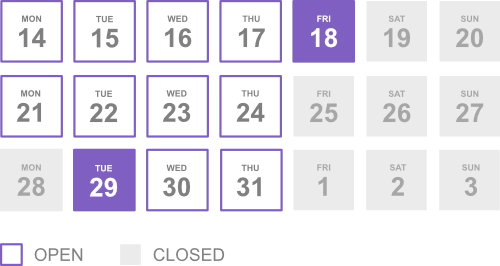
Our free fortnightly drop-in clinics at Insomnia, Derby run every other week from 10am to 12pm. Healthcare shouldn’t only happen when you’re paying for it. We show up, even when it’s free. We cover allergies, hay fever, chronic urticaria, asthma, MCAS, CFS, fibromyalgia, anaphylaxis, immunotherapy, hair loss, men’s health, weight management, and whatever else people bring through the door. No appointment needed, no charge, no pressure.
Active ingredients
Each Periactin tablet contains:
Cyproheptadine hydrochloride 4mg (active ingredient): a first-generation antihistamine with H1-receptor antagonist activity plus additional anti-serotonergic and anticholinergic effects. Cyproheptadine blocks the action of histamine at H1 receptors, reducing the typical histamine-mediated symptoms of allergic reactions (sneezing, itching, watery eyes, rhinorrhoea, urticaria, angioedema). The additional anti-serotonergic and anticholinergic effects contribute both to its therapeutic profile and to its side effect profile
Excipients commonly include: lactose monohydrate, maize starch, magnesium stearate, calcium phosphate, and other tablet-forming agents. Patients with lactose intolerance should be aware of the lactose content; significant clinical effects from the small amount of lactose in standard antihistamine tablets are uncommon, but worth flagging for severely lactose-intolerant patients.
Cyproheptadine is the international non-proprietary name (INN). Periactin is the originator brand. Generic cyproheptadine 4mg tablets are also available in some markets at lower cost; clinical effects are essentially identical at the active ingredient level. Periactin tablets are manufactured by Aspen Pharmacare in the UK.
The 30-tablet pack supplied by Courier Pharmacy provides approximately 5 to 10 days of treatment at standard adult doses (depending on whether the patient is on lower or higher end of the dose range).
Where Periactin fits in allergic conditions treatment
Allergic conditions are among the most common reasons UK patients seek treatment, affecting around 1 in 4 adults at some point each year. The conditions covered by Periactin's licensed indications span several distinct presentations:
Allergic rhinitis (perennial and seasonal)
Symptoms of sneezing, itchy nose, watery rhinorrhoea, nasal congestion, and often ocular itching. The most common allergic condition in UK adults:
Seasonal allergic rhinitis (hay fever): triggered by tree pollens (March to May), grass pollens (May to August, the most common UK trigger), or weed pollens (July to September)
Perennial allergic rhinitis: triggered by year-round indoor allergens like house dust mite, animal dander, indoor moulds
First-line treatment for most patients is a non-sedating second-generation antihistamine plus, for moderate to severe symptoms, an intranasal corticosteroid (Benacort, Nasacort, fluticasone, mometasone, beclometasone). Periactin may be useful where night-time symptoms disrupt sleep, where non-sedating antihistamines haven't been enough, or as a third-line option.
Vasomotor rhinitis
Non-allergic rhinitis with symptoms similar to allergic rhinitis (sneezing, rhinorrhoea, congestion) but without identifiable IgE-mediated allergic mechanism. Triggers can include temperature changes, strong smells, hormonal changes, certain medicines, and environmental irritants. Periactin's anticholinergic effects can be particularly useful for the rhinorrhoea component of vasomotor rhinitis where standard antihistamines may be less effective.
Allergic conjunctivitis
Itching, redness, watery discharge, and swelling of the conjunctiva, typically alongside allergic rhinitis but sometimes the dominant symptom. Most patients respond to non-sedating oral antihistamines plus topical ocular antihistamines (olopatadine, ketotifen, sodium cromoglicate). Periactin can help where night-time eye symptoms disrupt sleep or where ocular itching is severe.
Urticaria (hives)
Itchy raised wheals on the skin, ranging from a few isolated lesions to extensive eruption, lasting hours to days at a time:
Acute urticaria: episode lasting less than 6 weeks, often triggered by infection, medication, food allergy, or insect sting
Chronic spontaneous urticaria: persistent or recurrent urticaria over more than 6 weeks without identifiable trigger; affects around 1% of UK adults at some point
Physical urticarias: triggered by specific physical stimuli (pressure, cold, heat, water, exercise, sun, vibration). Dermatographism (skin writing) is a common form, with wheal formation along lines of skin scratching
Standard first-line treatment is non-sedating antihistamines at standard or up to fourfold standard dose for refractory cases. Periactin can be useful as an addition for nighttime symptoms or for specific physical urticarias including dermatographism.
Angioedema
Deeper swelling than urticaria, affecting lips, face, tongue, throat, hands, feet, or genitals. Often coexists with urticaria. Histamine-mediated angioedema responds to antihistamines; bradykinin-mediated angioedema (ACE inhibitor-induced, hereditary angioedema) does not and needs different management. Periactin is an option for histamine-mediated angioedema where sedation is wanted or where non-sedating antihistamines haven't been enough. Acute angioedema affecting the airway is a medical emergency requiring adrenaline (EpiPen, Jext, Eurneffy) and immediate hospital care, not antihistamine self-treatment.
Food and drug allergies
Allergic reactions to specific foods or medicines, ranging from mild (itching, rash, hives) to severe (anaphylaxis). Periactin can be useful for mild to moderate symptoms; severe reactions need adrenaline and emergency care. Patients with known significant food or drug allergies should have adrenaline autoinjectors (EpiPen, Jext, Eurneffy) prescribed and be familiar with their use.
Dermatographism and other physical urticarias
A specific condition where mechanical stimulation of the skin (scratching, firm stroking, tight clothing pressure) produces a wheal along the line of stimulation. Affects around 2 to 5% of the population. Cyproheptadine has a particularly well-established track record in dermatographism, sometimes producing better symptom control than non-sedating antihistamines alone.
Anaphylaxis adjunct
Anaphylaxis is a medical emergency requiring intramuscular adrenaline as the first-line life-saving intervention. Antihistamines (sedating or non-sedating) are not first-line treatment for anaphylaxis and should never delay adrenaline. Once adrenaline has been administered and the patient is in a safe clinical setting, antihistamines can be used as adjuncts to help with residual histamine-mediated symptoms. Periactin's licensed indication as an anaphylaxis adjunct reflects this supportive role, not a primary treatment role.
How Periactin works
Cyproheptadine has multiple mechanisms of action that contribute to its therapeutic and side effect profile:
H1 histamine receptor antagonism
The primary therapeutic effect. Cyproheptadine competitively blocks histamine binding to H1 receptors on:
Vascular endothelium (reducing capillary leak and oedema)
Smooth muscle (reducing bronchoconstriction, though clinical effect on asthma is limited)
Sensory nerves (reducing itching)
Mucous glands (reducing rhinorrhoea and lacrimation)
Blocking these receptors reduces the typical histamine-mediated symptoms of allergic reactions: itching, sneezing, watery eyes, rhinorrhoea, urticaria, and angioedema.
Anti-serotonergic effects
Cyproheptadine is also a 5-HT2 serotonin receptor antagonist. This produces some additional clinical effects:
Useful in serotonin syndrome management (a hospital-based use)
Some appetite-stimulating effect (the basis for off-label use in poor appetite, though not a licensed UK indication)
Possible mild benefit in some headache disorders (historical use in migraine prevention, though not first-line in modern UK practice)
Anticholinergic effects
Cyproheptadine has muscarinic acetylcholine receptor antagonist activity, contributing to:
Drying of secretions (useful for rhinorrhoea but causes dry mouth)
Mild bronchodilation
Urinary retention (problem in patients with prostate enlargement)
Blurred vision (from pupil dilation and reduced lens accommodation)
Constipation
Cognitive effects (confusion, particularly in older patients)
The anticholinergic effects are a significant reason why second-generation antihistamines (with much less anticholinergic activity) are preferred for routine allergy care.
Sedation
Cyproheptadine readily crosses the blood-brain barrier and produces significant central nervous system effects. Sedation occurs through:
Central H1 receptor blockade (the main sedating mechanism)
Anticholinergic effects on cognitive function
Mild anti-serotonergic effects on alertness
Sedation is most pronounced in the first few days of treatment and often improves with continued use as tolerance develops, though some sedating effect typically persists. The sedation is dose-related: lower doses produce less sedation. Some patients find the sedation useful (improved sleep with bedtime dosing); for others, the sedation is the limiting factor preventing daytime use.
Pharmacokinetics
After oral administration, cyproheptadine is well-absorbed from the GI tract. Peak plasma concentrations occur 1 to 2 hours after dosing. The half-life is around 8 to 16 hours, supporting three-times-daily dosing for sustained symptom control. Metabolism is primarily hepatic via glucuronidation. Most of the metabolites are excreted in urine; a small proportion appears in faeces. Hepatic impairment can affect metabolism, warranting dose reduction or use of an alternative agent.
How to take Periactin 4mg Tablets
The information below is a summary for reference. The definitive guide is the patient information leaflet supplied with the product. If you are unsure about any aspect of dosing, contact our pharmacist for support.
Dosing
Adults (18 years and over):
Standard adult dose: 4mg (one tablet) three times daily, increased if needed to 8mg (two tablets) three times daily
Maximum adult daily dose: 32mg (8 tablets) per day
Sleep-targeted use: some patients are prescribed a single 4mg or 8mg dose at bedtime when sedation is wanted (for example, urticaria disrupting sleep). This is a common off-label dosing pattern within the licensed total daily dose range
Older patients (over 65 years):
Generally not recommended because of the anticholinergic burden, fall risk, and cognitive effects
Where Periactin is judged the right choice despite these concerns, start at lower doses (4mg once or twice daily rather than three times daily) and titrate carefully
Non-sedating alternatives strongly preferred in this age group
Children:
Periactin is licensed for children but should be prescribed by a paediatrician or GP rather than self-supplied through online pharmacy. Paediatric dosing depends on age and weight
For paediatric allergic conditions, non-sedating alternatives (cetirizine, loratadine) are generally first-line
Pregnancy and breastfeeding:
Limited human data; manufacturer advises against use in pregnancy unless considered essential by the prescriber
Loratadine and cetirizine have more extensive pregnancy safety data and are preferred for allergic conditions in pregnancy
Cyproheptadine is excreted in breast milk; not recommended during breastfeeding because of potential sedation and feeding effects on the infant
How to take
Swallow the tablet whole with a glass of water
Can be taken with or without food; food doesn't significantly affect absorption
Tablets are scored and can be split if half-dose is needed
Time doses to suit your symptom pattern: bedtime dose for night-time symptoms or sleep disturbance from allergic itch; daytime doses spread across the day if needed
When to expect results
Effect on allergic symptoms typically begins 30 to 60 minutes after the dose, peaks at 1 to 2 hours, and lasts 4 to 6 hours. For sustained allergic conditions (chronic urticaria, perennial allergic rhinitis), regular dosing produces steady-state control within 1 to 2 days. For acute allergic reactions, a single dose produces benefit within an hour.
How long to take it
Duration depends on the condition:
Acute allergic reactions: short course of a few days until symptoms resolve
Seasonal allergic rhinitis: through the dominant pollen season, typically 2 to 4 months per year
Perennial allergic rhinitis: longer-term use under prescriber review
Chronic urticaria: longer-term use with periodic prescriber review to confirm ongoing need
Periodic prescriber review is sensible for any patient on long-term Periactin to confirm ongoing benefit and review whether a non-sedating alternative would now suit better.
Missing a dose
If you miss a dose, take it as soon as you remember unless it's nearly time for the next dose. Don't double-dose to catch up. For Periactin used for symptom control rather than prevention, missing the occasional dose simply means the gap between effective drug levels is longer.
Stopping Periactin
Periactin can be stopped without a taper. There is no withdrawal effect from stopping antihistamines. Symptoms of the underlying allergic condition will return if the medicine was effectively controlling them; if you've been on Periactin for an extended period for chronic urticaria or perennial allergic rhinitis, discuss with the prescriber whether to switch to a non-sedating alternative rather than stopping treatment entirely.
Storage
Store at room temperature, below 25°C, in the original packaging to protect from moisture and light. Keep out of sight and reach of children. Do not use after the expiry date.
Warnings and precautions for Periactin
When not to use Periactin
Periactin should not be used in:
Patients with known hypersensitivity to cyproheptadine or any tablet excipient
Newborn infants and premature babies
Breastfeeding women (because of sedation risk to infant and feeding effects)
Patients with closed-angle (narrow-angle) glaucoma
Patients with significant urinary retention or bladder outflow obstruction
Patients with pyloroduodenal obstruction or active gastric ulcer
Older patients who are debilitated
Patients taking monoamine oxidase inhibitors (MAOIs) or within 14 days of stopping MAOIs
When to seek prescriber discussion before use
Several situations warrant prescriber discussion before starting Periactin:
Older age (over 65) where non-sedating alternatives are strongly preferred
Prostate enlargement or symptoms of bladder outflow obstruction
Open-angle glaucoma or family history of glaucoma
Hepatic impairment (cyproheptadine is hepatically metabolised; dose reduction or alternative agent may be needed)
Significant respiratory disease including asthma (although bronchodilator effect is mild)
Hyperthyroidism
Diabetes (sedation may mask hypoglycaemic symptoms)
Epilepsy or history of seizures
Cognitive impairment, dementia, or risk of delirium
Significant anticholinergic burden from other medicines
Pregnancy or planning pregnancy
Patients driving for work or operating machinery
Patients with significant alcohol use
Driving and operating machinery
Periactin causes sedation in most patients, particularly in the first few days of treatment. The MHRA has issued specific guidance on driving with sedating medicines. Patients on Periactin should:
Not drive or operate machinery until they know how the medicine affects them personally
Avoid driving if they experience any drowsiness, slowed reactions, or impaired concentration
Be aware that the legal drug-driving regulations in the UK include certain medicines, and impairment from prescribed medicines can still result in driving offences
Consider non-sedating alternatives if regular driving is essential
If you have a job that involves driving (lorry, taxi, bus driving), operating machinery, working at heights, or other safety-critical roles, discuss this with our prescriber. A non-sedating antihistamine is likely to be a better choice.
Alcohol and other sedating substances
Avoid alcohol while taking Periactin. Combined sedation can be substantial and dangerous. Other substances that increase sedation include:
Other sedating antihistamines (chlorphenamine, promethazine, hydroxyzine, diphenhydramine)
Combination of Periactin with these substances substantially increases sedation, impaired coordination, respiratory depression risk (particularly with opioids), and accident risk.
Anticholinergic burden
Periactin contributes to overall anticholinergic burden, which is a concept describing the cumulative anticholinergic effects of all medicines a patient is taking. High anticholinergic burden is associated with:
Confusion and cognitive impairment, particularly in older patients
Increased dementia risk with long-term use
Urinary retention
Constipation
Falls
Hospital admissions in vulnerable patients
Patients already on anticholinergic medicines (amitriptyline, nortriptyline, oxybutynin, tolterodine, hyoscine, some Parkinson's disease medicines, some antipsychotics) should generally avoid adding Periactin. Non-sedating antihistamines are a much better choice for cumulative burden reasons.
Older patients
MHRA guidance and the Beers Criteria (an international list of medicines best avoided in older patients) advise against routine use of first-generation sedating antihistamines including cyproheptadine in patients over 65 years. The reasons:
Increased fall risk from sedation and dizziness
Cognitive impairment, particularly in patients with dementia or delirium risk
Urinary retention with prostate enlargement
Worsening of glaucoma
Cumulative anticholinergic burden contributing to longer-term cognitive decline
Driving safety concerns
For older patients with allergic conditions, non-sedating second-generation antihistamines (loratadine, cetirizine, fexofenadine) are strongly preferred. Where a sedating effect is wanted (sleep-disrupting urticaria), the prescriber and patient should discuss the trade-offs before choosing Periactin.
Pregnancy and breastfeeding
Pregnancy: limited human data on cyproheptadine specifically. Manufacturer advises against use in pregnancy unless considered essential by the prescriber. For allergic conditions in pregnancy, loratadine and cetirizine have more extensive safety data and are preferred.
Breastfeeding: cyproheptadine is excreted in breast milk and can cause sedation, irritability, and feeding effects in the infant. Not recommended during breastfeeding. Loratadine and cetirizine are generally considered safer during breastfeeding.
Surgery and anaesthesia
Stop Periactin at least 72 hours before any allergy testing (it interferes with results). For surgery, mention Periactin use to the anaesthetist as it can interact with anaesthetic agents and contribute to anticholinergic effects.
Side effects of Periactin
Periactin has a more extensive side effect profile than newer non-sedating antihistamines because of its sedating, anticholinergic, and anti-serotonergic effects.
Very common side effects (more than 1 in 10 patients)
Sedation, drowsiness, fatigue (the most common and limiting side effect; usually most pronounced in the first few days, often improving with continued use)
Dry mouth
Common side effects (up to 1 in 10 patients)
Dizziness
Impaired concentration and slowed reaction time
Headache
Blurred vision
Constipation
Urinary retention or difficulty starting urination
Increased appetite and weight gain (related to the anti-serotonergic and antihistamine effects)
Nausea
Restlessness or agitation (paradoxical, particularly in children and older patients)
Less common side effects
Confusion, particularly in older patients
Insomnia (paradoxical, more common in children)
Tremor
Skin rash
Photosensitivity
Hypotension and dizziness on standing
Palpitations
Tinnitus
Rare but more significant side effects
Severe hypersensitivity reactions including anaphylaxis (very rare)
Hepatic dysfunction with jaundice or significant abnormal liver function tests
Blood dyscrasias (rare reports of leucopenia, agranulocytosis, thrombocytopenia)
Seizures
Significant cardiovascular effects including arrhythmias and significant hypotension
Severe anticholinergic syndrome (overdose or excessive cumulative anticholinergic burden)
Acute angle-closure glaucoma in susceptible patients
Stop and seek advice if
You develop severe drowsiness affecting safety or daily functioning
You develop significant urinary retention (cannot pass urine, severe lower abdominal discomfort)
You develop new visual symptoms (sudden blurring, eye pain, halos around lights; possible angle-closure glaucoma)
You develop significant confusion, particularly in an older patient
You develop signs of severe allergic reaction (significant swelling, difficulty breathing, severe rash)
You develop jaundice (yellowing of skin or eyes), persistent significant nausea, or right upper abdominal pain
You develop persistent headache, dizziness, or symptoms affecting your ability to drive safely
You develop unexplained bruising, bleeding, or frequent infections (possible blood dyscrasia, very rare)
Yellow Card reporting
Suspected adverse drug reactions can be reported to the MHRA via the Yellow Card scheme at yellowcard.mhra.gov.uk. Reporting helps build the safety picture for everyone.
Drug interactions with Periactin
Periactin has multiple clinically significant interactions that warrant attention. Our pharmacist will check the picture during your consultation.
Significant interactions
Monoamine oxidase inhibitors (MAOIs): phenelzine, tranylcypromine, isocarboxazid, moclobemide. Concurrent use is contraindicated; prolonged and intensified anticholinergic effects, severe hypotension, and other significant effects can occur. Wait at least 14 days after stopping MAOI before starting Periactin
Alcohol: significant additive sedation; avoid alcohol while taking Periactin
Other sedating medicines: benzodiazepines (diazepam, lorazepam, temazepam), Z-drugs (zopiclone, zolpidem), opioids (codeine, dihydrocodeine, tramadol, morphine), sedating antidepressants (amitriptyline, mirtazapine, trazodone, dosulepin), antipsychotics, sedating antihistamines. Additive sedation; combine cautiously and avoid where possible
Other anticholinergic medicines: tricyclic antidepressants (amitriptyline, nortriptyline, dosulepin, lofepramine), oxybutynin, tolterodine, hyoscine, atropine, some Parkinson's disease medicines, antipsychotics with anticholinergic effects. Cumulative anticholinergic burden, particularly significant in older patients
Selective serotonin reuptake inhibitors (SSRIs): potentially reduces SSRI antidepressant effect (the anti-serotonergic effect of cyproheptadine is the basis for off-label use in SSRI sexual dysfunction); discuss with prescriber if you are on long-term SSRI for depression
Allergy testing (skin prick tests, intradermal tests): stop Periactin at least 72 hours before testing to avoid false-negative results
Other interactions worth flagging
Beta-blockers and other antihypertensives: cyproheptadine can theoretically reduce antihypertensive effect through sympathetic effects; usually not clinically significant
Phenytoin and other antiepileptics: cyproheptadine can theoretically lower seizure threshold; usually not clinically significant at standard doses
Anticoagulants (warfarin, DOACs): no significant interaction at standard doses, but the sedation may mask early signs of bleeding
Diabetes medicines: sedation can mask hypoglycaemic symptoms; be aware if you are on insulin or sulphonylureas
Not significant interactions
Most blood pressure medicines, statins, hormonal contraceptives, most antibiotics: no significant interaction at standard doses
PPIs and H2 antagonists: no significant interaction; H2 antagonists like famotidine can be combined with antihistamines including Periactin for refractory urticaria
Intranasal corticosteroids and other allergy medicines: compatible with Periactin
For patients on any sedating, anticholinergic, or antidepressant medicines, our pharmacist will check the picture before supplying Periactin.
Frequently asked questions about Periactin
What is Periactin used for?
Periactin contains cyproheptadine 4mg and is licensed in the UK for allergic rhinitis (perennial and seasonal), vasomotor rhinitis, allergic conjunctivitis, urticaria, angioedema, dermatographism, food and drug allergies, and as an adjunct in the treatment of anaphylactic reactions. It is a first-generation sedating antihistamine.
Why is Periactin a prescription medicine when other antihistamines are over the counter?
Periactin is a first-generation sedating antihistamine with significant side effects and interactions, including substantial sedation, anticholinergic effects, and contraindications in several patient groups. Its supply under prescriber supervision allows proper screening for suitability, which is harder to achieve through over-the-counter sale. Non-sedating second-generation antihistamines (loratadine, cetirizine, fexofenadine) have a much better safety profile and are appropriate for OTC supply.
How is Periactin different from non-sedating antihistamines?
Non-sedating second-generation antihistamines (cetirizine, loratadine, fexofenadine, bilastine, desloratadine, levocetirizine, rupatadine) block the same H1 histamine receptors as Periactin but don't cross the blood-brain barrier significantly. This means equal efficacy for histamine-mediated symptoms with much less sedation and far fewer anticholinergic effects. For most patients, these newer antihistamines are a better first choice.
When would I want a sedating antihistamine like Periactin?
Specific situations: allergic symptoms disrupting your sleep where bedtime sedation is wanted, refractory urticaria or other allergic conditions not responding adequately to non-sedating antihistamines, specific conditions like dermatographism where cyproheptadine has a good track record, or where you tolerate non-sedating options poorly. For routine seasonal hay fever or mild allergic conditions, a non-sedating option is usually better.
How quickly does Periactin work?
Effect typically begins 30 to 60 minutes after the dose, peaks at 1 to 2 hours, and lasts 4 to 6 hours.
Can I take Periactin during the day?
Yes, the licensed dose is three times daily. However, daytime sedation can be significant, particularly in the first few days of treatment. Many patients find Periactin most useful taken at bedtime, where the sedation supports sleep and the antihistamine effect carries through the early morning. Daytime dosing is appropriate where you tolerate the sedation well and don't need to drive or operate machinery.
Can I drive while taking Periactin?
Not until you know how the medicine affects you personally. Periactin causes sedation in most patients and impairs driving performance, particularly in the first few days. If you experience any drowsiness, slowed reactions, or impaired concentration, don't drive. The legal drug-driving regulations in the UK include certain medicines, and impairment from prescribed medicines can still result in driving offences. For patients who drive for work, a non-sedating alternative is strongly preferred.
Can I drink alcohol while taking Periactin?
Avoid alcohol while taking Periactin. The combination produces substantial additive sedation that can be dangerous.
Can older patients take Periactin?
Generally not recommended. MHRA guidance and the Beers Criteria advise against routine sedating antihistamine use in patients over 65 because of fall risk, cognitive effects, urinary retention with prostate enlargement, glaucoma worsening, and cumulative anticholinergic burden. Non-sedating alternatives are strongly preferred.
Can I take Periactin during pregnancy?
Limited human data. Manufacturer advises against use in pregnancy unless considered essential by the prescriber. Loratadine and cetirizine have more extensive pregnancy safety data and are preferred for allergic conditions in pregnancy. Discuss with your prescriber or midwife if you become pregnant during treatment.
Can I take Periactin while breastfeeding?
No, not recommended. Cyproheptadine is excreted in breast milk and can cause sedation, irritability, and feeding effects in the infant. Loratadine and cetirizine are considered safer during breastfeeding.
Can children take Periactin?
Periactin is licensed for children but should be prescribed by a paediatrician or GP rather than self-supplied through online pharmacy. For paediatric allergic conditions, non-sedating alternatives (cetirizine, loratadine) are generally first-line. Paediatric supply through Courier Pharmacy would typically be coordinated with the child's GP.
Does Periactin really cause weight gain?
Some patients do gain weight on Periactin, related to increased appetite from the anti-serotonergic effect plus general antihistamine effects on appetite regulation. Weight gain is usually modest at standard doses but can be more significant at higher doses. If weight gain is a concern, this is worth discussing with the prescriber when choosing an antihistamine.
Can I take Periactin with my other allergy medicines?
Periactin is compatible with intranasal corticosteroids (Benacort, Nasacort, fluticasone, mometasone, beclometasone), H2 antagonists (famotidine), and most other allergy treatments. The combination of Periactin with H1 plus famotidine H2 antagonist is sometimes used for refractory urticaria. Avoid combining Periactin with other sedating antihistamines (chlorphenamine, promethazine, diphenhydramine) because of additive sedation.
How long can I take Periactin for?
Duration depends on the condition. Acute allergic reactions: a few days. Seasonal allergic rhinitis: through the pollen season. Chronic urticaria or perennial allergic rhinitis: longer-term use under prescriber review. Periodic prescriber review is sensible for long-term use to confirm ongoing benefit and consider whether a non-sedating alternative would now suit better.
What if Periactin makes me too sleepy?
Common in the first few days; often improves with continued use. Options: take the dose at bedtime only rather than three times daily, reduce to a lower dose, take with food, or consider switching to a non-sedating alternative. Discuss with our pharmacist or prescriber.
What if Periactin doesn't help my allergies?
Several options: confirm correct dosing and timing, consider adding an intranasal corticosteroid for nasal symptoms, consider adding H2 antagonist (famotidine) for refractory urticaria, switch to a different antihistamine, or pursue further allergy assessment. Our prescriber and pharmacist can advise.
Can I stop Periactin suddenly?
Yes. Antihistamines do not require a taper. Symptoms of the underlying allergic condition will return if the medicine was effectively controlling them.
How should I store Periactin?
Store at room temperature, below 25°C, in the original packaging to protect from moisture and light. Keep out of sight and reach of children.
How do I order Periactin from Courier Pharmacy?
Add the product to your basket on courierpharmacy.co.uk and complete the online consultation. Our prescriber will review your answers and confirm suitability. If you already have a prescription from another prescriber, you can supply that. Free pharmacist support is available before and after your order.
More than a prescription: our community
Healthcare shouldn't only happen when you're paying for it. Every fortnight we run free drop-in talks and clinics at Insomnia, Derby, from 10am to 12pm. We show up, even when it's free. Bring a question, bring a friend, bring a stack of bewildering letters from another clinic; we'll sit with you. We cover allergies, hay fever, chronic urticaria, asthma, MCAS, CFS, fibromyalgia, anaphylaxis, immunotherapy, hair loss, men's health, weight management, and whatever else people bring through the door. No appointment. No cost. No pressure. Just real support and treatment that fits.
Disclaimer: This article is for information only and isn't a substitute for personal medical advice. Always speak to a qualified prescriber before starting or changing treatment.
How this content was created
Written by the Courier Pharmacy editorial team and reviewed by a GPhC-registered pharmacist. Grounded in the latest NHS, BNF, and EMC guidance, and the real questions patients bring to our drop-in clinics in Derby.