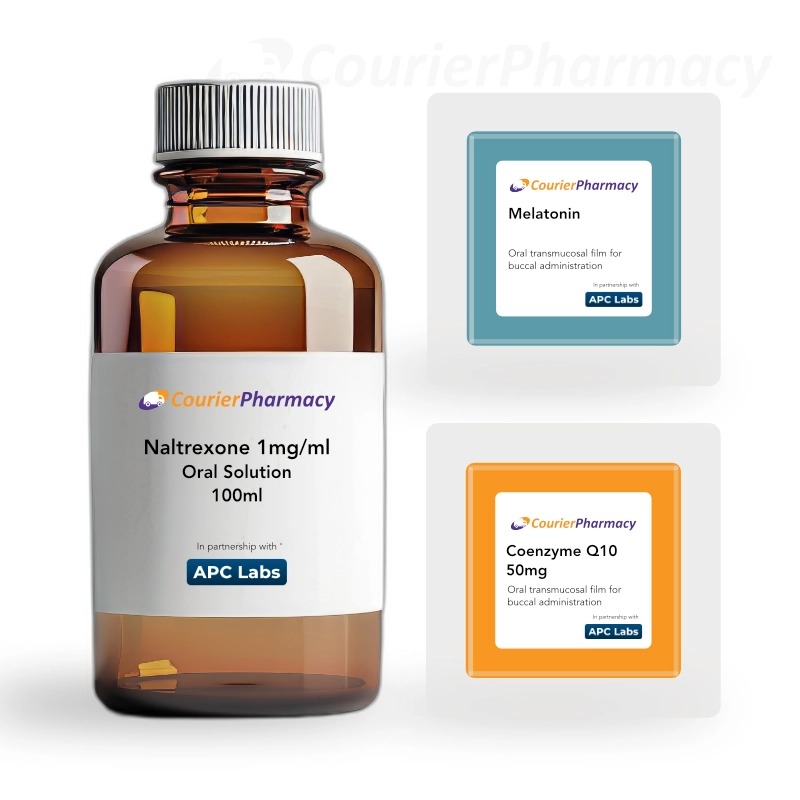
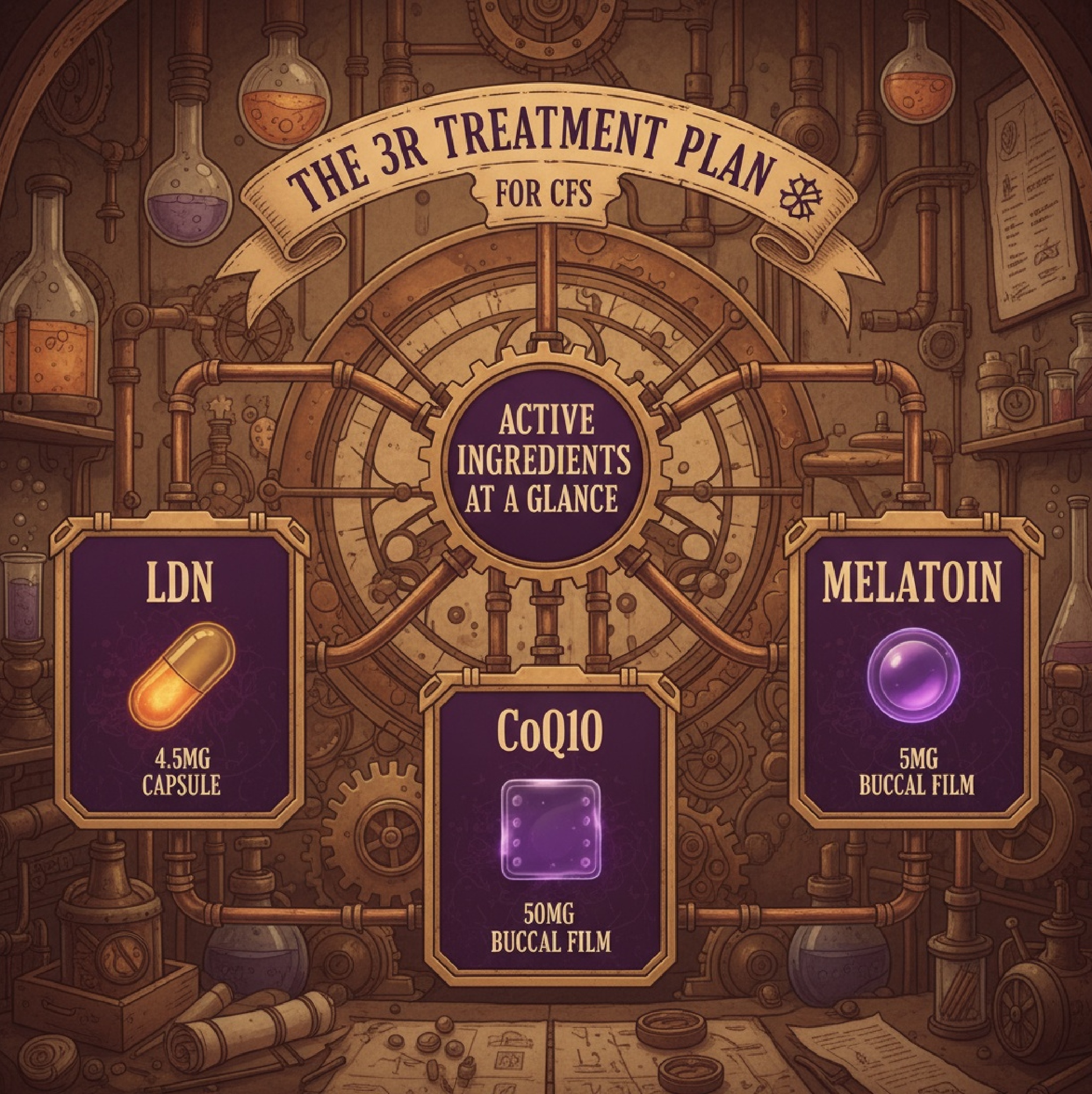
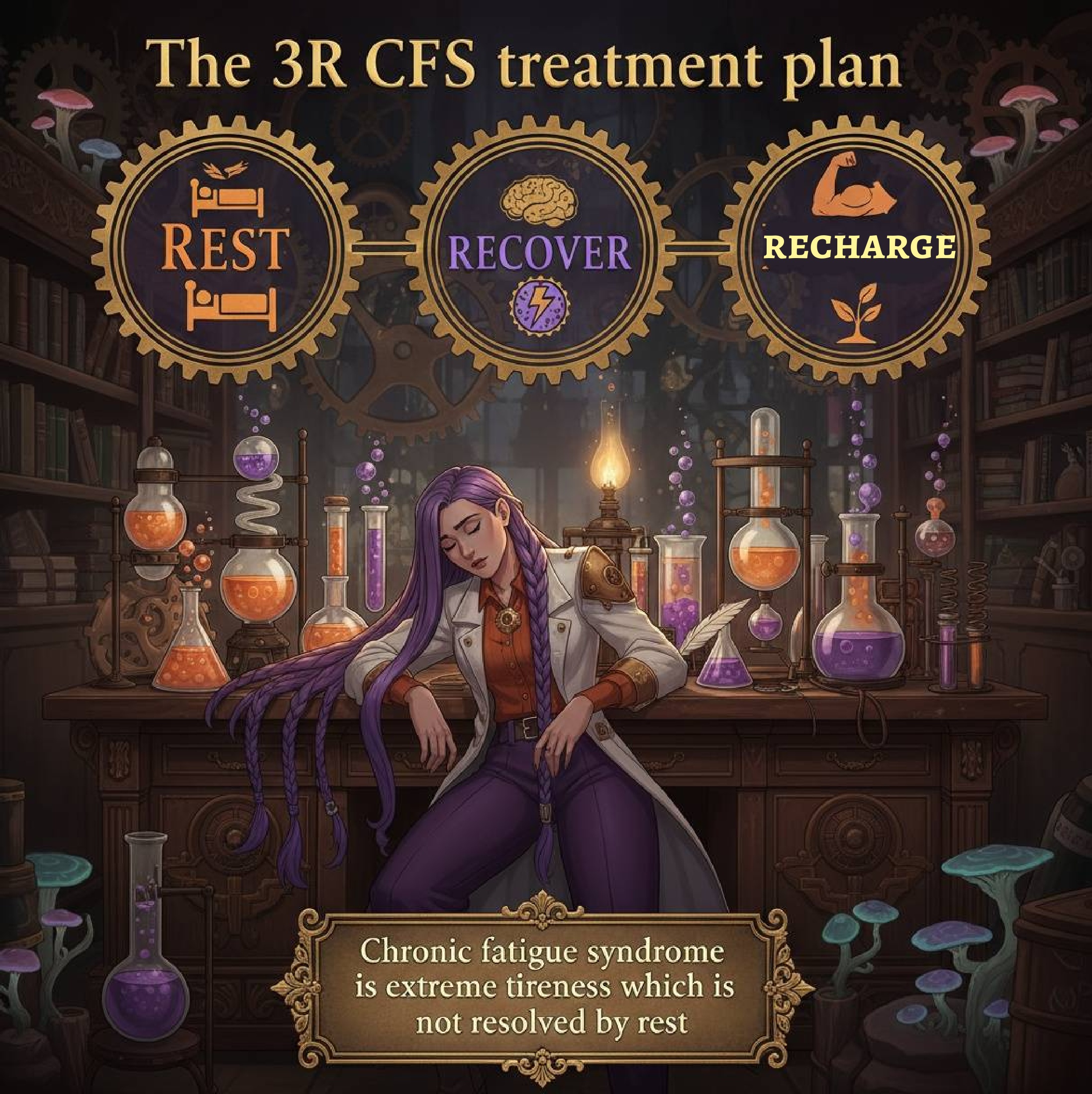
The 3R CFS treatment plan combines Low Dose Naltrexone (4.5mg), Coenzyme Q10 (50mg), and Melatonin(5mg) to help manage chronic fatigue symptoms by supporting immune balance, boosting energy, and improving sleep quality.
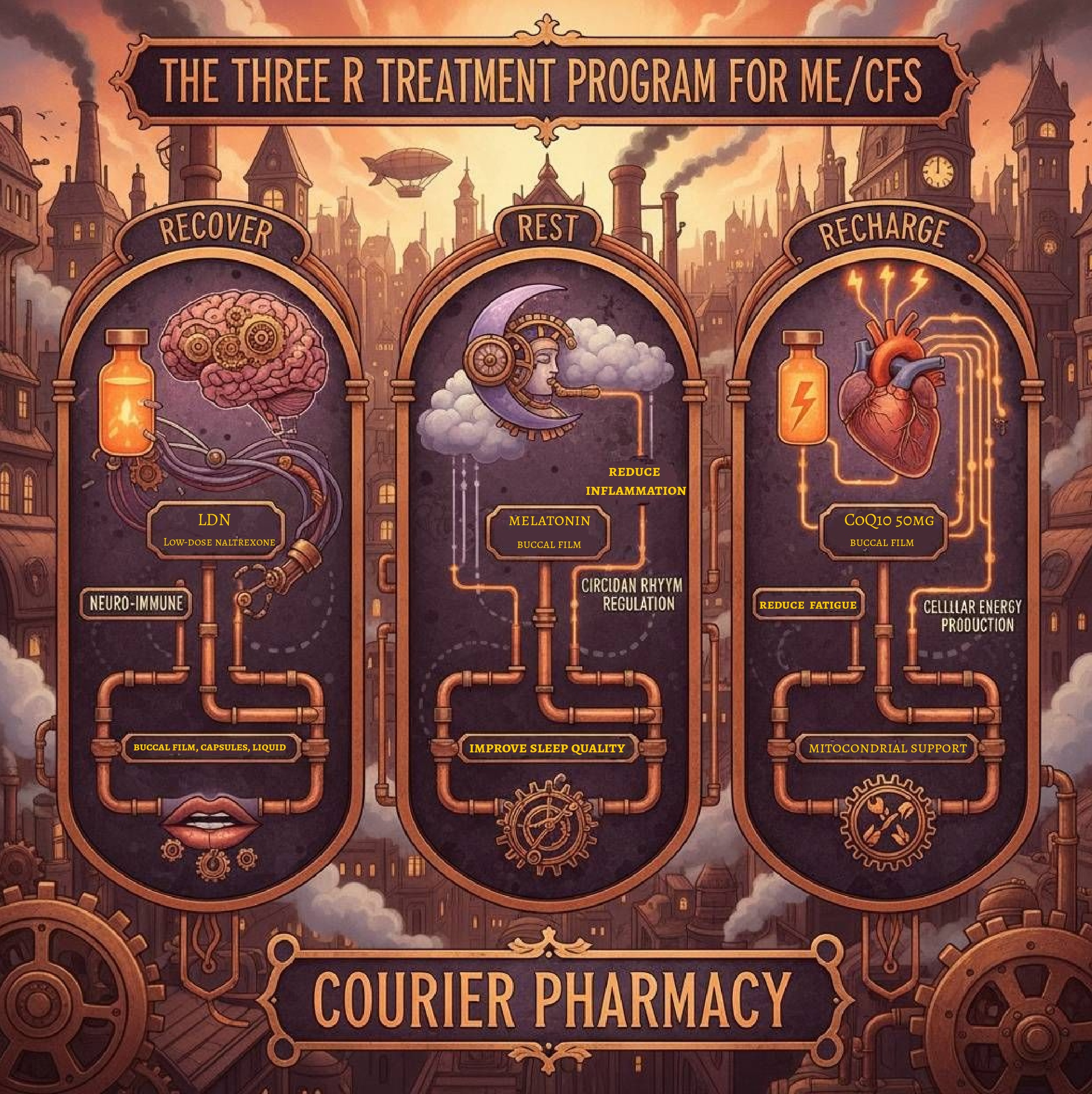
The 3R’s stand for: Recover (LDN), Rest (Melatonin), Recharge (Coenzyme Q10)
Product description: The 3R treatment plan for CFS (LDN, CoQ10, Melatonin)
The 3R treatment plan for CFS combines three powerful therapies to tackle multiple aspects of chronic fatigue syndrome:
Low Dose Naltrexone (LDN): This low-dose formulation of naltrexone actively regulates immune function. It also reduces inflammation, helping to ease pain and fatigue linked to CFS.
Coenzyme Q10 (CoQ10): As a vital antioxidant and energy booster. CoQ10 supports mitochondrial function and fights oxidative stress, which often disrupts energy in CFS patients.
Melatonin: This natural hormone supplement regulates your sleep-wake cycle, improving sleep quality.
Combination therapy to tackle symptoms of CFS
Together, these three components work synergistically to address immune dysregulation, energy production deficits, and sleep disturbances. These are usually the core challenges faced by people with CFS.
We tailor the 3R treatment plan for personalised care, prescribing it after a thorough medical assessment to maximise your treatment outcomes.
The 3R treatment plan for chronic fatigue syndrome (LDN, CoQ10, melatonin)
A comprehensive guide to managing chronic fatigue syndrome with Low Dose Naltrexone, Coenzyme Q10, and Melatonin
Chronic Fatigue Syndrome (CFS), also known as Myalgic Encephalomyelitis (ME), is a complex condition that can leave sufferers feeling drained, foggy-headed, and struggling with daily life.
While there’s no single cure, emerging personalised treatment approaches like the 3R plan—which combines Low Dose Naltrexone (LDN), Coenzyme Q10 (CoQ10), and Melatonin—offer new hope for symptom management and improved quality of life.
This deep dive explores how these three treatments work together to target the root causes of CFS, their benefits, usage, and safety considerations. Whether you’re newly diagnosed or looking to optimise your current care, this guide will help you understand the 3R treatment plan and how it might support your journey.
Overview: the 3R treatment plan for CFS (LDN, CoQ10, melatonin)
Five key takeaways
The 3R treatment plan targets immune regulation, energy metabolism, and sleep quality in CFS.
Low Dose Naltrexone modulates immune response and reduces inflammation.
Coenzyme Q10 supports mitochondrial energy production and antioxidant defence.
Melatonin helps regulate circadian rhythms and improve restorative sleep.
Personalised dosing and monitoring are key for effective symptom management.
Overview details
Chronic Fatigue Syndrome is a multifaceted disorder involving immune dysfunction, oxidative stress, and disrupted sleep patterns. The 3R treatment plan offers a holistic approach by combining three agents that address these interconnected issues.
What do the 3R’s stand for?
The 3R’s stand for:
Recover (LDN),
Rest (Melatonin),
Recharge (Coenzyme Q10)
Low-dose naltrexone
Low Dose Naltrexone (LDN) is gaining attention for its immune-modulating properties, helping to reduce aberrant inflammation that may worsen fatigue and pain in CFS [1], [2].
Coenzyme Q10
Coenzyme Q10 plays a crucial role in mitochondrial function, often compromised in CFS, and supplementation has been shown to alleviate fatigue and improve energy levels [1], [3].
Melatonin
Melatonin, beyond its sleep-inducing effects, also possesses antioxidant and anti-inflammatory actions, supporting overall recovery and wellbeing [1], [4].
Together, these treatments form a comprehensive strategy, aiming to improve quality of life by tackling the root biological disruptions in CFS rather than just masking symptoms.
Active ingredient in the 3R CFS treatment plan
The 3R treatment plan's active ingredients are:
Naltrexone hydrochloride (Low Dose Naltrexone):
Administered at doses typically around 4.5mg, it differs from standard naltrexone by its immune-regulatory effects rather than opioid receptor blockade at high doses [1], [2].
The 3R CFS treatment plan comes in the following LDN dosage forms:
LDN 4,5mg capsules
LDN oral liquid 1mg/ml
LDN 4.5mg buccal film
Coenzyme Q10 (Ubiquinone):
An essential cofactor in the mitochondrial electron transport chain, vital for ATP production and cellular energy balance [1], [3].
The 3R CFS treatment plans come with the CoQ10 50mg buccal film.
Melatonin:
A pineal gland hormone involved in circadian rhythm regulation, also known for its antioxidant and immunomodulatory properties [1], [4].
Each ingredient is carefully dosed and delivered, often using advanced methods such as transmucosal buccal films for CoQ10 and Melatonin to enhance absorption and efficacy.
The 3R CFS treatment plan comes with the melatonin 5mg buccal film.
The 3R CFS treatment plan, what is it for?
The 3R treatment plan for CFS is designed to manage the complex symptoms of Chronic Fatigue Syndrome by addressing the underlying biological disruptions that contribute to the condition.
It is primarily prescribed for individuals experiencing persistent fatigue, cognitive difficulties, sleep disturbances, and immune dysregulation associated with CFS [1], [2].
It combines three active ingredients, that have been scientifically proven to reduce fatigue and increase energy levels in those people with CFS.
Low-dose naltrexone
Low Dose Naltrexone (LDN) helps modulate the immune system, potentially reducing chronic inflammation that worsens CFS symptoms [1], [2].
Coenzyme Q10
Coenzyme Q10 (CoQ10) supports mitochondrial function, which is often impaired in CFS, leading to low energy production and fatigue [1], [3].
Melatonin
Melatonin improves sleep quality by regulating the body’s internal clock, which is frequently disrupted in people with CFS [1],[4].
Together, these treatments aim to provide a holistic approach to symptom management, improving daily functioning and overall wellbeing in those living with CFS.
How does the 3R CFS treatment plan work?
The 3R treatment plan combines three agents that work on different but interconnected biological pathways involved in CFS.
Low-dose naltrexone
Low Dose Naltrexone (LDN) works by temporarily blocking opioid receptors, which triggers an increase in the body’s natural endorphin production. These endorphins help regulate immune responses and reduce inflammation, which is believed to play a key role in CFS symptoms like pain and fatigue [1], [2], [5].
Additionally, LDN may inhibit Toll-Like Receptor 4 (TLR4), a protein involved in promoting inflammation, further helping to calm an overactive immune system [2].
Coenzyme Q10
Coenzyme Q10 (CoQ10) is a critical component of the mitochondrial electron transport chain, essential for producing ATP—the main energy currency of cells. Many people with CFS have mitochondrial dysfunction, leading to reduced energy production and increased oxidative stress. Supplementing with CoQ10 supports cellular energy metabolism and acts as a powerful antioxidant, protecting cells from damage caused by free radicals [1], [3].
Melatonin
Melatonin, commonly known for regulating sleep, also possesses antioxidant and anti-inflammatory properties. It helps reset the circadian rhythm, improving sleep quality and duration, which is vital for recovery and energy restoration in CFS patients. Melatonin’s antioxidant effects may additionally reduce oxidative stress, contributing to symptom relief.[1], [4].
The 3R CFS treatment plan summary
By combining these three treatments, the 3R plan targets immune dysregulation, mitochondrial dysfunction, and sleep disturbances—core issues in CFS—offering a comprehensive approach to symptom management.
How to use the 3R CFS treatment plan?
Using the 3R treatment plan for CFS requires careful adherence to dosing schedules and medical guidance to maximise benefits and minimise side effects.
Low-dose naltrexone
Low Dose Naltrexone (LDN) is typically taken once daily at night, usually in a 4.5mg dose. Taking it before bedtime aligns with the body’s natural rhythms and may help reduce potential sleep disturbances. Some patients who experience vivid dreams or insomnia may switch to morning dosing under medical supervision [2].
Coenzyme Q10
Coenzyme Q10 (CoQ10) in buccal film form is applied inside the cheek, allowing rapid absorption directly into the bloodstream. This method bypasses the digestive system, offering faster and more efficient uptake. The usual dose is 50mg daily, but your healthcare provider may adjust this based on your individual needs [3].
Melatonin
Melatonin 8.5mg soluble oral patches are applied inside the cheek about 30 minutes before bedtime. This transmucosal delivery allows melatonin to enter the bloodstream quickly, supporting faster sleep onset and improved sleep quality. It is important to avoid eating or drinking around the time of application to ensure optimal absorption [4].
Consistency in taking these treatments as prescribed is essential. Always follow your healthcare provider’s instructions and report any side effects or concerns promptly.
Warnings and precautions: Who should not take the 3R CFS treatment plan?
Before starting the 3R treatment plan, it’s important to discuss your full medical history with your healthcare provider.
Low-dose naltrexone
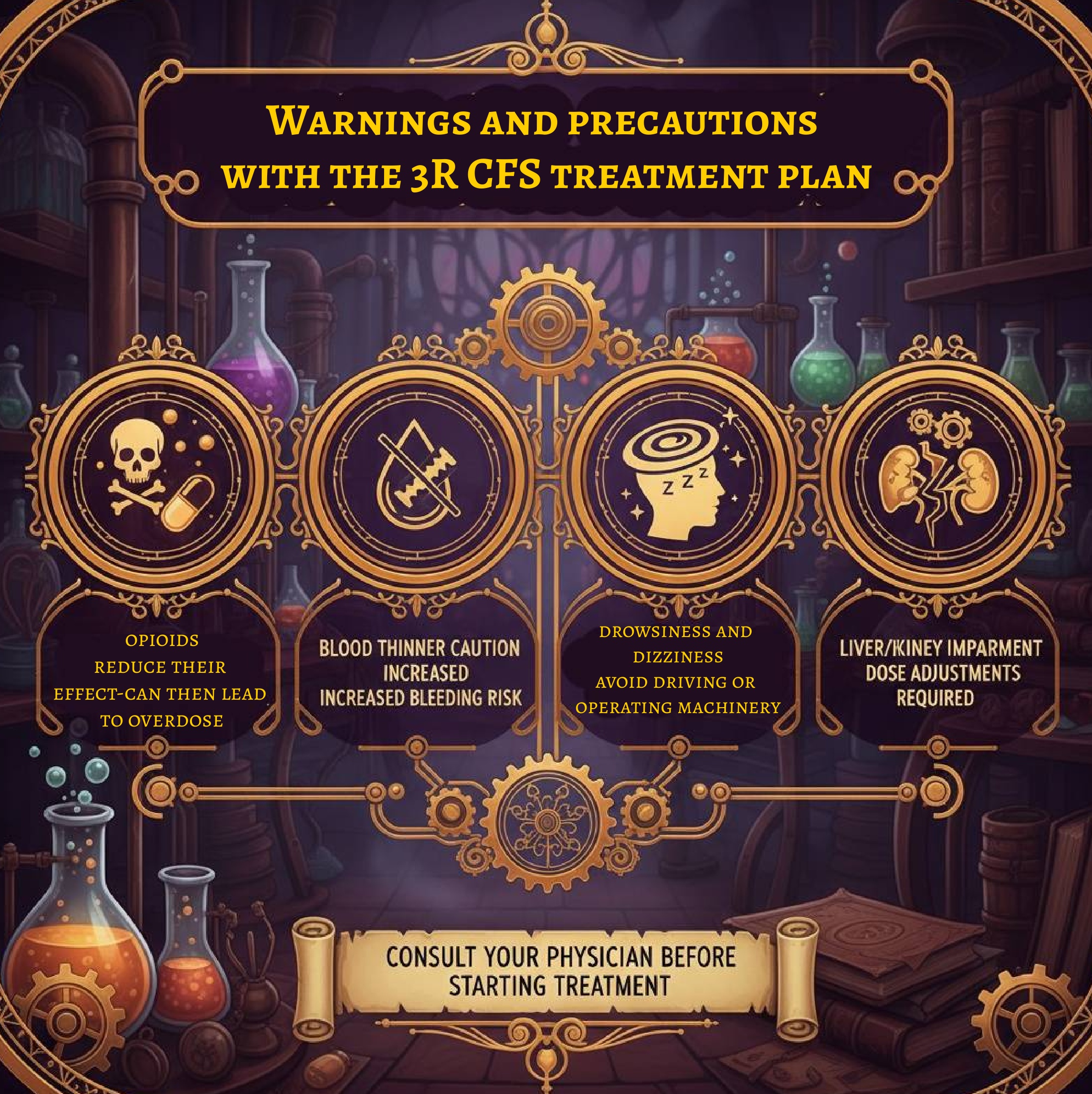
LDN should not be used concurrently with opioid medications, as it blocks opioid receptors and can precipitate withdrawal symptoms. Inform your doctor if you are taking any opioid-based painkillers or cough syrups containing opioids [6].
Coenzyme Q10
CoQ10 is generally safe but may interact with blood thinners or blood pressure medications. People with low blood pressure or those on anticoagulants should consult their doctor before starting CoQ10 supplementation [3].
Melatonin
Melatonin may cause drowsiness or dizziness. It should be used cautiously if you drive or operate machinery. Avoid alcohol while using melatonin patches, as it can reduce their effectiveness. Pregnant or breastfeeding women should seek medical advice before using melatonin [8].
Patients with liver or kidney impairment should inform their healthcare provider, as dose adjustments or monitoring may be necessary.
Side effects associated with the 3R CFS treatment plan
Side effects of low-dose naltrexone
Low Dose Naltrexone is generally well tolerated. Common side effects include vivid dreams, insomnia, mild headaches, and digestive discomfort. These usually resolve within a few weeks as the body adjusts [6].
Side effects of coenzyme Q10
Coenzyme Q10 side effects are rare but may include nausea, diarrhoea, and mild insomnia if taken late in the day. Most users tolerate it well with minimal adverse effects [3].
Side effects of melatonin
Melatonin patches may cause headache, dizziness, or nausea in some users. Sleepiness or drowsiness is common and typically subsides with continued use. Serious side effects are rare but should be reported to a healthcare professional [8].
If side effects persist or worsen, consult your doctor for advice on managing symptoms or adjusting treatment.
Drug interactions with the 3R CFS treatment plan
Drug interactions with LDN
LDN can interfere with opioid-based medications, reducing their effectiveness or causing withdrawal symptoms. It should not be combined with opioid painkillers or certain cough medicines without medical supervision [6].
Drug interactions with Coenzyme Q10
CoQ10 may interact with blood thinners like warfarin, potentially reducing their effect and increasing clotting risk. It can also enhance the effects of blood pressure medications, leading to hypotension[3].
Drug interactions with melatonin
Melatonin may interact with sedatives, antidepressants, and blood pressure drugs. It can also reduce the effectiveness of some immunosuppressants. Always inform your healthcare provider about all medications and supplements you are taking [4].
FAQs: The 3r CFS treatment plan
What is the 3R CFS treatment plan?
The 3R treatment plan combines Low Dose Naltrexone, Coenzyme Q10, and Melatonin to address immune dysfunction, energy deficits, and sleep disturbances in CFS.
How long does it take to see results from the 3R CFS treatment plan?
Results vary; some people notice improvements within weeks, while others may take several months. Consistency is key.
Is low dose naltrexone safe?
LDN is generally safe but should not be used with opioid medications. Consult your doctor before starting.
Can coenzyme q10 help with fatigue?
Yes, CoQ10 supports mitochondrial energy production, which can reduce fatigue in CFS.
How does melatonin improve sleep in CFS?
Melatonin regulates the sleep-wake cycle, helping to improve sleep quality and duration.
Can I take the 3R CFS treatment plan if pregnant?
Consult your healthcare provider, as safety during pregnancy varies per component.</p>
Are there any side effects of the 3R CFS treatment plan?
Side effects are usually mild and temporary, including sleep disturbances, headaches, or digestive issues.
Can the 3R CFS treatment plan interact with my current medications?
Always inform your doctor about all medications to avoid interactions, especially opioids or blood thinners.
How should I take the 3R CFS treatment plan?
Follow your healthcare provider’s instructions; typically, LDN at night, CoQ10 buccal film daily, and melatonin patch before bedtime.
Where can i buy the 3R CFS treatment plan?
The 3R CFS treatment plan is only available to purchase from courierpharmacy.co.uk after completing an online consultation.
Why is CoQ10 compounded in a buccal film?
This is to increase absorption as normal oral dosage forms, such as capsules and tablets are poorly absorbed. By using the buccal mucosa to deliver active ingredients bypasses the gut and gets access to the circulation more faster and more efficiently.
Can I get LDN in a liquid form?
Yes, low-dose naltrexone is available as a LDN 1mg/ml oral liquid. We usually recommend starting your LDN journey with the oral liquid as it easier to adjust the dose during the initial titration period.
Disclaimer: This article is for informational purposes only and does not replace professional medical advice.