



What you should know about Hailey Hailey disease
Hailey-Hailey disease is a rare, inherited skin condition that causes raw, sore, blistered patches in the folds of the body, such as the neck, armpits, groin, and under the breasts. As the dermatology literature describes, it tends to flare and settle, and is often triggered by heat, sweat, and friction. It’s harmless to others but can be painful and exhausting to live with.
A change in a gene called ATP2C1. As the dermatology literature describes, this gene helps control calcium inside skin cells, which they need to bind together properly. When it’s faulty, the skin cells don’t hold together well, so the skin breaks down easily, especially where it rubs or sweats. It’s usually inherited from a parent.
Not cured, but it can be managed, sometimes very well. As the dermatology literature notes, treatment aims to control flares, reduce friction and sweating, treat infections promptly, and keep the skin comfortable. Because it’s a genetic condition, the tendency remains, but many people achieve long periods of good control, and newer options like low-dose naltrexone are widening what’s possible.
It shows real promise. Case series in JAMA Dermatology by Ibrahim and by Albers reported major improvement, including 80 to 90% clearance, in people whose disease hadn’t responded to other treatments. As a 2025 review in the same journal explains, LDN calms inflammation and may support skin healing. The evidence is still early, so we offer it off-label, after assessment, with honest expectations.
Low doses, usually between 1.5 and 4.5mg a day, as reported in the JAMA Dermatology case series. The exact dose is chosen by the prescriber for the individual, and it’s compounded to these low strengths, which standard products don’t provide. One thing to know is that symptoms often flare again if LDN is stopped, so it usually needs to be continued, though the skin tends to clear quickly once it’s restarted.
LDN is generally well tolerated, low-cost, and doesn’t need blood-test monitoring, which is part of its appeal. The most important safety point is that it acts on opioid receptors, so it isn’t suitable for anyone taking opioid painkillers. It’s used off-label for Hailey-Hailey disease, so it’s only ever prescribed after a proper assessment and an honest conversation about what we do and don’t yet know.
Anything that irritates the skin folds. As the dermatology literature notes, common triggers include heat, sweating, friction, tight clothing, and skin infections. Managing these, by keeping cool and dry, reducing rubbing, and treating infections promptly, is a key part of keeping flares under control, alongside medical treatment.
We offer honest guidance and, where appropriate, compounded low-dose naltrexone prescribed off-label after a proper assessment, alongside compounded topical treatments to help hold a remission. We’re upfront about what the evidence does and doesn’t show, and we work alongside your dermatology team, never instead of it. It starts with a consultation or a chat with a pharmacist.
Additional information
Hailey-Hailey disease
Hailey-Hailey disease is a rare, stubborn skin condition that causes raw, painful patches in the folds of the body, and it can be exhausting to live with. If you’ve been passed from clinic to clinic with little relief, you’re not imagining how hard it is, and you’re not out of options. At Courier Pharmacy, we believe healthcare should fit the person, not force the person to fit the system. So we build support around your skin and your life, including low-dose naltrexone and personalised compounded treatments, with honest guidance from real pharmacists and care you can trust. Healthcare that fits you, especially when the system hasn’t. Sore, recurring erosions in your skin folds? We can help you manage Hailey-Hailey disease.

Five key takeaways
- Hailey-Hailey disease is a rare genetic skin condition. As DermNet explains, it causes recurrent blistering and raw patches, usually in skin folds.
- It’s caused by a faulty gene. A change in the ATP2C1 gene affects how skin cells stick together, as the dermatology literature describes.
- It flares and settles. Heat, sweat, friction, and infection are common triggers, and the condition tends to come and go.
- Low-dose naltrexone shows real promise. Case series in JAMA Dermatology reported major improvement in people whose disease hadn’t responded to other treatments.
- It’s often undertreated. Because it’s rare, Hailey-Hailey disease is frequently misdiagnosed or dismissed, so specialist care and persistence matter.
How Courier Pharmacy helps with Hailey-Hailey disease
- Low-dose naltrexone (LDN), assessed by a prescriber and compounded to the strength you need
- Personalised compounded topical treatments, including options for sensitive skin
- Honest guidance on triggers, skin care, and managing flares
- Pharmacist support to get the most from your treatment
- Discreet, convenient delivery to your door
- Free fortnightly drop-in clinics in Derby, with no cost and no pressure
Hailey-Hailey disease is diagnosed and overseen by your GP and dermatology team. We work alongside them, focusing on LDN and personalised options.

What you should know about Hailey-Hailey disease treatments
Good care for Hailey-Hailey disease follows a clear, sensible path. First, get an accurate diagnosis, since the condition is rare and often mistaken for something else. Second, manage the triggers and infections that set off flares. Third, use treatments that help, from topical care to emerging options like low-dose naltrexone. Fourth, tailor the plan to you and review it over time.
This is the approach dermatology takes, and the one we support at Courier Pharmacy. As the dermatology literature notes, Hailey-Hailey disease can be difficult to control, so a personalised, persistent approach matters. The goal isn’t a single quick fix. It’s calmer skin, fewer flares, and a condition that takes up far less of your life.
Hailey-Hailey disease overview
Hailey-Hailey disease, also known as familial benign chronic pemphigus, is a rare inherited skin condition. As DermNet describes, it causes recurring blisters and raw, eroded patches, most often where skin rubs against skin.
The impact is significant and often underestimated. The affected areas can be painful, itchy, and prone to infection, and they frequently develop an unpleasant smell, which many people find distressing and isolating. As the dermatology literature notes, the condition can take a real toll on confidence, relationships, and mental health. None of that is vanity, and none of it is something you have to face alone.
Hailey-Hailey disease also tends to run a relapsing course. As DermNet explains, it flares and settles over time, often triggered by heat, sweating, friction, or infection. Symptoms commonly begin in early adulthood and can vary hugely from person to person. The aim of treatment is to reduce flares, heal the skin, and keep you comfortable.
Why does this matter? Because Hailey-Hailey disease is rare, frequently misunderstood, and genuinely treatable with the right plan. Many people spend years without good control, often because the condition isn’t recognised. Understanding it, and knowing that newer options exist, is the first step towards relief.
What is Hailey-Hailey disease?
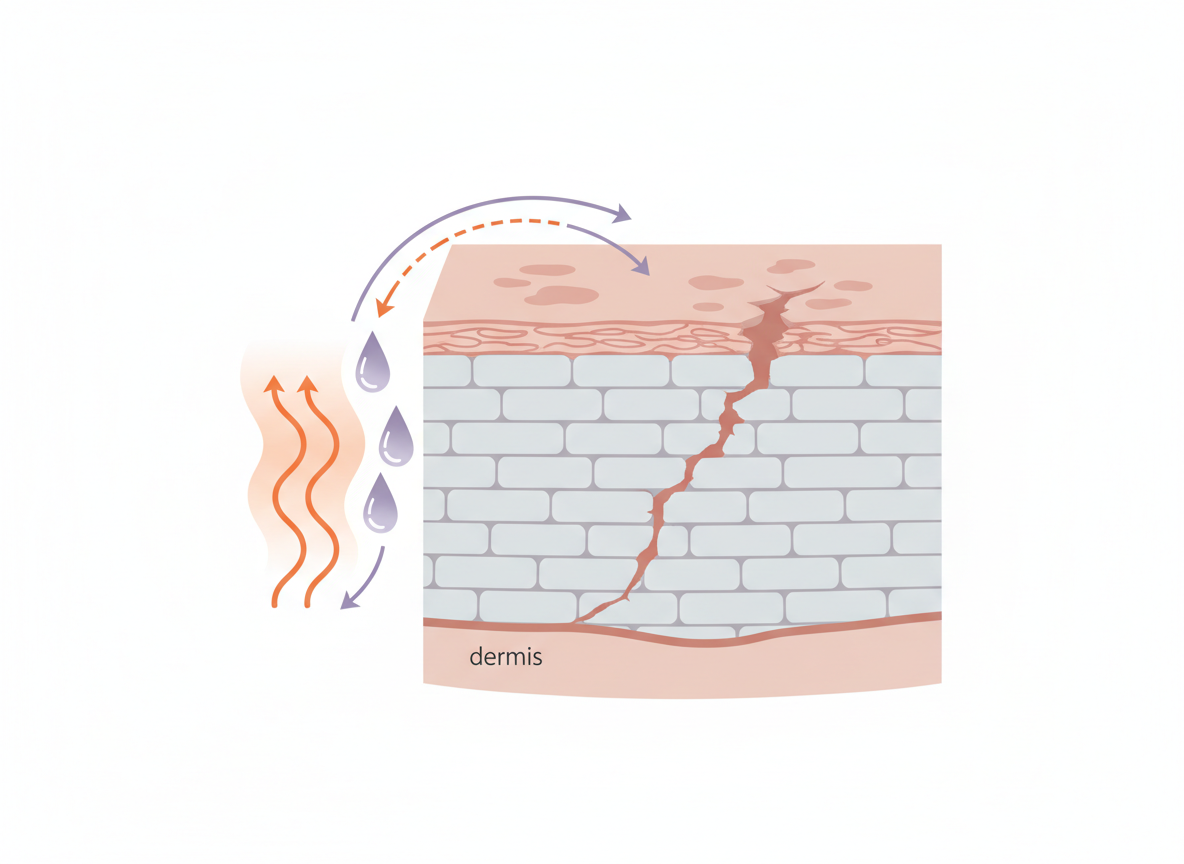
Hailey-Hailey disease is a genetic condition that affects how skin cells stick together, leaving the skin fragile and prone to breaking down. As DermNet explains, this leads to recurrent blistering and erosions, particularly in the skin folds.
Common symptoms include:
- Red, raw, or blistered patches in skin folds
- Areas most often affected include the armpits, groin, neck, and under the breasts
- Painful cracks or splits within the patches
- Itching and burning
- An unpleasant odour, especially if the skin becomes infected
- Flares brought on by heat, sweat, or friction
As the dermatology literature notes, the pattern of skin-fold involvement is characteristic, which helps distinguish Hailey-Hailey disease from more common conditions like eczema or fungal infection.
How common is Hailey-Hailey disease?
Hailey-Hailey disease is rare. As DermNet describes, it affects a small number of people, and because it’s uncommon, it’s often not recognised straight away.
It’s an inherited condition, so it tends to run in families, though not everyone with the gene change develops obvious symptoms. As the dermatology literature notes, it usually appears in the teens, twenties, or thirties, and affects men and women equally. Its rarity is part of the challenge, since many clinicians rarely see it, which is exactly why specialist input and self-advocacy matter.
What causes Hailey-Hailey disease?
Hailey-Hailey disease is caused by a genetic change, with certain triggers setting off flares. The dermatology literature describes the key points.
The ATP2C1 gene
The root cause is a change in a gene called ATP2C1. As the dermatology literature explains, this gene helps control calcium inside skin cells, and calcium is essential for skin cells to bind together properly. When the gene is faulty, that binding fails.
An inherited condition
Hailey-Hailey disease is passed down in families in an autosomal dominant pattern, meaning a child has a one in two chance of inheriting it from an affected parent. As DermNet notes, a family history is common, though the severity varies widely between relatives.
Triggers that set off flares
Flares are usually provoked by something. As DermNet describes, common triggers include heat, sweating, friction, and infection of the affected skin. Tight clothing and hot weather often make things worse, which is why cooling and reducing friction can help.

What happens in the body with Hailey-Hailey disease?
Your skin’s outer layer relies on cells sticking firmly together to stay strong. In Hailey-Hailey disease, the faulty ATP2C1 gene disrupts the calcium supply that these cells need to hold hands, so to speak. As the dermatology literature explains, without proper calcium control, the connections between skin cells break down.
This process, called acantholysis, leaves the skin fragile and easily damaged. In areas that rub together or get sweaty, the weakened skin breaks apart, forming the blisters and raw erosions that define the condition. Once the skin is broken, bacteria and fungi can move in, which causes infection, odour, and more inflammation.
This helps explain the treatment approach. Reducing friction, heat, and infection protects the fragile skin, while treatments that calm inflammation and support healing help the skin recover. It also explains the growing interest in low-dose naltrexone, which appears to work on both of these fronts.
When to see a doctor
Hailey-Hailey disease needs proper medical diagnosis and ongoing care, and some situations need pro
See a doctor promptly if you have:
- Signs of skin infection, such as increasing pain, spreading redness, pus, or feeling unwell
- A sudden or severe worsening of your skin
- A patch that changes in an unusual way, develops a lump, or won’t heal, since chronic areas rarely need checking for skin changes
- Symptoms that are significantly affecting your wellbeing or mental health
As the dermatology literature advises, infections are common in Hailey-Hailey disease and often need treatment, so they’re worth acting on quickly. If you haven’t had a firm diagnosis, ask your GP about referral to a dermatologist, since getting the diagnosis right is the foundation of good care.
Diagnosing Hailey-Hailey disease
Hailey-Hailey disease is usually diagnosed by a dermatologist, based on the appearance and pattern of the skin, your symptoms, and your family history. As DermNet explains, the typical skin-fold involvement is a strong clue.
A skin biopsy is often used to confirm the diagnosis, showing the characteristic breakdown of connections between skin cells. Because the condition is inherited, a family history of similar skin problems supports the diagnosis, though it isn’t always present.
This is where Courier Pharmacy can support you. While diagnosis and specialist oversight sit with your dermatology team, our pharmacists and prescribers can help you access and use treatments like low-dose naltrexone and compounded topicals, and explain how to get the best from them. It’s healthcare built around you.
Managing Hailey-Hailey disease: current treatments
Managing Hailey-Hailey disease usually means combining good skin care with medical treatment, tailored to how active the condition is. As the dermatology literature describes, several approaches help.
Trigger avoidance and skin care
The foundations matter. As DermNet advises, keeping the skin cool and dry, reducing friction, wearing loose clothing, and managing sweating can all reduce flares. Gentle skin care and moisturisers help protect the fragile skin.
Topical treatments
For active patches, dermatologists often use topical corticosteroids to calm inflammation, along with antiseptics or antibiotics to control the bacteria and fungi that thrive in broken skin. As the dermatology literature notes, treating infection is a key part of settling a flare.
More advanced options
For difficult disease, a range of options exist, as the dermatology literature describes. These include oral antibiotics, oral medicines that calm the immune system, retinoids, botulinum toxin injections to reduce sweating in problem areas, and procedures such as laser treatment or surgery for severe, localised disease. These are led by dermatology.
Compounded and personalised options
Standard products don’t suit everyone, and Hailey-Hailey disease often needs a tailored approach. This is where Courier Pharmacy’s personalised compounding can help, from bespoke topical combinations to formulations designed for sensitive, easily irritated skin.

Low-dose naltrexone (LDN) for Hailey-Hailey disease
Of all the newer options, low-dose naltrexone has generated the most excitement for Hailey-Hailey disease, and it’s an area we know well at Courier Pharmacy, alongside our partners at Medical Mojo. Naltrexone is normally used at higher doses for addiction, but at much lower doses, typically 1.5 to 4.5mg a day, it behaves very differently.
How LDN may work
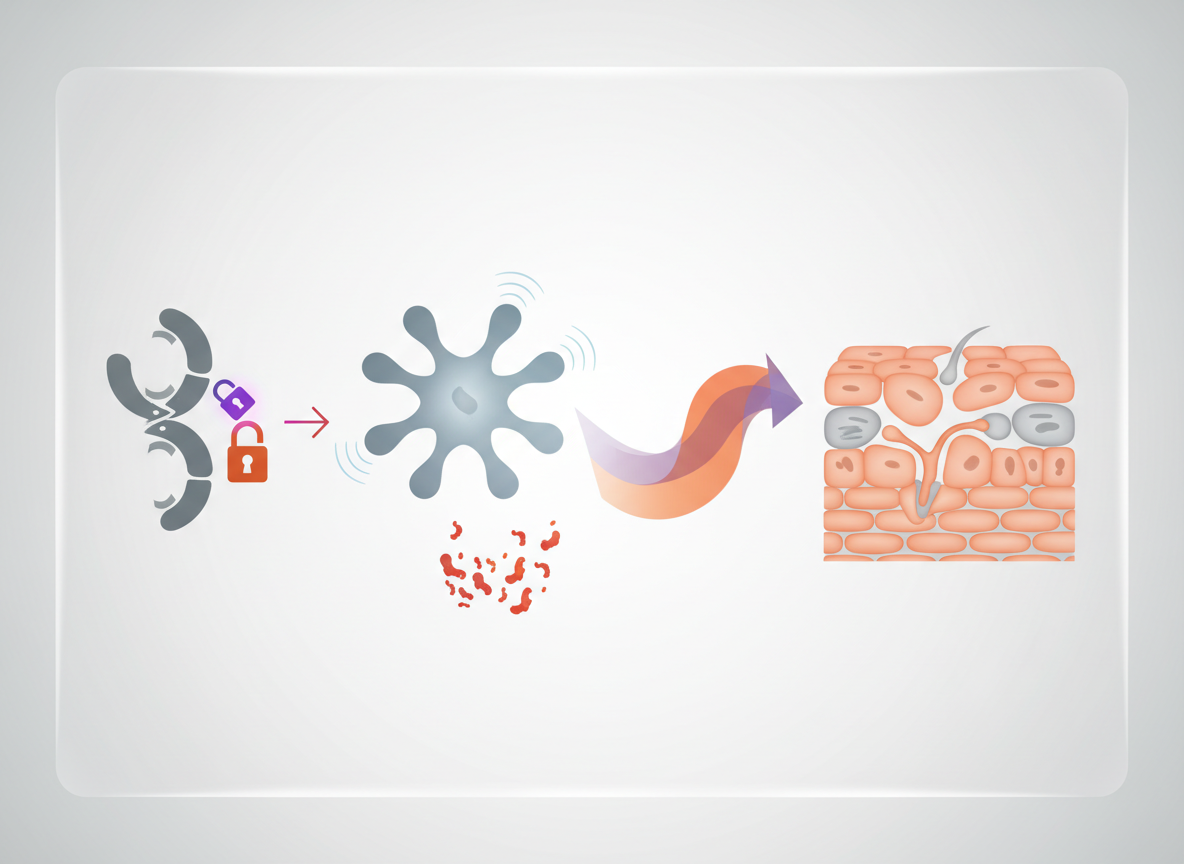
At these low doses, naltrexone briefly blocks opioid receptors, which prompts the body to increase its own natural anti-inflammatory signals. As a 2025 clinical review in the Journal of the American Academy of Dermatology explains, LDN also calms a part of the immune system called toll-like receptor 4, reduces inflammatory messengers and itch, and may support wound healing and healthy skin cell function. In Hailey-Hailey disease, where fragile skin struggles to hold together and stays inflamed and eroded, these effects may help the skin calm down and heal.
What the evidence shows
For a rare condition, the findings are striking. In a 2017 case series in JAMA Dermatology by Ibrahim and colleagues, three people with stubborn Hailey-Hailey disease treated with low-dose naltrexone each had at least an 80% improvement, one reaching 90% clearance, with major gains in quality of life and no side effects recorded. A second 2017 JAMA Dermatology case series, by Albers and colleagues, treated three people with severe, treatment-resistant disease with 3mg rising to 4.5mg nightly, and saw the skin clear within two months, often healing inwards from the edges within a week or two. Further reports since have echoed these results, including LDN combined with oral magnesium or with topical maintenance creams. It’s also low-cost, well tolerated, and doesn’t need blood-test monitoring.

An honest word on the limitations
We believe in being straight with you. The evidence for LDN in Hailey-Hailey disease is promising but not definitive. It comes from case series and case reports rather than large randomised trials, and response varies from person to person, as a 2018 series by Cao and colleagues showed. One well-recognised limitation is that symptoms often flare again if LDN is stopped, so it usually needs to be continued, though the skin tends to clear quickly once it’s restarted. The best dose isn’t firmly settled either. So LDN is best thought of as a promising, well-tolerated option or add-on, particularly when other treatments haven’t worked, rather than a guaranteed cure.
LDN at Courier Pharmacy
Because it’s used off-label for Hailey-Hailey disease, LDN is only ever prescribed after a proper assessment and an honest conversation about what we do and don’t yet know, with your informed consent. It’s compounded to the low strengths needed, which standard products don’t provide. One important safety point: LDN acts on opioid receptors, so it isn’t suitable if you take opioid painkillers. It can sometimes be paired with compounded topical treatments to help hold a remission. If you’d like to explore whether it might help, our pharmacists and prescribers are here to talk it through, alongside your dermatology team.
Patient experiences and challenges
Living with Hailey-Hailey disease can be lonely in a way that’s hard to describe. People tell us how often they were misdiagnosed with thrush, eczema, or a simple infection before anyone recognised what was really going on. Years can pass without answers.
Many also describe the daily reality of pain, odour, and raw skin in the most private areas of the body, and how deeply that affects confidence and intimacy. As the dermatology literature highlights, the condition can significantly affect mental health, yet because it’s rare, that impact is often overlooked. The relapsing nature of it, always waiting for the next flare, is wearing too.
Here’s what we want you to hear. You’re not broken, and you’re not making a fuss. Hailey-Hailey disease is a real, genetic condition, and the fact that it’s been hard to treat reflects gaps in the system, not any failing on your part. You’re the one living in your skin, and you deserve to be taken seriously. Our job is to help you find what works, including options others may not have offered you.
Looking to the future: research and hope
The direction of travel is encouraging. Interest in low-dose naltrexone, alongside better understanding of the calcium-handling problem at the heart of the condition, is opening up new possibilities. Researchers continue to explore targeted treatments, and case reports keep adding to what we know about combining approaches.
There’s real reason for optimism. Not long ago, Hailey-Hailey disease offered few good options for severe cases. Now, well-tolerated treatments like LDN are helping people who had almost given up hope. We won’t promise a cure. What we will say is that more people are achieving genuine relief, and the right plan can help you live far more comfortably with Hailey-Hailey disease.

How Courier Pharmacy helps with Hailey-Hailey disease
We started Courier Pharmacy because too many people with rare or complex conditions feel dismissed and left to cope alone. Hailey-Hailey disease is a perfect example. Your skin, your triggers, and your history are unique, so your plan should be too. That personalisation is the first of our four pillars, and it’s why we offer options like low-dose naltrexone and bespoke compounded treatments.
The other pillars carry it through. Guidance means our pharmacists and prescribers help you understand your options, use them safely, and set honest expectations. Trust means we’re a UK-regulated pharmacy that’s clear about what the evidence does and doesn’t show, and that works alongside your dermatology team rather than around them. Community means we show up for people, even when there’s nothing to buy, and we take rare conditions and their mental toll seriously.
That spirit has a face in Dr Ada Jex-Cori, the voice of our approach, whose message is simple: you’re not broken, the system is, and we’re here to change that. For a condition as overlooked as Hailey-Hailey disease, that means real options, honest advice, and treatment shaped around you. Healthcare that fits you, not the other way round.
Frequently asked questions about Hailey-Hailey disease

What is Hailey-Hailey disease?
It’s a rare, inherited skin condition, also called familial benign chronic pemphigus. As DermNet explains, it causes recurring blisters and raw, eroded patches, usually in skin folds like the armpits and groin. It happens because a genetic change affects how skin cells stick together, leaving the skin fragile and prone to breaking down.
What causes Hailey-Hailey disease?
A change in a gene called ATP2C1. As the dermatology literature describes, this gene helps control calcium inside skin cells, which they need to bind together properly. When it’s faulty, the skin cells don’t hold together well, so the skin breaks down easily, especially where it rubs or sweats. It’s usually inherited from a parent.
Can Hailey-Hailey disease be cured?
There’s no cure yet, but it can be managed. As DermNet notes, the condition tends to flare and settle, and treatment aims to reduce flares, heal the skin, and keep you comfortable. Many people find that avoiding triggers, treating infections promptly, and using the right treatments makes a real difference to daily life.
Can low-dose naltrexone (LDN) treat Hailey-Hailey disease?
It shows real promise. Case series in JAMA Dermatology by Ibrahim and by Albers reported major improvement, including 80 to 90% clearance, in people whose disease hadn’t responded to other treatments. As a 2025 review in the same journal explains, LDN calms inflammation and may support skin healing. The evidence is still early, so we offer it off-label, after assessment, with honest expectations.
What dose of LDN is used for Hailey-Hailey disease?
Low doses, usually between 1.5 and 4.5mg a day, as reported in the JAMA Dermatology case series. The exact dose is chosen by the prescriber for the individual. One thing to know is that symptoms often flare again if LDN is stopped, so it usually needs to be continued, though the skin tends to clear quickly once it’s restarted.
What triggers Hailey-Hailey flare-ups?
Heat, sweating, friction, and infection are the usual culprits. As DermNet describes, tight clothing and hot weather often make things worse. Keeping the skin cool and dry, reducing friction, and treating infections early can all help reduce flares. Learning your own triggers is a useful part of managing the condition.
When should I see a doctor about Hailey-Hailey disease?
See a doctor if you notice signs of infection, such as increasing pain, spreading redness, or pus, or if your skin suddenly worsens. Also see a doctor about any patch that changes unusually or won’t heal. If you haven’t had a firm diagnosis, ask about referral to a dermatologist, since getting it right guides everything else.
How can Courier Pharmacy help with Hailey-Hailey disease?
We focus on personalised treatment, including low-dose naltrexone assessed and compounded for you, and bespoke topical options. Our pharmacists offer honest guidance on triggers, skin care, and what to expect, and we deliver discreetly. We work alongside your GP and dermatology team, not instead of them. It starts with a chat with a pharmacist or a quick online consultation.
Important disclaimer
This page is for general information and education. It isn’t medical advice, and it isn’t a substitute for a consultation with a qualified healthcare professional. Hailey-Hailey disease needs proper diagnosis and specialist care. Low-dose naltrexone is an off-label treatment supported by early evidence, and it isn’t suitable for everyone, including people taking opioid painkillers. Always speak to a prescriber or pharmacist before starting any treatment, and seek prompt help for signs of skin infection.
References
- Courier Pharmacy (2026) What is the evidence for using LDN in Hailey–Hailey disease? Available at: https://courierpharmacy.co.uk/what-is-the-evidence-for-using-ldn-in-hailey-hailey-disease/ (Accessed: 8 September 2026).
- DermNet (no date) Hailey-Hailey disease. Available at: https://dermnetnz.org/topics/hailey-hailey-disease (Accessed: 22 June 2026).
- British Association of Dermatologists (no date) Hailey-Hailey disease: patient information leaflet. Available at: https://www.bad.org.uk/pils/hailey-hailey-disease/ (Accessed: 22 June 2026).
- Ibrahim, O. et al. (2017) ‘Low-Dose Naltrexone Treatment of Familial Benign Pemphigus (Hailey-Hailey Disease)’, JAMA Dermatology, 153(10), pp. 1015–1017. Available at: https://pmc.ncbi.nlm.nih.gov/articles/PMC5817587/ (Accessed: 22 June 2026).
- Albers, L.N., Arbiser, J.L. and Feldman, R.J. (2017) ‘Treatment of Hailey-Hailey Disease With Low-Dose Naltrexone’, JAMA Dermatology, 153(10), pp. 1018–1020. Available at: https://pmc.ncbi.nlm.nih.gov/articles/PMC5817589/ (Accessed: 22 June 2026).
- Cao, S., Lilly, E. and Chen, S.T. (2018) ‘Variable Response to Naltrexone in Patients With Hailey-Hailey Disease’, JAMA Dermatology, 154(3), pp. 362–363. Available at: https://pmc.ncbi.nlm.nih.gov/articles/PMC5885838/ (Accessed: 22 June 2026).
- Lee, J. et al. (2025) ‘Low-dose naltrexone for treatment of dermatologic conditions: A clinical review’, Journal of the American Academy of Dermatology. Available at: https://www.jaad.org/article/S0190-9622(25)02812-9/abstract (Accessed: 22 June 2026).


BSc Pharmacy, Independent Prescriber, PgDip Endocrinology, MSc Endocrinology, PgDip Infectious Diseases
Superintendant Pharmacist, Independent Prescriber

BSc Pharmacy
Compounding Pharmacist

