

Find the right high blood pressure treatment for you
View All Products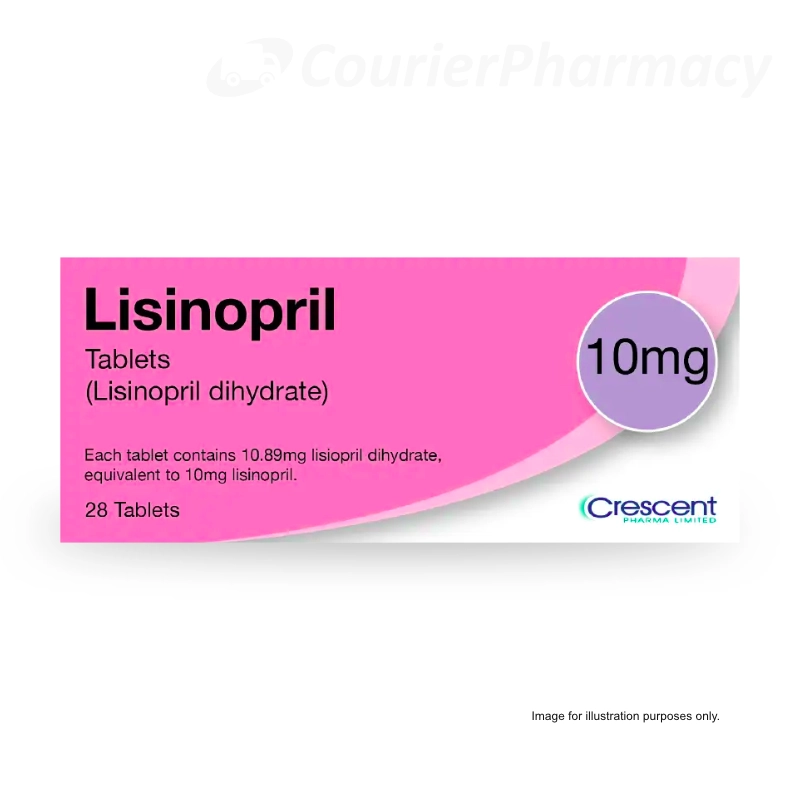
What you should know about high blood pressure treatments
The top number, systolic, is the pressure when your heart beats and pushes blood out. The bottom number, diastolic, is the pressure when your heart rests between beats. As the NHS describes, both matter, and a reading is written as systolic over diastolic, for example 120 over 80. Your GP looks at both numbers alongside your wider health.
White coat hypertension is when your blood pressure reads higher at the clinic than it does in everyday life, often because being at the doctor’s makes you a little anxious. It is common, and it is one reason your GP may confirm a raised reading with home or 24-hour monitoring, which usually gives a truer picture. We can help you measure accurately at home.
Yes, for many people it does. As the NHS and Blood Pressure UK describe, eating too much salt tends to raise blood pressure, and cutting down can help bring it lower. Most of the salt we eat is hidden in processed and shop-bought foods rather than added at the table, so checking labels and cooking from scratch often makes the biggest difference.
Stress and anxiety can push your blood pressure up temporarily, and a stressful lifestyle may contribute over time, often through knock-on habits like poor sleep, drinking more or eating less well. Stress is not usually the sole cause of long-term high blood pressure, but managing it is still worthwhile, both for your readings and your general wellbeing.
Yes, and it needs close attention. High blood pressure in pregnancy can sometimes signal a condition called pre-eclampsia, which requires prompt medical care. If you are pregnant, planning a pregnancy, or taking blood pressure medicine and thinking about pregnancy, speak to your GP or midwife, because some medicines are not suitable in pregnancy and your care should be guided by your maternity team.
They can, though many people take them with few or no problems. Different types have different possible effects, such as a dry cough with ACE inhibitors, ankle swelling with some calcium channel blockers, or needing to pass urine more with diuretics. If a medicine does not suit you, there are alternatives, so tell your GP rather than simply stopping it.
Both can. Caffeine can cause a short-term rise, so it is worth avoiding it just before a reading. Regularly drinking too much alcohol can raise blood pressure over time, and cutting down often helps. You do not necessarily have to give either up, but moderation matters, and your pharmacist can talk through sensible limits.
It can run in families. Having a parent or close relative with high blood pressure raises your own risk, alongside factors like age, weight, diet and activity. You cannot change your genes, but you can influence many of the other factors, which is why lifestyle still makes a real difference even if high blood pressure runs in your family.
Additional information
High blood pressure
Keep an eye on the number that quietly shapes your health
High blood pressure, or hypertension, is one of the most common health conditions in the UK, and one of the easiest to miss. It rarely causes symptoms, yet left unchecked it raises the risk of heart attack, stroke and kidney problems. The good news is that it is very treatable, and small steps make a real difference. At Courier Pharmacy, we believe healthcare should fit the person, not force the person to fit the system. So we make it simple to make sure you always have your supply of blood pressure medications. Healthcare that fits you, and your heart.

Five key takeaways
- High blood pressure means the pressure in your arteries is consistently too high, which over time strains the heart and blood vessels.
- It usually has no symptoms, so the only way to know is to have it measured.
- It is a major, treatable risk factor for heart attack, stroke and kidney disease.
- Lifestyle changes come first, and medicines are added when needed, guided by NICE.
- Regular monitoring matters, because blood pressure changes over time and treatment often needs adjusting.
How Courier Pharmacy helps
- Prescriber-assessed supply of your blood pressure medicine, helpful if your usual tablets are hard to get
- Clear explanation of what your readings mean
- Honest, personalised guidance on lifestyle and treatment options
- Support with home blood pressure monitoring, done properly
- Support that works alongside your GP, who leads your diagnosis and treatment
High blood pressure is diagnosed and managed with your GP. We help you check, understand and keep on top of it, alongside that care, never instead of it.
Keeping your blood pressure medicine in supply
Medicine shortages have become more common, and running out of a blood pressure tablet is more than an inconvenience, because missing doses can let your pressure climb. With the current turmoil in the medicine supply chain, Courier Pharmacy can help you keep your treatment going and avoid gaps if your usual pharmacy is out of stock.
The process is the same as for any prescription-only medicine we supply. A prescriber reviews your details and your current treatment, confirms it is appropriate for you, and arranges supply to your door. It is a straightforward way to maintain your supply, and we work alongside your GP, who leads your diagnosis and overall care.

What is high blood pressure?
Blood pressure is the force of blood pushing against the walls of your arteries as your heart pumps. As the NHS explains, it is written as two numbers, for example 120 over 80. The top number, systolic, is the pressure when your heart beats. The bottom number, diastolic, is the pressure when your heart rests between beats.
High blood pressure, or hypertension, means these numbers stay too high over time. As a general guide, a reading of 140 over 90 or higher in clinic, or an average of 135 over 85 or higher at home, is usually considered high, though your GP looks at the full picture. A healthy target for many people is around 120 over 80.
The reason it matters is that raised pressure quietly strains your heart and blood vessels year after year. It is often called a silent condition, because you can feel completely well while it is doing harm, which is exactly why checking it is so important.
What are the symptoms of high blood pressure?
For most people, high blood pressure causes no symptoms at all. As the NHS notes, this is the main reason it so often goes undetected, and why having it measured is the only reliable way to know.
Occasionally, very high blood pressure can cause warning signs, which should never be ignored. Seek medical advice if you have:
- a severe or persistent headache
- chest pain
- shortness of breath
- vision problems
- a pounding feeling in your chest, neck or ears
These are not typical of ordinary high blood pressure, and some can signal an emergency. If symptoms are severe or come on suddenly, seek urgent help. For everyone else, the absence of symptoms is not reassurance, it is the reason to get checked.
What causes high blood pressure?
For most people, there is no single cause. As the NHS and research describe, this is called primary or essential hypertension, and it is linked to a mix of factors, including:
- getting older
- a family history of high blood pressure
- being overweight
- a diet high in salt, and low in fruit and vegetables
- drinking too much alcohol
- smoking
- too little physical activity
- high levels of stress
Less commonly, high blood pressure is caused by another condition or medicine, such as kidney disease, hormonal problems or certain medications. This is called secondary hypertension, and your GP will consider it where appropriate, particularly in younger people or where the pressure is very high.
What happens in the body with high blood pressure?
When blood pressure stays high, the heart has to work harder to push blood around the body, and the artery walls are under constant extra strain. As the research literature describes, over time this can damage and stiffen the arteries, and make them more likely to narrow or become blocked.
This is why high blood pressure raises the risk of serious problems, including heart attack, stroke, heart failure, kidney disease and vision problems. The damage builds slowly and silently, which is the whole point of treating it early. Bringing blood pressure down lowers these risks, and the benefit is well proven, which is why it is one of the most worthwhile things to manage.
How is high blood pressure diagnosed?
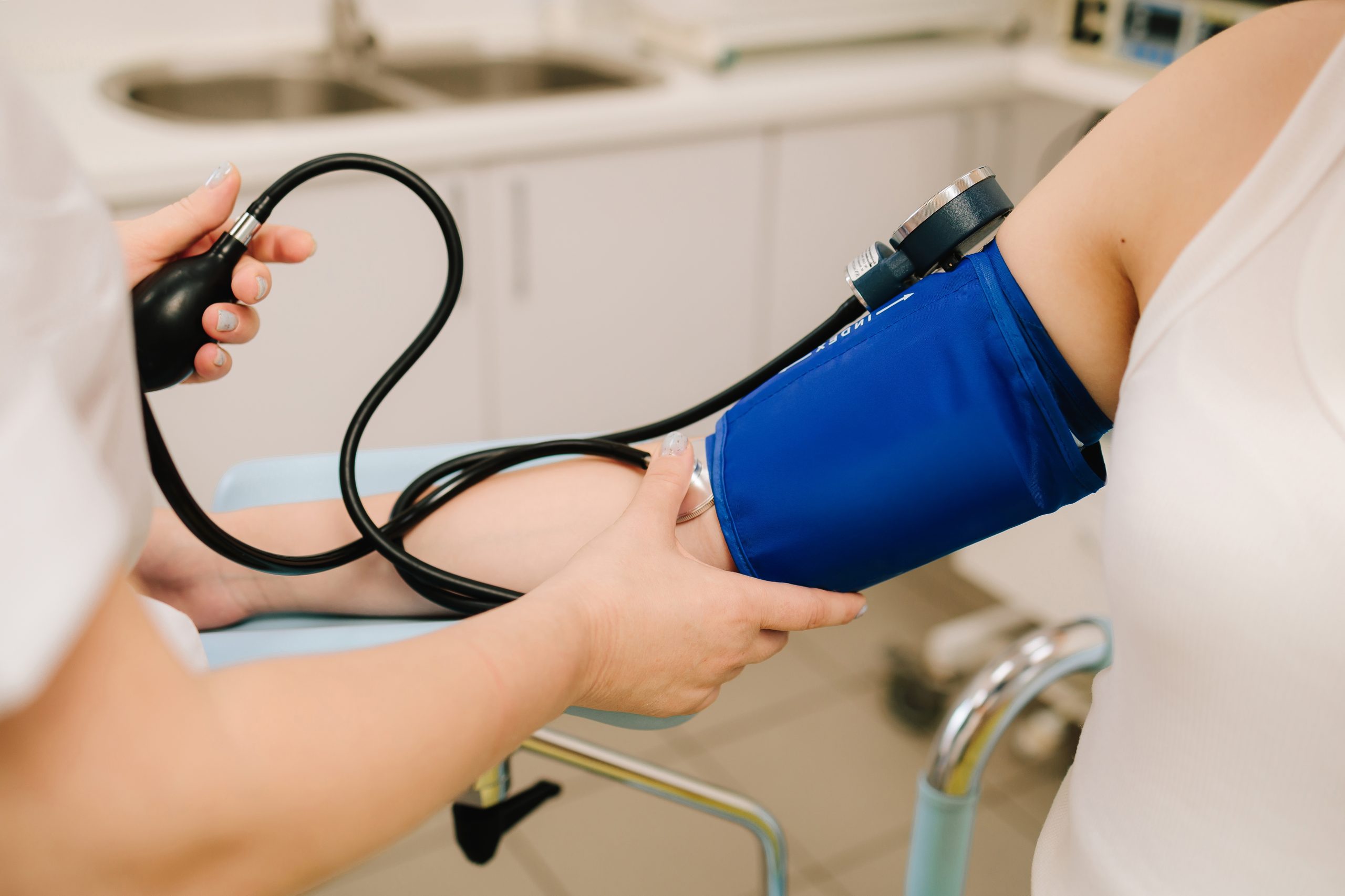
High blood pressure is diagnosed by measuring it, usually more than once, because a single reading can be misleading. As NICE describes, if a clinic reading is raised, your GP will often confirm it with readings taken over time, either with a 24-hour monitor, called ambulatory monitoring, or with home readings over several days.
This matters because blood pressure naturally varies, and some people read higher simply because they are at the doctor’s, sometimes called white coat effect. Confirming the pattern avoids treating a one-off spike. Courier Pharmacy can check your blood pressure and support accurate home monitoring, and your GP uses this information to make the diagnosis and plan care.
What are the treatment options for high blood pressure?
Treatment is matched to your readings, your risk and your health, and lifestyle changes are the foundation for everyone. As the NHS and NICE describe, the options include:
Lifestyle changes
Small, steady changes add up. These include cutting down on salt, eating more fruit and vegetables, being more active, keeping to a healthy weight, drinking less alcohol, stopping smoking and managing stress. For some people with mildly raised pressure, these changes alone are enough.
The main medicines, and how they work
When medicines are needed, several well-established types are used, often guided by your age and background. As NICE describes, the main groups are:
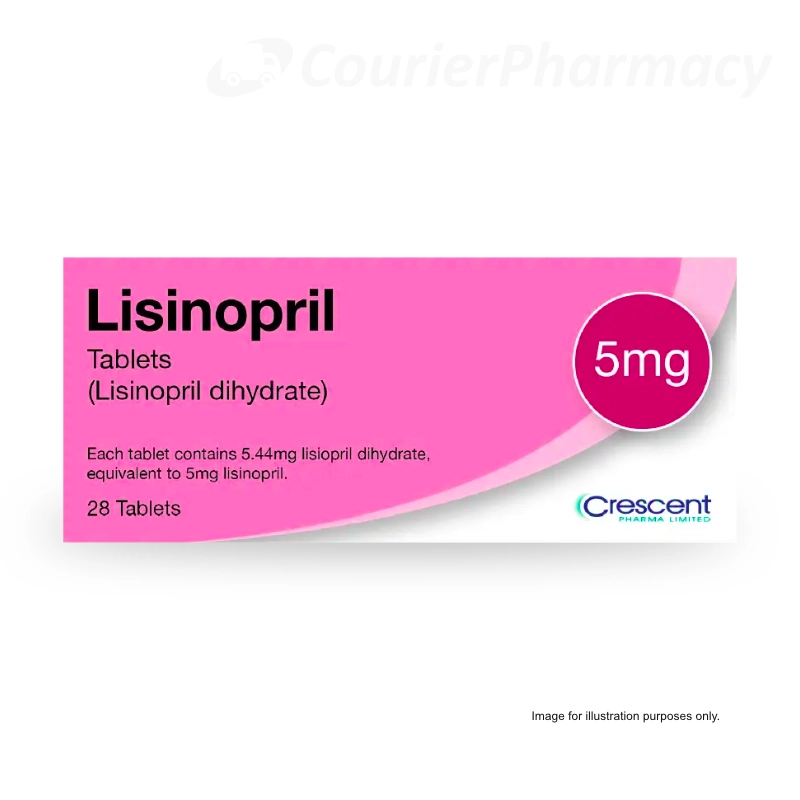
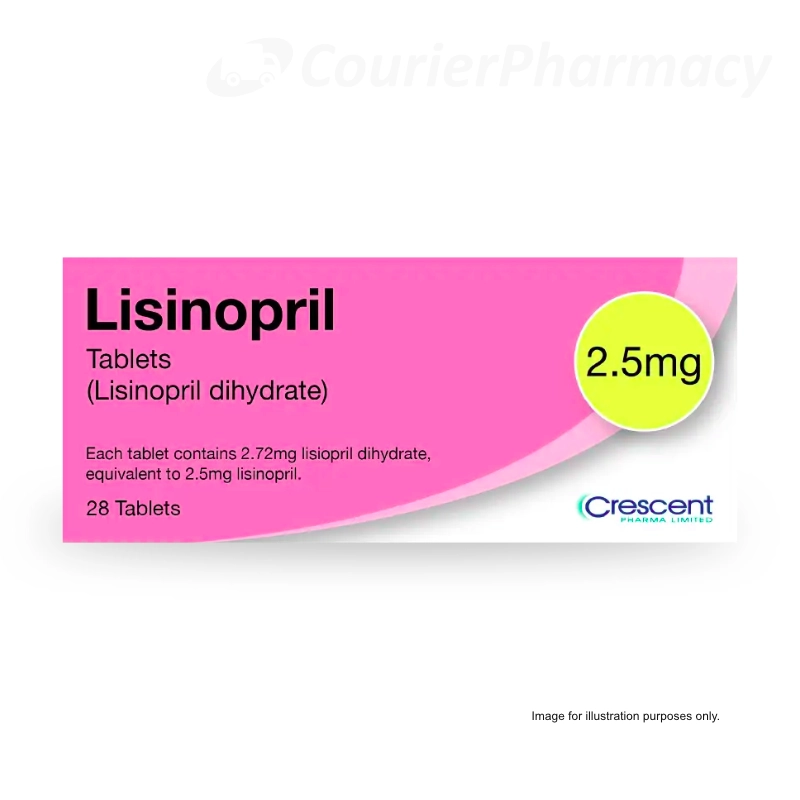
- ACE inhibitors, such as ramipril or lisinopril. They block a hormone that narrows blood vessels, so the vessels relax and the pressure drops. A dry cough is a known side effect for some people.
- Angiotensin receptor blockers, or ARBs, such as losartan or candesartan. They work on the same hormone pathway as ACE inhibitors but in a slightly different way, and are often used when an ACE inhibitor causes a cough.
- Calcium channel blockers, such as amlodipine. They relax and widen the blood vessels by easing the muscle in the vessel walls, which lowers the pressure. They can sometimes cause ankle swelling.
- Thiazide-like diuretics, such as indapamide. They help the kidneys clear excess salt and water, which reduces the volume of blood the heart has to move, and so lowers the pressure.
- Beta-blockers, such as bisoprolol. They slow the heart and reduce its force, and are used in certain situations, such as alongside other conditions, rather than as a first choice for most people.
Many people need more than one medicine to reach their target, which is normal and not a sign of failure. The aim is to find a combination that controls your pressure with as few side effects as possible. Your GP leads this, and will review and adjust it over time.
Regular review
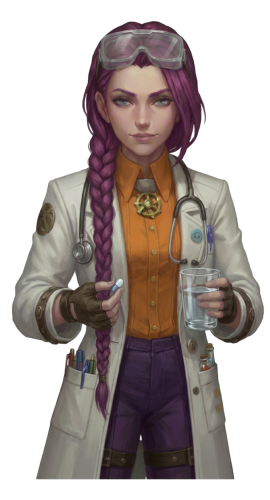
Because blood pressure changes over time, treatment is reviewed and adjusted, and ongoing monitoring is part of good care.
These treatments are highly effective, and the evidence behind them is strong. Your GP leads your diagnosis and prescribing, and we are here to support the checking and monitoring around that.
Monitoring your blood pressure
Keeping an eye on your blood pressure is one of the most useful things you can do, whether or not you take medicine. As Blood Pressure UK and the NHS describe, home monitoring, done properly, gives a truer picture than occasional clinic checks.
A few simple points help you get accurate readings:
- sit quietly for five minutes first, with your back supported and legs uncrossed
- rest your arm on a table at heart height
- take two or three readings a minute apart, and record them
- measure at the same times each day, often morning and evening
- use a validated upper-arm monitor
We can help you choose and use a monitor, understand your numbers, and know when a reading should prompt a call to your GP.
How Courier Pharmacy helps with high blood pressure
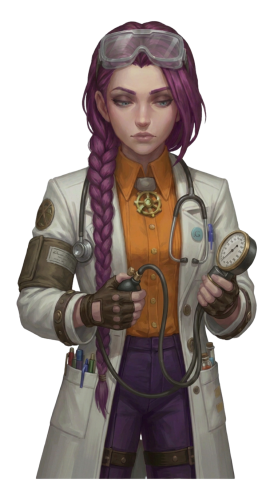
We started Courier Pharmacy because too many people feel either dismissed or left to work things out alone, and blood pressure is a perfect example of something that is easy to overlook. Your numbers, your risks and your routine are unique, so your support should be too. That personalisation is the first of our four pillars.
The other pillars carry it through. Guidance means we explain your readings and options in plain language, so you can act with confidence. Trust means we are a UK-regulated pharmacy that works alongside your GP, who leads your diagnosis and treatment, and we will always tell you when something needs their input. Community means we show up for people, including at our free drop-in clinics, where a blood pressure check and a chat are always welcome.
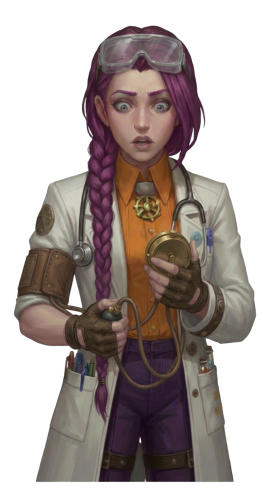
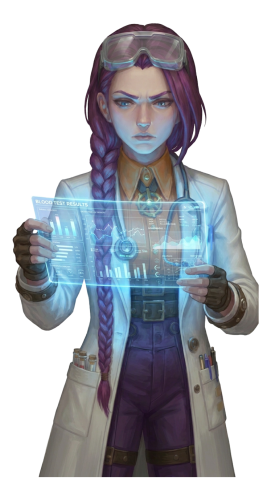
That spirit has a face in Dr Ada Jex-Cori, the voice of our approach, whose message is simple: you are not broken, and you deserve healthcare that fits your life. For high blood pressure, that means making it easy to check, understand and manage your numbers, alongside your GP. Healthcare that fits you, not the other way round.
How Courier Pharmacy can help with medicine supply issues
Medicine shortages have become more common across the UK, and blood pressure tablets have been among those affected. Running out is more than an inconvenience, because missing doses can let your pressure climb. With the current pressure on medicine supply chains, Courier Pharmacy can help you keep your treatment going, so a stock problem at one pharmacy does not become a gap in your care. Here is how we help.
We can supply your medicine when your usual pharmacy cannot
If your local pharmacy is waiting on stock, we may be able to supply the same medicine from our own sourcing. The process is the same as for any prescription-only medicine we provide. A prescriber reviews your details and your current treatment, confirms it is appropriate for you, and arranges supply to your door.
We can look at suitable alternatives
Sometimes a specific brand or strength is unavailable nationally, and no pharmacy can get it. In that situation, a prescriber can discuss a suitable alternative with you, for example a different brand, a different strength combination, or another medicine in the same group that works in a similar way. We can even compound blood pressure medicines when there are severe shortages. Any change is a clinical decision, made with you and shared with your GP, never a swap made without your knowledge.
We help you plan ahead
The best way to avoid a gap is not to wait until the last tablet. We can help you reorder in good time and keep an eye on your supply, so you are not left scrambling if a shortage hits. If you take several medicines, we can help you keep track of them together.
We keep you informed and work with your GP
If something you take is in short supply, we will tell you honestly, explain the options, and let you know what to expect. Your GP leads your diagnosis and overall treatment, so we coordinate with them on any change rather than working around them.
A note of honesty, because it matters. We cannot magic up a medicine that is genuinely out of stock everywhere, and no pharmacy can. What we can do is use our sourcing, offer a prescriber-led review of alternatives, and help you plan, so that supply problems are far less likely to leave you without your treatment.

Frequently asked questions about high blood pressure
What is a normal blood pressure?
For many adults, a healthy blood pressure is around 120 over 80. As the NHS describes, a clinic reading of 140 over 90 or higher, or a home average of 135 over 85 or higher, is usually considered high. Readings vary from person to person, so your GP looks at the overall pattern and your wider health rather than a single number.
Does high blood pressure have symptoms?
Usually not. High blood pressure is often called a silent condition because most people feel completely well, which is why it so often goes undetected. The only reliable way to know is to have it measured. Very high blood pressure can occasionally cause headaches, chest pain, breathlessness or vision problems, which need prompt medical attention.
Why does high blood pressure matter if I feel fine?
Because the harm builds quietly over years. Raised pressure strains the heart and arteries, increasing the risk of heart attack, stroke, kidney disease and vision problems, long before you feel anything. Treating it early lowers those risks, and that benefit is well proven. Feeling fine is not a sign your blood pressure is fine.
Can I lower my blood pressure without medicine?
Often, yes, especially if it is only mildly raised. Cutting down on salt, eating more fruit and vegetables, being more active, losing excess weight, drinking less alcohol and stopping smoking can all bring blood pressure down. For some people these changes are enough, while others also need medicine. Your GP will advise what is right for you.
Will I need to take tablets for life?
Not always, but often blood pressure medicines are taken long-term, because they control rather than cure high blood pressure. If your readings improve through lifestyle changes, your GP may adjust or reduce treatment. Never stop blood pressure medicine on your own, as your pressure can rise again. Any change should be discussed with your GP.
How often should I check my blood pressure?
It depends on your situation. If your blood pressure is normal, a check every few years may be enough, while if it is raised or treated, more regular monitoring helps. Home monitoring over several days gives a useful picture. We can help you set up a sensible routine and understand your readings.
Can Courier Pharmacy diagnose and treat my high blood pressure?
Your diagnosis and prescribing are led by your GP, because high blood pressure needs proper assessment and ongoing review. What we can do is check your blood pressure, help you monitor it accurately at home, explain your numbers, and support you alongside your GP. We will always be clear about when something needs their input.
What should I do if I get a very high reading?
First, do not panic, and recheck after resting quietly for a few minutes, as a single high reading can be a blip. If it stays very high, or if you have symptoms such as chest pain, breathlessness, severe headache or vision problems, seek medical advice promptly, and urgent help if symptoms are severe. If you are unsure, a pharmacist can help you decide what to do next.
What is the difference between the two blood pressure numbers?
The top number, systolic, is the pressure when your heart beats and pushes blood out. The bottom number, diastolic, is the pressure when your heart rests between beats. As the NHS describes, both matter, and a reading is written as systolic over diastolic, for example 120 over 80. Your GP looks at both numbers alongside your wider health.
What is white coat hypertension?
White coat hypertension is when your blood pressure reads higher at the clinic than it does in everyday life, often because being at the doctor’s makes you a little anxious. It is common, and it is one reason your GP may confirm a raised reading with home or 24-hour monitoring, which usually gives a truer picture. We can help you measure accurately at home.
Does salt really affect blood pressure?
Yes, for many people it does. As the NHS and Blood Pressure UK describe, eating too much salt tends to raise blood pressure, and cutting down can help bring it lower. Most of the salt we eat is hidden in processed and shop-bought foods rather than added at the table, so checking labels and cooking from scratch often makes the biggest difference.
Can stress or anxiety cause high blood pressure?
Stress and anxiety can push your blood pressure up temporarily, and a stressful lifestyle may contribute over time, often through knock-on habits like poor sleep, drinking more or eating less well. Stress is not usually the sole cause of long-term high blood pressure, but managing it is still worthwhile, both for your readings and your general wellbeing.
Can high blood pressure affect pregnancy?
Yes, and it needs close attention. High blood pressure in pregnancy can sometimes signal a condition called pre-eclampsia, which requires prompt medical care. If you are pregnant, planning a pregnancy, or taking blood pressure medicine and thinking about pregnancy, speak to your GP or midwife, because some medicines are not suitable in pregnancy and your care should be guided by your maternity team.
Do blood pressure medicines cause side effects?
They can, though many people take them with few or no problems. Different types have different possible effects, such as a dry cough with ACE inhibitors, ankle swelling with some calcium channel blockers, or needing to pass urine more with diuretics. If a medicine does not suit you, there are alternatives, so tell your GP rather than simply stopping it.
Do caffeine and alcohol raise blood pressure?
Both can. Caffeine can cause a short-term rise, so it is worth avoiding it just before a reading. Regularly drinking too much alcohol can raise blood pressure over time, and cutting down often helps. You do not necessarily have to give either up, but moderation matters, and your pharmacist can talk through sensible limits.
Is high blood pressure hereditary?
It can run in families. Having a parent or close relative with high blood pressure raises your own risk, alongside factors like age, weight, diet and activity. You cannot change your genes, but you can influence many of the other factors, which is why lifestyle still makes a real difference even if high blood pressure runs in your family.
Important disclaimer
This page is for general information and education. It is not medical advice, and it is not a substitute for a consultation with a qualified healthcare professional. High blood pressure should be diagnosed and managed by your GP, who leads any prescribing and review. Do not start, stop or change blood pressure medicine without medical advice. Seek urgent help for chest pain, breathlessness, severe headache, vision problems or other severe or sudden symptoms. Always speak to your GP, prescriber or pharmacist before making changes to your treatment.
References
- National Health Service (no date) High blood pressure (hypertension). Available at: https://www.nhs.uk/conditions/high-blood-pressure-hypertension/ (Accessed: 22 October 2026).
- National Institute for Health and Care Excellence (2023) Hypertension in adults: diagnosis and management (NG136). Available at: https://www.nice.org.uk/guidance/ng136 (Accessed: 22 October 2026).
- Blood Pressure UK (no date) Home. Available at: https://www.bloodpressureuk.org/ (Accessed: 22 October 2026).
- British Heart Foundation (no date) Blood pressure: measuring at home. Available at: https://www.bhf.org.uk/informationsupport/heart-matters-magazine/medical/tests/blood-pressure-measuring-at-home (Accessed: 22 October 2026).

BSc Pharmacy, Independent Prescriber, PgDip Endocrinology, MSc Endocrinology, PgDip Infectious Diseases
Superintendant Pharmacist, Independent Prescriber

BSc Pharmacy
Compounding Pharmacist

