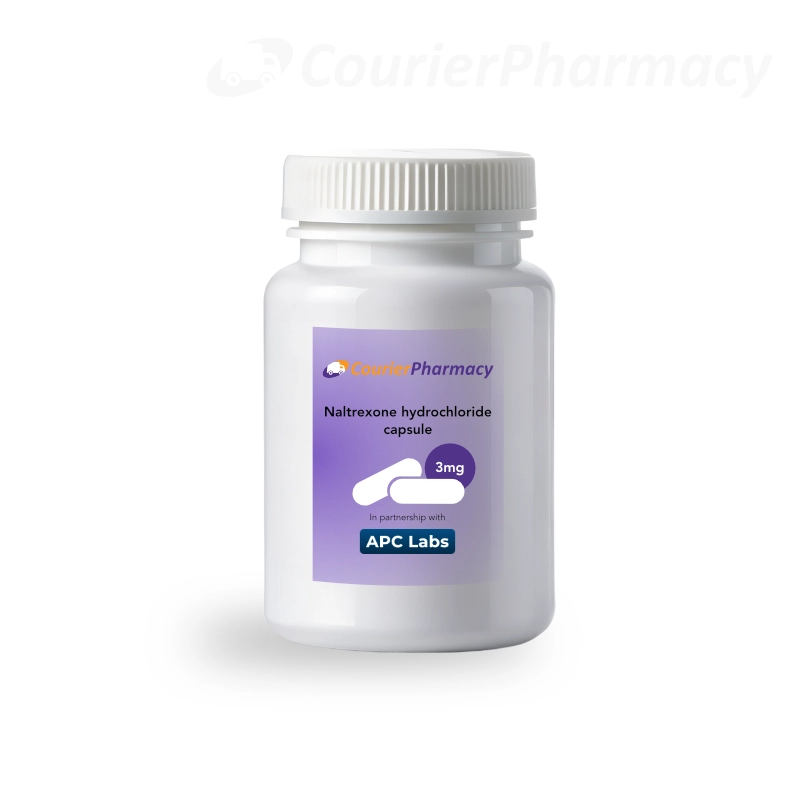
What are Low Dose Naltrexone (LDN) 3mg capsules?
Low Dose Naltrexone (LDN) 3mg capsules are a lower-dose version of naltrexone, a medication traditionally used in 50mg doses to treat opioid and alcohol addiction. LDN is specially compounded to deliver much smaller doses, typically between 1mg and 4.5mg, for alternative therapeutic purposes.
While higher doses of naltrexone block opioid effects, low doses are believed to regulate the immune system and reduce inflammation. LDN is commonly used off-label for conditions such as fibromyalgia, multiple sclerosis, Crohn’s disease, and other autoimmune or chronic pain disorders.
LDN is usually taken once a day and has gained attention for its potential to support symptom management in a variety of inflammatory and immune-related conditions. However, it is important to note that LDN is not yet officially approved for these uses and is prescribed off-label.
What is the active ingredient in Low Dose Naltrexone (LDN) 3mg capsules?
The active ingredient in Low Dose Naltrexone (LDN) 3mg capsules is naltrexone hydrochloride (3mg).
Naltrexone is a medication originally developed to treat opioid and alcohol dependence at much higher doses (typically 50mg). However, in smaller doses ranging from 1mg to 4.5mg, it is believed to help regulate the immune system and reduce inflammation. This makes LDN a potential treatment option for various autoimmune and chronic pain conditions, although it is prescribed off-label for these uses.
What are Low Dose Naltrexone (LDN) 3mg capsules used for?
Low Dose Naltrexone (LDN) 3mg capsules are prescribed off-label to help manage a range of chronic and inflammatory conditions. Some of the common uses include:
Autoimmune Conditions
LDN is believed to support the immune system and reduce inflammation, making it a potential treatment for autoimmune diseases such as:
- Multiple sclerosis (MS)
- Rheumatoid arthritis
- Lupus
- Hashimoto’s thyroiditis
Chronic Pain Conditions
LDN is sometimes used to help with pain relief and inflammation in long-term pain disorders, including:
- Fibromyalgia
- Complex regional pain syndrome (CRPS)
Digestive & Inflammatory Bowel Disorders
LDN has shown promise in reducing gut inflammation and managing symptoms of conditions like:
- Crohn’s disease
- Ulcerative colitis
- Irritable bowel syndrome (IBS)
Cancer Support
Some patients take LDN alongside conventional cancer treatments, as it may help boost the immune system. However, more research is needed in this area.
Neurological Conditions
LDN is being studied for its potential role in conditions affecting the brain and nervous system, such as:
- Parkinson’s disease
- Alzheimer’s disease
Since LDN is not yet widely approved for these uses, it is important to speak with a healthcare provider before starting treatment to assess whether it is suitable for your condition.
What are the side effects of Low Dose Naltrexone (LDN) 3mg capsules?
Low Dose Naltrexone (LDN) 3mg capsules are generally well tolerated, but like all medications, they may cause some side effects. These effects are usually mild and tend to improve as the body adjusts to the treatment.
Common Side Effects:
- Sleep Issues: Some people experience vivid dreams or difficulty sleeping, especially when first starting LDN.
- Digestive Discomfort: Mild nausea, constipation, or diarrhoea may occur, particularly in the early days of treatment.
- Fatigue: A feeling of tiredness or drowsiness may develop in some users.
- Headaches: Some individuals report mild to moderate headaches as a temporary side effect.
- Mood Changes: Occasional mood swings or a slight euphoria may be noticed.
- Muscle or Joint Pain: Some users may experience mild aches in the muscles or joints.
These side effects are typically short-lived and reduce over time as your body gets used to the medication. If any side effects persist or become bothersome, consult your doctor or pharmacist for advice.
Low Dose Naltrexone (LDN) 3mg capsules FAQs
What is Low Dose Naltrexone (LDN)?
Low Dose Naltrexone (LDN) is a lower-dose version of naltrexone, typically ranging from 0.5mg to 4.5mg. It is used off-label to help manage conditions related to chronic pain, autoimmune disorders, and immune system regulation. LDN is believed to support the body's natural endorphin production while reducing inflammation.
How does LDN work?
LDN temporarily blocks opioid receptors, triggering the body to produce more endorphins, which are natural pain-relieving chemicals. It also plays a role in immune system modulation, helping to regulate inflammation and improve immune responses in conditions linked to chronic inflammation or immune dysfunction.
What conditions is LDN used for?
LDN is commonly used to help manage:
- Autoimmune diseases – Multiple sclerosis (MS), lupus, rheumatoid arthritis, Hashimoto’s thyroiditis
- Chronic pain disorders – Fibromyalgia, complex regional pain syndrome (CRPS)
- Inflammatory bowel diseases – Crohn’s disease, ulcerative colitis
- Neurological conditions – Parkinson’s disease, Alzheimer’s disease
- Cancer support therapy – Used as a complementary treatment in some cases
How do I take Low Dose Naltrexone (LDN) 3mg capsules?
- Standard dosage: LDN is typically taken once daily, often at bedtime.
- Adjustments: If it disrupts sleep, some people take it in the morning instead.
- Consistency: Take it at the same time each day to maintain steady levels in the body.
- With or without food: It can be taken with or without food, depending on personal preference.
What are the common side effects of LDN?
While LDN is generally well-tolerated, some users may experience:
- Sleep disturbances – Vivid dreams, insomnia
- Digestive issues – Nausea, constipation, or diarrhoea
- Mild headaches
- Fatigue or mood changes – Temporary feelings of tiredness or emotional shifts
These side effects often improve within a few days to weeks as the body adjusts.
Can LDN be taken with other medications?
LDN is usually safe to take with most medications, but it is important to inform your doctor about any medicines you are using, especially:
- Opioid-based painkillers – LDN may reduce their effectiveness.
- Immune-modulating drugs – It may alter their effects, so medical supervision is advised.
Is LDN safe for long-term use?
Yes, LDN is generally safe for long-term use. However, regular check-ups with your doctor are recommended to monitor any changes in symptoms or side effects.
Can I take LDN if I am pregnant or breastfeeding?
- LDN should only be used during pregnancy or breastfeeding if recommended by a healthcare provider.
- There is limited research on its safety in these situations, so consulting a doctor is essential before use.
Will stopping LDN cause withdrawal symptoms?
Unlike higher doses of naltrexone used for addiction treatment, LDN is unlikely to cause withdrawal symptoms. However, stopping it suddenly should still be done under medical guidance to ensure a smooth transition.
How long does it take for LDN to start working?
- Some people notice improvements within a few days, while for others, it may take several weeks or months.
- The effects of LDN build up over time, so patience is required to see full benefits.
If you have any further questions or need advice, speak to a healthcare provider or pharmacist before starting LDN.